
It’s not uncommon for women to notice differences in the shape, size, or appearance of their labia. This natural variation, known as labia asymmetry, occurs when one side of the labia differs from the other. The labia, which are part of the external female genitalia, consist of the labia majora (outer lips) and labia minora (inner lips). While most women have some degree of asymmetry, in some instances, the difference can be more pronounced, leading to physical discomfort or emotional distress.
Centre for Surgery in London is a leading centre of excellence for cosmetic gynaecology and is home to specialist surgeons with many years of experience correcting labial asymmetry.
What Is Labia Asymmetry?
Labia asymmetry refers to an uneven appearance of the labia. This can affect the labia minora, labia majora, or both. For some, the unevenness might be subtle and barely noticeable, while for others, the difference can be quite significant. It’s important to understand that asymmetrical labia are completely normal. Just as no two eyes, ears, or breasts are perfectly identical, the same applies to the labia.
However, when the asymmetry causes discomfort during activities like exercise, sexual intercourse, or even when wearing tight clothing, it might become more than just a cosmetic concern. Some women may also feel self-conscious or experience anxiety about the way their labia look, which can affect their confidence and intimate relationships.
What Causes Uneven Labia?
There are several reasons why a woman might have uneven labia. Some of these causes are natural, while others might develop over time due to external factors.
Genetics and Natural Development
For many women, asymmetrical labia are simply the result of genetics. Just like other parts of the body, the labia develop uniquely for each individual. Hormonal changes during puberty can influence labial growth, sometimes making one side larger or longer than the other. This is entirely normal and usually doesn’t indicate any underlying health issue.
Hormonal Changes
Fluctuations in hormones, particularly during puberty, pregnancy, or menopause, can affect the size and shape of the labia. Hormones like oestrogen play a role in tissue development, and changes in these hormone levels can cause the labia to swell, shrink, or become more prominent on one side.
Pregnancy and Childbirth
Pregnancy and childbirth can have a significant impact on the female body, including the labia. The physical strain during vaginal delivery can stretch or even tear the labial tissue, sometimes leading to permanent changes. Additionally, hormonal shifts during pregnancy can cause the labia to become swollen or more pronounced, which may not always return to their pre-pregnancy state.
Ageing
As women age, their body undergoes several changes. The skin loses elasticity, and fat distribution shifts. These changes can also affect the labia, sometimes leading to more noticeable asymmetry. Thinning of the skin and loss of volume can make differences between the two sides more apparent.
Physical Activity and Trauma
High-impact sports, cycling, horse riding, or other activities that involve prolonged pressure or friction in the genital area can affect the labia over time. In some cases, an injury or repeated trauma to the area can cause one side to change in shape or size, contributing to asymmetry.
Medical Conditions
Though less common, certain medical conditions can affect the labia’s appearance. Infections, cysts, or skin disorders like lichen sclerosus can lead to changes in the tissue. If there are sudden changes in the labia’s size, shape, or colour, especially if accompanied by pain or other symptoms, it’s essential to consult a healthcare professional to rule out any serious conditions.
When Is Labia Asymmetry a Concern?
While uneven labia are usually harmless, there are times when it may cause physical or emotional discomfort. Some women experience chafing, irritation, or discomfort when wearing tight clothing, during exercise, or while engaging in sexual activity. In more severe cases, the labial tissue might get caught or twisted, causing pain.
Emotionally, labia asymmetry can impact self-esteem. If asymmetrical labia are causing discomfort or distress, there are solutions available.
Solutions for Labia Asymmetry
For many women, simply understanding that labia asymmetry is normal can be reassuring enough. However, for those experiencing physical discomfort or significant emotional distress, there are both surgical and non-surgical options to consider.
Labiaplasty
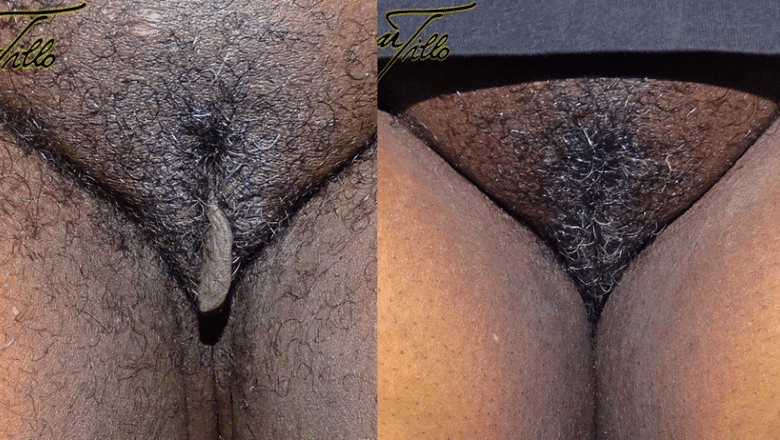
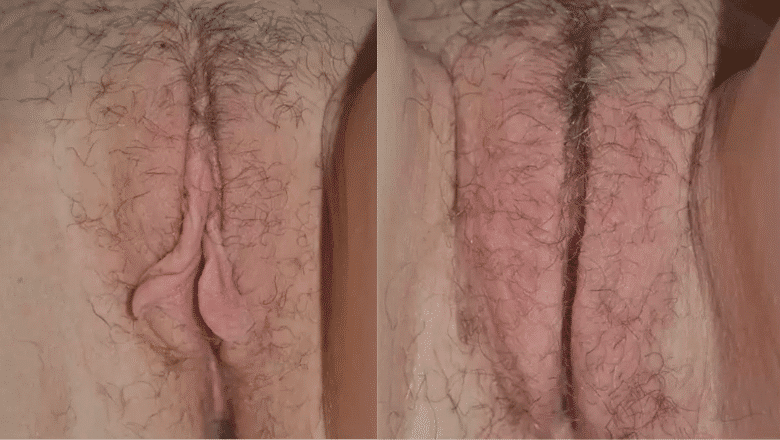
For women seeking a more permanent solution, labiaplasty is a surgical procedure designed to reshape and reduce the size of the labia minora, labia majora, or both. This procedure is often chosen when labia asymmetry causes significant physical discomfort or emotional distress.
What Is Labiaplasty?
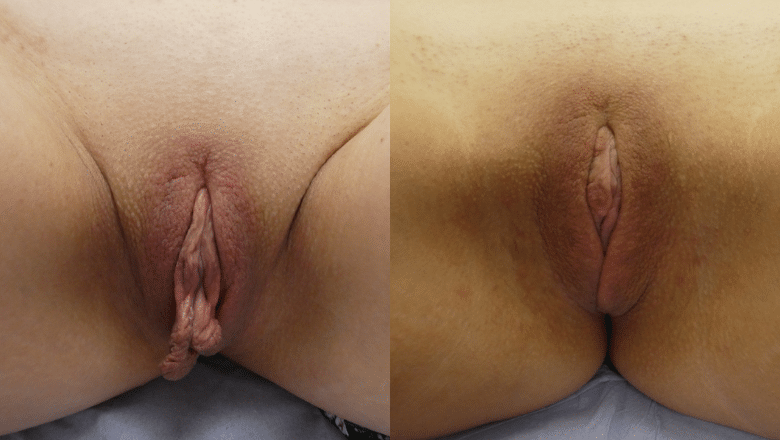
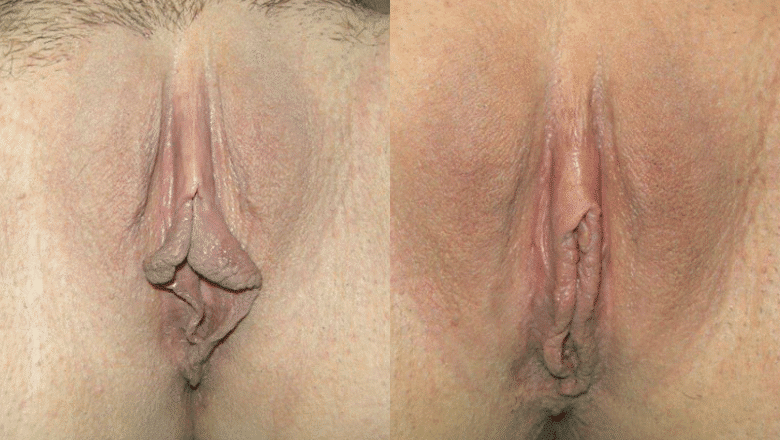
Labiaplasty is a cosmetic and functional surgery that aims to create a more symmetrical appearance of the labia. The procedure can involve trimming excess tissue, reshaping the labia, and improving symmetry. It’s performed under local anaesthesia with sedation or general anaesthesia, depending on the complexity of the case and the patient’s preference.
Benefits of Labiaplasty
The benefits of labiaplasty go beyond aesthetics. For many women, the procedure relieves physical discomfort caused by enlarged or uneven labia, such as chafing, irritation, or pain during exercise or sexual activity. It can also enhance self-confidence and improve intimate relationships by reducing anxiety about one’s appearance.
Procedure and Recovery
Labiaplasty is typically a straightforward procedure, often completed within one to two hours. Surgeons may use different techniques depending on the desired outcome. The two most common methods are the trim technique, which removes excess tissue along the edge of the labia, and the wedge technique, which removes a triangular section of tissue to maintain a natural contour.
RELATED: Trim Labiaplasty vs Wedge Labiaplasty
Recovery from labiaplasty usually takes a few weeks. Patients are advised to avoid strenuous activities, sexual intercourse, and activities that cause friction in the genital area during the healing period. Swelling and mild discomfort are common initially but gradually subside.
Is Labiaplasty Right for You?
Deciding to undergo labiaplasty is a personal choice. Having realistic expectations and understanding the benefits and potential risks is important. Consulting with a qualified plastic surgeon specialising in this procedure can help you make an informed decision.
RELATED: How Much Does a Labiaplasty Cost?
Risks and Considerations
Like any surgical procedure, labiaplasty carries some risks, including infection, scarring, changes in sensation, and dissatisfaction with the final appearance. Choosing an experienced, board-certified surgeon reduces these risks and ensures a higher likelihood of achieving the desired outcome.
Are There Non-Surgical Options for Correcting Uneven Labia?
If the asymmetry isn’t severe, non-surgical approaches might help manage discomfort. Wearing loose, breathable clothing and choosing underwear made from soft, natural fabrics can reduce irritation. For those involved in sports or activities that cause friction, using protective padding or barrier creams might help.
In cases where dryness or skin irritation is a concern, moisturisers or prescribed topical treatments can provide relief. However, it’s important to note that non-surgical options don’t change the physical structure of the labia. They can alleviate symptoms but won’t alter the appearance.
Why Choose Centre for Surgery for Labiaplasty
At Centre for Surgery, we pride ourselves on being one of London’s leading plastic surgery clinics, offering world-class labiaplasty procedures tailored to meet your unique needs. Our dedicated team of specialist plastic surgeons possesses extensive experience in aesthetic gynaecology, ensuring that every patient receives the highest standard of care in a safe, comfortable, and confidential environment.
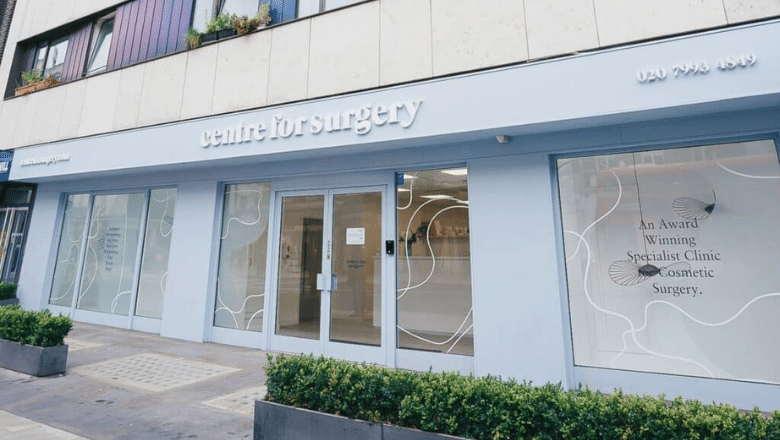
Our state-of-the-art clinic, conveniently located on Baker Street, is equipped with cutting-edge technology, providing a seamless patient journey from consultation to recovery. We understand that labiaplasty is a deeply personal decision, which is why we offer a compassionate approach, focusing on patient wellbeing and outstanding results.
- Expert Surgeons: Our team consists of highly qualified plastic surgeons with specialised training in labiaplasty. You can learn more about our experienced team on our Meet the Team page.
- Personalised Care: Every patient receives a bespoke treatment plan tailored to their specific goals, ensuring natural-looking, aesthetically pleasing results.
- Comprehensive Support: From your initial consultation to post-operative care, our dedicated patient coordinators are here to support you at every step.
- Flexible Finance Options: We offer a range of finance options, including 0% APR, making labiaplasty more accessible and affordable.
To book a consultation, contact us today: 📞 0207 993 4849 | 📧 contact@centreforsurgery.com | 📍 95-97 Baker Street, London W1U 6RN
For more information, visit our About Us page, read our Plastic Surgery Blog, check our Clinic FAQs, or find out more about our Baker Street Clinic.
[contact-form-7 id=”256″ title=”Treatments form”]