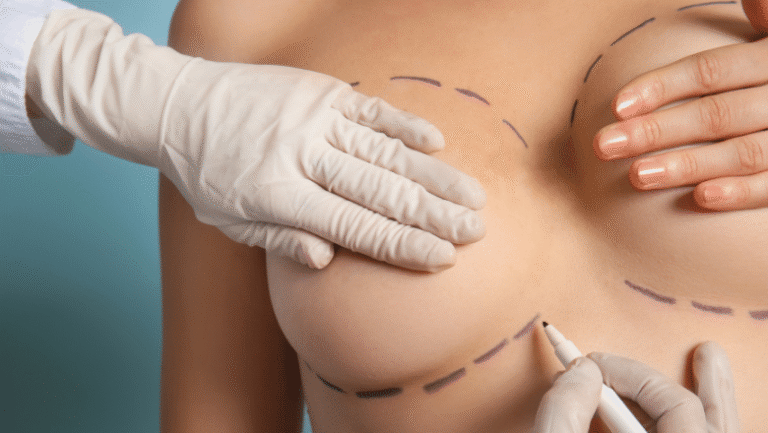

We’re thrilled about your upcoming liposuction surgery and honoured to be part of your journey. Our goal is to provide you with comprehensive guidance and instructions, ensuring you’re well-prepared for a successful liposuction experience.
At Centre for Surgery, preparing for liposuction involves a commitment to adhere to specific pre- and post-operative guidelines. These steps are crucial for achieving the best results. Remember, plastic surgery is more than just a procedure; it’s a journey that requires careful steps to ensure it’s enjoyable, safe, and ultimately rewarding.
Two Months Pre-Surgery: Essential Preparations for Liposuction
With two months left until your liposuction surgery, one of the most important steps is to stop smoking and avoid all nicotine products. This includes not only traditional cigarettes but also e-cigarettes, nicotine gum, shisha, and any other inhalants containing nicotine. Nicotine can impede blood flow to the skin, which is vital for wound healing. Poor blood flow can lead to serious complications such as impaired wound healing or, in extreme cases, skin necrosis.
RELATED: Smokers & Cosmetic Surgery – The Impact of Smoking
Another vital consideration two months before surgery is arranging for post-operative help. You won’t be able to drive yourself home after the surgery due to the effects of anaesthesia. You’ll need someone responsible to ensure you’re settled in, help you with medications, and assist in your initial recovery. A ride app won’t suffice — you need someone who can actively support you during the first 24 hours post-surgery. If your surgery is more extensive, you might need to consider staying at one of our nearby plastic surgery after-care facilities.
Two Weeks Pre-Surgery: Critical Preparations for Liposuction
Stop Certain Medications and Supplements
You must stop taking aspirin, ibuprofen, and all kinds of vitamins and herbal supplements. These substances can increase the risk of bleeding and interfere with the healing process. It’s essential to avoid them both two weeks before and after your surgery.
Abstain from Alcohol
Alcohol consumption should also be halted during this time frame. Alcohol can affect your body’s ability to heal and may increase the risk of complications during and after surgery.
Managing Pain and Discomfort
If you experience headaches or cramps during this period, limit your pain relief to paracetamol only. Paracetamol is generally safe and does not have the same blood-thinning effects as aspirin or ibuprofen.
Avoiding Sun Exposure Before Liposuction Surgery

In the two weeks leading up to your liposuction surgery, excessive sun exposure or getting sunburnt can have adverse effects on your surgery and recovery. Sunburnt skin can be problematic in the surgical area, as it is more sensitive and vulnerable. Try to limit your time in the sun, wear protective clothing, use sunscreen, and postpone any tanning plans until after your recovery.
One Week Pre-Surgery: Final Preparations for Liposuction
- Health Status Update: Inform us immediately if you experience any health changes, such as a cough, fever, illness, or skin changes/infections. These symptoms could affect your surgery.
- Avoid Self-Medicating: If you feel unwell or have a cough, please refrain from taking over-the-counter medications without consulting us first.
- Prepare Your Essentials:
- Medications: Collect any medications prescribed for your post-surgery recovery.
- Special Soap: Purchase Hibiscrub from a pharmacy. This soap is recommended for pre-surgical cleansing to reduce the risk of infections.
- Compression Stockings: Buy compression stockings that extend above the knee. Thigh-high stockings are preferable as they stay in place better during recovery. These stockings are vital for maintaining good blood circulation and preventing blood clots post-surgery.
Two Days Pre-Surgery: Body Cleansing for Liposuction
Use Hibiscrub Soap
Start using the Hibiscrub soap you purchased for body cleansing. This antiseptic soap is specially designed to reduce bacterial load on the skin, which is crucial for preventing infections during and after surgery.
Thorough Washing Technique
When washing with Hibiscrub, ensure you cover all areas of your body, paying special attention to creases and folds — particularly in between and underneath your breasts, the belly button, and your back. Keep the soap on your skin for approximately two minutes.
Shaving and Cleansing Preparations
Shave the area around the surgery site two days before surgery, allowing any minor skin irritations or abrasions time to heal before the procedure. Shaving on the day of surgery or the day before can leave the skin more vulnerable to infections. After shaving, start using Hibiscrub soap to cleanse the shaved area as well as the rest of your body.
Diet and Food Considerations
For the two days leading up to your surgery, stick to a lighter diet — meals that are easy to digest and not too heavy on your stomach. Stay away from heavy, greasy foods like burgers and fries, as such foods can cause bloating and discomfort. After midnight the night before your surgery, you should not eat anything. This is to ensure that your stomach is empty for the surgery, reducing the risk of complications such as aspiration during anaesthesia.
Preparations the Night Before Your Liposuction Surgery
Fasting After Midnight
Do not eat or drink anything after midnight. This includes all forms of food and liquids, even water.
Taking Essential Medication
If you are taking essential medications such as high blood pressure pills, you may take them with a small sip of water in the morning of your surgery. However, consult with your surgical team to confirm which medications you should take.
Skip Applying Lotions, Deodorants, or Creams
Do not apply lotions, deodorants, creams, or similar products to your skin on the morning of your surgery. These substances can interfere with the surgical markings your surgeon will make just before the procedure.
Guidelines for the Day of Your Liposuction Surgery
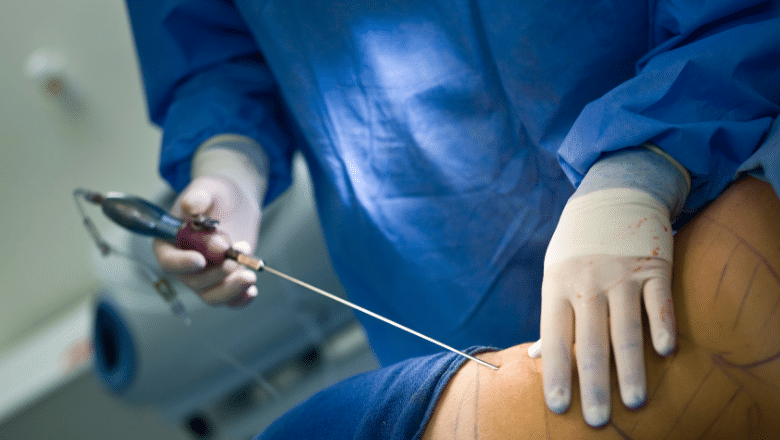
On the day of your liposuction surgery, leave valuables at home, switch to glasses if you wear contact lenses, and wear loose and comfortable clothing that is easy to put on and take off. Depending on the area of your liposuction, ensure the clothing you choose doesn’t put pressure on the surgical site.
Post-Liposuction Surgery Care: Managing Initial Recovery

When you wake up from surgery, you will already be wearing a compression garment. It’s normal to experience some drainage from the liposuction incisions — this fluid is a mix of the numbing medication used during surgery and a small amount of blood. The most significant drainage usually occurs in the first 24 hours post-surgery. Have plenty of towels on hand to protect your bedding and furniture, and consider using plastic covers on car seats if travelling post-surgery.
Post-Operative Care After Liposuction Surgery
Wearing the Compression Garment: It’s crucial to wear your compression garment continuously for six weeks. Ensure the garment remains straight and wrinkle-free, particularly around the waist, where it tends to bunch. Any creases or tight bands can adversely affect the shaping process.
Use of Foam Pads: Foam pads will be placed inside your garment at the front and back. These pads are designed to keep your skin smooth and flat during the healing process. Wear these foam pads for at least the first two weeks post-surgery.
Guidelines for Wearing and Washing Your Compression Garment After Liposuction
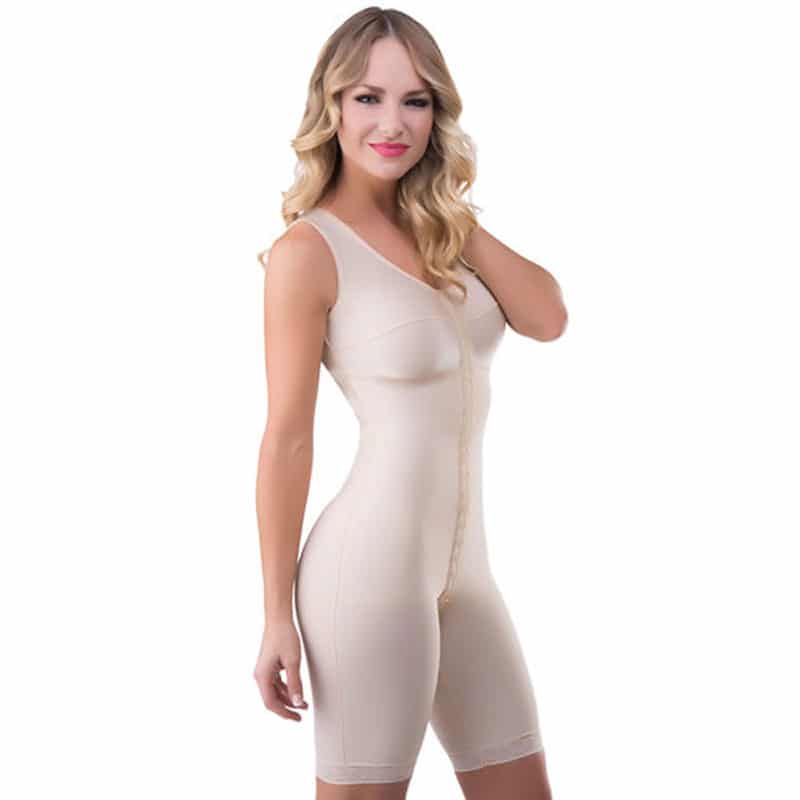
Ensure the garment is completely free of creases and fits smoothly against your body. If your job involves a lot of sitting, sit as straight as possible to avoid bending and creating dents, particularly in the abdominal area. Aim to be out of your garment for no more than 30 minutes at a time — quickly hand wash the garment using detergent, then put it in the dryer for 15-20 minutes. Consider purchasing a second garment for convenience so you can alternate between them.
Guidelines for Physical Activity After Liposuction Surgery
Aim to walk around every other hour for approximately two weeks after surgery. While it’s essential to rest and take it easy, lying in bed for extended periods can increase the risk of developing blood clots. Wear the compression stockings provided for a full week after your surgery, particularly important during flights.
Pain Management and Activity Guidelines After Liposuction Surgery
Many patients experience minimal pain after liposuction and may not require significant pain medication — however, pain thresholds and experiences differ. Despite feeling good, it’s essential to rest and not overexert yourself immediately after surgery. A general guide for increasing physical activity:
- First two weeks: Limit yourself to gentle walking.
- Two to four weeks post-surgery: Gradually increase activity, including walking uphill and light cardio.
- Four weeks onwards: Begin incorporating bodyweight exercises cautiously.
- Six weeks post-surgery: Generally when you can resume normal exercise routines — always seek approval from your surgeon first.
Weightlifting, Diet, and Showering Guidelines After Liposuction Surgery
Refrain from heavy lifting or strenuous activities during your recovery period, as these can raise your blood pressure and lead to increased swelling. For your diet, start with clear liquids, gradually progress to your normal diet, and avoid fatty foods. For showering, wait two days after surgery before showering. Remove your compression garment before showering — be cautious as you may feel lightheaded. Do not shower alone during the initial recovery period; have someone assist you.
Guidance on Managing Sutures After Liposuction Surgery
The small incisions made during liposuction are typically closed with dissolvable sutures, designed to dissolve on their own over time. We recommend evaluating the sutures around two weeks after surgery to see if they have dissolved adequately. If the sutures have not dissolved by this time, they can be removed at the clinic or by a local GP or practice nurse.
Scar Treatment and Care After Plastic Surgery

Begin your scar treatment regimen approximately two to three weeks after your surgery. Protect the incision areas from being rubbed by clothing — if you feel any friction, place a clean piece of gauze over them. Avoid covering incisions with plasters or any material that could trap moisture. Scars can take up to two years to fully fade — do not apply any creams or treatments on the scars without your surgeon’s approval.
Understanding Swelling, Redness, and Bruising After Liposuction Surgery
Swelling is common for several months following liposuction, typically peaking around the third day and then gradually subsiding. Around two weeks post-surgery you should notice a significant decrease. Complete normalisation of the body can take four to six months. Report any severe symptoms immediately, such as a high fever, rapidly spreading redness around an incision site, difficulty breathing, or swelling in the calves.
Maintaining a Positive Mindset Before and After Liposuction Surgery
Having a positive outlook is a crucial aspect of your liposuction surgery experience. Modern anaesthesia techniques are designed to ensure your comfort, and many patients describe the experience as having had a restful, deep nap. Surround yourself with positive, supportive people and create a calm and relaxing environment both before and after your surgery. If you find yourself struggling with anxiety or negative thoughts, don’t hesitate to seek advice from your surgical team or a mental health professional.
Liposuction Surgery at Centre for Surgery
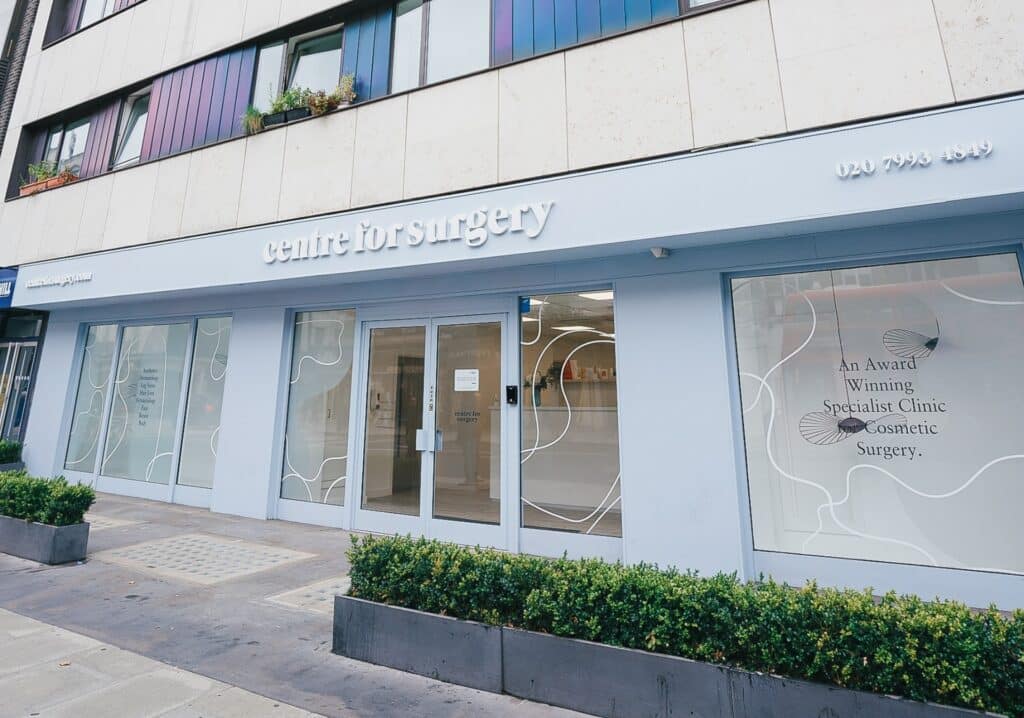
At Centre for Surgery, we specialise in providing state-of-the-art liposuction procedures, tailored to meet the unique needs of each patient. Our clinic, nestled in the heart of London, offers a blend of innovative techniques and compassionate care, ensuring an experience that is not just about enhancing appearance but also about nurturing confidence and wellbeing.
To book a consultation: 📞 0207 993 4849 | 📧 contact@centreforsurgery.com | 📍 95-97 Baker Street, London W1U 6RN
For more information, visit our About Us page, explore our finance options including 0% APR with Chrysalis Finance, read our Plastic Surgery Blog, check our Clinic FAQs, or learn about our Baker Street Clinic.
[contact-form-7 id=”256″ title=”Treatments form”]