The Brazilian Butt Lift, often shortened to BBL, is a well-liked cosmetic surgery procedure that many people opt for these days. In simple terms, this operation involves taking fat from one part of your body using a method called liposuction, and then putting that fat into your bum to give it a fuller and more shapely look.
In this article, we’re going to delve into a concern that’s on the minds of many people considering a BBL: the possibility of experiencing fat necrosis after the operation. We’ll go into detail about what causes this condition and how you can best avoid it.
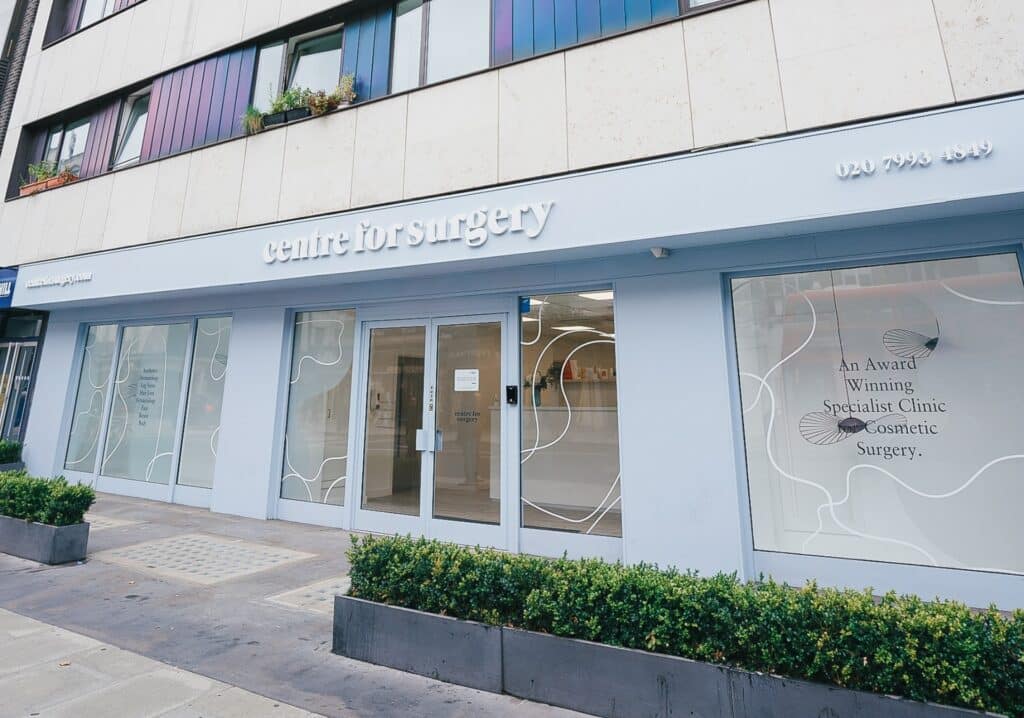
Here at Centre for Surgery, located in London, our team of expert body contouring surgeons are highly skilled in performing Brazilian Butt Lifts, along with a wide array of other cosmetic surgeries.
RELATED: Brazilian Butt Lift FAQs – Q&A about BBL Surgery
What Is Fat Necrosis?
Fat necrosis is a medical condition that negatively impacts the adipose tissue, which is essentially the fat tissue in a specific part of the body. This happens when the blood supply to the fat tissue is compromised or restricted, leading to a gradual deterioration of the cells.
Although it’s important to note that fat necrosis is generally benign, meaning it’s not cancerous, it remains a significant concern for individuals who have undergone cosmetic procedures like the Brazilian Butt Lift. It can result in the formation of hard, palpable lumps beneath the skin surface in the affected region. The skin in that region might also take on a red hue and may even appear bruised.
What Causes Fat Necrosis After a Brazilian Butt Lift (BBL)?
In a Brazilian Butt Lift procedure, fat cells are taken from one part of your body and then transferred to your buttocks. For these newly moved fat cells to survive and flourish, they need to successfully integrate into the existing blood supply of the buttocks. Fat necrosis can occur post-surgery if there are any issues or complications during this fat transfer process that negatively impact the blood supply to the newly treated area.
The risk of experiencing fat necrosis is heightened when the grafted fat suffers from injuries or damages during the surgical procedure. Here at Centre for Surgery, our highly skilled and experienced surgeons can significantly minimise this risk by employing meticulous techniques in the grafting and diffusion of the fat during the procedure.
Patients themselves can also be proactive in preventing fat necrosis after undergoing a BBL by rigorously following the post-surgical recovery guidelines provided by their surgeon.
How Long After a Brazilian Butt Lift (BBL) Can Fat Necrosis Occur?
Fat necrosis is most likely to develop within the initial three months following a Brazilian Butt Lift procedure. This is a critical period as the transferred fat cells are in the process of integrating with the existing tissue and blood supply in their new location within the buttocks.
RELATED: Brazilian Butt Lift (BBL) Week-By-Week Recovery Timeline
If you happen to experience any significant pain, discomfort, or other unusual symptoms, it’s highly advised to contact your surgeon as soon as possible for a thorough evaluation. Early detection and intervention can be crucial for effectively managing and treating any issues that may arise.
What Can and Cannot Prevent Fat Necrosis After a Brazilian Butt Lift (BBL)
Myth #1: Avoid Sitting On Your Buttocks
Common Belief:
Some people believe that sitting directly on your buttocks after undergoing a BBL can increase the likelihood of fat necrosis and negatively affect your surgical outcomes.
Expert Opinion:
According to our team of surgeons at Centre for Surgery, there’s no concrete scientific evidence supporting the idea that sitting or applying direct pressure on the newly grafted fat can lead to fat necrosis or cause a loss of the transferred fat.
RELATED: When Can You Sit After a BBL?
Myth #2: Steer Clear of Strenuous Physical Activity
Common Belief:
The notion exists that engaging in strenuous physical activity or exercising after a BBL surgery might increase the risk of fat necrosis.
Expert Opinion:
Our surgeons point out that this risk is more theoretical than proven. There’s no definitive proof to substantiate this claim.
RELATED: When Can You Workout After BBL?
What You Can Do:
- Follow Post-Operative Guidelines: Adherence to the aftercare instructions provided by your surgeon is essential for a successful recovery and minimising risks.
- Keep Open Communication with Your Surgeon: If you notice any unusual symptoms or discomfort, it’s crucial to contact your surgeon for a thorough evaluation.
- Wear Compression Garments: These can help reduce swelling and improve blood circulation, potentially reducing the risk of fat necrosis.
Top Tip for Prevention: Say No to Smoking
One of the most effective ways to prevent fat necrosis after undergoing a Brazilian Butt Lift is to refrain from smoking, especially during the crucial recovery period. Smoking and vaping can significantly impact the blood flow and nutrient supply to the treated area.
Why Is Smoking Such a Concern?
Smoking causes the small blood vessels to constrict or narrow, reducing the amount of blood that can flow through them. This is particularly detrimental for the newly transferred fat cells that are already in a delicate state. Smoking also leads to long-lasting changes in the blood vessels through plaque build-up.
The Good News: Some Effects are Reversible
While the long-term damage to blood vessels is permanent, the narrowing effect on small blood vessels can be reversed within a few weeks of quitting smoking. This offers a window of opportunity for those willing to quit, at least for the duration of the recovery period.
Why Choose Centre for Surgery for Your Brazilian Butt Lift
When it comes to cosmetic procedures like the Brazilian Butt Lift, you want to be in the most skilled and reliable hands. Centre for Surgery in London is one of the UK’s leading clinics for BBL surgery, offering state-of-the-art facilities, cutting-edge techniques, and a team of experienced surgeons who specialise in this procedure.
Patient Testimonials
- Sarah, 34, London:
“I had my BBL at Centre for Surgery six months ago, and I couldn’t be happier with the results. The aftercare was excellent, and they really took the time to make sure I was recovering well.” - Carla, 29, Manchester:
“I researched thoroughly before choosing Centre for Surgery for my BBL. The level of care and attention to detail was second to none. Highly recommend!” - Emily, 27, Birmingham:
“The team at Centre for Surgery were amazing. They answered all my questions, calmed my anxieties and I felt incredibly taken care of throughout the whole process.”
Consultation and Contact Details
📞 Phone: 0207 993 4849
📧 Email: contact@centreforsurgery.com
📍 Address: 95-97 Baker Street, London W1U 6RN
Baker Street Clinic
Additional Resources
- About Us
- Finance Options including 0% APR with Chrysalis Finance
- Plastic Surgery Blog for More Information
- Frequently Asked Questions
[contact-form-7 id=”256″ title=”Treatments form”]