Man Boobs Causes and Treatment
Gynecomastia is a condition where men develop enlarged breast tissue, which can cause a noticeable chest fullness that is not typical of a male chest shape.
Both men and women are born with some breast tissue, but in men, it is usually small and underdeveloped. In gynecomastia, this tissue grows beyond normal limits, leading to a more prominent or protruding chest.
This can occur due to a range of medical or hormonal factors that cause the breast tissue in men to enlarge.
RELATED: Why Is Gynecomastia Becoming More Common?
RELATED: Gynecomastia vs Chest Fat – How to Tell the Difference
Enlarged breasts in men is sometimes referred to as “man boobs”, and in most men, it is a result of excessive body fat. Some men naturally store more fat around the chest, which can make the chest appear fuller. In these cases, exercise and reducing body fat can help improve the look of the chest.
However, gynecomastia is a different condition that involves the growth of actual breast tissue rather than just fat. It is fairly common during puberty, affecting many teenage boys due to hormonal changes. In most cases, it settles on its own, although a smaller number of men continue to have it into adulthood. Where gynecomastia hasn’t settled on its own or through other interventions such as lifestyle changes and medication, surgery may be the best next option.
RELATED: Gynecomastia Surgery FAQs – Q&A about Male Breast Reduction
What Causes Boobs in Men?
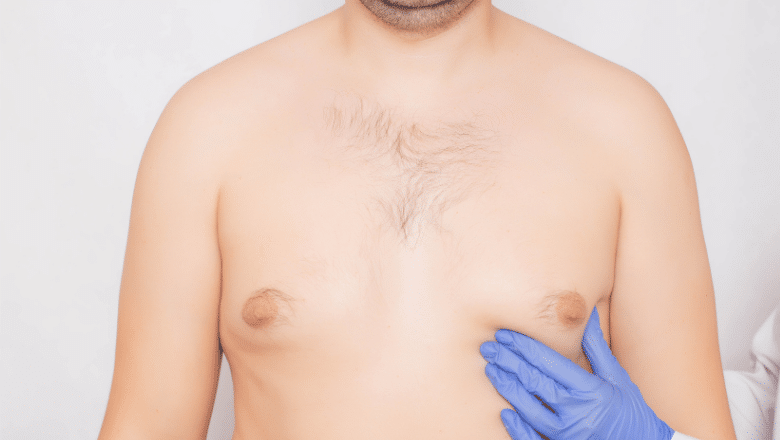
Gynecomastia is often linked to a hormonal imbalance between testosterone (male hormone) and oestrogen (female hormone). Both hormones are present in everyone, but breast tissue is more sensitive to oestrogen. In men, higher levels of testosterone usually keep breast tissue from developing.
Hormone fluctuations can lead to an imbalance and result in enlarged breast tissue, but this is not the only factor that can cause enlarged breasts.
RELATED: Puffy Nipples – Causes, Symptoms and Treatments
Here are several possible causes of enlarged male breast tissue:
Steroid use
Anabolic steroids cause hormonal imbalance, causing the body to produce more estrogen, which is what causes breast tissue to grow.
Excess body fat
Higher levels of body fat reduce testosterone levels and increase oestrogen activity. This ‘female’ hormone is what causes breast tissue production.
Very restrictive diets
Severely undereating or having a poor diet can also disrupt hormone levels and reduce testosterone. In some cases, gynecomastia can develop during periods of starvation.
Alcohol misuse
Long-term heavy alcohol use can affect liver function, which plays a role in regulating hormones. Oestrogen levels rise when the liver isn’t working properly.
Medication
Recreational drugs
Some recreational drugs have been associated with changes in hormone levels, which can contribute to breast tissue development.
Certain personal care products
Some products containing ingredients like lavender oil or tea tree oil have been suggested in research to potentially affect hormone activity when applied regularly to the skin.
Overall, gynecomastia can have a range of different causes, and identifying the underlying factor is important in understanding how best to manage it.
What Other Medical Conditions Might Contribute to the Development of Enlarged Male Breasts?
Can Certain Foods Cause Man Boobs?

Commonly discussed examples include:
Soy products
Dairy products
Dairy can contain small amounts of naturally occurring hormones. It is still a healthy part of most diets, but some people believe excessive intake may contribute to hormonal changes, although the evidence is mixed.
Processed and deep-fried foods
Foods high in saturated fat and heavily processed ingredients can contribute to weight gain, which may affect hormone balance and increase fat storage in the chest area.
Highly processed meats
Some processed meats are high in fat and preservatives, which can contribute to overall poor diet quality and weight gain if eaten frequently.
Alcohol
Alcohol can affect liver function, and the liver plays a role in hormone regulation. Heavy drinking may therefore contribute to hormonal imbalance over time.
Can gynecomastia be reduced naturally?
How are man boobs treated?
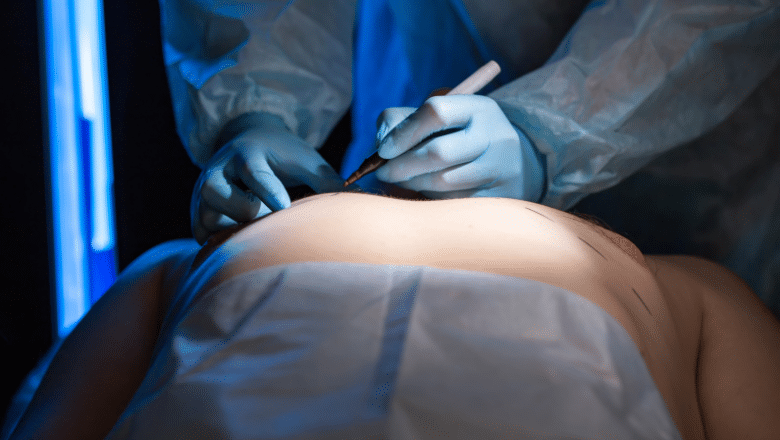
The first step in the male breast reduction patient journey involves a detailed face-to-face consultation with your surgeon, where your surgeon will discuss with you whether gynecomastia is a suitable procedure for you. In some cases, your surgeon may perform an ultrasound scan to rule out any cancerous changes, especially in unilateral gynecomastia, which is painful and has developed quickly.
RELATED: How can you get rid of gynecomastia without surgery?
RELATED: How to prepare for gynecomastia surgery
Gynecomastia Surgery Techniques
Treatment for enlarged male breast tissue (gynecomastia) depends on what is causing it and how severe it is. If it’s linked to certain medications, your doctor may suggest stopping them or switching to an alternative. Treating any underlying medical condition can also help reduce symptoms in some cases. Surgery can then be considered if lifestyle or medical changes have not been successful.
Liposuction
This is commonly used when there is excess fat in the chest. Liposuction removes fat and helps reshape the chest, but it’s important to note that fatty tissue in this area can be more fibrous than other parts of the body, so specialised techniques are required.
Surgical removal
If there is glandular (firm) breast tissue, it usually needs to be removed surgically. This type of tissue cannot be treated with liposuction alone.
BodyTite
After fat removal, some patients may benefit from skin tightening procedures such as BodyTite, can help the chest look firmer and more contoured, without the need for larger surgical scars.
Overall, the most suitable treatment depends on whether the issue is mainly fat, glandular tissue, or a combination of both.
RELATED: Can Gynecomastia Come Back After Surgery?
What to expect during a gynecomastia procedure:
Frequently Asked Questions Pertaining to the Causes and Management of Enlarged Male Breasts
What causes enlarged male breasts (gynecomastia)?
Gynecomastia can be caused by many factors. The most common is a hormone imbalance, where oestrogen levels are higher than testosterone levels. It can also be linked to certain medical conditions, medications, lifestyle factors, or, in some cases, diet. A medical assessment is usually needed to determine the exact cause and select the best treatment.
Can it be reduced at home?
Some lifestyle changes may help improve its appearance, such as regular exercise and a healthy, balanced diet. These can reduce overall body fat. Some people also use things like green tea or ginger to support metabolism, but these won’t treat the underlying cause if true gynecomastia is present.
What happens if it is not treated?
Gynecomastia is not usually dangerous from a physical health point of view, but it can have a strong emotional and psychological impact. Many men feel self-conscious or distressed about it. Because of this, some choose to seek medical advice to explore treatment options and decide what’s best for them.
Why Choose Centre for Surgery for Your Gynecomastia Surgery?
Centre for Surgery is your go-to clinic in London for specialist plastic surgery treatments, and we excel in tackling conditions like gynecomastia. Our team comprises some of the most skilled and experienced surgeons in the field who are committed to delivering the highest quality of care.
Expertise and Excellence
We pride ourselves on offering the latest, state-of-the-art treatments, employing cutting-edge surgical techniques that are tailor-made for each individual patient.
Comprehensive Care
From your initial consultation to post-surgery aftercare, we offer a fully integrated and comprehensive treatment pathway.
Patient Testimonials
- “I had an incredible experience at Centre for Surgery. The staff were exceptionally caring, and I’m thrilled with the results!”
- “The surgery changed my life. I finally feel confident in my own skin, thanks to the talented team at Centre for Surgery.”
- “My surgeon was amazing. He explained everything in great detail and made me feel completely at ease. The post-surgery care was also excellent.”
Convenient Location
Situated at 95-97 Baker Street in London, we are easily accessible and offer a discreet, professional environment where you can feel comfortable discussing your needs.
Learn More
For more in-depth information about gynecomastia and your options for treatment, visit our plastic surgery blog: Centre for Surgery Blog.
Book Your Consultation Today
Ready to make a change and regain your confidence? Contact us now for a consultation:
- Phone: 0207 993 4849
- Email: contact@centreforsurgery.com
Don’t let gynecomastia hold you back any longer. Choose Centre for Surgery for your journey towards a more confident you.
[contact-form-7 id=”256″ title=”Treatments form”]