

Gynecomastia is a medical condition that results from an imbalance of hormones, specifically oestrogen and male androgens. It leads to the growth of glandular tissue in male breasts, creating a more feminine appearance. The condition can affect one or both breasts, sometimes unevenly. Factors such as ageing, certain medications (like anti-androgens, AIDS medications, anabolic steroids, and antidepressants), alcohol, and certain health conditions (like hypogonadism, kidney failure, or liver disease) can contribute to gynecomastia.
On the other hand, the presence of excess fat in the chest area of males is typically linked to overall body fat and is not exclusive to the chest area. This is often a result of weight gain, lack of exercise, or poor diet, and it doesn’t involve the actual enlargement of breast glands. Unlike gynecomastia, this condition, commonly referred to as pseudogynecomastia or lipomastia, can often be improved through a regimen of diet and exercise.
The distinction between gynecomastia and excess chest fat is crucial, as it determines the most effective treatment. While diet and exercise can reduce the appearance of excess chest fat, gynecomastia, depending on its severity, may require medical or surgical intervention. Medications are sometimes prescribed to adjust the hormone imbalance, or in more severe cases, surgical procedures such as gynecomastia surgery, also known as male breast reduction may be considered.
Therefore, if you’re experiencing enlargement of the chest area, it’s important to consult with a specialist plastic surgeon at Centre for Surgery to understand the nature of your condition and the most suitable treatment options for you.
RELATED: Gynecomastia Surgery FAQs – Q&As about Male Breast Reduction
Identifying the precise cause of gynecomastia is key to instituting the correct treatment to remove excessive breast tissue using male breast reduction surgery. Here, we discuss the key differences between gynecomastia and chest fat and outline the optimum treatments for both conditions.
What is Gyno?
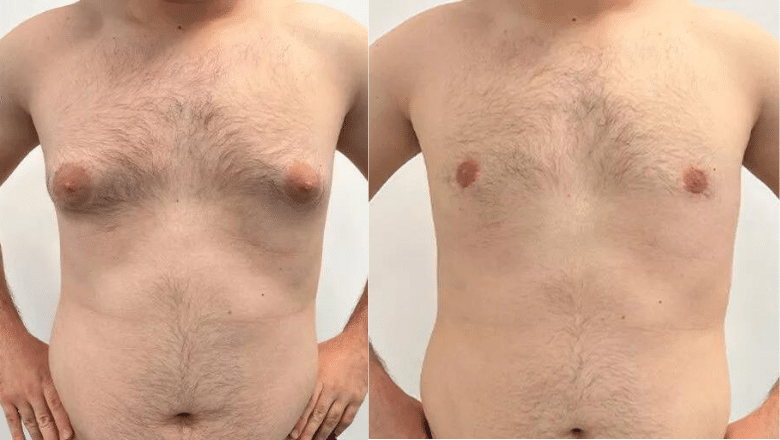
Gynecomastia London is a condition in which excessive glandular tissue develops beneath the nipples. It can affect one or both sides and may appear symmetrical or asymmetrical between both sides. The reduction in circulating levels of androgens with an increase in oestrogen is thought to be the most common underlying cause of the condition. However, several other causes may be responsible.
The most common clinical features of gynaecomastia affecting men include:
- Excessive glandular tissue leading to a swollen chest
- Hard lumps felt beneath the skin
- A feeling of tenderness when the chest is touched
- Pain which may affect certain activities
- Increased body mass index (BMI)
What Causes Gyno?
Gynecomastia most commonly develops from an underlying imbalance in hormones or may be caused by recreational drug use or certain medicines. The most common causes of gynecomastia affecting men in the UK include:
Hormonal imbalance
An underlying hormonal imbalance is most commonly responsible for the development of gynecomastia. Abnormalities in the levels of certain hormones, including male hormones or oestrogen, can occur at any point in life. Gynecomastia may first present itself when a baby boy is born, most commonly due to excessive levels of circulating oestrogen which pass from the mother. Gynecomastia next affects boys in their teenage years, often just before undergoing puberty, and this type also settles down within six months to a year without any treatment.
Puberty
As young men approach puberty, excess breast tissue may begin to form under the effects of substantial hormonal changes. Excess breast tissue caused by puberty is, in the vast majority of cases, entirely harmless and does not require surgical treatment.
Certain medications
Men may be taking several medications which may result in gynecomastia. Examples include epilepsy medications, antianxiety and antidepressant medications, drugs used for the treatment of cardiovascular disease, drugs used to treat peptic ulcers, and certain types of chemotherapy drugs. Many men may also take over-the-counter substances, such as herbal preparations and essential oil products that may cause gynecomastia, including lavender oil.
Medical causes
Several medical conditions can result in gynecomastia, including cancer of the pituitary gland, adrenal glands or testis. Certain types of lung cancer, as well as hyperactive thyroid, are recognised causes. Chronic medical conditions such as liver cirrhosis caused by excessive alcohol intake or cancer of the liver may also cause gynecomastia.
Recreational substance abuse
Many men may take anabolic steroids to promote muscle gain and augment the effects of weightlifting. Anabolic steroid use is strongly associated with the formation of ‘man boobs’. Excessive alcohol intake along with cannabis use are recognised causes of the condition.
How is Gynecomastia Different from Chest Fat?
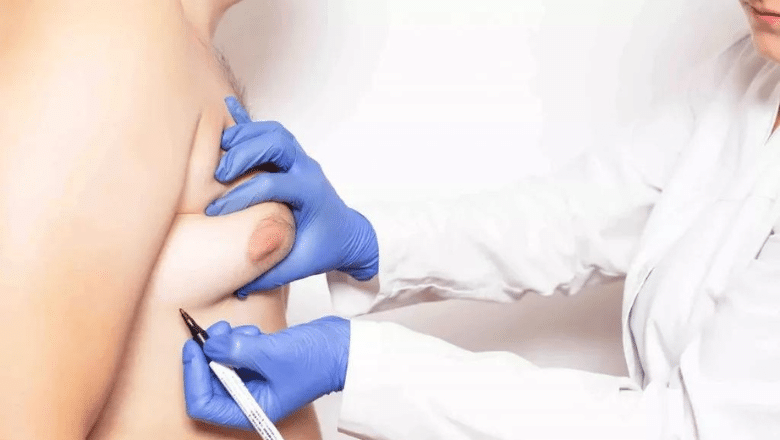
Gynecomastia stems from a hormonal imbalance leading to breast gland tissue growth. This condition may affect one or both breasts, sometimes unevenly, and can occur in males at any stage of life. It’s not typically linked to overall body weight, and physical exercises or weight loss regimens usually have little to no impact on reducing it. Chest fat, on the other hand, is an accumulation of adipose tissue in the chest area, typically associated with being overweight or obese, and can be addressed effectively through diet and exercise.
How do you tell if you have gyno or chest fat?
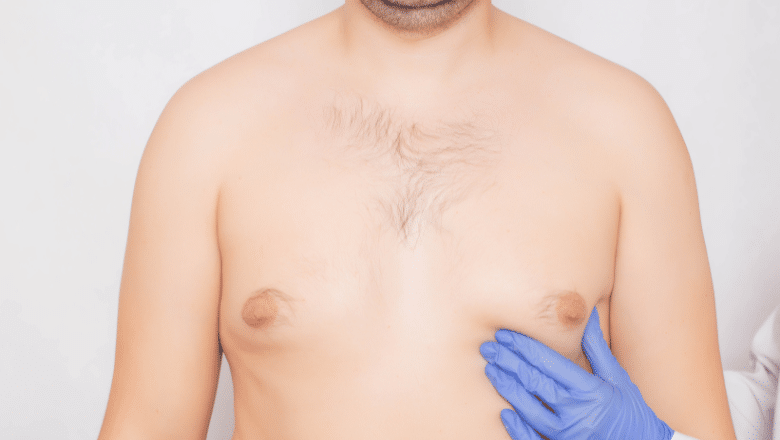
Gynecomastia is characterised by the enlargement of glandular breast tissue in males, resulting in a more feminine appearance. It often feels firm or rubbery, may be tender or painful, and can have a distinct shape resembling a woman’s breasts. Chest fat refers to excess adipose tissue in the chest area, typically feels soft to the touch similar to fat in other parts of the body, and may not have a well-defined shape. If you are concerned about the appearance of your chest, it is recommended to consult with a healthcare professional or a plastic surgeon for an accurate diagnosis and appropriate treatment plan.
Chest Fat vs Gynecomastia
Assessing symptoms is crucial in distinguishing between gynecomastia and chest fat. While the two conditions may appear similar, there are distinct differences to look out for:
Gynecomastia:
- Typically causes discomfort ranging from mild to significant, manifesting as pain or tenderness in the chest area.
- The texture of the chest tends to be firm, perhaps feeling rubbery or hard beneath the skin. A discernible lump might also be present.
- The shape of the chest is often rounded and proportionate, somewhat resembling female breasts.
- Weight loss might not result in a notable reduction in the size of the chest, even after shedding a considerable amount of weight.
Chest Fat:
- Chest fat is far less likely to induce pain or tenderness.
- The texture of the chest is soft to the touch, similar to fat in other parts of the body.
- Unlike gynecomastia, chest fat may not have a distinct shape, often appearing saggy or droopy.
- Weight loss should lead to at least some reduction in the size of the pectoral region if chest fat is present.
How To Get Rid of Gyno?
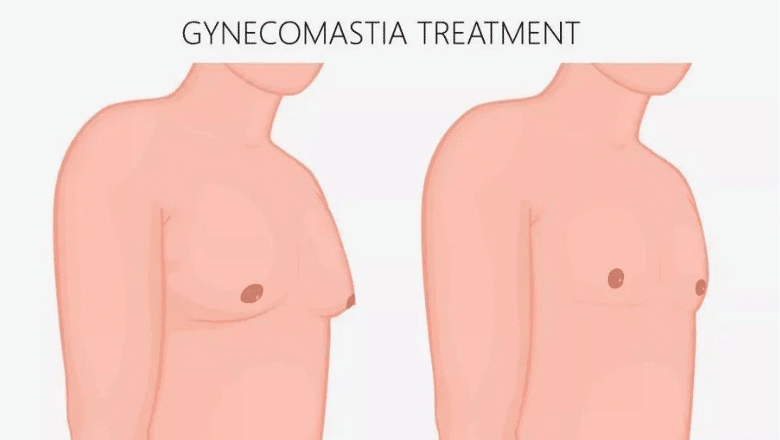
Addressing gynecomastia can sometimes be as simple as making lifestyle changes or waiting for the condition to resolve itself naturally. However, male chest reduction is typically required in most cases. Two common procedures employed for this purpose include breast liposuction and excision surgery.
Liposuction
Chest liposuction is aimed at removing stubborn fat tissue that doesn’t respond to diet and exercise. A surgeon will use a hollow stainless steel tube, known as a cannula, to carry out this process. The cannula is inserted through minor incisions in the skin, and the excess fat is suctioned out.

Gland Excision Surgery
In cases where excess glandular tissue or skin is causing an unwanted feminine breast-like appearance, a specialist surgeon may propose an excision surgery. This procedure involves removing superfluous glandular tissues and skin around the breast through a peri-areolar incision, i.e., an incision made around the nipple-areola complex. After gland removal, the nipple-areola complex may be repositioned, giving the chest a more masculine and well-defined look.
RELATED: Recovery after Gynecomastia Surgery – Top Tips & Timeline
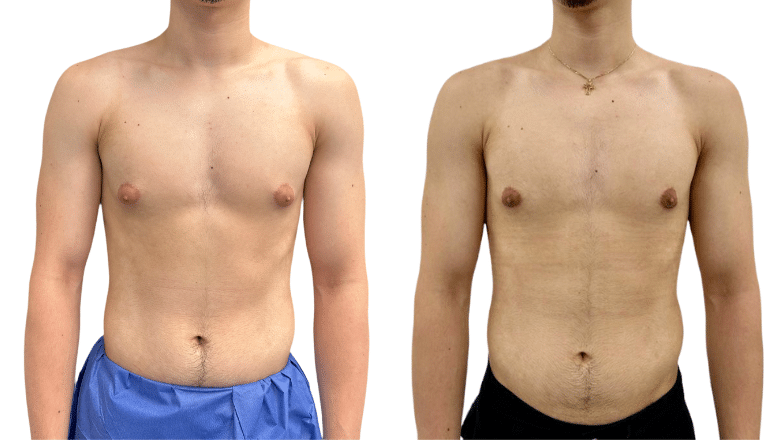
Gyno Surgery Before & After Photos
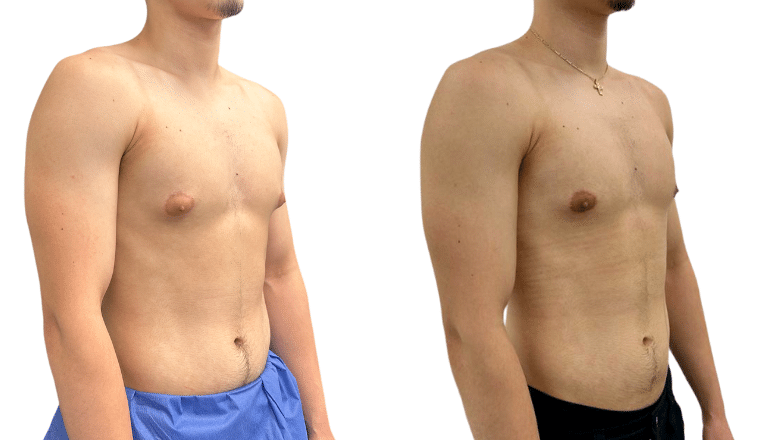
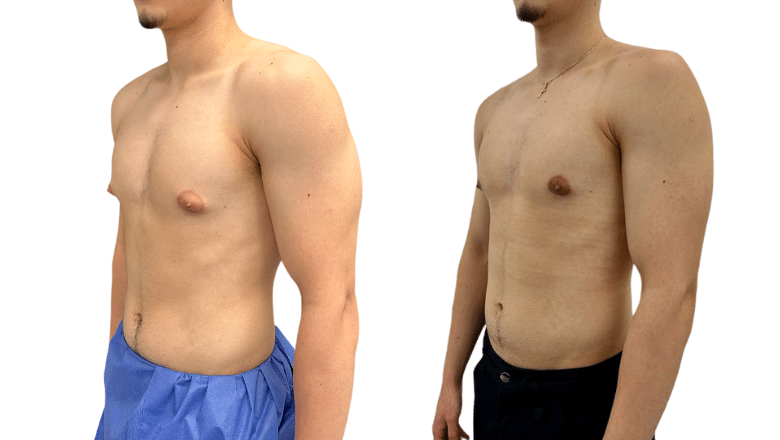

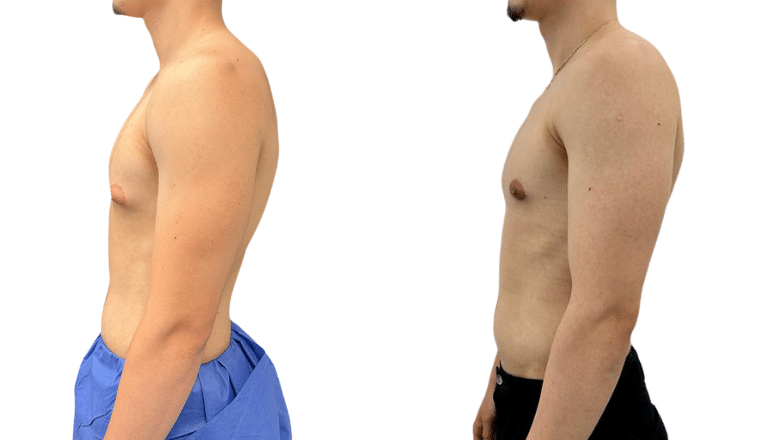
What Are the Benefits of Gyno Removal Surgery?
Gynecomastia surgery offers a multitude of benefits including achieving a masculine chest contour, restoring symmetry for aesthetic balance, reclaiming self-esteem and confidence, enhancing quality of life, eliminating discomfort during physical activities, and alleviating skin irritation and health concerns.
RELATED: The Transformative Effects of Gynecomastia Surgery
How Much Does a Gyno Removal Surgery Cost?
Gynaecomastia surgery, commonly referred to as male breast reduction, represents a significant step towards achieving a more contoured and masculine chest. At Centre for Surgery in London, the cost of gyno surgery UK begins at a starting price of £5000. This figure is an inclusive package covering the professional fees for the surgeon, the anaesthetic costs, charges associated with the use of our state-of-the-art facilities, and the comprehensive post-operative care. The final cost can vary based on the complexity of the case or the necessity for additional interventions, such as liposuction. We encourage a consultation with our seasoned surgeons, who can offer a detailed breakdown of costs and a personalised course of action.
How to Lose Chest Fat Naturally
Losing chest fat primarily requires a holistic approach focusing on overall weight reduction, as spot reduction (losing fat from one specific area) is not possible. This involves adopting a healthier lifestyle, a balanced diet and regular exercise.
While gyno surgery is a definitive solution, tweaking your lifestyle, especially your diet and exercise routine, can play a supportive role in managing the condition. To promote hormonal health, consider incorporating omega-3 fatty acids, zinc, vitamin E and D, milk thistle seeds, and anti-inflammatory foods. On the flip side, reduce the consumption of soy products, processed and fried foods, and frozen foods. For exercise, activities like cardio workouts, full-body workouts with an upper body focus, and chest-specific exercises like bench presses and push-ups can help.
RELATED: Can You Get Rid of Gynecomastia with Exercise?
FAQs – Gyno Surgery vs Chest Fat

How Can You Distinguish Between Gynaecomastia and Chest Fat?
Gynaecomastia is identified by the presence of firm, glandular tissue located beneath the nipple area. This tissue can sometimes be tender to the touch and may present itself in either one or both breasts. Chest fat exhibits a softer, more diffuse quality and is typically distributed more evenly across the chest area, lacking the firm, localised presence characteristic of glandular tissue.
Does Gynecomastia Necessarily Affect Both Breasts?
Gynecomastia does not invariably impact both breasts. The condition can manifest as either unilateral (affecting one breast) or bilateral (affecting both breasts), with the degree of enlargement potentially differing between the two.
Does gyno go away naturally?
When gyno emerges during puberty, it’s not uncommon for it to dissipate naturally over time. However, persistent gyno that remains from adolescence into adulthood or develops anew in adult life is less likely to retreat on its own and may necessitate medical or surgical measures.
RELATED: Does Gynecomastia Go Away?
Can I get rid of gynecomastia by losing weight?
In men with true gynecomastia or glandular enlargement due to an underlying hormonal imbalance or recreational substance use, fat reduction with diet and exercise will not treat the problem effectively. True gynecomastia with excess glandular tissue can only be improved using a surgical excision technique with male breast reduction surgery.
RELATED: How can you get rid of gynecomastia without surgery?
Does gynecomastia always affect both breasts?
Gynaecomastia can also affect only one side, although most men commonly develop the condition in both breasts.
How common is gyno?
Gynecomastia is not an uncommon condition among males and spans across all ages with varying degrees of prevalence. During puberty, estimates suggest that up to 70% of adolescent boys experience some form of gyno. The incidence continues to be significant in adulthood, often attributed to hormonal imbalances, the side effects of certain medications, and underlying health issues.
RELATED: How common is gynecomastia?
Are Male Breast Reduction Results Permanent?
Male breast reduction results are typically long-lasting for the majority of patients, but there are circumstances where a second surgery might be needed to address complications or to fine-tune results. Adherence to a healthy lifestyle is crucial after the procedure. Factors such as considerable weight gain, steroid use, or certain medical conditions can potentially lead to a resurgence of gynecomastia.
RELATED: Is Gynecomastia Surgery Worth It?
Can I get rid of gyno by losing weight?
For individuals whose gyno is predominantly linked to excess fatty tissue, weight loss may yield noticeable improvements. However, gyno which stems from the development of glandular breast tissue requires more direct surgical interventions for removal.
What Strategies Can Help Reduce Chest Fat in 10 Days for Males?
Initiating a calorie-restricted diet, complementing dietary changes with high-intensity interval training (HIIT) and targeted strength training exercises, maintaining adequate hydration, and ensuring sufficient rest and quality sleep can all contribute to kickstarting the fat reduction process.
Gyno Removal Surgery in London: Discover Excellence at Centre for Surgery
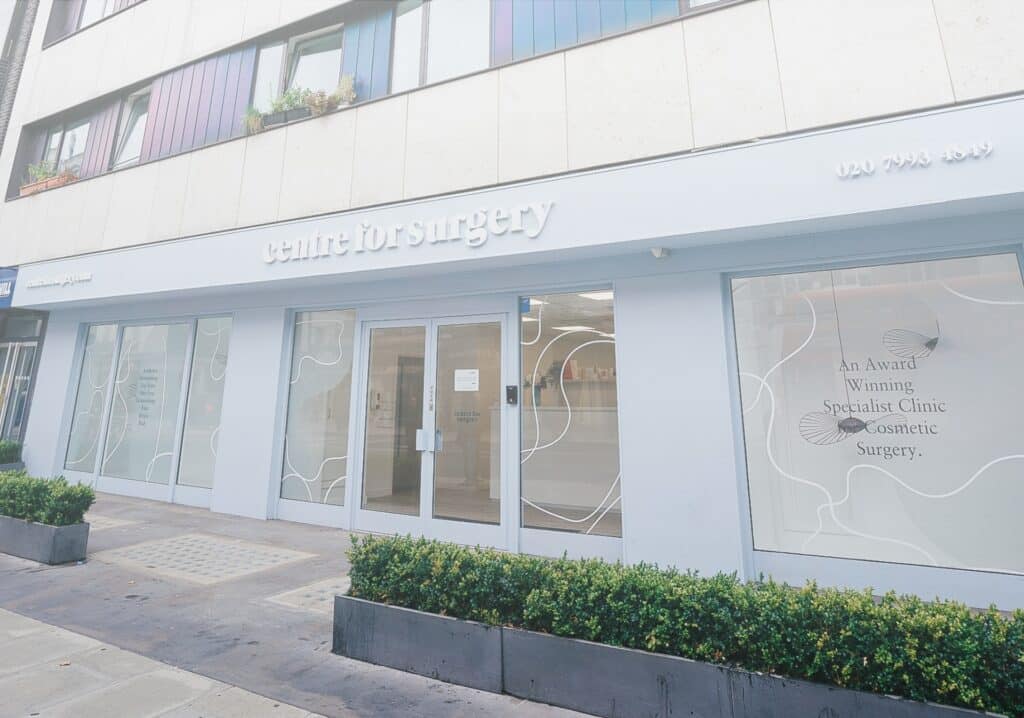
At Centre for Surgery in London, we stand at the forefront of providing specialised, patient-centred care for men looking to enhance their physical appearance and boost their confidence. Our state-of-the-art facilities, coupled with our team of experienced surgeons, ensure that each patient receives the highest standard of care from consultation through to recovery.
To book your consultation: 📞 0207 993 4849 | 📧 contact@centreforsurgery.com | 📍 95-97 Baker Street, London W1U 6RN
For more information visit our About Us page, explore finance options, read our Plastic Surgery Blog, visit our Clinic FAQs, or discover our Baker Street Clinic.
[contact-form-7 id=”256″ title=”Treatments form”]