
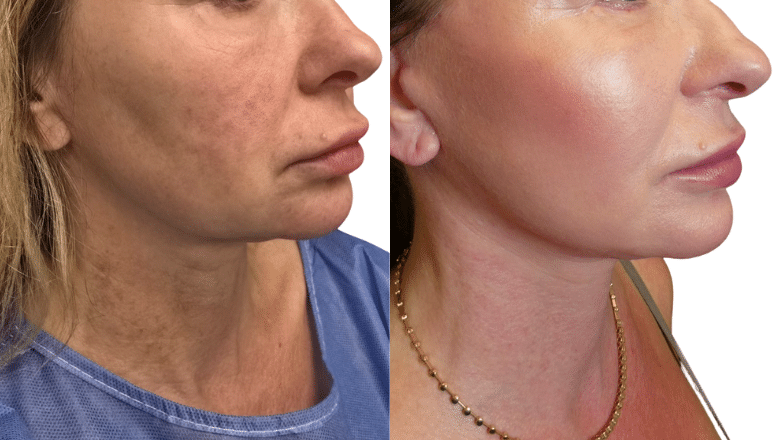
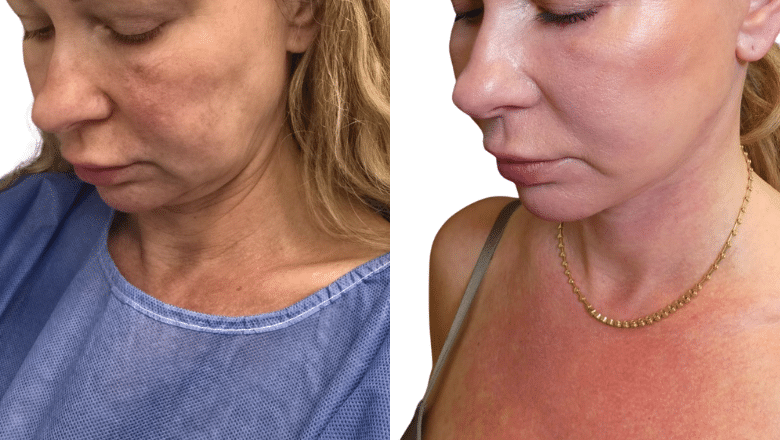
Neck lift surgery is designed to address the signs of ageing in the neck by removing excess, saggy skin. Most types of neck lifts also involve removing excess fat, which may exacerbate neck sagging. A neck lift procedure can help make the neck look more defined and tighter, creating a contoured appearance. Many people combine a neck lift with facelift surgery to achieve a well-defined lower face and neck contour by removing jowls. This helps to achieve an enhanced jawline for a more youthful appearance.
Our surgeons have years of experience in all types of surgical neck lifts in London. Achieving the best neck lift results depends on following your surgeon’s preoperative and postoperative instructions, which will help ensure a smooth recovery with minimal risk of complications.
RELATED: What is a non-surgical neck lift?
How to prepare for a neck lift to ensure a smooth recovery
Before the day of your surgery, there are certain things you should do to help make your recovery period as smooth as possible after neck lift surgery.
Prepare a bag with all the essentials.
Preparing for a neck lift can be helped by allocating a space in your home for rest and recovery, so you won’t need to run to the supermarket in the early post-procedure period. We would recommend preparing a bag containing all the essentials. Having plenty of reading materials and your favourite TV programmes set up for when you arrive home would be helpful.
Arrange for a responsible adult carer to look after you
We recommend having a friend or family member help look after you for the first 48 hours after surgery, as you will be tired and drowsy during this early period and should rest as much as possible. Having someone help around the house with household chores or childcare will enable you to focus on your recovery.
Top tips for the best recovery after neck lift surgery
A smooth neck lift recovery free of complications can be achieved by following the tips below.
Take your painkillers and antibiotics as directed by your surgeon.
Your surgeon will prescribe antibiotics to prevent wound infection and painkillers to manage discomfort after your procedure. You should take the medicines as directed by your surgeon and avoid over-the-counter medications. Certain over-the-counter medications, such as ibuprofen, may increase the risk of bleeding after the procedure and increase the risk of complications. Always check with your surgeon first before taking any over-the-counter preparations.
Use cold packs to reduce swelling and bruising.
Cold or ice packs should be applied for the first three days after neck lift surgery to help reduce localised swelling and bruising. Cold packs should be used for no more than 15 minutes at a time, with 15-minute breaks. Excessive application of cold packs may increase the risk of skin injury. It is normal to experience numbness during the first few weeks after surgery, and you should be especially vigilant to avoid excessive exposure times of the cold pack against the skin.
Drink plenty of water.
It is very important to drink plenty of water, at least 2 L a day, to help reduce surgical swelling and help scars heal effectively. Dehydration may impair wound healing and lead to excessive scarring.
Avoid getting your dressings wet during the first 48 hours
You should avoid showers or baths for at least 48 hours after surgery. Showers or baths with hot water should be avoided for at least four weeks, as this can increase surgical swelling.
Do not expose your incisions to strong sunlight.
Excessive sun exposure can lead to hyperpigmentation of healing incisions, resulting in unsightly scarring. You should minimise the amount of time spent outdoors, and if you do go outside, make sure to wear protective clothing and plenty of sunscreen.
Attend all your postoperative follow-up appointments
Attend all of your postoperative review appointments, as this helps our nurses and your surgeon monitor your recovery. Regular follow-up appointments enable early detection of potential complications, and subsequent treatment is more effective when problems are identified early. Failing to attend your scheduled appointments may increase the risk of permanent adverse effects, including unsightly scarring or uneven results.
What are the best foods to eat during recovery after a neck lift?
Eating the right foods after neck lift surgery is crucial to your effective healing and helps minimise the risk of complications. Multivitamins containing zinc and vitamin C can be beneficial if you struggle to eat foods rich in these nutrients. We recommend eating whole-grain foods, fresh fruit and vegetables, and lean protein such as chicken, fish and eggs. Nuts, seeds and avocados are also very healthy sources of fat. These foods also have the advantage of being easy to prepare when you may feel tired due to recent surgery. Eating plenty of fibre and staying hydrated will help minimise the symptoms of constipation, which are common after any surgical procedure. You should also avoid certain foods, including fried, processed, and high-fat dairy products. This is because they can exacerbate information and impair your healing.
Neck lift recovery timeline – what to expect
Day 1
Make sure to rest plenty and avoid any significant physical activity. Make sure to apply cold packs to the neck area to help minimise swelling, bruising and discomfort.
Day 2
You should avoid getting your dressings wet and taking a shower or bath. Continue to take your prescribed medications as directed and get plenty of rest.
Day 3
You should avoid strenuous activity and maintain a healthy diet. Focus on relaxation exercises and ensure your compression garment is applied continuously.
Week 1
Most patients can return to a desk-based job once the bruising and swelling have subsided sufficiently. One week after surgery, you will have a post-operative checkup with a nurse to inspect the incisions and provide post-operative advice on when to start physical exercise and return to work.
Week 2
Patients can now engage in light exercise, such as walking in the park. The compression garment no longer needs to be worn continuously, but it should still be worn during the day and can be taken off if one wishes to go out in public.
Week 3-6
Most patients find that post-operative swelling has resolved. You will have a Surgeon appointment six weeks after your surgery to assess the initial results of your surgery. Virtually all patients can return to all their normal activities, including going to the gym.
RELATED: What do neck lift scars look like?
Symptoms to look out for after neck lift surgery
All types of surgery involve a risk of complications, and neck lift surgery is no different. Certain symptoms and signs you should be aware of during the recovery period may indicate a developing complication. If you experience any of the symptoms below, you should urgently arrange to see your surgeon for an accurate diagnosis, followed by the appropriate treatment.
- Bleeding and haematoma formation may require evacuation in the operating theatre.
- Wound infection: redness, swelling, localised warmth, and pain are features.
- Severe bruising that continues to worsen.
- Clinical features of deep vein thrombosis or pulmonary embolism include leg pain, chest pain and breathlessness.
Neck lift recovery FAQs
How long does swelling last after a neck lift?
Swelling is a common side effect of neck lift surgery and will be evident during the first week after surgery. Resting and avoiding vigorous exercise will allow most swelling to disappear by four weeks after neck lift surgery.
How long does tightness last after a neck lift?
Neck tightness and associated numbness are common side effects of neck lift surgery and are temporary. Most neck tightness will improve after 4 to 6 weeks, and numbness can be expected to improve up to 8 weeks after surgery.
Is my ability to swallow affected by having a neck lift?
Patients occasionally report a feeling of tightness around their neck, which is exacerbated when they attempt to swallow. This is an infrequent symptom that will improve over time, and neck lift surgery is not generally associated with swallowing problems.
Why should I wear the neck lift compression garment?
It is important to wear the neck compression garment as directed by your surgeon to help ensure the neck’s contours are maintained after surgery. The garment also helps to reduce the risk of seroma and haematoma. Continuously wearing your garment helps to achieve better results. Failing to wear the garment continuously may increase the risk of loose skin affecting the neck.
When can I shower after a neck lift?
As with any surgical procedure involving incisions, keeping neck lift incisions dry for a minimum of 48 hours after surgery is important. After this time, you may shower or bathe with lukewarm water. You should avoid hot water as this may increase swelling. A non-irritant mild shampoo should be used to avoid irritating the incisions.
Is a neck lift painful?
Neck lift surgery is performed under general anaesthesia, and your surgeon will inject local anaesthetic when you are asleep, which helps you to feel comfortable after the procedure. Taking the prescription painkillers as directed after your procedure will help minimise discomfort. Most patients, after a neck lift, report only mild discomfort, which disappears by the end of week one.
What is the best sleeping position after a neck lift?
Patients should sleep on their backs after neck lift surgery with the head elevated. This will help to avoid any stress on the incisions, which may increase the risk of wound breakdown. You should sleep on your back for the first four weeks after surgery. Depending on the type of neck lift procedure, your surgeon may allow you to sleep on your side after 2 weeks, but you should always check with your surgeon first.
When can I exercise after a neck lift?
Most types of physical exercise should be avoided for the first three weeks after surgery. You should take it easy during the first three days after surgery and avoid physical exercise. Light exercises may be carried out after week one, consisting of short walks. Regular exercise can be resumed after week six once your surgeon clears you, although you should continue to avoid lifting heavy objects.
Is massage useful for reducing bruising and swelling after a neck lift?
Massage can be beneficial after a neck lift to help reduce bruising and swelling. However, it should be taken very lightly to avoid worsening any swelling, which may affect surgical results. The massage technique should use only the fingertips, with no pressure applied to the skin.
Neck lift surgery at Centre for Surgery
Centre for Surgery is the leading cosmetic surgery clinic in London and works with some of the UK’s best plastic surgeons. Our surgeons are renowned for their extensive experience in neck lift surgery, whether performed alone or in combination with a facelift. We carry out over 100 facelift and neck lift procedures each year at our state-of-the-art Baker Street clinic in central London. Contact us today at 0207 993 4849 or complete the contact form below to schedule a consultation with an expert neck lift surgeon.
RELATED: How much does a neck lift cost?
[contact-form-7 id=”256″ title=”Treatments form”]