How to Treat Blepharoplasty Lumps After Eyelid Lift Surgery
The appearance of your eyelids plays a significant role in the overall aesthetics of your eyes. Saggy lower eyelids can create the impression of under-eye hollows and bags, while excessively thick upper eyelids may result in a hooded look. To address these concerns, you may opt for blepharoplasty, also known as eyelid surgery.
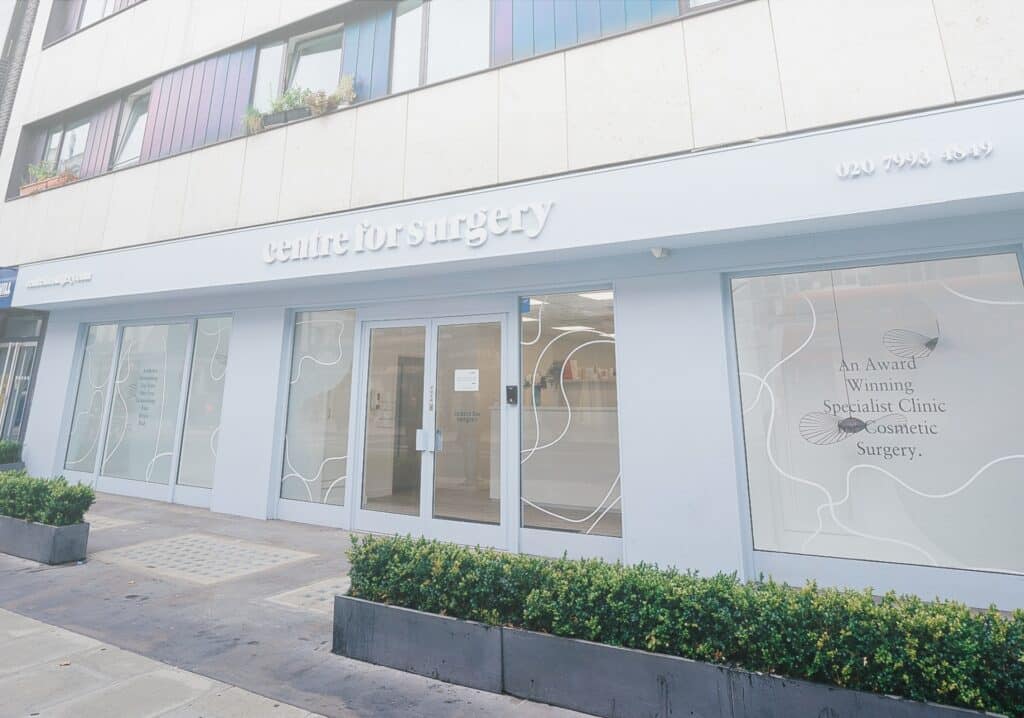
Centre for Surgery is a leading plastic surgery clinic in the UK, specialising in eyelid lift surgery. Our surgeons possess extensive knowledge of facial anatomy and utilise various surgical and non-surgical techniques to help patients achieve their desired appearance.
RELATED: Eyelid Surgery FAQs – Q&A about Blepharoplasty
What is Blepharoplasty?
A blepharoplasty procedure is a cosmetic surgery that removes excess skin from the upper and/or lower eyelids, aiming to rejuvenate the appearance and eliminate a tired look from the eyes. The development of excess, saggy skin is mainly due to the natural ageing process.
As we age, the levels of elastin and collagen in our bodies decrease, leading to a loss of skin structure and elasticity. This effect is particularly pronounced in the delicate skin around the eyes and neck, which are often the first areas to show signs of ageing.
Who is a Suitable Candidate for a Blepharoplasty Procedure?
There are several primary reasons individuals choose to undergo a blepharoplasty procedure, including:
- Excess skin on the upper eyelids is causing restricted peripheral vision
- Excess skin on the lower eyelids
- Under-eye bags
An ideal candidate for a blepharoplasty procedure is someone experiencing one or more of these issues. In addition, there are other criteria that an ideal candidate should meet, such as:
- Being in good physical and mental health
- Being a non-smoker, or willing to quit smoking at least six weeks before the surgery
- Being aware of the potential complications of the procedure
- Opting for the surgery based on personal reasons and not merely to conform to a trend
Ensuring that you meet these criteria increases the likelihood of a successful blepharoplasty procedure, which can help you achieve a more youthful and refreshed appearance.
Benefits of Blepharoplasty
Blepharoplasty offers numerous medical, aesthetic, and psychological benefits. Individuals who are unhappy with their saggy eyelids or eye bags may experience diminished self-confidence, which can negatively impact their personal lives and social interactions.
Undergoing eyelid surgery can significantly boost self-esteem, helping them feel more confident in their appearance. This newfound confidence often translates to a more active social life and improved personal relationships.
Eye bags typically develop due to a decrease in elastin and collagen levels in the skin, resulting in a loss of elasticity and firmness. This issue is exacerbated by weakened muscles surrounding the eyes, leading to discomfort or even pain.
Additionally, saggy eyelids or eye bags can impair vision, particularly peripheral vision. Obstructed views from the sides can make it challenging to see clearly. Extremely hooded eyelids may also detract from the overall aesthetic appeal of the eyes.
Lumps and Bumps Following a Blepharoplasty Procedure
It is not uncommon to notice lumps and bumps after a blepharoplasty procedure. The skin on the eyelids is relatively thin, making even the smallest irregularities more visible. There are several reasons behind the appearance of these bumps, including:
- Normal healing process: In some cases, lumps and bumps are a normal part of the healing process after surgery. They may resolve on their own over time as the tissues heal and swelling subsides.
- Sutures: Lumps may form around the sutures used during surgery. These usually resolve as the sutures dissolve or are removed.
- Scar tissue: The formation of scar tissue can also lead to bumps, especially if the scarring is more pronounced in some areas than others.
- Haematoma or seroma: Accumulation of blood or fluid underneath the skin can cause lumps. These may require drainage or other medical intervention.
- Infection: In rare cases, an infection can cause swelling and bumps at the surgical site.
If you notice a lump or bump on your eyelid after blepharoplasty, it is crucial to consult your plastic surgeon. Do not attempt to pop or poke the bump, as this can exacerbate the issue and, in some cases, negatively impact your surgical results.
RELATED: Eyelid Lumps and Bumps
While many bumps may resolve on their own as part of the natural healing process, some may require medical intervention to address underlying issues. Always follow your surgeon’s advice and post-operative care instructions to ensure the best possible outcome from your blepharoplasty procedure.
RELATED: Recovery After Eyelid Surgery – Top Tips
What Leads to Lumps Following Blepharoplasty?
The primary reason for a bump emerging after a blepharoplasty procedure is the development of scar tissue. It’s crucial to note that the incision scar may initially appear worse, often resembling a raised, red bump before it starts to heal. Such bumps typically do not require any specific care or treatment. Your surgeon will provide you with guidelines for incision care before you leave our Baker Street clinic.
As the scar heals, the bump will also heal. However, the scar might take up to four months to heal entirely. During this period, you can aid the healing process by moisturising daily to help soften the scar.
Once the incision has fully healed, a keloid—an excessive growth of scar tissue after the incision—may develop. While these can be unappealing and may necessitate revision surgery for removal, they are a rare complication of eyelid surgery.
Other potential causes for bumps include:
- Sutures utilised during the procedure
- Adverse reactions to the healing gel applied
- Microorganism growth
- Accumulation of foreign substances due to the ointments used
Types of Eyelid Lumps
The lumps that may develop after a blepharoplasty procedure can be categorised based on their underlying cause. As previously mentioned, there are various reasons for these lumps to form. The different types of lumps include:
Haematoma
This refers to an accumulation of blood, which is a typical reaction after any surgical procedure, not just blepharoplasty.
Seroma
This occurs when fluid accumulates around the incision site and is a common reaction after most surgical procedures.
Stye or chalazion
A blocked oil gland causes this type of lump. It is prevalent among those who have never had eye surgery, and often, antibiotic eye drops alone are sufficient for treating the condition.
Fat nodule
This kind of bump occurs under two circumstances. First, it happens after eyelid surgery only if you have had fat grafted into the area. Secondly, it can occur if you have high cholesterol; these kinds of bumps can form even in those who have not undergone eye surgery.
Abscess or other forms of bacterial infection
Infection at the incision site is the most common complication of all surgical procedures. When a bacterial infection progresses into an abscess, it typically appears as a bump, often accompanied by pus.
Management of Lumps after Blepharoplasty
The treatment for lumps depends on their specific cause. As previously mentioned, if the lump is due to scar tissue, moisturising and massaging the area can be sufficient for proper treatment. A moisturiser will soften the scar tissue, making it easier for the lump to dissolve completely.
Before massaging the scar tissue, wait until the sutures have been removed and the scab has fallen off. Then, massage the area in circular motions using the soft parts of your fingers.
Other treatment options based on the cause of the lumps include:
-
- Haematoma: Applying a dissolving gel can help eliminate the haematoma. Massaging the area to improve circulation may also be helpful.
- Seroma: Proper massage can help reduce fluid accumulation in a seroma.
- Stye: A stye can be treated with antibiotic eye drops or, in some cases, surgically excised.
- Fat nodule: A fat nodule usually needs to be surgically removed. Prompt treatment is necessary to prevent any complications.
- Abscess: An abscess should be drained for optimal results, followed by a course of antibiotics to ensure the bacterial infection is completely eradicated. If not drained properly, the infection can recur and lead to further complications.
FAQs about Blepharoplasty Lumps
How long do bumps last after eyelid surgery?
The duration of bumps after eyelid surgery depends on their cause. In most cases, bumps related to scar tissue and swelling will resolve within a few weeks to a few months. However, if the bumps are caused by other factors, such as infection or fat nodules, the duration may vary depending on the treatment provided.
How do you get rid of lumps after blepharoplasty?
The treatment for lumps after blepharoplasty depends on their specific cause. Massaging and moisturising the area can help with scar tissue-related lumps. For other causes, such as haematoma, seroma, stye, fat nodule, or abscess, the treatment varies and may include dissolving gels, massage, antibiotics, or surgical intervention.
How do you massage scar tissue after blepharoplasty?
Wait until sutures are removed and the scab has fallen off before massaging the scar tissue. Use the soft parts of your fingers and gently massage the area in circular motions. This can help soften the scar tissue and promote healing.
Can you get keloids from blepharoplasty?
Keloids are a rare complication of eyelid surgery, but they can sometimes occur. They are excessive scar growth after the incision has healed and may require revisional surgery for removal.
Does massaging a seroma help?
Massaging a seroma can help disperse fluid accumulation and promote its absorption by the body. However, further intervention, such as needle aspiration or surgical drainage, may be required in some cases if the seroma doesn’t resolve with massage alone. It’s crucial to consult your surgeon for proper guidance and management of a seroma after blepharoplasty.
Are you awake during blepharoplasty?
Blepharoplasty can be performed under local anaesthesia with sedation or general anaesthesia, depending on the extent of the surgery and patient preference. If the procedure is done under local anaesthesia with sedation, you will be awake but drowsy and comfortable during the surgery. In general anaesthesia cases, you will be fully asleep and unaware of the procedure. Your surgeon will discuss the best anaesthesia option for you during the consultation.
Call us to book a consultation at Centre for Surgery today
To book a consultation at Centre for Surgery, please call us today on 0207 993 4849. Our dedicated team of professionals is eager to assist you in scheduling your appointment and address any questions you may have. Experience the difference in care and results that Centre for Surgery offers. We look forward to helping you achieve your aesthetic goals.
[contact-form-7 id=”256″ title=”Treatments form”]