
What is Vaginal Laxity?
At Centre for Surgery, we are dedicated to providing expert care in the field of cosmetic gynaecology, with a special focus on diagnosing and treating vulvar and vaginal conditions. A significant number of women experience vaginal laxity, commonly referred to as a loosening of the vagina. This condition often goes unspoken due to societal stigmas attached to discussing such intimate health issues, leaving many women to silently endure the discomfort and challenges it brings.
Vaginal laxity is far from being a rare issue; it is a condition that affects a majority of women at some stage in their lives. Its implications extend beyond mere cosmetic concerns. The loosening of vaginal tissues can lead to a decrease in sexual satisfaction and can adversely affect the functions of the bladder and bowels. This not only impacts physical health but can also lead to lowered self-esteem and a diminished quality of life.
The good news is that there are effective solutions available. Through a range of vaginal tightening treatments and procedures, it is possible to address this issue. These treatments are designed not just to restore physical well-being but also to help women regain their confidence and improve their overall lifestyle. At Centre for Surgery, we are committed to guiding our patients towards a path of improved health and well-being, empowering them to overcome the challenges of vaginal laxity.
Causes of Vaginal Laxity
Vaginal laxity, or the loosening of vaginal tissues, is a prevalent condition with several underlying causes. One of the primary causes is the trauma experienced during childbirth. Statistically, approximately 20% of new mothers experience some degree of vaginal laxity three months after giving birth. Notably, for about 15% of these women, this condition persists even after a year. The reason for this postpartum laxity is primarily attributed to the stretching of vaginal tissues during childbirth.
RELATED: The Emotional Impact of Vaginal Looseness
However, childbirth is not the only cause. Many women experience vaginal laxity as a result of pelvic floor disorders. These disorders, which affect the group of muscles that support the pelvic organs, can lead to a feeling of looseness and discomfort.
Ageing is another significant factor contributing to vaginal laxity. Post-menopausal women often experience various bodily changes due to hormonal shifts, particularly a reduction in oestrogen levels. This decrease in oestrogen can lead to a reduction in the elasticity of the vaginal lining, contributing to a sensation of looseness. This aspect of ageing is a natural process, but it can have a profound impact on a woman’s quality of life.
Understanding these causes is crucial for addressing the issue effectively. With this knowledge, women can seek appropriate treatments and procedures to help manage and improve the condition of vaginal laxity, thereby enhancing their overall well-being and comfort.
Exploring Vaginal Tightening Solutions: Tailored Treatments for Enhanced Well-being
When it comes to addressing vaginal laxity, there is a spectrum of treatment options available, each designed to restore elasticity and improve comfort. The key to choosing the right treatment lies in understanding the unique aspects of each case. This is where professional medical care becomes essential. By consulting with specialists experienced in treating vaginal and vulvar disorders, you can ensure a thorough examination and accurate identification of the causes of laxity. This leads to the development of a personalised vaginal tightening treatment plan, specifically tailored to meet your individual needs.
RELATED: Why Does Vaginal Loosening Occur and What Can be Done About it?
The available treatments for vaginal tightening vary, and they include:
Laser Vaginal Tightening
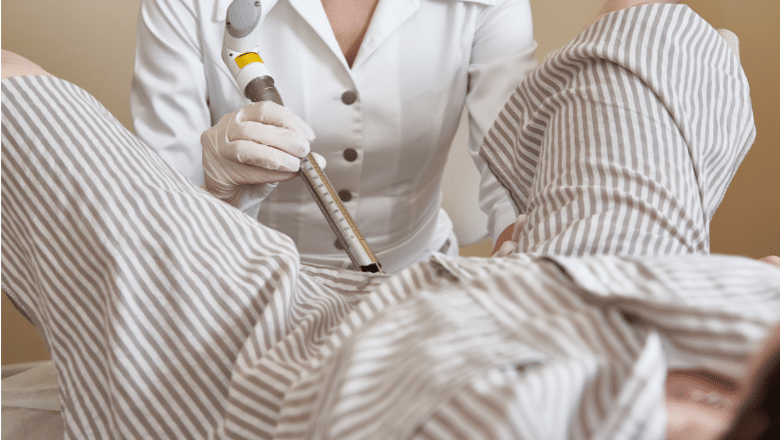
Laser vaginal tightening is a cutting-edge treatment option offered by our specialists for addressing mild cases of vaginal laxity. This method stands out as it does not involve surgery and requires minimal downtime, making it a convenient choice for many women. It is an outpatient procedure, meaning you can return home the same day after the treatment.
RELATED: 4 Reasons to Consider Vaginal Rejuvenation
This technique is not a single-session solution but rather a process that involves multiple sessions. The exact number of sessions needed varies depending on individual requirements and the extent of laxity. Despite this, a significant number of women report successful outcomes from this treatment.
The procedure of laser vaginal tightening is executed using the advanced Fotona SMOOTH technology. This technology enables the precise delivery of laser energy, which is key to the effectiveness of the treatment. The process involves the use of specialized equipment that emits energy to stimulate the vaginal tissue. This stimulation leads to the thickening of the tissue, enhancing its firmness and elasticity.
The laser energy works by encouraging the body’s natural regenerative processes. It triggers the production of collagen and elastin, two vital proteins that contribute to the strength and elasticity of the skin and connective tissues. Additionally, the laser stimulates the growth of new blood vessels, which enhances the overall health and function of the vaginal tissue.
Vaginal Tightening Surgery and Pelvic Floor Repair
In cases of more pronounced vaginal laxity, surgical techniques offer a comprehensive solution. These procedures are designed to repair and reconstruct the damaged muscles and connective tissues, providing a more extensive treatment than non-surgical options. While these surgeries may require a recovery period, they are often highly effective, delivering impressive results without the need for multiple repeat sessions.
At the Centre for Surgery, we utilise advanced anaesthetic protocols that allow these operations to be performed under lighter forms of general anaesthesia. This approach enhances patient comfort and safety during the procedure.
The primary surgical method for addressing vaginal laxity is vaginoplasty. This procedure focuses on tightening the muscles within the vagina. It not only restores the tightness but can also repair the pelvic floor and vaginal walls, addressing multiple issues in one procedure. Many women opt to combine vaginoplasty with other cosmetic surgeries, such as labiaplasty or clitoral hood reduction, to achieve comprehensive rejuvenation and aesthetic enhancement.
Hormonal Treatment
Hormonal treatment offers a tailored solution for women experiencing vaginal laxity as a result of menopause or other hormonal imbalances. This treatment is designed to elevate estrogen levels, which play a crucial role in maintaining the health and elasticity of vaginal tissues.
The primary goal of hormonal treatment is to increase the body’s production of elastin and collagen. These proteins are essential for the structural integrity and elasticity of the vaginal walls. By boosting estrogen levels, the treatment helps thicken the tissue lining the vaginal walls, thereby addressing the issue of laxity.
In addition to tightening the vaginal tissues, hormonal treatments can also alleviate other symptoms associated with menopause. One of the notable benefits includes the increase in natural lubrication, which can significantly reduce vaginal dryness and discomfort – common concerns during the menopausal transition.
The administration of hormonal treatments varies, with options including oral hormones, topical applications, and pessaries. Each method has its own advantages and suitability depending on individual needs and medical advice. Oral hormones are ingested and work systemically, while topical products are applied directly to the affected area for localised treatment. Pessaries are inserted into the vagina, offering a more direct application of hormones to the vaginal tissues.
Pelvic Floor Therapy
Pelvic floor therapy is a significant and effective approach for achieving vaginal tightening, particularly by focusing on the pelvic floor muscles surrounding the vagina. The sensation of tightness, especially noted during sexual activities, is largely dependent on the condition of these muscles. Factors such as pelvic floor disorders, childbirth, and the natural ageing process can lead to the weakening of these muscles, impacting both tightness and overall pelvic health.
The central aim of pelvic floor therapy is to strengthen these crucial muscles, leading to improved vaginal tightness. This therapy encompasses a variety of guided exercises specifically designed to enhance the strength and function of the pelvic floor. Regular engagement in these exercises can result in noticeable improvements in vaginal tightness and a more robust pelvic floor over time.
In addition to exercises, pelvic floor therapy may include a range of other techniques and tools to aid in strengthening and rehabilitation. These can include stretches that target the pelvic area, electrical stimulation to activate and strengthen the muscles, and biofeedback devices. Biofeedback devices are particularly useful as they provide real-time feedback on the performance of pelvic floor muscles, enabling more effective and targeted exercise routines.
Vaginal Tightening Options at Centre for Surgery: Personalised Care and Expertise
At Centre for Surgery, we specialise in providing a range of vaginal tightening options, tailored to meet the unique needs of each patient. Our team of experts is committed to offering the highest standard of care, ensuring a comfortable and confidential experience.
Patient Testimonials:
- “After my treatment at Centre for Surgery, I felt a renewed sense of confidence. The care and attention I received were exceptional, and the results have truly changed my life.” – Emma H.
- “The professionalism and expertise at the clinic were evident from my first consultation. My vaginoplasty procedure went smoothly, and I am thrilled with the outcome.” – Sarah J.
- “Choosing the Centre for Surgery for my laser vaginal tightening was the best decision I made. The staff were supportive, and the results exceeded my expectations.” – Rachel L.
Contact Details for Booking a Consultation: To explore your vaginal tightening options and book a consultation, please contact us at:
- 📞 Phone: 0207 993 4849
- 📧 Email: contact@centreforsurgery.com
- 📍 Address: 95-97 Baker Street, London W1U 6RN
Additional Resources:
- Learn more about us and our approach to patient care on our About Us page.
- Explore our Finance Options including 0% APR with Chrysalis Finance.
- For insights and updates on procedures, visit our Plastic Surgery Blog.
- Have questions? Find answers in our comprehensive Clinic FAQs.
- Discover more about our Baker Street Clinic.
At Centre for Surgery, we are dedicated to helping you achieve your desired results with the utmost care and expertise. Our range of vaginal tightening treatments is designed to cater to varying needs, ensuring you receive the best solution for you. Contact us today to begin your journey towards enhanced well-being and confidence.

[contact-form-7 id=”256″ title=”Treatments form”]