
Exploring the Gentle and Subtle Ponytail Facelift: A Modern Approach to Facial Rejuvenation
The ponytail facelift is a modern and less invasive alternative to a traditional facelift. This innovative procedure, also technically known as Rhytidectomy, is designed for those who seek a more conservative method of facial rejuvenation. The primary goal of this technique is to lift and reposition the facial tissues, aiming to achieve a subtle and natural-looking enhancement. This is akin to the effect one experiences when pulling their hair back into a ponytail.
RELATED: 6 Questions To Ask Before Getting A Facelift
What sets the ponytail facelift apart from traditional facelift methods is its minimal approach. It deliberately avoids the extensive incisions and significant skin removal commonly associated with classic facelift surgeries. This aspect makes the ponytail facelift an appealing option for individuals who wish to rejuvenate their facial appearance without committing to a major surgical procedure.
Centre for Surgery in London is a specialist cosmetic surgery clinic where this delicate and less aggressive facelift technique is expertly performed.
RELATED: What are the signs of ageing in the face over time?
What is a Ponytail Facelift?
The term “ponytail facelift” draws its inspiration from the taut and lifted effect one experiences when tying their hair into a ponytail. The procedure’s connection with the iconic hairstyle is further established by the strategic placement of incisions within the hairline. This plastic surgery technique provides a lasting solution, ensuring that the hair is not damaged. Its main aim is to lift the midface area, focusing on the cheeks, lower eyelids, and temples. The procedure involves discreet incisions hidden behind the hairline and the use of sutures to tighten facial tissues.
RELATED: What is the best age for a facelift?
RELATED: Are facelift results permanent?
During the surgery, an endoscope is often used, enabling a technique that results in a minimal scar while manipulating the tissues. It is important to note that the term “ponytail lift” is not an official medical designation. Therefore, discussing your expectations and desired results with your surgeon is vital to identify the procedure that best suits your needs.
RELATED: What Are My Options For A Facelift?
Benefits of a Ponytail Facelift: A Modern Approach to Facial Rejuvenation
The ponytail facelift is increasingly popular among individuals seeking a less invasive yet effective solution for facial rejuvenation. Benefits include:
Minimally Invasive with Short Scars
One of the ponytail facelift’s most significant benefits is the use of smaller incisions compared to traditional facelifts. This minimally invasive approach reduces the visibility of scars and diminishes the likelihood of complications commonly associated with larger incisions.
Natural-Looking Results
The procedure is designed to lift and reposition facial tissues in a way that provides a subtle, natural-looking enhancement, ensuring that the results don’t appear overly tight or unnatural.
Quicker Recovery Time
Patients undergoing a ponytail facelift typically experience a faster recovery period. Many are able to return to their regular activities within a week.
Reduced Downtime and Discomfort
Compared to more extensive facelift procedures, the ponytail facelift involves less swelling, bruising, and overall discomfort.
Ideal for Early Signs of Ageing
This facelift variant is particularly suitable for individuals exhibiting mild to moderate skin laxity.
Lower Complication Risks
As the ponytail facelift is less invasive, it inherently carries a lower risk of complications such as infections or nerve damage.
Concealed Incisions for Discreet Scarring
The incisions for this procedure are strategically placed within the hairline, significantly reducing the visibility of any scarring.
Enhanced Self-Confidence
Beyond the physical benefits, undergoing a ponytail facelift can significantly boost self-esteem and confidence. Patients often report feeling more youthful and vibrant post-procedure.
Am I Suitable for Ponytail Facelift Surgery?
The ponytail facelift is best suited for certain profiles based on health, skin condition, and personal expectations. Ideal candidates are in good overall health, exhibit mild to moderate facial sagging, have realistic expectations, and are non-smokers or willing to quit smoking. Older women in their 50s and above who have established jowls and sagging neck skin are not suitable patients for a ponytail facelift and will require a traditional face and neck lift, which could be a SMAS facelift or a deep plane facelift.
RELATED: Key Questions to Explore Before Deciding on Facelift Surgery
How Does a Ponytail Facelift Compare to Alternative Facelifts?
The Ponytail Facelift: A Modern Approach to Facial Rejuvenation
The ponytail facelift distinguishes itself from more traditional facelift techniques through its innovative use of smaller incisions and focus on subtler yet impactful enhancements. The recovery period is notably shorter, making it an attractive option. The ponytail facelift may not address more pronounced signs of ageing as effectively as its traditional counterparts.
Traditional Facelift: The Gold Standard for Dramatic Results
The traditional facelift offers a more extensive level of correction, particularly suitable for individuals with advanced signs of ageing, allowing for significant tightening of the skin and underlying muscles.
Deep Plane Facelift: The Ultimate Anti-Aging Procedure
The deep plane facelift represents the most invasive option, targeting deeper layers of facial tissue to address significant ageing signs including deep facial wrinkles, nasolabial folds, sunken cheeks, marionette lines, and considerable skin laxity.
RELATED: Facelift Surgery FAQs – Q&A about Rhytidectomy
Ponytail Facelift – The Surgical Approach
The ponytail facelift employs a combination of techniques to enhance the appearance while minimising visible scarring. The surgeon begins by making small, discreet incisions within the hairline, typically around the temples and, in some cases, behind the ears. Specialised sutures are then used to lift and reposition the facial tissues, with primary focus on the midface region. In certain cases, an endoscope may be utilised for greater precision. The surgeon then meticulously closes the incisions using sutures, adhesive tapes, or clips.
Recovery from a Ponytail Facelift: Healing, Pain Management, and Minimising Bruising
Timeline for Recovery
Patients are advised to take approximately two weeks off from work and daily activities. After the first two weeks, patients can gradually reintroduce their normal activities. Strenuous exercises or heavy lifting should be avoided for at least six weeks following the surgery.
Managing Pain
Post-operative pain is manageable with prescribed pain medication. Patients should follow the surgeon’s instructions regarding medication to control discomfort effectively, and avoid activities that might exacerbate pain or discomfort.
Reducing Bruising
In the immediate 48 hours following surgery, applying ice packs to the surgical site can significantly help reduce bruising and swelling. Patients should avoid activities that increase blood flow to the face. Bruising typically peaks around three to five days post-surgery and generally resolves within two weeks.
RELATED: Facelift Recovery – top tips
What are the Risks of a Ponytail Facelift?
Certain risks are associated with a ponytail lift, as with any surgery involving incisions. The risks that patients should be aware of include bleeding, infection, and wound breakdown. It is expected to experience bruising and swelling at the site of surgery and may be numb for up to 6 weeks after surgery.
How Much Does a Ponytail Facelift Cost?
The ponytail facelift has an estimated cost range between £5,500 and £7,500. This price range is considerably more affordable than the starting price of £10,000 for more extensive facelift procedures. The final cost can vary based on several factors, including the surgeon’s level of expertise, the complexity of the procedure, and any additional fees related to the surgery facility. Centre for Surgery offers a range of financing options with competitive interest rates and the flexibility to spread the cost of your surgery across monthly payments.
Ponytail Facelift FAQs

Why Is It Called a Ponytail Facelift?
The innovative term “ponytail facelift” is inspired by the technique’s effect of lifting and tightening the lower face and neck, mimicking the youthful and uplifting appearance one gets when pulling the hair back into a ponytail. It’s also dubbed a short scar facelift due to its minimal scarring characteristic.
What Is the Best Age for a Ponytail Facelift?
There isn’t a one-size-fits-all “best age” as the suitability largely depends on individual aging signs and skin conditions rather than age itself. The ponytail facelift is typically recommended for individuals showing mild to moderate ageing signs in the lower face and neck.
How Long Does the Ponytail Facelift Procedure Take?
The time it takes to complete a ponytail facelift can vary, but generally you can expect the surgery to last between one and one and a half hours.
What Happens During a Ponytail Lift?
A ponytail facelift is a surgical procedure performed under general anaesthesia. The surgeon begins by making an incision around the ears, starting from the temple area and extending to the back of the ear. This allows for the lifting and tightening of the skin and underlying muscles in the lower face and neck. Once the desired adjustments are made, the surgeon meticulously sutures the incisions and applies bandages to protect the surgical area. The entire process typically takes between one to two hours. Post-surgery, patients are advised to rest and avoid strenuous activities or heavy lifting for several weeks to facilitate proper healing.
Is a Ponytail Facelift Less Invasive Compared to a Traditional Facelift?
Yes, the ponytail facelift is considered to be less invasive than a traditional facelift. This modern approach focuses on specific areas of concern through smaller, strategically placed incisions, offering a reduction in scarring, decreased discomfort, and a quicker recovery period.
Will I Experience Pain During Recovery from a Ponytail Facelift?
While any surgical procedure can involve some discomfort, the ponytail facelift is generally well-tolerated with manageable pain levels. Your surgeon may prescribe pain medication to ease any discomfort in the days following the surgery. Most patients report that the majority of discomfort subsides within the first few days to weeks of recovery.
What Is the Recovery Time After a Ponytail Facelift?
Postoperative recovery typically requires about two weeks away from work or other regular activities. Patients should expect some pain, swelling, and bruising around the area of surgery in the initial days. Gradual resumption of light activities is recommended after the first week, but strenuous exercises or heavy lifting should be avoided for at least six weeks post-surgery.
How Long Will the Results of My Ponytail Facelift Last?
The rejuvenating effects of a ponytail facelift are designed to be long-lasting, offering an improved appearance for typically 5 to 10 years after the procedure. Adopting a healthy lifestyle that includes diligent skincare and sun protection can play a crucial role in extending the vitality of your facelift results.
Are the Results of a Ponytail Facelift Permanent?
The results of a ponytail facelift, while long-lasting, are not permanent. Natural ageing will continue, and the effects of the surgery will diminish over time. Maintaining a healthy lifestyle, protecting the skin from sun exposure, and proper skin care can help prolong the results.
Ponytail Facelift in London at Centre for Surgery
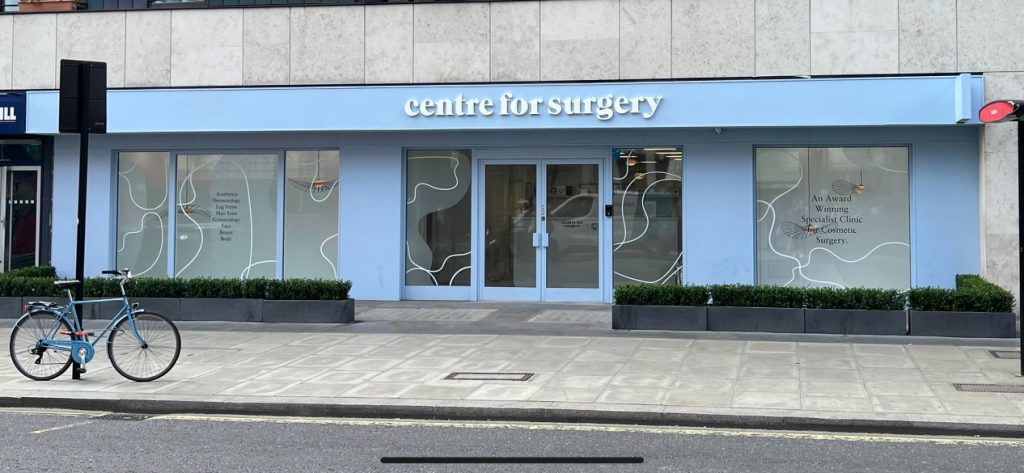
Centre for Surgery in London is at the forefront of innovative facial rejuvenation techniques, offering the sought-after ponytail facelift. Renowned for our commitment to patient care and surgical excellence, we provide personalised treatment plans tailored to each patient’s unique needs. Our state-of-the-art facility, located at 95-97 Baker Street, London, is equipped with the latest technology, ensuring a comfortable and safe experience for all our patients.
RELATED: Is a Facelift Worth It?
To book your consultation: 📞 0207 993 4849 | 📧 contact@centreforsurgery.com | 📍 95-97 Baker Street, London W1U 6RN
For more information visit our About Us page, explore finance options including 0% APR with Chrysalis Finance, read our plastic surgery blog, visit our Clinic FAQs, or discover our Baker Street Clinic.
[contact-form-7 id=”256″ title=”Treatments form”]