

Is FTM Top Surgery Painful?
Undergoing FTM top surgery marks a significant step for many transgender men. It represents a pivotal moment in their journey towards aligning their physical appearance with their true gender identity, bringing them closer to feeling at peace within their own skin. This transformative procedure is more than just a physical change; it’s a pathway to living authentically in the body that reflects one’s true self.
RELATED: 4 Things You Should Know Before Your FTM Mastectomy
However, as with any medical procedure, individuals considering this surgery often have numerous questions and concerns, particularly regarding discomfort and pain. How much pain is involved in the surgery? What is the recovery process like, and is it painful? How can any discomfort be effectively managed? These are typical inquiries we encounter at the Centre for Surgery, and we are always prepared to provide clarity and reassurance.
We recognise the profound emotional and physical significance of FTM top surgery. It’s a journey filled with anticipation and a wide range of emotions. That’s why our commitment at the Centre for Surgery extends beyond the procedure itself; we strive to make the entire experience as comfortable and supportive as possible. Before diving into the specifics about pain and recovery, let’s first explore what FTM top surgery entails and why it’s a crucial step for many in the transgender community.
RELATED: FTM Top Surgery FAQs
What is FTM top surgery?
Female-to-male (FTM) top surgery stands as a pivotal surgical intervention designed to remove breast tissue and reshape the chest area to present a more masculine appearance. This procedure is not only about physical transformation but also plays a crucial role in aligning individuals’ appearances with their gender identity, fostering a sense of congruence and well-being.
RELATED: How to Prepare for FTM Chest Surgery
FTM top surgery encompasses two primary techniques, tailored to meet the specific needs and starting points of each individual. These include:
Double Incision Mastectomy
This technique is best suited for individuals with medium to large-sized breasts. The procedure involves making two horizontal incisions across the chest, just above and below the pectoral muscles. Through these incisions, the breast tissue, along with the nipple, is carefully removed. Following the removal of necessary tissue, the nipple is resized and meticulously repositioned on the chest, ensuring the final appearance is masculine and harmonious with the patient’s body. This approach allows for significant reshaping and contouring of the chest, creating a flat, masculine chest profile.
Keyhole or Periareolar Mastectomy
Distinguished from the double incision method, the keyhole or periareolar mastectomy preserves the nipple in its original place. In this procedure, the removal of breast tissue is achieved through a small incision made around the bottom edge of the areola. This method is particularly effective for individuals with smaller breasts and less skin laxity, negating the need for excess skin removal. To support the healing process and ensure the chest skin adheres smoothly to the underlying tissues, drains are placed under each arm to collect any fluid that accumulates. This careful management of the healing process is crucial for achieving a firm, masculine chest contour.
Recovery and Pain Management After FTM Top Surgery
Following the transformative journey of female-to-male (FTM) top surgery, the focus shifts to the crucial period of recovery and healing. This phase is paramount in ensuring the best possible outcomes, both aesthetically and for the patient’s overall well-being. Understanding the recovery process and how pain is managed can significantly ease the transition into life after surgery.
RELATED: Recovery after FTM/N Top Surgery
After completing FTM top surgery, patients begin their recovery at home. A key component of this initial recovery phase is the use of a compression binder or surgical bra. This garment is not merely for comfort; it plays a vital role in supporting the newly contoured chest, maintaining everything in its proper place, and aiding the healing process. The compression binder helps reduce swelling, supports chest tissues as they heal, and ensures the skin adheres correctly to the underlying structures, all of which are critical for achieving the desired chest appearance.
Follow-up and Ongoing Care
Approximately 1 week after surgery, a follow-up appointment is scheduled with the surgeon. This visit is a crucial step in the recovery process, allowing the surgeon to evaluate the patient’s healing progress. It’s an opportunity to address any concerns and ensure that the recovery is proceeding as expected. During this appointment, the bandages are carefully removed, marking a significant milestone in the healing journey.
Following the removal of bandages, patients are instructed to begin a regimen of applying nipple dressings daily. This practice is essential for promoting optimal healing of the nipple area, especially if it has been resized or repositioned during surgery. These dressings provide a protective environment, reducing the risk of infection and aiding in the delicate process of nipple healing.
Pain Management Strategies
Pain management is a critical aspect of the recovery process. Patients are provided with detailed guidance on managing discomfort during this period. This typically includes the use of prescribed pain-relief medications, carefully selected to minimise discomfort while avoiding interference with the healing process. In addition to drugs, patients are advised on other pain management techniques, such as gentle movements to prevent stiffness, and the importance of rest and proper nutrition to support healing.
The recovery journey following Female-to-Male (FTM) top surgery is often met with apprehension, particularly concerning the level of pain involved. However, the experience of recovery and pain management might be more manageable than anticipated. Let’s delve into what patients can realistically expect during their recovery period, shedding light on the process and offering reassurance.
Contrary to common fears, the intensity of pain experienced during the recovery from FTM top surgery is often less severe than many expect. Key to a smooth recovery is adherence to the post-operative instructions provided by the surgeon. These guidelines are designed to minimise discomfort and accelerate healing. When pain management advice is followed — including the judicious use of pain relief medications prescribed by the surgeon — patients frequently report that pain is minimal and significantly subsides within the first few days post-surgery.
Managing Discomfort and Swelling
Beyond pain, patients are likely to experience some swelling and bruising around the chest, which is a regular part of the healing process. Such discomfort can be effectively managed with simple measures, such as applying ice packs, which help reduce swelling and provide relief.
Patients must remain vigilant and responsive to their body’s signals during recovery. Should they experience symptoms such as unbearable pain or excessive swelling, this may indicate complications, such as infection. In these instances, immediate consultation with their surgeon is imperative to determine the appropriate course of action. Thankfully, with the expertise of an experienced surgical team, the risk of such complications remains low.
The timeline for a full recovery can vary, ranging from a few days to a few weeks. However, the majority of patients find themselves able to resume their regular daily activities within a fortnight, albeit with some minor limitations to ensure proper healing. Engaging in regular or strenuous physical activity should ideally be delayed until after the six-week mark or until you receive clearance from the surgeon.
Personalising the Recovery Experience
It’s essential to acknowledge that the recovery experience is uniquely personal, with each individual’s journey differing based on a multitude of factors. The paramount advice for those navigating their post-surgery recovery is to avoid rushing the healing process. By closely following the surgeon’s recovery guidelines and prioritising rest, patients can foster the most favourable conditions for healing.
FTM Top Surgery Journey with Centre for Surgery
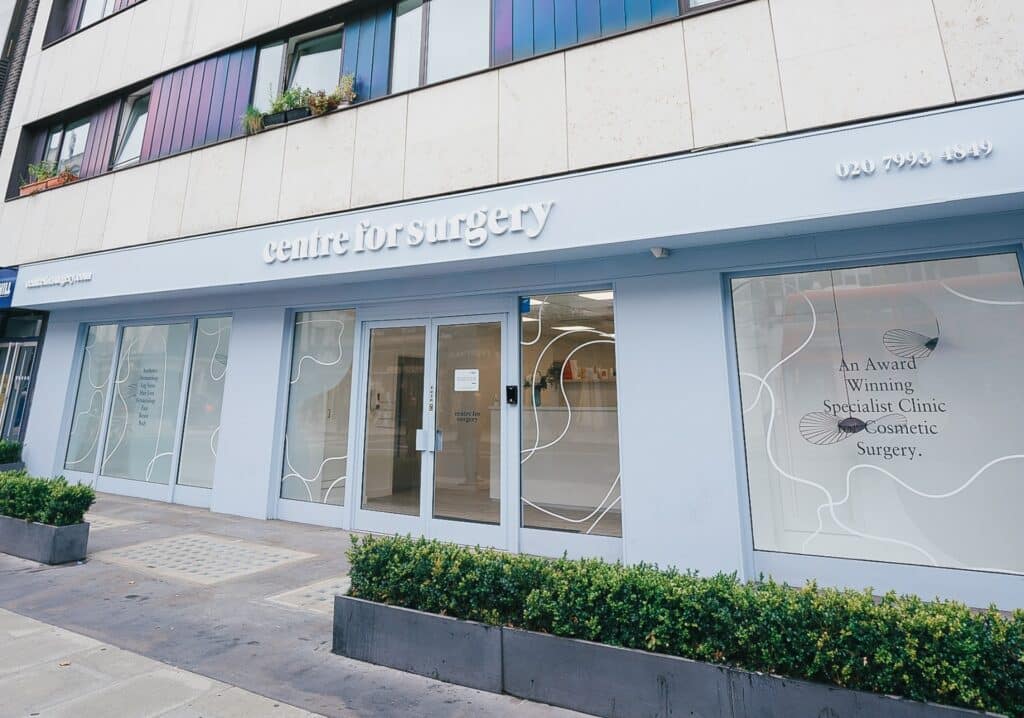
Deciding to undergo Female-to-Male (FTM) top surgery is a significant and deeply personal step in aligning your physical appearance with your inner sense of self. Recognising the importance of choosing the right surgical team to support you through this transformative process cannot be understated. At Centre for Surgery, we pride ourselves on our unparalleled expertise and experience in gender-affirming procedures.
Our surgeons are not only distinguished by their technical proficiency but also by their profound understanding of the emotional and psychological aspects of FTM top surgery. They appreciate that this surgery transcends mere aesthetic enhancement; it’s a crucial step towards authentic self-expression and embodiment for many transgender men. Having been privileged to witness the profound impact of this procedure on numerous individuals, our team is deeply committed to supporting each patient’s journey towards self-realisation.
Why Choose Centre for Surgery?
- Unparalleled Expertise: Our team comprises specialists in gender-affirming surgery, ensuring that you receive care that is not only technically excellent but also empathetically delivered.
- Personalised Care: We understand that each patient’s journey is unique. From your initial consultation through to your post-operative care, our approach is tailored to meet your individual needs and aspirations.
- Supportive Environment: We strive to create a welcoming and supportive environment where you can feel comfortable and understood. Our team is here to answer any questions you may have and to provide guidance every step of the way.
- Life-Altering Outcomes: At the heart of our work is the recognition of FTM top surgery’s transformative potential. We are dedicated to achieving results that align with your transition goals, helping you live more authentically.
Taking the Next Step
If you’re considering FTM top surgery and seeking a surgical team that combines technical excellence with a compassionate understanding of your journey, Centre for Surgery is ready to stand by your side. We invite you to book a consultation with us today. This initial meeting is a pivotal step towards understanding your aspirations and how we can support you in achieving them.
[contact-form-7 id=”256″ title=”Treatments form”]