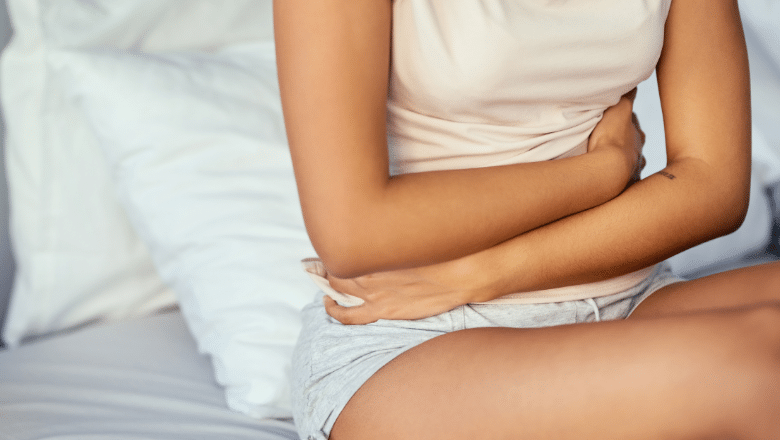
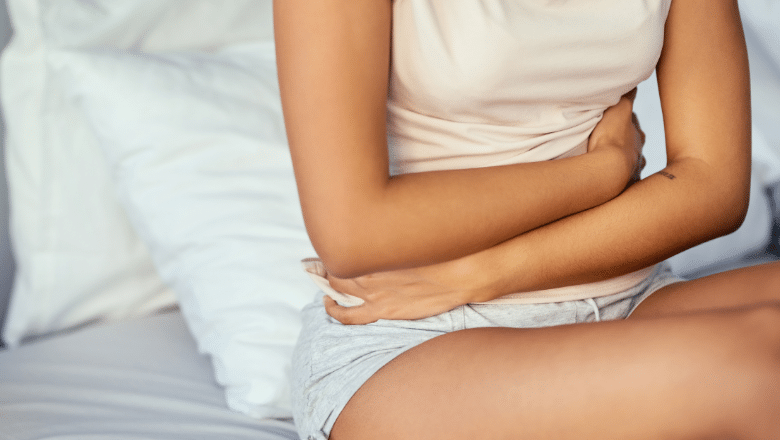
Post-operative bloating is one of the more common and less-discussed parts of cosmetic surgery recovery. Patients are usually well-briefed on bruising, swelling at the surgical site, and pain management — but the abdominal bloating, distension, and slow digestion that can dominate the first 1-2 weeks after surgery often comes as a surprise. It is normal, it is temporary, and there are practical things that help it resolve faster.
This guide explains what causes post-operative bloating, how long it typically lasts for different procedures, and what works to reduce it.
Why bloating happens after surgery
Several distinct mechanisms contribute to post-operative bloating, often combining in the same patient:
Anaesthetic effect on gut motility. General anaesthesia slows the bowel temporarily. This is partly the direct effect of the anaesthetic agents themselves and partly the effect of the opioid pain medication used alongside. Bowel motility returns to normal over 24-72 hours for most patients, but during this window gas accumulates and the abdomen feels distended.
Opioid pain medication. Codeine, dihydrocodeine, oxycodone, and similar opioid analgesics all slow gut motility. Patients prescribed opioid pain relief in the first week after surgery often experience constipation and bloating as a direct medication effect. This is why we prefer to keep opioid use brief and use multimodal analgesia (paracetamol, NSAIDs where appropriate, local anaesthetic infiltration) to reduce opioid requirements.
Fluid shifts. Intra-operative IV fluids, the inflammatory response to surgery, and changes in protein levels all contribute to fluid retention in the early post-operative period. Patients often weigh several kilograms heavier in the first week after major surgery before this fluid mobilises.
Reduced mobility. Normal gut motility depends partly on physical movement — walking, gentle abdominal flexion, standing upright. Patients restricted to bed or chair in the first days move less, and digestion slows further.
Direct surgical effect for abdominal procedures. Abdominoplasty and lipoabdominoplasty involve direct manipulation of the abdominal wall and can produce significant local swelling that contributes to the feeling of fullness for weeks afterwards. Liposuction of the abdomen and flanks produces local swelling that can mimic generalised bloating.
Dehydration. Pre-operative fasting, intra-operative fluid losses, and post-operative reduced oral intake combine to produce mild dehydration in many patients. Mild dehydration slows digestion further and can paradoxically make patients feel “fluid-heavy” while genuinely under-hydrated.
Compression garments. The compression garments worn after body contouring procedures can press on the abdomen and contribute to the feeling of fullness, even when the underlying physiology is normal.
Dietary changes. Patients often eat differently in the first week after surgery — less fibre, more soft and easy foods, less variety. These changes alone can produce constipation and bloating.
What is normal and what is not
Normal post-operative bloating:
- Most pronounced in days 1-7, peaking around day 3-5.
- Improving rather than worsening across the following week.
- Accompanied by some abdominal fullness or pressure but not severe pain.
- Resolving steadily as bowel function returns and oral intake normalises.
- Mostly resolved by 2-4 weeks for non-abdominal surgery.
- More prolonged for abdominal surgery — bloating overlapping with local swelling can persist for 8-12 weeks before fully resolving.
Signs that warrant urgent clinical attention:
- Severe, worsening abdominal pain — particularly if not relieved by passing wind or stool.
- Persistent vomiting — particularly if accompanied by bloating.
- No bowel motion for 5+ days post-operatively, particularly if accompanied by pain.
- Significant abdominal distension that is firm or tender to touch.
- Fever alongside bloating.
- Inability to tolerate any fluids or food beyond the first 24-48 hours.
- Calf pain or swelling — different issue but the combination with abdominal bloating warrants prompt assessment for venous thromboembolism.
If any of these are present, call the clinic on 0207 993 4849. The 24/7 nurse-led aftercare line is available outside working hours.
How long bloating lasts by procedure
The duration of post-operative bloating depends significantly on the procedure performed:
Procedures with minimal bloating impact:
- Blepharoplasty — bloating usually limited to first 48-72 hours, related primarily to anaesthesia and medication rather than the surgery itself.
- Otoplasty — minimal systemic impact; bloating is brief if present.
- Labiaplasty — local procedure with minimal systemic effect.
Procedures with moderate bloating:
- Rhinoplasty — 5-7 days of bloating typical; some patients have mild lingering effect from opioid use for the first week.
- Facelift and neck lift — 7-10 days of bloating, again primarily related to medications.
- Breast augmentation — 7-14 days, with the additional contribution of compression garments.
- Breast reduction and breast lift — similar to augmentation.
- Gynaecomastia surgery — 7-10 days.
Procedures with significant bloating:
- Abdominoplasty — generalised bloating for 2-3 weeks, with local abdominal swelling persisting much longer (often 3-6 months before final flat result emerges).
- Lipoabdominoplasty — similar pattern to abdominoplasty.
- Large-volume liposuction, especially abdominal and flank — significant local swelling that mimics bloating for 4-8 weeks.
- 360 liposuction — circumferential local swelling for 4-8 weeks.
- Mummy makeover — combination of breast and abdominal procedures means combined bloating effect; 3-4 weeks for systemic bloating, longer for local abdominal resolution.
- Body contouring after major weight loss — longest of all, with multiple operations across months.
Practical strategies to reduce bloating
What helps in the first 1-2 weeks:
Hydration first. Aim for 2-2.5 litres of fluid daily once tolerating oral intake. Water is best; clear soups and herbal teas count; avoid carbonated drinks which add gas.
Small frequent meals rather than large meals. Three large meals overload a slow digestive system; six smaller meals are tolerated better.
Easy-to-digest foods first. Soft, low-fat, moderate-fibre foods in the early days — chicken soup, rice, scrambled eggs, well-cooked vegetables, fish. Avoid heavy, fatty, or very spicy foods initially.
Gradual fibre increase. Fibre helps once the bowel is moving normally, but going straight to a high-fibre diet in the first days can worsen bloating. Increase fibre gradually across the first week.
Walk as soon as you can. Short, gentle walks (5-10 minutes initially, increasing daily) substantially improve gut motility and reduce bloating. The walking does not need to be vigorous — slow, frequent walks are as effective as fewer longer ones.
Sit upright for meals. Eating reclined or in bed worsens digestion. Sit at a table where comfortable.
Avoid known gas-producing foods initially. Cruciferous vegetables (broccoli, cauliflower, cabbage), beans, lentils, fizzy drinks, chewing gum, and very high-fibre foods can be reintroduced once normal bowel function has returned.
Limit opioid pain relief where possible. Most patients can transition off opioid pain relief by days 3-7. Earlier transition to paracetamol and NSAIDs (where not contraindicated) substantially reduces medication-related constipation and bloating.
Stool softeners. If constipation is becoming an issue, lactulose or movicol (macrogol) are well-tolerated and effective. Discuss with the clinical team before starting. Stimulant laxatives (senna) are less suitable in the early post-operative period.
Probiotics are sometimes recommended though the evidence is mixed. Live yoghurt or a kefir-type product is gentler than capsule supplements and may help.
Compression garments worn correctly. Too tight at the abdomen can worsen the bloated feeling. Adjust the fit if needed; the clinical team can advise.
What about post-abdominoplasty swelling specifically
The local swelling that follows abdominoplasty is sometimes confused with bloating but is a distinct issue with a longer course. After abdominoplasty:
- Weeks 1-2. Significant generalised swelling of the lower abdomen, often making patients feel they look pregnant or distended despite the operation having removed tissue.
- Weeks 3-6. Gradual reduction in surface swelling. The “shelf” appearance above the scar starts to soften.
- Weeks 6-12. Continued slow improvement. Patients often see significant change between week 6 and week 12.
- 3-6 months. Final result emerging. Most of the post-operative swelling has resolved.
- 6-12 months. Scars maturing and final contour fully settled.
What helps the abdominal swelling specifically:
- Wearing the prescribed compression garment consistently for the full prescribed period.
- Sleeping in a slightly flexed-at-hips position for the first 1-2 weeks to reduce tension on the closure.
- Lymphatic drainage massage from a qualified therapist (usually starting from week 2-3) can speed resolution of swelling.
- Patience with the timeline — abdominoplasty results emerge slowly, and the final flat appearance is often not visible until 3-6 months.
Pre-operative preparation to reduce bloating
What helps before surgery:
- Establish good baseline gut health. Regular bowel movements, balanced diet, normal hydration in the weeks before surgery. A constipated patient pre-operatively will be more constipated post-operatively.
- Identify and treat any underlying gastrointestinal issues — IBS, reflux, lactose intolerance, gluten sensitivity. Surgery exacerbates these, so addressing them first helps.
- Pre-operative nutrition matters. See pre-operative nutrition.
- Stop alcohol 48 hours before surgery. Alcohol contributes to dehydration and gut irritation, both of which worsen post-operative bloating.
- Hydrate well in the 24-48 hours before surgery, up to the fasting cut-off.
- If you have a slow bowel baseline, mention this at pre-operative assessment so the team can plan ahead with stool softeners.
Common patient questions
Is post-surgery bloating normal? Yes — common and expected for most procedures, particularly those under general anaesthesia or involving abdominal work.
How long does bloating last? Highly procedure-dependent. Most non-abdominal procedures: 1-2 weeks. Abdominal procedures: 2-4 weeks for systemic bloating, longer for local swelling. See procedure-specific timelines above.
Can I take over-the-counter remedies? Simple anti-bloating remedies (Imodium-style products, peppermint capsules, simethicone) can usually be used. Stool softeners should be discussed with the clinical team. Avoid NSAIDs in the immediate post-operative period without surgical team clearance.
When can I start exercising again? Light walking from day 1-2 for most procedures. Other exercise depends on procedure — discuss specific guidelines at follow-up. Vigorous abdominal exercise after abdominoplasty is restricted for 6-12 weeks.
Will bloating affect my final result? No — bloating is a temporary process that resolves on its own. The final result emerges as bloating resolves, not because of it.
Should I weigh myself? Probably not in the first 2-3 weeks. Post-operative fluid shifts can produce weight readings that are misleading and discouraging. Wait until 4-6 weeks for a meaningful weight check.
Is there anything that makes bloating worse? Continued opioid use, dehydration, immobility, very high-fibre meals introduced too quickly, carbonated drinks, alcohol, very fatty or spicy foods, large meals, and tight-fitting compression garments.
What if my bloating is severe or persistent? Call the clinic. Severe, persistent, or painful bloating is uncommon and warrants assessment to rule out specific issues (bowel obstruction, infection, other complications). Routine bloating that is improving over time is normal.
When to call the clinic
Call our 24/7 aftercare line for:
- Severe, worsening abdominal pain.
- Persistent vomiting that prevents you keeping fluids down.
- No bowel motion for 5+ days alongside discomfort.
- Fever (over 38°C) alongside bloating or abdominal symptoms.
- Abdominal distension that is hard, very tender, or rapidly increasing.
- Calf pain or swelling.
- Any symptom you are concerned about, even if it is not on this list.
The line is staffed by senior clinical nurses who know our patients’ procedures. They will advise whether routine reassurance, GP review, same-day clinic assessment, or A&E attendance is appropriate.
Booking a consultation
If you are considering cosmetic surgery and want to discuss recovery expectations including the common post-operative experiences like bloating, this is covered at consultation and in pre-operative assessment. Call 0207 993 4849 or use the contact form to arrange a consultation at our Baker Street clinic.
Related reading
- Pre-operative nutrition
- Common feelings and emotions after cosmetic surgery
- Types of anaesthesia used in plastic surgery
Centre for Surgery · CQC-regulated · GMC specialist-registered surgeons · 95–97 Baker Street, Marylebone, London W1U 6RN · 0207 993 4849 · Book a consultation · Finance from 0% APR