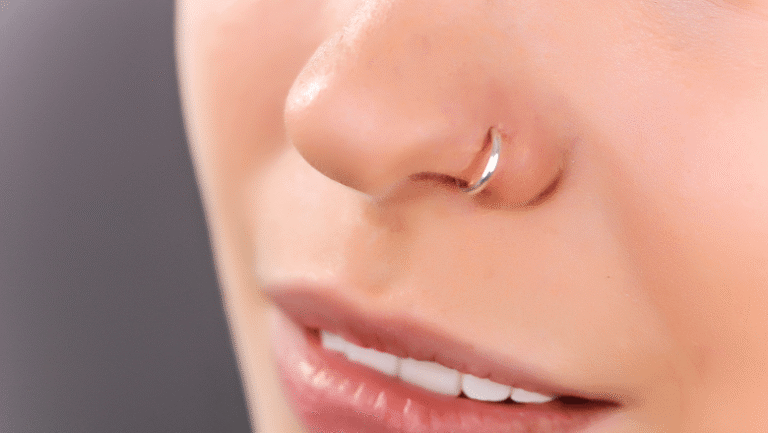

Rhinoplasty, sometimes referred to simply as a nose job, is often chosen by individuals seeking to enhance the appearance of their nose or address structural issues that impact their breathing. While the procedure can produce transformative results, the postoperative period comes with its own set of challenges, one of the most common being a blocked or congested nose. Blocked nasal passages in the days or weeks after surgery are a standard part of the healing process in many instances and may be associated with swelling, the formation of scar tissue, and various factors linked with the surgery itself.
RELATED: Recovery After Rhinoplasty – Top Tips
Why Rhinoplasty Is Done and Common Postoperative Experiences
Rhinoplasty is chosen for various reasons. Some patients want to address cosmetic concerns, such as changing the shape or size of the nose, while others need to fix structural abnormalities such as a deviated septum or enlarged turbinates that disrupt breathing. In many cases, patients seek both cosmetic improvement and a functional benefit from the same procedure.
RELATED: Narrow Nostril Surgery for Fixing Breathing Difficulties
One of the common experiences in the first few days after surgery is a sense of tightness or fullness within the nose. This can feel like a persistent blocked sensation, even when the nose is not physically congested with mucus. It is also not uncommon to experience a temporary reduction in the sense of smell or taste. These experiences are typically temporary and directly related to swelling in the nasal tissues. By the three-month mark, most people notice that their nasal airflow has substantially improved, although complete resolution can take up to a year in some cases as the tissues continue to settle and refine.
How Swelling Affects Your Breathing
Swelling is your body’s automatic response to surgery. When tissues are cut and repositioned, inflammation is part of the natural healing mechanism. In the nose, this swelling can significantly reduce the internal space available for air to pass through. The swelling may affect the inside of the nostrils, the nasal lining, and the area around the turbinates.
In the first few days, swelling typically reaches its peak. This is often when the sensation of blockage is at its most noticeable, even if a splint or packing is no longer in place. Surgeons sometimes prescribe medication to help control swelling and inflammation in this early period. Decongestants or nasal sprays may offer some relief, but it is essential to use them only as directed by your surgeon to avoid any complications with healing.
Over the first three to six weeks, swelling begins to reduce considerably. Many patients describe this stage as a turning point, where they start to appreciate how their breathing is improving. While the exterior of the nose may still appear slightly swollen during this time, the internal passages are usually opening up progressively. It is important to avoid activities that could increase swelling, such as strenuous exercise or spending time in hot environments, during this phase.
The Role of Scar Tissue in Prolonged Blockage
Scar tissue forms when your body repairs itself. After rhinoplasty, small amounts of internal scar tissue are a natural part of healing. In most cases, this does not cause any significant problems and settles over time without intervention. In some instances, however, scar tissue can develop in a way that constricts the nasal passages, contributing to a longer period of congestion or difficulty breathing. This is more often seen in patients who have undergone revision procedures or who have had particularly complex primary surgery, as a greater extent of tissue manipulation can increase the likelihood of more significant scar formation.
When scar tissue is identified as a contributing factor to ongoing blockage, treatment options may include targeted steroid injections to soften and reduce the tissue, or in some cases, a minor revision procedure to address specific areas. Your surgeon will assess this at your follow-up appointments and advise on the most appropriate course of action for your individual situation.
Ways to Alleviate Congestion at Home
There are several steps you can take at home to manage nasal congestion in the weeks following your surgery. A gentle saline nasal rinse can help clear mucus and keep the nasal passages moist, which is particularly useful in the first weeks when the lining of the nose may feel dry or crusted. Using a saline spray or rinse regularly can aid in removing debris and keeping the area clean during healing.
Keeping your head elevated when sleeping reduces the accumulation of fluid in the face and can make breathing feel more comfortable overnight. Many patients find it helpful to use additional pillows or a wedge pillow for the first few weeks. Sleeping on your back is recommended during this period to avoid placing any pressure on the nose.
Staying well-hydrated also supports the body’s overall healing processes and helps keep mucous membranes functioning properly. Avoiding alcohol, smoking, and environments with strong irritants such as dust, smoke, or strong chemicals is also advisable, as these can increase inflammation and prolong the period of congestion.
When to Seek Professional Help
While some degree of congestion after rhinoplasty is entirely expected, there are certain signs that should prompt you to contact your surgeon promptly. If your congestion is worsening rather than gradually improving over time, or if you experience intense pain that is not responding to prescribed pain relief, these are reasons to get in touch. Persistent bleeding that is more than light spotting, or bleeding that resumes after having initially settled, also warrants professional assessment.
Warning signs of infection include a foul smell from the nose, discoloured or purulent discharge, significant swelling that appears to be increasing rather than decreasing, or a fever. If you notice any of these symptoms, contact your surgical team as soon as possible, as early treatment of any infection is important for a good recovery outcome.
RELATED: Breathing Better: How Septoplasty and Turbinate Reduction Can Help
The Importance of Follow-Up Consultations
Regular postoperative appointments are an essential part of your rhinoplasty journey. These visits allow your surgeon to track your healing, monitor for any complications, and adjust your aftercare advice as needed. If your congestion is proving persistent or uncomfortable, these appointments are the opportunity to raise your concerns so that any necessary interventions can be organised promptly.
Your surgeon will be best placed to assess whether any ongoing blockage is a normal part of healing or whether further investigation or treatment is required. These consultations are also an opportunity to discuss the final result and whether it aligns with your expectations, as well as to receive reassurance during what can sometimes feel like a lengthy recovery process.
Explore More About Rhinoplasty at Centre for Surgery
RELATED: Rhinoplasty Before & After Photos
RELATED: How Much Does a Nose Job Cost?
RELATED: Rhinoplasty FAQs — Q&A About Nose Surgery
RELATED: Ethnic Rhinoplasty — Tailored Nose Surgery for Different Ethnicities
RELATED: Revision Rhinoplasty — Correcting Previous Nose Surgery
RELATED: Nasal Tip Surgery — Tip Plasty and Tip Refinement
RELATED: Septorhinoplasty — Combined Rhinoplasty and Septoplasty
Why Choose Centre for Surgery for Rhinoplasty?
At Centre for Surgery, we are committed to delivering outstanding results in rhinoplasty, combining medical expertise with artistic precision. Our London-based clinic on Baker Street is a leading choice for patients seeking nasal surgery. Our surgeons specialise in both cosmetic and functional rhinoplasty, including primary, revision, and ethnic rhinoplasty. We take a personalised approach to every patient, tailoring the surgical plan to your anatomy, goals, and overall health, and we provide comprehensive aftercare throughout your recovery journey.
Call us on 020 7993 4849 or email contact@centreforsurgery.com.
[contact-form-7 id=”256″ title=”Treatments form”]