
A smooth rhinoplasty recovery depends on several factors, including choosing an experienced nose surgeon in London. After a nose job, the recovery process can take time, and it is essential to be patient. You will initially have bruising and swelling around the nose and surrounding tissues as they heal. Final results can take up to 12 months to become visible. Here are some practical steps you can take during recovery after rhinoplasty surgery to ensure your healing process progresses smoothly with minimal pain and discomfort.
RELATED: Nose Surgery FAQs – Q&A about Rhinoplasty
How to Prepare for the Best Nose Surgery
Embarking on the journey towards having nose surgery, often referred to as a rhinoplasty, requires careful planning and thoughtful preparation to ensure you achieve the results you’re after. Here’s a simplified guide to help you navigate this process effectively, especially for the younger audience.
Selecting Your Surgeon with Care – To begin, the most crucial step is to choose a surgeon who’s not only qualified but also has a wealth of experience in nose surgeries. Look for someone who’s recognised on the GMC specialist register and has a track record proven by before-and-after pictures of previous patients. This is about entrusting someone with your appearance, so ensure their expertise aligns with your expectations.
Express Your Desires and Doubts – When you meet your surgeon for the first time, be clear about how you want your nose to look after surgery and any concerns you may have. It’s essential to discuss the outcomes you’re aiming for and understand the potential risks and the recovery trajectory. This step is all about transparency, so ask all the questions you have.
Focus on Your Health – Your overall health plays a crucial role in your recovery and the success of the surgery. Eating healthily, getting enough sleep, and steering clear of smoking and too much alcohol are practices that can significantly affect your healing process.
Heed Your Pre-Surgery Advice – Following your surgeon’s advice before surgery is non-negotiable. This could mean pausing certain meds, quitting smoking, or making sure you’ve got someone to drive you home afterwards. Adhering to these guidelines is pivotal for a smooth surgery and recovery.
Get Your Recovery Essentials Sorted – Prepare for your downtime by taking adequate time off from work or school, and if necessary, organise someone to assist with day-to-day tasks. Stocking up on essentials like gauze, ice packs, and medications will make your recovery more comfortable. Don’t forget to pencil in your follow-up appointments.
Keep Your Expectations in Check – It’s essential to have a realistic perspective on what surgery can achieve. While it can enhance the appearance of your nose and improve facial harmony, expecting a miracle might set you up for disappointment. Have an honest conversation with your surgeon about your expectations to ensure you’re on the same page regarding the possible outcomes.
What to do on the day before rhinoplasty surgery
The day before your rhinoplasty is pivotal for setting the stage for a successful operation and a smooth recovery. Here’s how to make sure you’re fully prepped and ready to go:
Strictly Follow Your Surgeon’s Orders – Your surgeon knows best when it comes to prepping for surgery. Whether it’s pausing certain medications, fasting, or ensuring you have a lift to and from the clinic, these directives are crucial. They’re designed to minimise risks and pave the way for a smooth surgery and recovery.
Steer Clear of Alcohol and Caffeine – Both can mess with anaesthesia and your recovery process. It’s best to avoid them the day before your surgery.
Mind Your Diet – Eat light but nutritious. Opt for meals that are easy on the stomach, avoiding anything too rich or difficult to digest, in line with any dietary guidelines your surgeon may have provided.
Hydration is Key – Drink lots of water the day before your operation. Staying hydrated is vital for your body’s overall preparedness for the procedure.
Rest Up – A good night’s sleep is more powerful than you might think. Being well-rested helps keep you calm and collected for the day ahead.
Home Prep – Your recovery zone should be a haven of comfort. Stock up on essentials like gauze, ice packs, and painkillers. If you anticipate needing help with daily chores or care, arrange that in advance.
Find Your Zen – Nerves are normal, but they don’t have to control you. Engage in relaxation practices such as deep breathing, meditation, or any other activity that helps you find peace. It’s all about entering surgery with a calm and positive mindset.
What to avoid before having a nose job
Embarking on the rhinoplasty journey requires not only emotional readiness but also physical preparation. Ensuring the best possible results involves a bit of pre-op discipline, especially regarding what to avoid in the lead-up to your procedure. Let’s dive into the essentials:
No Smoking or Vaping – The consensus is clear: nicotine is a recovery’s foe. It hampers blood flow, complicating both the surgery and the healing process. Cutting out cigarettes and vaping products for 4-6 weeks pre- and post-op is a wise strategy for minimising complication risks.
Alcohol Abstinence – Alcohol’s effects on healing shouldn’t be underestimated. It can heighten bleeding risks and muddle with anaesthesia, complicating both the surgery and your recuperation. Aim to steer clear of alcoholic beverages for at least a week before your surgery.
Medication Mindfulness – Certain medications are notorious for increasing the risk of bleeding. Aspirin, ibuprofen, and other NSAIDs fall into this category. Swap these out for paracetamol if you need pain relief, but always consult your surgeon for personalised advice on medication adjustments.
Dietary Considerations – Caffeine and certain other dietary elements can also pose risks by increasing the likelihood of bleeding. Foods and drinks containing caffeine, including coffee, tea, and chocolate, should be avoided at least 24 hours before your surgery.
Sun Safety – Direct sun exposure can not only damage your skin but also compromise healing post-surgery. Dodging the sun and tanning beds for a fortnight before your surgery is prudent. Opt for a broad-spectrum SPF 30 sunscreen if sun exposure is unavoidable.
Exercise with Caution – While staying active is important, high-intensity workouts can increase your blood pressure and heart rate, potentially increasing the risk of bleeding during and after surgery. Tone down your exercise regimen to gentler activities, like walking, in the two weeks leading up to your surgery.
Facial Treatment Freeze – In the weeks leading up to your rhinoplasty, give your skin a break from treatments like chemical peels, microdermabrasion, and facials. These can irritate your skin and increase the risk of infection, so a two-week hiatus is recommended.
Top Recovery Tips after Nose Surgery for the Best Rhinoplasty Results
Recovering from a nose job isn’t just about waiting for the swelling to go down. It’s about active engagement in practices that ensure the smoothest healing process and the best possible results. Here’s how to navigate your recovery period effectively:
Strict Adherence to Your Surgeon’s Guidance – The cornerstone of a successful recovery is following the detailed care instructions your surgeon gives you. This guidance encompasses a range of topics, including wound care, medication management, and appointment scheduling. Precision in following these instructions minimises complications and paves the way for an optimal recovery.
Prioritise Rest and Recovery – Giving your body ample time to heal is crucial. Ensure you’ve arranged for sufficient downtime from work or studies, and delegate household and caregiving responsibilities if necessary. This period of rest is vital for reducing post-surgery swelling and bruising.
Keep Your Head Elevated – To combat swelling and discomfort, ensure your head and upper body are elevated while sleeping. This simple adjustment can significantly ease your recovery, helping you avoid additional pressure on your nasal area.
Embrace the Cold (Compresses) – Regular application of ice packs or cold compresses can be a game-changer for reducing swelling and managing pain. Remember, direct skin contact with ice can be harmful, so always use a soft cloth as a barrier.
Ease Into Physical Activity – While gentle walks can aid circulation and recovery, heavy lifting or intense workouts can affect your healing. Avoid any strenuous activities for at least the first two weeks post-operation to prevent undue strain on your nose.
Dietary Adjustments – Certain foods and beverages can exacerbate swelling or delay your recovery. Steering clear of spicy foods, hot drinks, and alcohol in the aftermath of your surgery will foster a more conducive healing environment.
Minimise Sun Exposure – Protecting your skin from the sun is especially important post-rhinoplasty. Excessive sun can not only damage your skin but also affect the healing process. Limit your sun exposure and apply a high-SPF sunscreen when outdoors.
Patience Pays Off – Remember, healing is a marathon, not a sprint. It may take weeks or even months to appreciate the results of your surgery fully. Maintaining realistic expectations and high patience is crucial during this time.
Nutrition is Your Ally – A balanced diet rich in vitamins and minerals supports your body’s healing process. Focus on consuming a variety of fruits, vegetables, lean proteins, and whole grains to nourish your body as it heals.
Maintain Open Communication with Your Surgeon—It is essential to keep in touch with your surgeon throughout your recovery. Attend all follow-up appointments and don’t hesitate to reach out if you have concerns or notice unusual changes. Your surgeon’s expertise will guide you through the recovery phase to achieve the best possible rhinoplasty results.
RELATED: How To Reduce Bruising And Swelling After A Nose Job
What are the best foods to eat during recovery after rhinoplasty?

Recovering from a nose job requires more than rest and medication—it’s also about fuelling your body with the proper nutrients to speed up the healing process. Here’s a curated list of foods that are beneficial during your rhinoplasty recovery:
Protein-Packed Choices – Protein is the building block of tissue repair, playing a crucial role in healing after surgery. Incorporate lean meats such as chicken and turkey, alongside fish, eggs, legumes, and tofu into your meals to support tissue repair and muscle strength.
Fruit and Veggie Rainbow – A colourful selection of fruits and vegetables delivers a spectrum of vitamins, minerals, and antioxidants, aiding in inflammation reduction and boosting recovery. Berries, spinach, kale, broccoli, and bell peppers are not only nutritious but also versatile ingredients for a wide range of dishes.
Wholesome Grains – Fibre-rich whole grains, such as brown rice, quinoa, and whole-wheat bread, contribute to digestive health and keep you feeling fuller for longer, which is especially important when you’re less active. These grains help maintain stable energy levels.
Essential Fats – Incorporating healthy fats into your diet through avocados, nuts, seeds, and olive oil can help diminish inflammation and is key to overall health. These fats are not just nutritious but also enhance the flavours of your meals.
Hydration is Key – Adequate water intake is crucial for recovery, aiding in detoxification and ensuring your tissues are well-hydrated. Aim for 8-10 glasses of water a day, and consider increasing this amount if you’re physically active or living in a hot climate.
Vitamin C Boost – Vitamin C plays a critical role in collagen formation and wound healing. Citrus fruits, strawberries, kiwi, and bell peppers are excellent sources to include in your diet for a speedy recovery.
Low-Sodium Solutions – Minimising sodium intake can significantly reduce the risk of post-surgery swelling and water retention. Opt for fresh produce and cook from scratch where possible to control your sodium levels.
Probiotic Power – Foods rich in probiotics, such as yoghurt and kefir, support gut health and immunity. Opting for plain, unsweetened versions of these foods maximises their benefits without the drawbacks of added sugars.
Iron Intake – Iron is essential for oxygen transport and energy levels. Incorporating iron-rich foods, such as lean red meats, seafood, lentils, and spinach, can help maintain your strength and prevent anaemia.
Frequent, Light Meals – Opting for smaller, more frequent meals can help manage nausea and maintain steady energy levels. This approach is gentle on your digestive system and can be more comfortable during recovery.
When can I return to exercise after a nose job?
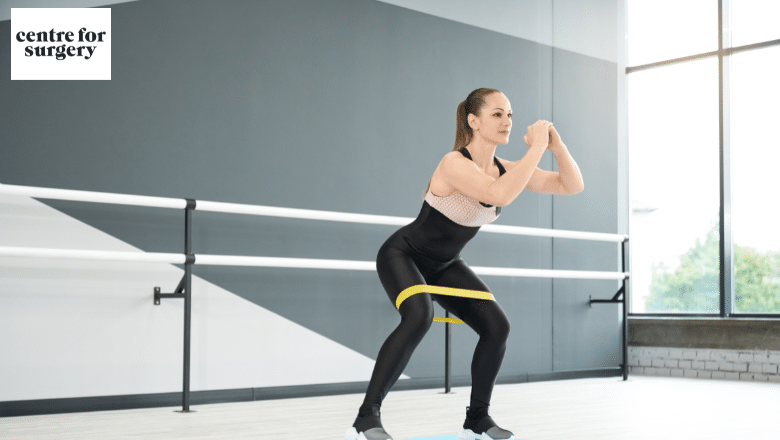
Returning to exercise after a nose job or rhinoplasty is an important decision that should be made in consultation with your surgeon. Here are some general guidelines for when you can return to exercise after rhinoplasty:
You should avoid strenuous exercise and any activity that could raise your blood pressure for at least two weeks after rhinoplasty. This includes activities like running, weightlifting, and high-intensity interval training. Light exercise, like walking, can be resumed after one week, but avoid any exercise that causes sweating or puts strain on your nose. After two weeks, you can gradually resume exercise, but you should avoid any activities that could put stress on your nose for at least six weeks after the surgery. Consult with your plastic surgeon before returning to any exercise routine.
RELATED: Exercise After Nose Surgery – Top Tips
RECOVERY AFTER NOSE SURGERY FAQs
How long will my nose hurt after rhinoplasty?
Nasal pain and discomfort are common after rhinoplasty, but the duration and severity of pain can vary depending on the individual and the extent of the surgery. Typically, the worst of the pain and discomfort occurs within the first week after surgery and gradually improves over time.
During the first few days after surgery, you may experience significant nasal pain, swelling, and bruising. Your surgeon may prescribe pain medication or recommend over-the-counter pain relief medication to manage any discomfort. Due to swelling and the presence of splints inside the nose, you may also experience nasal congestion and difficulty breathing through your nose.
After the first few days, the pain and discomfort typically begin to subside. Most patients can return to work and resume light activities within one to two weeks after surgery, but strenuous exercise and heavy lifting should be avoided for at least two weeks.
Is rhinoplasty recovery painful?
Recovery from rhinoplasty, or nose surgery, can be uncomfortable, but it is generally not considered to be extremely painful. Most patients report mild to moderate discomfort during the first week after surgery, but this can vary depending on the individual and the extent of the surgery.
During the first few days after surgery, you may experience some pain, swelling, and bruising around the nose and eyes. Your surgeon may prescribe pain medication or recommend over-the-counter pain relief medication to manage any discomfort. You may also experience some nasal congestion and difficulty breathing through your nose due to swelling and the presence of splints inside the nose.
After the first few days, the pain and discomfort typically begin to subside. Most patients can return to work and resume light activities within one to two weeks after surgery, but strenuous exercise and heavy lifting should be avoided for at least two weeks.
Does taping the nose help with swelling?
Yes, taping the nose after rhinoplasty can help reduce swelling by providing compression and support to the healing tissues. The tape can also help to reduce bruising and improve the final appearance of the nose. Typically, your surgeon will apply the tape during your post-operative appointment and instruct you on how to care for it. Follow your surgeon’s instructions and do not remove the tape until instructed to do so, as premature removal can affect the final result of your rhinoplasty.
Can I touch my nose after rhinoplasty?
After rhinoplasty, it is recommended to avoid touching your nose to promote healing and minimise the risk of complications. Touching your nose can cause irritation, inflammation, and even infection, which can delay the healing process.
During the first few days after surgery, you may have a nasal splint or bandages on your nose to help support and protect it during the initial healing period. You should avoid touching or removing these splints or bandages without your surgeon’s permission.
After the initial healing period, you may gently clean your nose and apply ointment or a saline solution as directed by your surgeon. Still, you should avoid any unnecessary touching or rubbing of the nose.
How should I sleep after rhinoplasty?
After rhinoplasty, it is typically recommended to sleep with your head elevated to help reduce swelling and promote healing. You can do this by using extra pillows or by propping up the head of your bed with blocks or risers. It’s also important to avoid sleeping on your stomach or on your side, as this can put pressure on your nose and affect the healing process. Your surgeon will likely provide specific instructions on how to sleep after your rhinoplasty, so it’s essential to follow their recommendations.
RELATED: How to Sleep After Rhinoplasty
When can I sleep flat after rhinoplasty?
Sleeping flat on your back after rhinoplasty is typically not recommended for at least the first week after surgery. After the first week, if your surgeon permits you to sleep flat, it is generally recommended to use an extra pillow or two to keep your head slightly elevated, which helps reduce swelling. However, it is essential to follow your surgeon’s specific post-operative instructions, as every patient’s recovery is unique. It’s essential to avoid sleeping on your stomach or side for at least the first few weeks after surgery to prevent putting pressure on your nose and potentially affecting the healing process.
Can I brush my teeth after rhinoplasty?
Yes, you can brush your teeth after rhinoplasty. Maintaining good oral hygiene is essential during the recovery period to prevent infection and promote healing. However, be cautious to avoid any unnecessary pressure or movement around the nose and face.
To brush your teeth after rhinoplasty, follow these tips:
- Use a soft-bristled toothbrush to minimise any irritation to the mouth or face.
- Be gentle when brushing, and avoid any vigorous or aggressive movements.
- Take care not to bump or hit your nose when brushing.
- Be cautious when spitting or rinsing to avoid any sudden movements that could cause discomfort or bleeding.
- If you experience any pain or discomfort while brushing, stop and take a break before resuming.
When do stitches come out after rhinoplasty?
The timing for removal of stitches after rhinoplasty can vary depending on the individual and the extent of the surgery. In many cases, absorbable stitches are used that do not require removal. However, if non-absorbable sutures are used, they are typically removed within the first week to 10 days after surgery.
How long does it take for a nose job to look normal?
It can take several weeks to months for a nose job (rhinoplasty) to look normal. Swelling is a common side effect of rhinoplasty, and it can take several weeks for the swelling to subside and for the tissues to heal fully. Most of the swelling typically subsides within the first 2-4 weeks, but some residual swelling may persist for several months. The final result of a nose job may not be fully apparent until several months or even a year or more after the surgery. It is essential to be patient and follow your surgeon’s post-operative instructions to ensure the best possible outcome.
What scars will I have after a nose job?
The type and location of scars after a nose job (rhinoplasty) will depend on the specific technique used by the surgeon. In an “open” rhinoplasty, an incision is made across the columella (the skin between the nostrils), and the skin is lifted off the underlying structures of the nose. This allows the surgeon to access the underlying cartilage and bone, making changes as necessary. In a “closed” rhinoplasty, all incisions are made inside the nose, which can minimise visible scarring. However, the technique used will also depend on the individual case, the patient’s needs, and the surgeon’s preference.
After the surgery, the incisions will be closed with sutures, and the healing process will take several weeks to months. Once the healing process is complete, most scars will be concealed within the natural creases of the nose and will be challenging to see. However, it’s essential to keep in mind that the final result of the surgery may not be immediately visible, as it can take several months for the swelling to subside and the final shape of the nose to become apparent.
Schedule a rhinoplasty consultation at Centre for Surgery.
Centre for Surgery is the leading plastic surgery clinic in London. Our specialised surgeons perform over 100 rhinoplasty procedures each year at our state-of-the-art Baker Street clinic in Marylebone. We are renowned for our expertise in ultrasonic rhinoplasty and preservation rhinoplasty, which are associated with a quicker recovery compared with traditional rhinoplasty techniques. Call us today on 0207 993 4849 or complete the contact form below to schedule a face-to-face consultation.
RELATED: Is rhinoplasty worth it?
[contact-form-7 id=”256″ title=”Treatments form”]