

How to Sleep Better After a Nose Job
Undergoing rhinoplasty, commonly referred to as a nose job, marks a significant step in one’s aesthetic journey, bringing forth a wave of anticipation and queries, particularly concerning the post-operative recovery phase. Among the numerous concerns that patients share with their surgeons, the topic of how to best position oneself for sleep after nose surgery often arises. This concern highlights the need to adopt post-surgical practices that ensure the integrity of surgical outcomes.
RELATED: Recovery After Rhinoplasty – Top Tips
Postoperative care, especially in the initial stages of recovery, is pivotal in ensuring a smooth and expedient healing process. An integral component of this care involves adopting an optimal sleeping posture. Our experts universally recommend that, following rhinoplasty, patients should aim to sleep on their backs, maintaining a slight elevation of the head. This specific sleeping arrangement is not arbitrary; it plays a critical role in mitigating postoperative swelling and reducing the risk of clot formation within the nasal cavities. It also significantly contributes to patient comfort, thereby facilitating a more restful rest period.
The elevation of the head, ideally achieved through the use of additional pillows or a specially designed wedge pillow, helps reduce fluid accumulation in the facial region, thereby diminishing swelling more rapidly than would be the case in a flat sleeping position. This elevated posture not only accelerates the healing process but also minimises discomfort, enabling patients to get through the recovery period with greater ease and confidence.
This handy guide from Centre for Surgery aims to furnish patients with practical advice on achieving optimal sleep post-rhinoplasty, thereby enhancing the healing journey and enabling a swift return to daily activities. For individuals considering rhinoplasty and seeking to learn more about the procedure, including its benefits and what to expect, further information is readily available to assist in making an informed decision.
Mastering Comfortable Sleep Post-Rhinoplasty: Your Comprehensive Guide
Navigating the recovery process after a rhinoplasty procedure entails a meticulous approach to various aspects of aftercare, with a particular focus on optimising sleep patterns to foster a conducive healing environment. Understanding the nuances of sleeping post-surgery is crucial, as the nose is at its most vulnerable and sensitive during this period. Ensuring you adopt a sleeping posture that minimises discomfort and safeguards the surgical outcomes is key to a smooth recovery.
In the initial days following your rhinoplasty, the paramount sleeping position recommended by healthcare professionals is on your back, with your head elevated above the level of your heart. This position plays a pivotal role in preventing accidental contact or pressure on the newly restructured nasal area, thereby reducing the risk of compromising the surgical results.
Elevation is not merely about comfort; it’s a strategic measure to counteract swelling more efficiently. By propping up your head with one or two pillows, or even a specially designed elevation pillow, you can expedite the reduction of facial swelling. This elevated stance aids in minimising fluid accumulation around the surgery site, facilitating a quicker diminution of swelling. Additionally, this posture helps mitigate congestion buildup, a common post-operative concern.
A pro tip for ensuring you remain on your back throughout the night involves strategically placing pillows around your body. This arrangement serves as a gentle barrier, preventing any inadvertent rolling or shifting that could compromise your recovery. For those experiencing back discomfort from this new sleeping arrangement, placing pillows under the knees can offer relief by alleviating strain on the lower back.
For patients who may find the transition to back sleeping challenging, practising this sleeping position before the surgery is advisable. This preparatory step allows you to acclimatise to the position and experiment with different pillow configurations to identify what offers the most comfort and support. If discomfort arises, adjusting the angle of elevation by propping up one side slightly can help achieve a more balanced alignment for the head and neck, thereby enhancing overall comfort.
Sleeping Positions After Rhinoplasty: Side and Stomach Sleeping
Undergoing a rhinoplasty procedure introduces a temporary but significant shift in your nightly sleeping habits. The recovery period after surgery requires careful consideration of sleeping positions to ensure the healing process remains uncompromised. The positions you adopt while sleeping play a crucial role in not only maintaining the structural adjustments made during surgery but also in avoiding unnecessary discomfort.
Can I sleep on my side after rhinoplasty?
Sleeping on your side immediately following a rhinoplasty is not recommended. This position can exert undue pressure on the nose, potentially leading to a dislocation of the nasal structures that were meticulously altered during surgery. Furthermore, side sleeping can exacerbate nasal congestion, a condition best avoided during the recovery phase, especially considering the temporary prohibition on blowing the nose after surgery. Such congestion can exacerbate discomfort, complicating the healing process.
While the urge to revert to habitual sleeping positions may be strong, it’s essential to resist the temptation to sleep on your side for at least the first one to two weeks post-operation. Before transitioning back to this sleeping position, it’s imperative to seek explicit approval from your surgeon. They will assess your healing progress and provide personalised advice on when it might be safe to resume side sleeping, ensuring such a change doesn’t jeopardise your recovery.
What about sleeping on my stomach?
Stomach sleeping is particularly discouraged after undergoing rhinoplasty. This position poses a high risk of applying direct pressure to the nose, which can significantly impair the surgical results. The potential for strain and damage to the newly adjusted nasal structures is considerable, with stomach sleeping increasing the likelihood of complications.
For the initial six weeks following surgery, patients are strongly advised to avoid sleeping on their stomachs. This precautionary measure serves to protect the integrity of the rhinoplasty outcomes, allowing the nose the necessary time and conditions to heal properly.
Strategies for Enhancing Sleep During Rhinoplasty Recovery
Recovering from rhinoplasty presents a unique set of challenges, with sleep disruption standing out as a common issue among patients. The importance of restorative sleep cannot be overstated, as it plays a critical role in facilitating a swift and smooth recovery process. If you find yourself struggling to achieve quality sleep after your surgery, consider implementing the following strategies to promote better sleep and enhance your overall recovery experience.
Embrace Solitude in Your Sleeping Environment
The days following your rhinoplasty procedure may necessitate a temporary solo sleeping arrangement. Sharing your bed with a partner or pet increases the risk of accidental contact with your nose, which could potentially compromise the surgical results. Allocating a dedicated sleeping space for yourself during this critical recovery phase allows for uninterrupted rest, free from the concern of unintentional bumps or jostles that could affect the healing process.
Maintain Optimal Hydration for Nasal Comfort
After rhinoplasty, patients often experience dryness in the nasal passages, which can contribute significantly to sleep disturbances. Ensuring adequate hydration is essential, not only for your body’s overall recovery but also to alleviate the discomfort associated with nasal dryness. Consuming sufficient fluids throughout the day can help maintain the moisture levels in your nasal passages, reducing congestion and promoting more comfortable sleep.
Limit Caffeine Intake
Caffeine consumption can be detrimental to sleep quality, particularly in the recovery phase following rhinoplasty. Its stimulant properties can interfere with your ability to fall asleep and enjoy uninterrupted rest. To foster a conducive sleep environment, consider reducing or eliminating caffeine from your diet. This adjustment can help your body establish a healthier sleep cycle, accelerating the healing process and improving your overall recovery experience.
Utilise Pain Management Techniques
Pain and discomfort can significantly hinder your ability to sleep well after surgery. Over-the-counter pain relief medications, such as Ibuprofen or Paracetamol, can be effective in managing post-operative pain. A dosage of 400mg of Ibuprofen or 500mg of Paracetamol every six hours is commonly recommended, but it’s crucial to use these medications judiciously and as needed. Always follow the guidance provided by your surgeon or healthcare provider regarding pain management to ensure safe and effective relief.
FAQ: Sleeping After Rhinoplasty
How long will it take before I can sleep in my usual position after rhinoplasty?
The timeline for resuming your typical sleeping routine post-rhinoplasty can vary based on individual healing progress. Generally, patients find they can return to their preferred sleeping positions within 10 to 14 days following the procedure. However, this is contingent on the healing process and any specific instructions provided by your surgeon. To safeguard the results of your surgery, it’s crucial to consult with your surgeon before making any changes to your sleeping habits. Adjusting your sleeping position prematurely could inadvertently affect the surgical outcomes, so professional guidance is essential.
Is it safe to use sleeping pills after undergoing rhinoplasty?
While achieving adequate rest is vital for recovery after rhinoplasty, the use of sleeping pills should be approached with caution. The interaction between sleeping pills and the medications prescribed after surgery could lead to adverse effects. If you’re experiencing difficulty sleeping following your procedure, discussing this with your doctor is important. Your surgeon can assess your situation and advise on the safest and most effective approach to improve your sleep without compromising your recovery.
What should I do if I accidentally roll over while sleeping after my nose job?
After your rhinoplasty, a protective cast or splint will be in place to shield your nose, providing some degree of protection against accidental pressure while you sleep. This protective measure is typically maintained for the first week post-surgery. Despite this, it’s essential to be mindful of your sleeping position, especially once the splint is removed. As your nose will still be in the delicate stages of healing for several weeks, it is advisable to adapt to sleeping on your back to minimise any risk of damage. If you find this adjustment challenging, consult with your surgeon before removing the cast.
Can sleeping in a recliner help recovery after rhinoplasty?
Opting to sleep in a recliner chair during the recovery phase after rhinoplasty can be beneficial for several reasons. Firstly, it ensures that you sleep alone, eliminating the risk of accidental contact with a partner or pet. Additionally, the recliner allows for the strategic placement of pillows around your body, which can help prevent you from turning onto your side or stomach. Another advantage is the ability to adjust the reclining angle to find the most comfortable and supportive position for your recovery. An angle of 30 to 45 degrees is often recommended as it helps reduce swelling and promotes optimal breathing.
Explore More About Rhinoplasty at Centre for Surgery
RELATED: Rhinoplasty Before & After Photos
RELATED: How Much Does a Nose Job Cost?
RELATED: Rhinoplasty FAQs — Q&A About Nose Surgery
RELATED: Ethnic Rhinoplasty — Tailored Nose Surgery for Different Ethnicities
RELATED: Revision Rhinoplasty — Correcting Previous Nose Surgery
RELATED: Nasal Tip Surgery — Tip Plasty and Tip Refinement
RELATED: Septorhinoplasty — Combined Rhinoplasty and Septoplasty
Rhinoplasty at Centre for Surgery: Excellence in Aesthetic Transformation
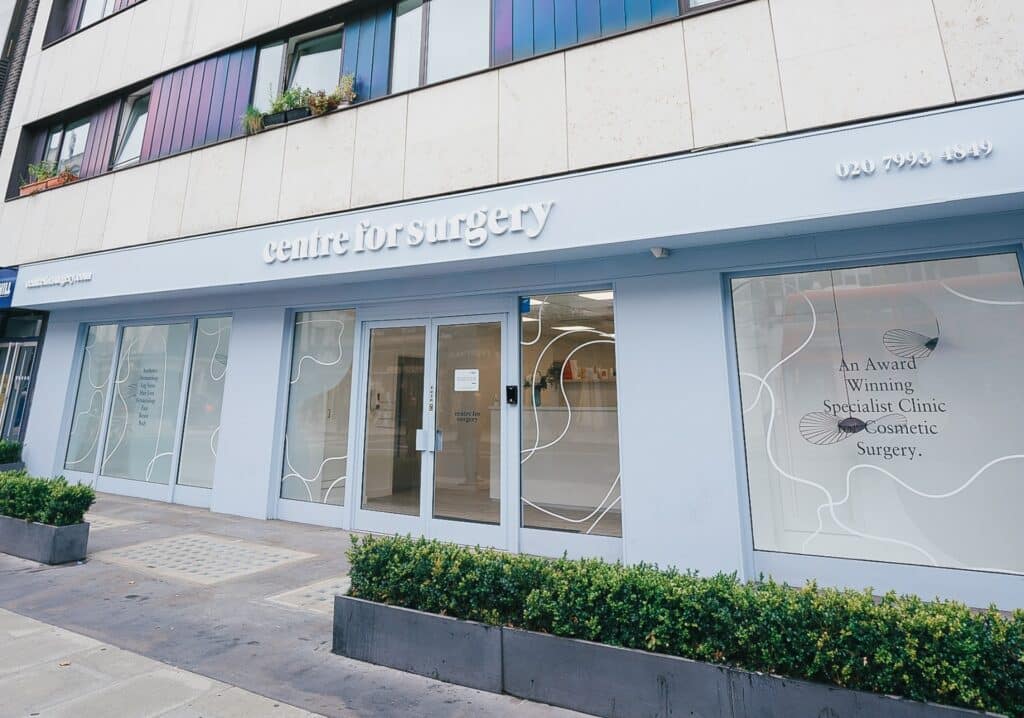
At Centre for Surgery, located in the heart of London, we are dedicated to providing our patients with the highest standard of care in cosmetic surgery, with a particular emphasis on rhinoplasty. Our state-of-the-art clinic on Baker Street is renowned for its exceptional approach to aesthetic transformations, ensuring every patient receives personalised care tailored to their specific desires and needs.
Rhinoplasty, or nose reshaping surgery, is among the most intricate of plastic surgeries, demanding unparalleled precision and artistry. Our surgeons at Centre for Surgery possess the expertise and experience to enhance your nasal contours while ensuring functional integrity, striving for outcomes that are not only aesthetically pleasing but also harmoniously balanced with your overall facial features.
We understand that deciding to undergo rhinoplasty is a significant decision. That’s why we offer comprehensive consultations to discuss your goals, the procedure, and what to expect during recovery. Our dedicated team is here to support you every step of the way, from the initial consultation through to post-operative care.
📞 Phone: 0207 993 4849
📧 Email: contact@centreforsurgery.com
📍 Address: 95-97 Baker Street, London W1U 6RN
Finance options including 0% APR with Chrysalis Finance are available. Learn more at Finance Options.
[contact-form-7 id=”256″ title=”Treatments form”]