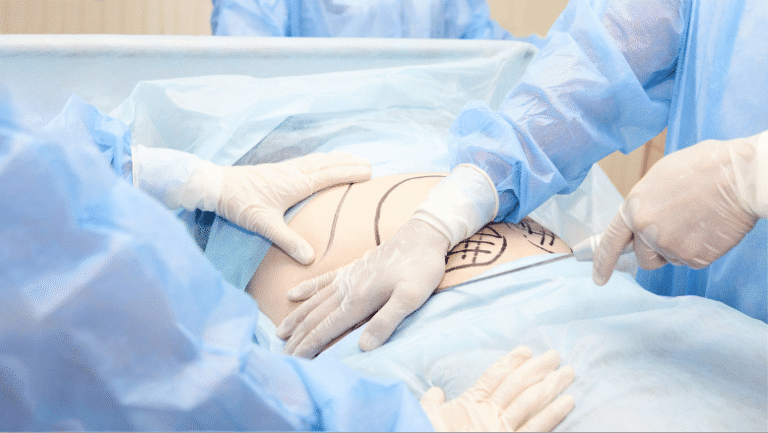
Breast augmentation is a surgical procedure with a long-standing reputation for enhancing body contours and improving self-confidence. Many women find that having breast implants can help them achieve a more balanced silhouette or restore fullness after events such as pregnancy or significant weight loss. One of the most important elements of this procedure is the type of incision used to insert the implants, because the way the surgeon accesses the breast area will determine where any scars appear. This detailed guide provides a comprehensive explanation of the four most common incision locations, including their potential benefits and drawbacks.
RELATED: Different Types Of Breast Augmentation Incisions
Understanding the Importance of Incisions in Breast Augmentation
The incision serves as a gateway into the breast tissue, allowing the surgeon to create a pocket where the implant will sit. Different incision sites offer varying degrees of surgical visibility, which can either simplify or complicate the procedure. There is no single perfect incision type for every patient — factors that can influence a surgeon’s recommendation include your anatomy, the type and size of implants you are considering, whether you need a breast lift, and whether you have plans for breastfeeding in the future.
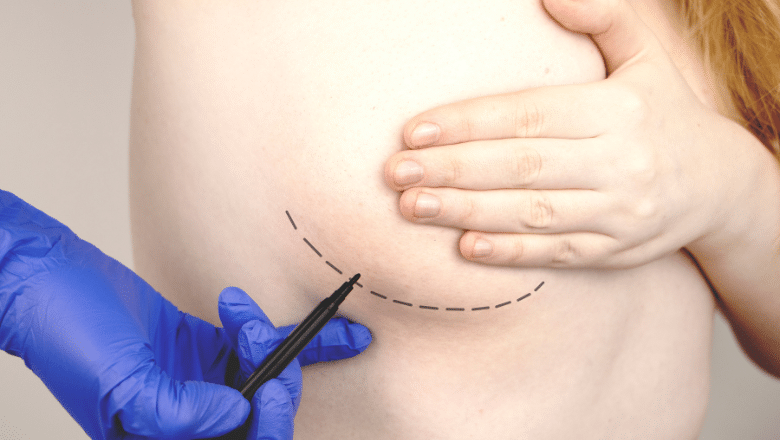
Inframammary Incision
The inframammary incision is made within the crease where the bottom of the breast meets the chest wall. One of the key advantages of this technique is that it grants the surgeon direct access to the underlying tissues, which can make the creation of a suitable pocket for the implant more precise. This level of precision can help with symmetrical results and proper implant positioning.
Another benefit of the inframammary incision is that it usually does not interfere with breastfeeding, as the incision is placed beneath the breast itself. Women who intend to have children in the future often prefer this option because it minimises the chance of difficulties with breastfeeding later. The scar, although discreet, is somewhat more apparent to some individuals, though scars typically fade over time with proper post-operative care.
Periareolar Incision
The periareolar incision is placed around the lower boundary of the areola, where the pigmented skin meets the lighter skin of the breast. This transition area provides an opportunity to conceal any scarring, as the slight variation in skin colour can naturally mask the incision’s location.
RELATED: Periareolar Breast Lift
It is important to keep in mind that the periareolar incision can potentially interfere with breastfeeding and nipple sensation. By operating around the nipple and areola, surgeons may need to cut through some of the milk ducts or nerves. Another consideration is the size of the areola — if the areola is on the smaller side, there might not be enough space to accommodate the implant comfortably. A thorough consultation is the best way to decide whether this route is suitable.
RELATED: Can You Breastfeed with Implants?
Transaxillary Incision
The transaxillary incision is positioned in the armpit area and involves creating a tunnel from the underarm to the breast. Women who choose the transaxillary method are often those who want to avoid any scars on or around the actual breast tissue. However, because the surgeon is working from the armpit rather than from directly under or around the breast, there can be reduced visibility of the breast tissues, which may make it more challenging to position implants with a high level of accuracy.
Another consideration is that if revision surgery is ever needed in the future, the same transaxillary incision usually cannot be reused. For women who prefer or require a breast lift at the same time as their augmentation, the transaxillary incision is usually not the best choice.
Transumbilical Incision
The transumbilical incision, or TUBA approach, involves placing the incision in the belly button. The idea of emerging from surgery with no marks on or near the breasts may be enticing. Nonetheless, there are numerous significant drawbacks to this method, and many reputable surgeons do not offer the TUBA option at all.
When the pocket for the implant is created through the transumbilical approach, there is the risk of less precise placement, which could result in an uneven or unsatisfactory appearance. Additionally, if a patient ever needs revision surgery, the original belly button incision usually cannot be reopened — a brand-new incision site would be required on or around the breasts. Many surgeons and patients feel that the transumbilical incision, with all its risks and challenges, is not worth the trade-off.
Choosing the Ideal Incision for Your Unique Circumstances
Deciding on the best incision for your breast augmentation is a personalised process that should always involve a thorough consultation with a qualified plastic surgeon. Factors like your breast shape and size, your overall health, and the specific type of implants you desire should all be taken into account.
If you envision having children in the near future, consider incision types that carry a lower risk of affecting breastfeeding. If avoiding any visible scar on the breast is paramount, a transaxillary approach might be more fitting. If you prefer maximum precision in implant placement and a predictable result, you might lean towards the inframammary incision. For those who would rather camouflage scars near the areola, the periareolar incision might be especially attractive.
Long-Term Considerations and Revision Surgery
The body changes over time, so the way implants look several years after surgery may differ from how they appear initially. If you need revision breast surgery, the type of incision you initially received can play a role in how straightforward or complex any follow-up procedures might be. If you had a transaxillary or transumbilical incision the first time around, these may not be feasible entry points for future corrections or implant replacements.
Taking a holistic approach to your decision can reduce the likelihood of revision. Spend time reflecting on your long-term goals for your body, your aesthetic preferences, and any future life plans such as pregnancy and breastfeeding. Many patients find it helpful to meet with their surgeon more than once before scheduling surgery so that they can ask additional questions and feel confident in their decision.
The Recovery Process and Scar Healing
Healing after breast augmentation involves giving your body time and support to recover. Many find they can gradually return to normal activities within a few weeks. Immediately after surgery, you will likely notice some swelling, bruising, or discomfort in the chest area. Incision care is one of the most vital aspects of a smooth recovery — you may be given specific ointments or instructions about how to clean the area. Many surgeons recommend silicone gels or sheets once the incision has closed to support optimal healing and flatten the scar over time.
Breast Implant Incisions – What is Best for Me?
Each of the four main incision types — inframammary, periareolar, transaxillary, and transumbilical — can deliver satisfactory outcomes, but the procedure’s complexity, risk profile, and potential for scarring will vary based on which option is selected. A thorough, personalised consultation is the best way to determine which incision location will best align with your goals, body composition, and future plans.
About Centre for Surgery
We are a dedicated plastic surgery clinic committed to helping women feel confident about their figures and well-informed about every aspect of their procedures. Our team of experienced surgeons and support staff take pride in guiding you through the entire journey, from the initial consultation and choosing the right implant to recovering comfortably afterwards. Whether you are exploring the possibilities of breast augmentation for the first time or considering a revision surgery, we are here to provide honest advice, expert surgical skill, and compassion every step of the way.
To book a consultation: 📞 0207 993 4849 | 📧 contact@centreforsurgery.com | 📍 95-97 Baker Street, London W1U 6RN
[contact-form-7 id=”256″ title=”Treatments form”]