
Breastfeeding with Implants – An Overview
Whether a woman can breastfeed after breast implant surgery depends on the size and placement of the implants. For most women, milk production will not be affected, but for others, milk supply may decrease.
Physical Changes to Expect
It is normal for your breasts to change in size and shape after breastfeeding. While breastfeeding does not normally affect the implants themselves, the breast tissues may expand and contract, which causes changes in breast size and shape.
RELATED: Breastfeeding After a Boob Job
Breastfeeding with Breast Implants – Is it Possible?

A commonly asked question among women at Centre for Surgery is ‘Can you breastfeed with breast implants?’ The answer is Yes! Breastfeeding with breast implants is possible, but there are factors to consider.
Procedures such as breast augmentation, breast lift, and breast reduction can potentially affect the nerves and ducts within the breast, which can have an impact on lactation. Some procedures may affect breastfeeding more than others. Therefore, if you plan to have a baby in the future, it is generally recommended to wait until you have completed your family.
Breast implants can cause challenges when it comes to breastfeeding, such as the compression of milk ducts and nerves, which could make breastfeeding more difficult. The size and weight of the implants could have an impact on whether or not you face difficulties with breastfeeding. However, some women may experience difficulties with producing milk regardless of whether they have breast implants or not.
A study published in a Plastic Surgery Journal concluded that women with aesthetic breast implants have a 3 in 4 chance of being able to breastfeed regardless of the type and volume of the implant and the surgical approach. The study also showed that there was a higher chance of successful breastfeeding with retromuscular implants compared to retroglandular implants.
Breast Implant Placement Options and Breastfeeding Considerations
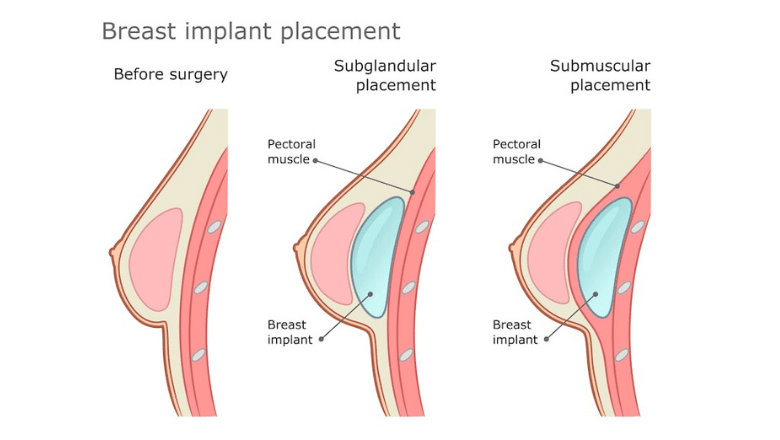
There are two main options for implant placement: above or below the muscle.
One of the possible risks with breast implants is that they could impact milk flow because the implants can put pressure on the milk ducts, which can cause disruption. The risk of breastfeeding difficulties is higher with above-muscle implants.
Above the Muscle Placement
Above-the-muscle implants, also known as retroglandular or sub-glandular implants, are positioned behind the breast tissue and in front of the pectoral muscle. Because of their placement, they can compress the milk ducts and nerves, causing difficulties with breastfeeding.
Under the Muscle Placement
Under-the-muscle implants, also known as retromuscular or submuscular implants, are positioned below the pectoral muscle, which also gives additional support to the breasts. They are also less likely to compress the milk ducts and nerves, so women are generally more likely to successfully breastfeed.
Placing the implants under the muscle offers more benefits, such as a more natural appearance, a lower risk of complications, and a high chance of successful breastfeeding.
Breast Surgery and Its Impact on Breastfeeding
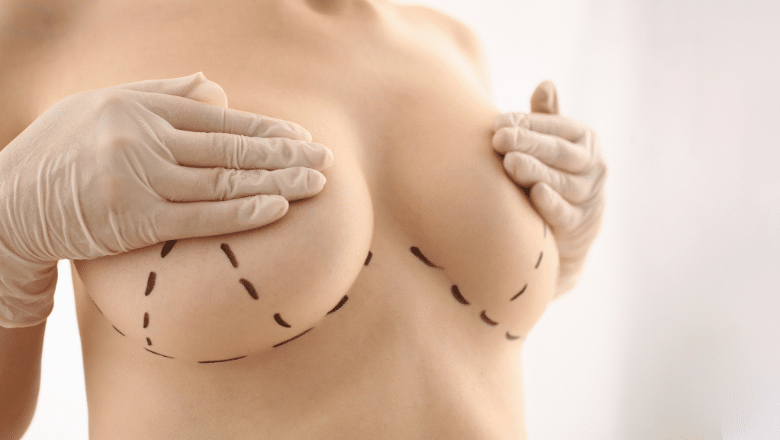
Some procedures, such as breast reduction surgery, inverted nipple surgery, breast lift surgery, and mastectomy, can increase the chances of experiencing difficulties with breastfeeding.
Mastectomy is a more extensive form of breast surgery that typically involves the complete removal of breast tissue. In this case, it is unlikely that you will be able to breastfeed after having a mastectomy. Mastectomies are commonly performed for FTM Top surgery here at Centre for surgery and this includes a double incision mastectomy as part of the procedure.
Inverted nipple surgery should not cause any issues with breastfeeding, but there is a possibility that the surgery may cause damage to the milk ducts. The surgeon’s expertise and experience play a huge part in minimising this risk.
Breast lift (mastopexy) or breast reduction surgery involves repositioning the nipple, which carries the risk of damage to the milk ducts and nerves. So some women may experience challenges in breastfeeding after having these procedures.
If you have any concerns about breastfeeding after breast surgery, we strongly recommend consulting with a specialist plastic surgeon at Centre for Surgery. They will be able to provide personalised guidance and discuss the potential impact of the surgery on your breastfeeding journey.
Top Tips to improve milk supply for breastfeeding mothers
Improving milk supply can be a common concern for breastfeeding mothers. Here are some top tips to help increase and maintain milk supply:
Frequent and Effective Breastfeeding
Breastfeed your baby frequently and on demand. The more often your baby breastfeeds, the more signals your body receives to produce milk, which will ensure your baby latches properly to ensure effective milk transfer.
Establish a Good Breastfeeding Routine
Creating a consistent breastfeeding routine can help stimulate milk production. Try to breastfeed at similar times each day, including nighttime feedings.
Empty the Breasts
Make sure to empty both breasts during each feeding session to signal your body to produce more milk. Offer both breasts at each feeding, or switch to the other breast midway if your baby is still hungry.
Breast Compression
During breastfeeding, try gentle breast compressions to help stimulate milk flow and encourage your baby to continue feeding.
Ensure Proper Hydration and Nutrition
Stay well-hydrated by drinking plenty of water throughout the day. Eat a balanced diet that includes nutrient-dense foods, such as whole grains, leafy greens, lean proteins, and healthy fats.
Breastfeed Skin-to-Skin
Practice skin-to-skin contact with your baby while breastfeeding. This closeness helps stimulate milk production and enhances the bonding experience.
Avoid Pacifiers and Supplemental Bottles
Minimise the use of pacifiers and bottles, as they can disrupt the demand-and-supply cycle of breastfeeding. Direct breastfeeding is the most effective way to stimulate milk production.
Avoid Skipping Feedings
Try to avoid skipping or delaying feedings whenever possible. Regular and frequent breastfeeding sessions are important to maintain milk supply.
Seek Support
Reach out to a lactation consultant or breastfeeding support group for assistance. They can provide guidance, tips, and personalised advice to help improve milk supply and address any breastfeeding concerns you may have.
How to Fix Saggy Breasts After Breastfeeding
After breastfeeding, some women may experience changes in breast shape and firmness, such as sagging or drooping breasts. Here are some options to help address saggy breasts after breastfeeding:
Supportive Bras
Wearing well-fitting, supportive bras can help lift and support saggy breasts. Look for bras with full cups, wide shoulder straps, and underwire.
Breast Exercises
Certain exercises can help strengthen the muscles underneath the breasts, which may improve their appearance. For example, chest presses, push-ups, and dumbbell flyes. You may wish to consult with a personal trainer or physiotherapist for specific guidance on exercises suitable for you.
Maintain a Healthy Weight
Fluctuations in weight can affect breast shape and firmness. Try to maintain a healthy weight through a balanced diet and regular exercise to help preserve breast tissue elasticity.
Moisturise and Hydrate
Regularly moisturises the breast area to help improve skin elasticity. Drinking plenty of water also helps maintain overall skin hydration.
Topical Treatments
Some creams and lotions claim to firm and tighten the skin. Look for products containing ingredients like retinol, hyaluronic acid, collagen, or elastin.
Consider a Breast Lift (Mastopexy)
Breast lift surgery may be an option if sagging breasts bother you. This procedure involves removing excess skin, reshaping the breast tissue, and repositioning the nipples to achieve a more lifted look. Consult with a plastic surgeon at Centre for Surgery to discuss the suitability of a breast lift for your specific situation.
RELATED: How To Treat Sagging Breasts After Breastfeeding
Frequently Asked Questions – Breastfeeding with Breast Implants

Can I breastfeed with breast implants?
Yes, it is generally possible to breastfeed with breast implants. However, some women may experience a decrease in milk production compared to those without implants. Opting for breast implant placement underneath the muscle may increase the chances of successful breastfeeding.
What do implants look like after breastfeeding?
Breast implants themselves are not affected by breastfeeding. However, some women may notice changes in breast shape due to reduced skin elasticity during pregnancy and nursing. This can result in sagging or a lower appearance of the breast implants. If this concerns you, breast implant replacement surgery may be a suitable solution.
How long should I wait after breastfeeding before getting breast implants?
Most doctors recommend waiting at least six months after you stop breastfeeding to allow your body to recover from pregnancy and nursing. It is important to wait until your breasts have reached their final size and shape before considering breast implant surgery. This precaution can help minimise the need for future surgeries.
Can breastfeeding with breast implants harm my baby?
No, breastfeeding with breast implants does not harm your baby. The risk of breast milk contamination from implants is low. Even in the case of a ruptured implant, silicone leakage into breast milk is unlikely. If you have concerns about breastfeeding with a ruptured implant, it is recommended to undergo an MRI and consult with your plastic surgeon for appropriate advice.
Will breastfeeding ruin my implants?
No, breastfeeding itself will not ruin your breast implants. While breastfeeding may cause changes in breast shape, it does not directly impact the implants. However, in some cases, women may experience implant movement after breastfeeding, particularly if they have a history of smoking or large breast size. If this occurs, surgical intervention may be necessary to reposition the implants.
RELATED: Can Pregnancy Ruin My Breast Implants?
How can I restore my breasts after breastfeeding?
It may not be possible to restore your breasts to their pre-breastfeeding appearance completely. However, over time, the size and shape of your breasts may return to some extent. This process can take several months to a few years, so patience is key. If you are still dissatisfied with the appearance of your breasts after a few years, surgical options such as a breast lift may be considered.
Why choose Centre for Surgery?
At Centre for Surgery, we strive to provide exceptional care and expertise in the field of plastic and cosmetic surgery. Here are some reasons why you may choose Centre for Surgery:
Specialist Plastic Surgeons
Our Baker Street clinic is staffed by highly skilled and experienced plastic surgeons who have undergone rigorous training in their respective fields. They are board-certified and have a wealth of knowledge and expertise in various surgical procedures.
Comprehensive Range of Procedures
Centre for Surgery offers a wide range of plastic and cosmetic surgical procedures, including breast augmentation, liposuction, facelift, rhinoplasty, and many others. We aim to meet the diverse needs and desires of our patients by providing tailored treatment plans to achieve their desired outcomes.
State-of-the-Art Facilities
Our clinic is equipped with modern, state-of-the-art facilities and technology to ensure the highest standards of patient care and safety. We prioritise creating a comfortable and welcoming environment for our patients throughout their surgical journey.
Commitment to Safety
Patient safety is our utmost priority. Our surgeons follow stringent safety protocols and adhere to industry best practices. We ensure that our surgical techniques and procedures are up to date, minimising risks and maximising outcomes.
We understand that choosing a plastic surgery clinic is an important decision. We encourage you to schedule a consultation with one of our specialist plastic surgeons at Centre for Surgery by calling 0207 993 4849 to discuss your specific needs and goals.
[contact-form-7 id=”256″ title=”Treatments form”]