
In the first instalment of a two-part series, our expert plastic surgeons at Centre for Surgery in London delve into the current popular term in facial rejuvenation surgery: the deep plane facelift. This article aims to demystify the core principles of facial anatomy, trace the development of facelift techniques from their inception at the dawn of the 20th century, and highlight the crucial role of the plastic surgeon’s expertise in achieving the best possible outcomes.
The concept of facial rejuvenation has evolved significantly over the years, reflecting advancements in medical knowledge and surgical skills. As we navigate through the history and progression of facelift techniques, it’s evident that the journey from the earliest methods to the latest innovations, such as the deep plane facelift, represents a quest for more refined, lasting, and natural-looking results.
RELATED: Benefits of a Deep Plane Facelift
The emergence of the deep plane facelift as a conversation topic among professionals and the public has reignited debates over the efficacy and superiority of different facelift techniques. Such discussions are not new to our clinic; they echo debates that have persisted since we began offering facelift surgeries. The advent of social media and modern marketing strategies in recent years has only intensified this discourse, providing a platform for various techniques to be promoted as the “latest and greatest” in a competitive landscape.
However, amid the whirlwind of social media trends and marketing hype surrounding the deep plane facelift, it’s crucial to approach the subject with a balanced perspective. This technique, while being presented as a breakthrough, is part of a long-standing tradition of surgical innovation aimed at enhancing facial aesthetics. By examining the deep plane facelift within the broader context of facial rejuvenation surgery, we can appreciate its role in the continuum of surgical advancements designed to offer individuals the most effective solutions for their aesthetic concerns.

Understanding Facial Anatomy and the Ageing Process
To truly grasp the complexities of facial rejuvenation and the ageing process, it’s essential to begin with a thorough understanding of facial anatomy. The human face, a marvel of biological engineering, is composed of multiple layers of tissue, each playing a pivotal role in its appearance and functionality.
RELATED: What are the signs of ageing in the face over time?
At the very surface, we encounter the skin, a remarkable organ in its own right, which acts as a protective barrier and reflects many of the visible signs of ageing. Directly beneath the skin lies a layer of fatty tissue, which varies in thickness across different regions of the face. This layer is not just a passive deposit of fat; it’s instrumental in giving the face its contour and fullness, which can diminish with age.
Beneath the fat layer, we find a crucial component in the structural integrity of the facial tissues: the Superficial Muscular Aponeurotic System, or SMAS for short. This relatively thin but robust layer of muscle extends across the face and into the neck, transitioning into what is known as the platysma muscle. The SMAS plays a key role in facial expressions and the overall youthful appearance of the skin.
A network of fibrous septae, akin to a series of minute ropes, connects the skin to the SMAS. These structures weave through the fatty layer, anchoring the skin to the underlying SMAS. This connection is vital for transmitting facial movements from the muscles to the skin, allowing us to express a wide range of emotions.
Beneath the surface of the SMAS lies a complex network comprising nerves, arteries, veins, and glands, along with numerous specific facial muscles responsible for both the subtle and pronounced movements that convey our emotions and reactions. This intricate web of structures ensures our facial expressions are nuanced and dynamic, playing a critical role in non-verbal communication.
The facial skeleton, the bony framework that provides structure and shape to the face, supports all these layers. Changes in the bony structure with age can influence the overall appearance of the face, contributing to the ageing process.
As we age, each of these layers undergoes changes. The skin loses elasticity and begins to sag, the fatty layer may diminish or become redistributed, leading to changes in facial volume, and the SMAS and other connective tissues can lose their tightness and resilience. These changes, combined with alterations in the facial skeleton, contribute to the visible signs of ageing.
RELATED: SMAS Facelift vs Deep Plane Facelift
The Progressive Journey of Facial Rejuvenation Surgery: From Surface to Depth

Facial rejuvenation surgery has undergone a remarkable evolution since its inception over a century ago. Initially, the practice of facelifts centred around a relatively simplistic approach: addressing facial sagging by merely lifting and pulling the skin. This early methodology, however, soon revealed its limitations. The primary issue was the transient nature of the results. Skin, a less resilient tissue, could not sustain the effects of such tension over time, often leading to unnatural or overly taut outcomes.
This initial technique faced inherent challenges. When skin is pulled tight in an attempt to alleviate sagging and then sutured in place without addressing the underlying structural tensions, the integrity of the results is compromised. The skin, subjected to the relentless forces of gravity and ageing, may stretch and loosen, creating an artificial appearance characterised by distorted contours or exaggerated tightness. Moreover, the scars resulting from this method, positioned in areas under constant tension, were prone to stretching and becoming more conspicuous over time, further detracting from the aesthetic outcome.
As the understanding of facial anatomy deepened, so did the strategies for facial rejuvenation. Surgeons recognised the necessity of a more holistic approach—one that considered the underlying structures of the face rather than merely its superficial aspects. The objective shifted towards relieving the skin of the primary burden of tension, instead redistributing these forces to the sturdier, deeper layers of facial tissue. This insight led to the development of techniques that targeted the foundational elements of facial structure, such as the Superficial Muscular Aponeurotic System (SMAS) and other deeper tissues.
RELATED: SMAS Facelift
The evolution towards deeper surgical techniques marked a significant milestone in the quest for lasting and natural-looking results in facial rejuvenation. By engaging the deeper layers of the face, surgeons were able to achieve improvements in facial contour and tightness that were both more durable and more harmonious with the natural expressions and movements of the face. These advanced methods allowed for a repositioning and reorientation of the facial tissues in a manner that mirrored the youthful state of the face more closely, enhancing the overall outcome of the surgery.
This shift towards more profound and more comprehensive surgical approaches reflects a broader understanding of the complexity of facial ageing. It acknowledges that the signs of ageing are not merely superficial but are the result of changes occurring at multiple levels within the facial structure. By addressing these deeper layers, facial rejuvenation surgery now offers solutions that are not only more effective in the short term but also provide benefits that are more enduring and satisfying to patients.
RELATED: Different Types of Facelift And Neck Lift
The journey from surface-level interventions to the sophisticated, depth-focused techniques of today illustrates the dynamic nature of plastic surgery—a field continually refined by advances in medical knowledge and surgical expertise. This progression underscores the importance of a nuanced understanding of facial anatomy and the ageing process, ensuring that facial rejuvenation surgery remains at the forefront of aesthetic medicine and offering individuals the opportunity to restore their youthful appearance with results that are as natural as they are lasting.
Role of the SMAS Layer in Enhancing Facelift Surgery Outcomes

During the transformative decades of the 1960s and 1970s, a significant advancement in the field of plastic surgery was the identification and understanding of the Superficial Muscular Aponeurotic System (SMAS) layer’s critical role in facelift surgery. This period marked a paradigm shift in how surgeons approached the ageing process, recognising that addressing the ageing skin alone was insufficient for achieving the desired rejuvenation effects.
The SMAS layer, situated closely beneath the skin and enveloping the facial muscles, becomes equally susceptible to the ageing process. Over time, it undergoes stretching and loosening, contributing to the overall appearance of ageing. The realisation that the SMAS layer could be strategically tightened and repositioned to provide a more robust foundation for the overlying skin revolutionised facelift surgery. By manipulating the SMAS layer, surgeons could significantly reduce the tension on the skin, thereby enabling a more natural, youthful, and enduring aesthetic outcome.
The surgical community’s exploration into the SMAS layer led to the development of various innovative techniques, each aiming to adjust this foundational layer optimally. These methods ranged from lifting, cutting, and suturing the SMAS to adjusting its position through different vectors. The diversity of these techniques offered surgeons a broad spectrum of options, allowing them to tailor their approach to meet the unique anatomical and aesthetic needs of each patient.
Despite the enthusiasm for each new technique, heralded by its proponents as the superior choice, the truth lies in the versatility and effectiveness of the SMAS-based approaches. While some techniques offer specific benefits or pose certain limitations and risks, the overarching consensus is that the manipulation of the SMAS layer, when performed adeptly, can significantly enhance the outcomes of facelift surgery.
The surgeon’s expertise, experience, and understanding of the patient’s specific concerns and desires are crucial in selecting the most appropriate technique. Customising the approach to the individual’s needs is paramount, ensuring that the results align closely with the patient’s expectations for a more youthful and natural appearance.
At Centre for Surgery, we recognise the intrinsic value of both the deep plane and SMAS facelift techniques in our repertoire of facial rejuvenation options. Our commitment to offering tailored, patient-centric solutions is reflected in our comprehensive consultation process, where we engage with each patient to understand their unique facial anatomy, ageing concerns, and aesthetic goals. Our experienced surgeons, equipped with a profound understanding of the SMAS layer’s role and an arsenal of advanced techniques, are dedicated to achieving the best possible outcomes for our patients.
Facelift surgery, particularly when it involves sophisticated manipulation of the SMAS layer, demands technical skill, an artistic eye, and a deep commitment to personalised care. At Centre for Surgery, we stand at the forefront of these advancements, continually refining our techniques to enhance the natural beauty and confidence of our patients. If you’re considering a facelift, we invite you to discuss your options with our team and explore how we can help you achieve your desired results.
PART 2: Comparing The Deep Plane Facelift with Traditional Techniques: Which Is Superior?
Why Choose Centre for Surgery for Your Deep Plane Facelift?
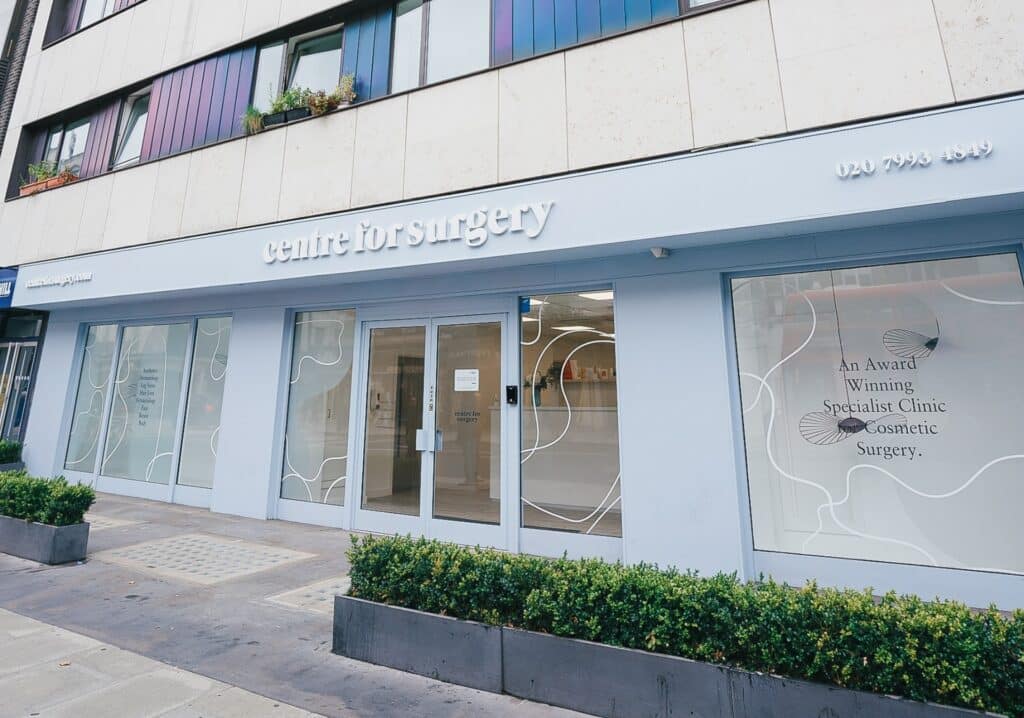
At Centre for Surgery, we are at the forefront of facial rejuvenation techniques, offering state-of-the-art deep plane facelifts that embody the pinnacle of surgical innovation and aesthetic expertise. Our clinic, nestled in the heart of London at 95-97 Baker Street, is a beacon of excellence in plastic surgery, where cutting-edge techniques and personalised care converge to create truly transformative results.
Unparalleled Expertise and Personalised Care
Our team of highly skilled plastic surgeons possesses a deep understanding of facial anatomy and the intricacies of the ageing process. This knowledge, combined with our surgeons’ technical proficiency and artistic vision, allows us to offer deep plane facelifts that achieve natural-looking, enduring results. We pride ourselves on our commitment to personalised care, ensuring that each patient’s unique needs and aesthetic goals are met with the utmost precision and compassion.
State-of-the-Art Facilities
The Centre for Surgery’s Baker Street clinic provides a welcoming and fully equipped environment for both consultations and surgeries. Our facilities are designed to ensure your comfort and safety, with advanced medical technology supporting the highest standards of care.
Comprehensive Consultation Process
Choosing to undergo a deep plane facelift is a significant decision, and we believe in the importance of informed patient choice. Our comprehensive consultation process enables us to understand your aesthetic goals, discuss the procedure in detail, and create a tailored treatment plan that aligns with your expectations.
Finance Options
We believe that everyone deserves access to the highest-quality cosmetic surgery. To make your aesthetic journey more affordable, we offer a range of finance options, including 0% APR with Chrysalis Finance. For more details, visit our finance options page.
Further Information
Our plastic surgery blog offers a wealth of resources for those seeking more information about our procedures and the latest advancements in plastic surgery. Additionally, our clinic FAQs provide answers to common questions about our services and patient care.
Book Your Consultation
If you’re considering a deep plane facelift, we invite you to book a consultation with our expert team. To schedule your appointment, contact us at 0207 993 4849 or email us at contact@centreforsurgery.com. For more information about our clinic and the exceptional level of care we provide, please visit our About Us page.
[contact-form-7 id=”256″ title=”Treatments form”]