What are Heavy Eyelids?
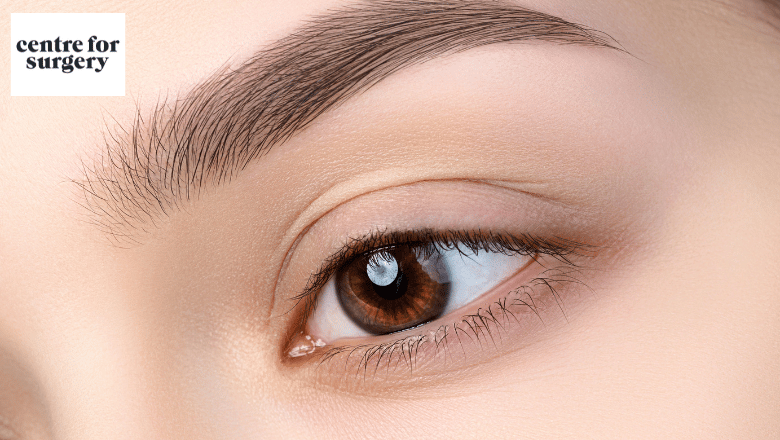
When we mention ‘heavy eyelids’, it’s not about feeling tired after a late night or enduring a lengthy meeting. It refers to a medical condition known as ptosis or dermatochalasis, where the upper eyelids droop. This sagging of the eyelids can make you look more tired than you really are, and in some cases, it might even affect your vision.
While growing older is a significant factor in developing heavy eyelids, it’s not the only one. Genetics can play a role – you might have inherited the trait from your parents. Lifestyle choices, too, can contribute. For instance, long-term stress or eye strain might cause your eyelids to sag over time.
Here at Centre for Surgery, we’re a leading plastic surgery clinic based in London. Our highly skilled surgeons are experienced in performing a range of facial plastic surgeries, including blepharoplasty. This procedure, also known as an eyelid lift, can effectively address heavy eyelids, giving you a more refreshed, youthful appearance.
RELATED: Eyelid Ptosis – How Eyelid Surgery Can Help Droopy Eyes
Causes of Heavy Eyelids leading to needing Upper Eyelid Surgery (Blepharoplasty)
Heavy eyelids, also known as ptosis, can be caused by various factors, including age, genetics, medical conditions, and lifestyle habits. When heavy eyelids become severe, they can impair vision and make a person appear tired or older than they are. In some cases, upper eyelid surgery, also known as blepharoplasty, may be recommended to correct the condition. Here are some of the most common causes of heavy eyelids:
Age
As we age, our skin loses elasticity, and our muscles weaken, causing the skin on our eyelids to sag. This can cause the eyelids to become heavy and droopy, leading to impaired vision and an older, tired appearance.
Genetics
Some people are born with a genetic predisposition to ptosis. This can be caused by several factors, including weak eyelid muscles, a naturally low brow position, or excess eyelid skin.
Medical conditions
Certain medical conditions can cause heavy eyelids. For example, thyroid eye disease can cause inflammation and swelling of the tissues around the eyes, leading to a heavy, droopy appearance. Neurological conditions such as myasthenia gravis can also cause muscle weakness and ptosis.
Lifestyle habits
Certain lifestyle habits can contribute to heavy eyelids. For example, excessive alcohol consumption can cause dehydration and swelling, leading to a heavy appearance of the eyelids. Smoking can also cause skin damage and premature ageing, leading to sagging eyelids.
Injury
Trauma to the eye or eyelid can cause damage to the muscles or tissues that support the eyelids, leading to a heavy, droopy appearance.
RELATED: Eyelid Surgery FAQs – Q&A about Blepharoplasty
Early Signs of Heavy Eyelids
One of the key initial signs of droopy eyelids, also known as heavy eyelids, is a continuous sensation of tiredness or stress in your eyes. This feeling persists even after a good rest or a full night’s sleep. Your eyelids might feel like they’re dragging down, as if something heavy is pulling on them.
Another telltale sign of droopy eyelids is the constant appearance of exhaustion or lack of interest on your face. This is because your eyes may not seem as wide open as they used to be. Comparing your recent photos with those taken a few years ago can make this change even more obvious.
Moreover, you might find yourself constantly raising your eyebrows to lift your eyelids or alleviate heaviness. This unconscious action could result in wrinkles forming on your forehead.
In certain instances, sagging eyelids can start affecting your vision, particularly the edges of your visual field, known as peripheral vision. You might discover that you need to tilt your head backwards to see things more clearly.
Droopy eyelids can also cause physical discomfort. This might include eye irritation or an aching sensation around the eyes. Some individuals may experience increased tear production or discomfort when wearing contact lenses.
Prevention of Heavy Eyelids
While some of the primary factors that lead to heavy eyelids, like ageing and genetics, are beyond our control, that doesn’t mean there aren’t steps we can take to delay or even prevent the onset of this condition.
Quit Smoking
Smoking not only harms your overall health but can also accelerate the ageing of your skin. The harmful free radicals found in tobacco can lead to premature skin ageing, so quitting smoking can be hugely beneficial in the fight against sagging eyelids.
Prioritise Quality Sleep
Sleeping well is integral to keeping your skin, including the skin on your eyelids, healthy. Lack of sleep can lead to swollen or droopy eyelids, so aim for a solid 7-8 hours of sleep every night.
Follow a Balanced Diet
A diet full of fruits, vegetables, lean proteins, and healthy fats can help keep your skin looking its best.
Protect Your Eyes from the Sun
The skin around your eyes is incredibly delicate and particularly vulnerable to sun damage. Regular use of sunglasses and sunblock can protect this sensitive area.
Reduce Screen Time
Spending too much time staring at digital screens can strain and fatigue your eyes, contributing to heavy eyelids.
Why are the eyelids the first to show signs of ageing?
The eyelids are often the first area of the face to show signs of ageing because the skin in this area is fragile and delicate. In addition, the eyelids are constantly in motion, as we blink and squint throughout the day.
As we age, the skin on the eyelids begins to lose its elasticity, collagen and hyaluronic acid, causing it to become loose and saggy. In addition, the muscles that support the eyelids may weaken, leading to a droopy, tired appearance.
RELATED: How to Fix Droopy Eyelids
The fat pads normally present in the eyelids can also shift or become more prominent with age, leading to under-eye bags or puffiness.
Other factors that can contribute to premature eyelid ageing include sun damage, smoking, stress, and poor lifestyle habits.
Considering upper eyelid surgery or lower eyelid surgery?
Whether to consider upper eyelid surgery or lower eyelid surgery (or both) will depend on your specific concerns and goals. Both upper and lower eyelid surgery, also known as blepharoplasty, can address different aesthetic and functional issues.
Upper eyelid surgery is commonly performed to remove excess skin and fat from the upper eyelids, which can cause the eyelids to droop and may impair vision. This procedure can create a more youthful and alert appearance and improve the field of vision.
Lower eyelid surgery, on the other hand, is performed to reduce under-eye bags, dark circles, and puffiness. The procedure can create a more refreshed and rejuvenated appearance.
In some cases, both upper and lower eyelid surgery may be recommended to achieve the desired results.
RELATED: What are the benefits of eyelid surgery?
Blepharoplasty surgery is becoming more popular in the UK. According to the British Association of Aesthetic Plastic Surgeons (BAAPS), blepharoplasty was one of the top five most commonly performed cosmetic surgery procedures in the UK in 2020, with over 4,000 procedures performed.
Advances in surgical techniques and technology have made blepharoplasty at Centre for Surgery a safe and effective procedure with minimal downtime. Patients can typically return to their normal activities within a week or two after surgery.
Ptotic eyelids – When does eyelid skin start to become saggy, crepey or droopy?
The age at which facial and eyelid skin start to become crepey, sag, or droop can vary from person to person and depend on various factors, including genetics, lifestyle habits, and exposure to the sun and other environmental factors.
In general, however, the skin around the eyes and on the face begins to lose elasticity and collagen in the late 20s or early 30s. As we age, typically after 40, the loss of elasticity and collagen becomes more noticeable and may lead to wrinkles, fine lines, and other signs of ageing, including ptotic eyelids.
RELATED: Eyelid Surgery In Your 30s, 40s, 50s And 60s
While ageing is the most common cause of ptotic eyelids, it can also be caused by medical conditions such as thyroid eye disease, nerve damage, and eye infections, as well as by certain medications and lifestyle factors such as smoking, alcohol consumption, and sun damage.
Treatment Options for Heavy Eyelids
Non-Surgical Options
There are several non-surgical options for treating droopy eyelids that can provide significant results without the recovery time associated with surgery.
Muscle Relaxing Injections
Anti-wrinkle injections are a popular non-surgical treatment for various cosmetic issues, including droopy eyelids. They use muscle-relaxing injections that work by blocking nerve signals in the muscles where they’re injected. When administered into specific muscles around the eyes, these injections can help to relax these muscles, subtly lifting the eyebrows. The effects typically last only 3 to 6 months, so to maintain the results, you’ll need repeated treatments.
Dermal Fillers
Another non-surgical treatment to consider is facial fillers. These are composed of hyaluronic acid and can be used to add volume and support the brow and upper eyelid areas. Depending on the specific type of filler used and individual response, the impact of dermal fillers can last anywhere from six months to two years.
Surgical Approaches
Surgical options may be considered if non-surgical treatments don’t achieve the desired improvements, or if heavy eyelids significantly impair your vision or affect your lifestyle.
Blepharoplasty
Blepharoplasty is often the preferred surgical method for definitively addressing heavy eyelids. This procedure, commonly known as an “eyelid lift,” aims to rejuvenate your eyes by tackling the issues that lead to heavy eyelids.
Blepharoplasty can be performed on the upper, lower, or both eyelids, depending on the patient’s needs. During an upper eyelid blepharoplasty, the plastic surgeon creates an incision along the natural crease line of the eyelid. Through this incision, the plastic surgeon removes or repositions the excess skin, muscle, and fat, causing the heaviness and droopiness.
The operation can be conducted under local or general anaesthesia, depending on the patient’s health and preferences, as well as the complexity of the procedure. Recovery from a blepharoplasty takes a few weeks.
Blepharoplasty’s outcomes are durable. Although the procedure doesn’t halt the ageing process, it effectively rolls back the years, and the eyelids should maintain a more open and rejuvenated appearance for many years to come.
Ptosis repair
Ptosis repair and blepharoplasty are two different procedures aimed at improving the appearance of the eyelids, but they address different aspects of the problem. While blepharoplasty removes excessive skin, muscle, and fat from the eyelids, ptosis repair targets the weakened levator muscle, which is often the cause of droopy eyelids.
This surgical procedure is designed to either strengthen or reattach the levator muscle, effectively pulling up the sagging eyelid and restoring a more normal appearance to your eyes. Ptosis repair is usually done under local anaesthesia, although general anaesthesia can be used if necessary. Recovery time from ptosis repair is typically quite short, and most people can get back to their regular routine within one or two weeks.
Is Eyelid Surgery only for people over fifty years of age?
Eyelid surgery, also known as blepharoplasty, is not only for people over 50. While ageing is a common cause of eyelid sagging, puffiness, and wrinkles, other factors such as genetics, sun exposure, and lifestyle habits can also contribute to these concerns at any age.
In fact, younger people may be good candidates for eyelid surgery if they have certain medical conditions, such as ptosis, or if they have excess skin or fat deposits around the eyes that are causing functional or cosmetic concerns.
Eyelid Surgery Requires an Experienced Surgeon
Eyelid surgery, also known as blepharoplasty, requires an experienced surgeon on the GMC specialist register with extensive training and expertise in facial plastic surgery. The eyes are a complex and delicate part of the face, and surgery in this area requires a high degree of precision and attention to detail.
RELATED: What does eyelid surgery involve?
When choosing a surgeon for eyelid surgery, it is essential to do your research and to select someone highly qualified and experienced. Look for a surgeon with a good reputation, positive reviews, and a portfolio of before-and-after photos of their previous work.
Scars after Surgery on Your Eyelids
Like any surgical procedure, eyelid surgery (blepharoplasty) can leave scars. However, with proper care and attention, the scars can be minimised and become less noticeable over time.
Following your surgeon’s postoperative instructions is important to help minimise scarring after eyelid surgery. This may include avoiding sun exposure, keeping the area clean and moisturised, and avoiding strenuous activities or heavy lifting after surgery.
RELATED: What do blepharoplasty scars look like?
Your surgeon may also recommend the use of scar-reducing creams or silicone sheets to help promote healing and reduce the appearance of scars.
FAQs about Heavy Eyelids
What leads to heavy eyelids?
Several factors can lead to the development of heavy eyelids. Ageing is a key contributor, as the loss of skin elasticity and the decline in muscle tone can cause the eyelids to droop. Other factors could include genetics, lifestyle habits such as smoking or excessive alcohol use, sun damage, and certain medical conditions like hypothyroidism.
What happens during a blepharoplasty procedure?
Blepharoplasty, or eyelid surgery, involves removing excess skin, muscle, and in some cases fat, from the eyelids to help reduce their heaviness. During the procedure, the plastic surgeon will make a cut along the natural fold of your eyelid, which helps to ensure any scarring is less visible.
What can I expect during recovery from eyelid surgery?
Recovery from eyelid surgery, like blepharoplasty or ptosis repair, generally takes a few weeks. Initially, you may experience some swelling, bruising, and discomfort. These symptoms should lessen over time as your body heals.
Are there non-surgical methods to treat heavy eyelids?
Yes, there are several non-surgical approaches to address heavy eyelids. These can range from lifestyle changes, such as improving sleep, eating a healthier diet, and reducing screen time, to specific exercises that strengthen the muscles around your eyelids. Non-surgical cosmetic procedures such as muscle-relaxant injections and dermal fillers can also help reduce the appearance of heavy eyelids.
Why Choose Centre for Surgery?
Choosing Centre for Surgery means committing to your health, well-being, and appearance. Our clinic, based in London, is home to a team of highly skilled and experienced plastic surgeons who specialise in a range of procedures, including those designed to address heavy and hooded eyelids.
Expertise
Our surgeons possess a wealth of knowledge in cosmetic and plastic surgery and bring a high degree of proficiency and precision to each procedure.
Patient-centred care
We believe in an approach that puts you, the patient, at the centre of everything we do. From your initial consultation through to post-operative care, our team is committed to providing you with the highest quality of service.
State-of-the-art facilities
Our clinic is equipped with the latest medical technology and follows stringent safety standards.
Comprehensive Consultation
We take the time to fully understand your needs and expectations, providing you with detailed information about the available options.
Exceptional postoperative care
We recognise the importance of post-operative care. Our dedicated team will continue to monitor your recovery and provide the necessary support to ensure optimal results.
Proven track record
Over the years, we have helped numerous patients enhance their appearance and confidence.
Choose Centre for Surgery for a professional and supportive approach to cosmetic surgery that prioritises your needs and well-being above all else.

[contact-form-7 id=”256″ title=”Treatments form”]