

Get Rid of Unwanted Body Fat in Specific Places
Over time, most of us experience weight gain and changes in how fat is distributed across our body. While there’s no substitute for a healthy diet and regular exercise, sometimes that’s not enough to get the body shape you want. This is where body shaping treatments like liposuction and even breast reduction come into play. These treatments are popular options for both men and women looking to get rid of unwanted bulges, redefine their waistlines, and slim down areas like the hips and thighs.
RELATED: What Are The Best Areas For Liposuction?
Questions to Think About When Considering Liposuction and Other Fat-Trimming Methods:
- Have you noticed your Body Mass Index (BMI) increasing year on year?
- Despite regular gym workouts, are you still struggling with uneven fat distribution and persistent bulges?
Even if you’re generally slim and in good shape, you may still have specific areas of your body that are soft, saggy or have stubborn bulges. If this sounds like you, or if you’re a bit overweight but your BMI is stable and your body fat isn’t evenly spread, then treatments like liposuction or a tummy tuck could be worth considering.
Specific body areas, like the thighs or the stomach, may not respond well to exercise, particularly if you’ve gone through weight fluctuations or have had children. If you live an active and healthy lifestyle but still find there are stubborn pockets of fat that won’t go away, liposuction might be a practical solution for achieving the body shape you desire.
Who’s the Right Fit for Liposuction Surgery?
- Are you generally in good health and reasonably fit?
- Do you have specific areas of fat that just won’t go away, despite dieting and exercise?
- Are you looking to smooth out uneven areas and get a more contoured body shape?
- If you’re a man, are you bothered by ‘man boobs’ or ‘moobs’?
If you’ve answered ‘YES’ to these questions, then Liposuction Surgery, specifically body contouring with tumescent liposuction, might be just the treatment you’re looking for.
For men dealing with ‘man boobs’ or ‘moobs’, there’s a specific surgical option called Gynecomastia surgery. This involves a combination of liposuction and surgical techniques to reduce fatty breast tissue, providing a flatter, more masculine chest area.
Liposuction Isn’t One-Size-Fits-All
Everyone is unique, and what might work for one person may not be suitable for another. You might be a good candidate for liposuction or lipo-sculpture, which is a more detailed form of body contouring. However, the best approach varies from patient to patient and depends on what areas of stubborn fat you’re looking to address.
If you’re generally fit and have skin that bounces back well, liposuction could be a good way to smooth out specific problem areas. On the other hand, if you have a significant amount of excess fat or your skin is quite loose, other treatments, such as a tummy tuck or a weight management program, might be more appropriate. In some cases, a combination of treatments may offer the best results.
It’s crucial to consult with a specialist surgeon at Centre for Surgery to discuss your specific needs and determine the most effective treatment plan for you.
What Is Liposuction?
Liposuction is a surgical procedure that enhances your body’s shape by removing excess fat between your skin and muscle layers. It’s a widely accepted method for body shaping but is not a substitute for maintaining a healthy lifestyle. Your results will be more sustainable if you’re committed to staying fit and healthy both before and after the procedure.
Key Features of Liposuction:
- Tumescent Liposuction: This is one of the most popular types of liposuction, although there are multiple methods available.
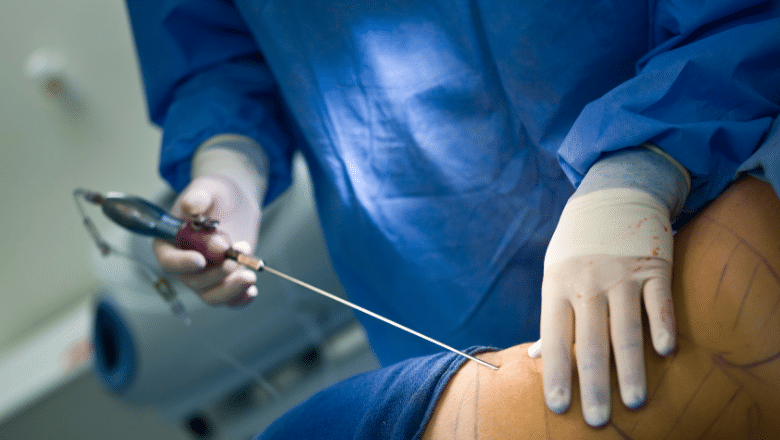
- Cannula: The procedure uses a small stainless steel tube, known as a cannula, to remove the fat.
- High-Tech Suction: As the name ‘lipo-suction’ suggests, advanced suction technology is a fundamental part of the procedure.
- Injections: Before beginning the suction process, injections are made into the target areas to minimise swelling and bleeding.
How Does It Work?
Your surgeon begins by making small incisions in the targeted areas where fat reduction is planned. A thin tube, known as a cannula, is then inserted through these incisions and connected to a powerful suction device. As the cannula moves through the fatty layers, it creates tiny tunnels while removing excess fat cells. During the healing process, these tunnels gradually close, allowing the skin to adjust and creating a smoother, more contoured appearance.
RELATED: Liposuction FAQs – Q&A about Fat Removal Surgery
How Long is the Recovery Period After Liposuction? Plan for Various Timelines
Recovery times after liposuction can differ significantly from person to person. In general, it’s a good idea to plan for at least two weeks off from your regular responsibilities. Always consult your surgeon for personalised advice on when it’s safe to return to specific activities, such as lifting, exercise, or driving.
What to Expect During Recovery:
Tenderness and Bruising
It’s common to experience tenderness, soreness, and even bruising post-surgery.
Back to Work
Depending on various factors like your overall health and the extent of the liposuction, you may be able to resume some work duties as soon as a week or two after the procedure.
Important Recovery Tips
Wearing your post-surgery garment minimises swelling and supports the healing process. It helps your body adjust to its new contours while promoting proper recovery. Allowing yourself enough time to heal is just as important. If possible, take a full two weeks to rest and recover without pushing your body too soon. Rushing back into daily activities can slow the healing process and may affect your final results.
Managing Sleep and Recovery After Liposuction Surgery
Sleep disruptions are common after undergoing liposuction or other cosmetic surgeries. You might feel sore, swollen, or uncomfortable, which can make it hard to get a good night’s rest. This is why it’s generally recommended to take sufficient time off work and other demanding activities post-surgery.
What to Keep in Mind:
- Follow the Surgeon’s Advice: Some people may be able to return to light duties within a few days following the procedure, but it’s vital to adhere to your surgeon’s guidelines.
- Patient Safety and Surgeon Expertise: The most important factor when considering liposuction or any cosmetic procedure is the safety and risk profile. Make sure you assess your surgeon’s qualifications and track record in performing such surgeries.
Working Together for Optimal Results:
A successful outcome depends on a collaborative approach between you and your medical team. While your surgeon plays a key role, following pre-surgery and post-surgery care instructions is just as important. Adhering to medical guidance can significantly improve your healing process and overall results.
Choosing the right surgeon is equally crucial. Experience, skill, and proper training should be your top priorities. Feeling comfortable with your surgeon and trusting their expertise is essential. Opting for cheaper, discounted procedures may seem appealing, but poor results can lead to costly revision surgeries.
Quality Over Cost:
Opting for a cheap procedure can be a costly mistake. If the results are not what you expected, or if complications arise, you could end up spending five to fifteen times the amount you initially paid for a discounted procedure.
How Liposuction and Body Sculpting Can Help You Refine Your Figure
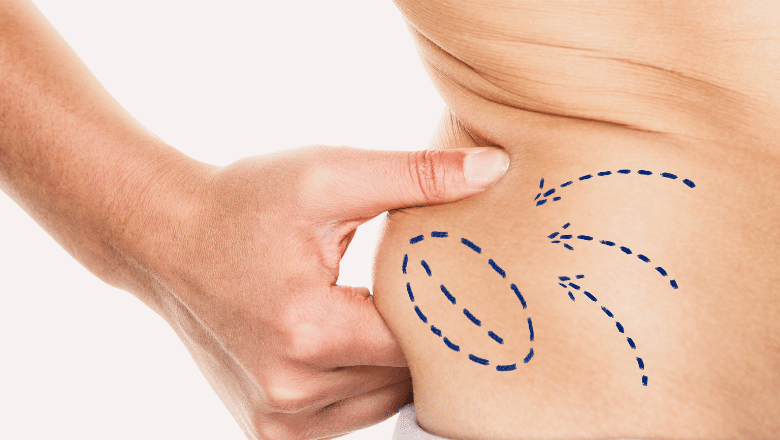
If you’re struggling with stubborn fat pockets that just won’t budge no matter how much you diet or exercise, liposuction could be the answer you’ve been searching for. This technique can help you fine-tune those problematic areas, giving you the body contours you’ve always desired. But it’s essential to understand what liposuction can and can’t do before you take the plunge.
Targeting Hard-to-Reach Fat
Certain spots on the body seem resistant to even the most rigorous diet and exercise plans. These persistent pockets of fat can be disheartening when you’re working hard to achieve a more toned physique. Liposuction or body-sculpting procedures can help you target these specific areas, trimming down pesky bulges.
Not a Weight-Loss Solution
It’s crucial to understand that liposuction isn’t a quick fix for weight loss or obesity. It’s more about refining your shape rather than shedding pounds. Also, it’s not an effective treatment for other skin issues, such as cellulite, dimpling, or stretch marks.
Risks and Considerations
Like any surgery, liposuction carries risks that should be thoroughly discussed during a medical consultation. Following your surgeon’s pre-and post-operative instructions can help mitigate some of these risks. Be sure you’re well-informed about the healing and recovery process, and that you’re comfortable with the associated risks before consenting to the procedure.
Fitness Matters
Your overall health and fitness play a significant role in how well you’ll recover from liposuction and how satisfied you’ll be with the results. The best outcomes usually come when liposuction is used as a ‘finishing touch’ to an already healthy lifestyle. It’s not a substitute for a balanced diet and regular exercise. In fact, maintaining good eating habits and an active routine are key to preserving your new, more contoured shape long-term.
Making an Informed Decision About Liposuction
Start With Diet and Exercise
Before you consider liposuction, it’s crucial to have a solid diet and exercise program in place. Liposuction is a surgical procedure, and surgery should always be a last resort for body contouring. Achieving and maintaining a healthy lifestyle is the first step, as it may help you reach your desired body shape without the need for surgical intervention. Surgery should only be considered when you’ve tried your best to tone up naturally and still have stubborn areas of fat.
Ideal Candidates for Liposuction
- You’re in good overall health and have a stable, healthy BMI.
- You’ve reached or are close to your ideal weight and can maintain it.
- You’re unhappy with the shape of specific areas of your body despite being fit and healthy.
If you meet these criteria, liposuction could be an effective way to fine-tune your body contours.
Recovery and Expectations
Liposuction usually has lower downtime than more extensive procedures like a Tummy Tuck or a Lower Body Lift. You might be able to return to work within a few days, though ideally you should plan to take at least 2 weeks off. Discuss your unique case with your doctor to get personalised advice on what to expect for recovery.
RELATED: Recovery After Liposuction Surgery – Top Tips
The full results of your liposuction procedure may take between 6 weeks and 2 months to become apparent. You’ll also be required to wear a supportive garment for several weeks post-surgery, which is crucial for achieving the best outcome.
Risks and Ethical Considerations
It’s essential to be aware that not all practitioners offering liposuction are equally qualified. Unfortunately, there are cases where unethical or inadequately trained doctors perform unsafe procedures. Always choose a reputable clinic and surgeon, research their credentials, and ask for patient testimonials or before-and-after photos to verify their expertise.
RELATED: Is liposuction worth it?
Combining Liposuction with Other Procedures
Fat Transfer Techniques
Liposuction can often serve dual purposes. While it removes unwanted fat from one area of the body, that same fat can be purified and transferred to other areas that may benefit from added volume. Common sites for fat transfer include the buttocks, in a procedure known as a Brazilian Butt Lift, and the face to enhance features like the cheeks or to fill in wrinkles.
Risks and Considerations
Undergoing multiple procedures at once means spending more time in surgery, which can increase the risks associated with anaesthesia and post-operative complications. The survival rate of transferred fat is another factor to consider, as not all fat cells will successfully integrate into their new location. Some may be reabsorbed by the body, leading to less predictable results compared to synthetic fillers or implants. Recovery can also be more complex, as each procedure has its own healing timeline, and combining them may extend the overall recovery period. Costs tend to be higher when procedures are performed together due to increased surgical time and complexity. While using your own fat eliminates the risk of allergic reactions, it may not offer the same long-term stability as synthetic alternatives, particularly for procedures like breast augmentation.
Informed Decision-Making
When considering combined procedures, it’s crucial to discuss all the details with a qualified surgeon. This includes the expected outcomes, potential complications, and post-operative care required for each procedure.
Expected Results from Liposuction
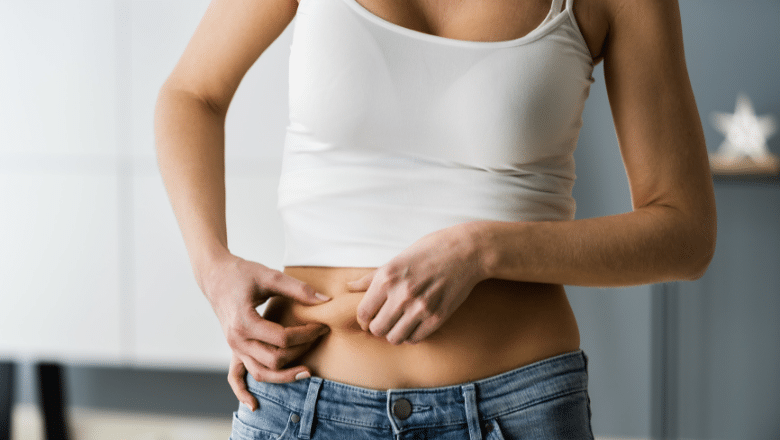
The results you can expect from liposuction are generally quite favourable for the right candidate. Here are some of the typical outcomes:
Body contouring can create a more streamlined silhouette, enhancing the natural shape of the treated area. Depending on the specific procedure, you may notice smoother and more defined contours as swelling subsides. Volume reduction is another key outcome, with areas such as the stomach, thighs, or breasts appearing flatter and more toned after excess fat is removed. The longevity of results largely depends on maintaining a stable weight and a healthy lifestyle. Since the number of fat cells in the body remains relatively constant in adulthood, the improvements achieved through the procedure can be long-lasting if weight fluctuations are avoided.
Timing
- Immediate Results: You may notice a difference right away, but swelling and bruising will initially distort the final outcome.
- Medium-term: Most people start to see more accurate results after a few weeks to a few months, as swelling subsides.
- Long-term: For some, it can take up to a year for the final results to be fully apparent. Doctors often recommend waiting 12 months before considering any revisional work or additional contouring procedures.
Factors Affecting Longevity of Results
- Lifestyle: Diet and exercise play a critical role. If you maintain a stable weight and a healthy lifestyle, results can be long-lasting.
- Biological Factors: Pregnancy, menopause, or certain medications can lead to weight gain and could potentially affect the longevity of liposuction results.
- Fat Cell Dynamics: While it’s generally believed that adults have a stable number of fat cells that can only shrink or grow in size rather than number, this is still an area of active research.
What to Expect Regarding Patient Safety and Complications for Liposuction
Pain Management
- Post-Op Pain: Moderate pain is expected in the first 2-3 days and can extend over several weeks to months, depending on the extent of the procedure. Prescription medication is often used for pain management.
- Severe Pain: If you experience severe pain, it could be a sign of complications. Immediate consultation with your surgeon is essential.
Tips for Recovery After Liposuction
Swelling and bruising are expected after surgery but will gradually improve within the first few weeks. While most of the swelling subsides during this time, some minor residual swelling may persist for several months. It’s also common to experience a slight weight increase initially due to fluid retention and swelling, but this typically resolves as the body heals. Taking time off work is essential, with at least a week recommended for more extensive liposuction. For smaller procedures, a few days may be enough. Light walking is encouraged as soon as possible to promote circulation, reduce swelling, and prevent blood clots. Still, strenuous exercise and heavy lifting should be avoided for at least two to three weeks. While initial changes in body contour can be seen soon after the procedure, final results typically take around six months to fully develop, with some individuals noticing continued improvements for up to a year.
Safety Precautions and Complications
- Consultation and Follow-Up: Always communicate openly with your surgeon before and after the surgery. Have a thorough consultation to discuss your goals, risks, and expectations. Scheduled follow-ups are essential for monitoring your recovery and addressing any concerns.
- Signs of Complications: If you notice unusual symptoms like severe pain, excessive swelling, or signs of infection, consult your surgeon immediately.
- Informed Decision: Always be well-informed about the procedure, and don’t hesitate to ask questions or express concerns. A good patient-doctor relationship is critical for optimal outcomes.
Post-Liposuction Care: Compression Garments and Scarring
Compression Garments
Compression garments are usually worn for a period of three to six weeks, depending on your surgeon’s recommendation. They play an important role in reducing swelling and bruising while also supporting the skin as it retracts and adapts to your body’s new contours. Although they may take some time to get used to, most patients find them comfortable and supportive once the initial adjustment period passes.
Scarring After Liposuction
- Incision Size: Small, usually less than a centimetre long.
- Maturation Process: Scars undergo a healing cycle that can take 12 to 18 months to fully resolve.
- Appearance: Initially, they may be red, raised, and firm, but they typically soften and fade over time.
- Special Considerations: If you’re prone to hypertrophic scars or keloids, it’s crucial to inform your surgeon as this may require special post-operative care.
Scar Management Options
Using scar creams can help lighten scars and make them less noticeable over time. Silicone sheets are another option, as they can help flatten and soften scar tissue during the healing process. For more stubborn or prominent scars, laser treatments may improve texture and reduce discolouration. In some cases, steroid injections can be used to minimise thickened scar tissue and improve overall appearance.
Sun Protection
To protect healing skin and minimise the risk of complications, patients are advised to avoid direct sun exposure for at least 2 months after surgery. If staying out of the sun is not possible, applying a high-SPF sunscreen is essential, as UV rays can cause scars to darken and become more noticeable. Protecting the treated areas from sun damage will help ensure better healing and a more even skin tone in the long run.
Potential Complications from Liposuction Procedures
While liposuction is generally considered safe, primarily when performed by a certified, experienced surgeon, it carries inherent risks and complications that can occur with any surgical procedure.
RELATED: Liposuction risks and how to avoid them
General Surgical Risks
- Bleeding: Excessive bleeding is a general risk associated with any surgical procedure.
- Anaesthesia Reaction: Adverse reactions to anaesthesia are another general risk.
Liposuction-Specific Complications
Infection is a rare but serious risk following surgery. Signs such as redness, swelling, or increased warmth around the surgical site should be monitored closely, as prompt treatment is necessary to prevent complications. Numbness in the treated areas may also occur, either temporarily or, in some cases, permanently, due to nerve irritation. Fat embolism is a serious concern, with potential risks including deep vein thrombosis, pulmonary embolism, and even fatal complications. Strictly following post-operative care, including the use of compression garments, can help reduce these risks.
Bruising (haematomas) may develop due to excessive bleeding during the procedure. Selecting the proper surgical technique and ensuring careful execution can minimise this possibility. Contour irregularities may also arise, often due to uneven fat removal, poor skin elasticity, or abnormal healing patterns. This can result in a bumpy, wavy, or uneven skin appearance that, in some cases, may be permanent.
Internal puncture is an infrequent but severe complication. It can occur if the procedure is performed too aggressively or by an inexperienced surgeon. In the most serious cases, this may require emergency surgery and can be life-threatening.
Risk Factors
- Large Treatment Areas: The larger the area being treated, the higher the risk.
- Multiple Procedures: Having various procedures in a single session increases the complexity and risk.
How to Minimise Risks
- Certified Surgeon: Always choose a certified and experienced plastic surgeon for your procedure.
- Pre and Post-Operative Care: Strictly follow all pre and postoperative instructions.
- Communication: Keep an open line of communication with your surgeon before and after the surgery to address any issues promptly.
Liposuction in London – Navigating the Complex Landscape of Costs

Quality Versus Cost: What Takes Precedence?
Potential patients often consider liposuction cost a significant concern, but it is imperative to understand that the procedure’s quality and safety are paramount. The age-old adage “you get what you pay for” rings especially true in the realm of cosmetic surgery.
When the objective is a satisfied patient with aesthetically pleasing, safe results, the surgeon’s skill, expertise, and experience should be your primary concerns. Therefore, it is not just about finding the cheapest option, but about getting excellent value for the price you pay.
It’s crucial to exercise caution and avoid a “bargain-bin” approach to your body. Selecting a surgeon solely based on the lowest price can be a high-risk gamble, leading to unsatisfactory results that may require corrective surgery, ultimately inflating your overall expenditure.
Common Pitfalls to Avoid:
- Incomplete liposuction with hardly any noticeable changes.
- Overdone liposuction that results in an unnatural or disfigured appearance.
- Uneven and irregular results with visible skin depressions.
- Large and conspicuous scars that make it obvious that a surgical procedure was performed.
Fee Structures: How is the Cost Calculated?
The overall cost of a liposuction procedure is a composite of various fees, both surgical and non-surgical.
Non-surgical fees cover essential costs, including the operating room, nursing staff, pre-operative lab tests, post-operative garments, and other necessary medical supplies. These expenses ensure a safe and smooth surgical process. Surgical fees, on the other hand, are directly related to the liposuction procedure itself and vary depending on the number of areas being treated.
Factors Influencing the Total Cost:
- Size of the patient
- Time and effort are needed from the surgeon
- Anaesthetists’s fees
- Operating room costs
- Preoperative laboratory charges
- Additional expenses, such as compression garments
Expected Time and Effort
The anticipated time and complexity of the procedure are pivotal factors in determining its overall cost. Elements that could impact this include:
- Number of areas targeted
- Patient’s body size
- Anticipated technical challenges of the procedure
For instance, performing liposuction on both the abdomen and inner thighs would be more expensive than focusing solely on the abdomen. Likewise, the cost will scale up for a patient who weighs more than 80 kilos as compared to someone who weighs 60 kilos.
Why Choose Centre for Surgery for Your Liposuction Procedure?
When it comes to selecting the ideal place for your liposuction treatment, Centre for Surgery stands as a beacon of excellence, experience, and patient satisfaction in the heart of London. Here’s why you should consider us for your next cosmetic procedure.
Exceptional Expertise and Experience
Our surgeons are certified experts with years of specialised training and a wealth of experience in liposuction and other cosmetic procedures. They are adept at using the latest technology and techniques, ensuring that you receive top-notch care and the best possible results.
State-of-the-Art Facilities
Centre for Surgery is equipped with cutting-edge surgical technology and a modern, comfortable environment designed with your needs in mind. From consultation to recovery, every step of your journey is calibrated for safety and excellence.
Personalised Care
At our centre, you’re not just another patient; you’re an individual deserving of personalised care and attention. Our team will work closely with you to understand your goals and concerns, and will devise a tailor-made treatment plan that aligns with your expectations.
Comprehensive Pre and Post-Operative Support
We take pride in our holistic approach to patient care. Our thorough pre-operative consultations and vigilant post-operative support ensure a smooth, hassle-free experience that sets us apart from other clinics.
Patient Testimonials
Emma S.
“I had my liposuction procedure done at Centre for Surgery and couldn’t be happier with the results! The staff were incredibly supportive, and the surgeon was brilliant. I felt comfortable and well-informed throughout the entire process.”
David M.
“I was nervous about undergoing cosmetic surgery, but the team at Centre for Surgery put me at ease from the moment I walked in. The post-operative care was outstanding. I am thrilled with my results and would highly recommend them to anyone!”
Lily P.
“I can’t say enough good things about my experience. From the consultation to the surgery to the post-op care, everything was first-class. I’ve regained my confidence thanks to Centre for Surgery.”
Contact Us for a Consultation
Choosing the right clinic for liposuction is a decision that impacts not just your appearance but also your overall well-being and confidence. Centre for Surgery in London is committed to providing not just transformative results, but also a comprehensive, supportive, and safe surgical experience.
To book a consultation and take the first step towards a more confident you, contact us at:
Phone: 0207 993 4849
Email: contact@centreforsurgery.com
Address: 95-97 Baker Street, London W1U 6RN
We look forward to helping you achieve your aesthetic goals!
RELATED: Is Liposuction Worth It?
[contact-form-7 id=”256″ title=”Treatments form”]