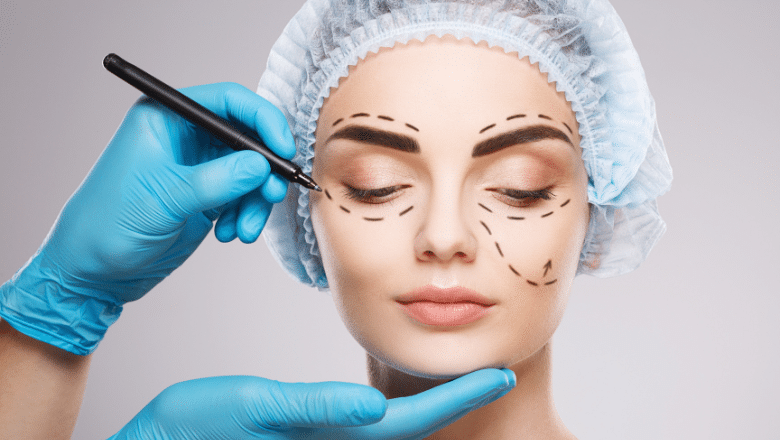
Facelift surgery is a highly effective procedure designed to restore a youthful appearance by tightening the skin and underlying tissues of the face. However, like any surgical procedure, a facelift carries potential risks and complications that should be carefully considered before making a decision.
At Centre for Surgery, patient safety and satisfaction are our top priorities. In this guide, we will take an in-depth look at some of the most common complications associated with facelift surgery and provide expert advice on how to minimise risks and manage any unexpected challenges.
RELATED: 6 Questions To Ask Before Getting A Facelift
Common Complications After Facelift Surgery and How to Manage Them
Haematoma
Haematoma is one of the most frequently encountered complications following a facelift. It occurs when blood collects under the skin, leading to swelling, bruising, and discomfort. This condition typically develops within the first 24 hours after surgery and, if severe, may require drainage to prevent further complications.
Certain factors can increase the likelihood of developing a haematoma — patients with high blood pressure are at greater risk, men tend to have a higher risk than women due to differences in skin thickness and blood supply, and the use of blood-thinning medications significantly raises the risk of bleeding. Smoking is another contributing factor, as it affects circulation and the body’s ability to heal properly.
To minimise the risk of haematoma, anaesthetists often implement strict blood pressure control before, during, and after the procedure. Drains may be used to prevent blood from accumulating under the skin. Patients are usually advised to discontinue medications that increase bleeding risk before surgery and to avoid smoking for several weeks both before and after the procedure.
Infection
Infection is a relatively rare complication following facelift surgery, but when it occurs, it can significantly impact the healing process. Most post-surgical infections are caused by bacteria such as Staphylococcus. Symptoms of infection may include redness, warmth, increased pain, pus drainage, or fever.
To prevent infection, surgeons follow strict sterile techniques throughout the procedure. Patients are often given intravenous antibiotics before and after surgery to lower the risk of bacterial contamination. Post-operative antibiotics are commonly prescribed as an additional precaution. Patients can further minimise the risk by carefully following post-operative care instructions and monitoring for any signs of infection.
Nerve Injury
Although rare, nerve injury is a potential complication of facelift surgery. The facial nerve, which controls movement and sensation in the face, can be affected during the procedure. Symptoms may include facial numbness, weakness in certain muscle groups, difficulty closing the eyes, an asymmetrical smile, or drooping at the corners of the mouth.
In most cases, nerve injuries are temporary, and function returns as healing progresses. However, in rare instances, nerve damage may be permanent. The best way to reduce the risk of nerve damage is to choose an experienced and highly skilled plastic surgeon.
Skin Necrosis
Skin necrosis is an uncommon but serious complication of facelift surgery. It occurs when the blood supply to the skin is compromised, leading to tissue death. Smoking is the most significant risk factor, as it directly affects circulation and reduces the skin’s ability to receive adequate oxygen.
Other factors that contribute to skin necrosis include overly thin skin flaps, excessive tension on the skin, undrained haematomas, and overly aggressive undermining of the skin. Reducing the risk starts with proper patient preparation — patients should stop smoking at least four weeks before and after surgery. During the procedure, surgeons often use specialised techniques to preserve blood supply to the skin flaps and avoid excessive tension.
Preventing Complications During Facelift Surgery
Selecting the Right Candidates for a Safe Facelift
One of the most crucial steps in preventing complications is ensuring that the patient is a suitable candidate for facelift surgery. Age alone is not a determining factor — what truly matters is overall health rather than chronological age. With proper screening and medical optimisation, even older patients can safely undergo facelift surgery with relatively low risk.
Underlying medical conditions can increase the likelihood of complications. Patients with poorly controlled diabetes, high blood pressure, or disorders that affect blood clotting are at higher risk. Certain medications and supplements must be carefully reviewed before surgery — surgeons typically advise discontinuing blood-thinning medications at least two weeks before surgery. Patients are also strongly encouraged to quit smoking well before their facelift procedure and to maintain a stable weight before and after surgery.
Surgical Techniques to Reduce Complication Risks
The choice of surgical technique plays a critical role in determining the success of a facelift. The deep-plane facelift technique has been shown to lower the risk of skin necrosis compared to more traditional facelift methods. By repositioning deeper facial structures rather than simply pulling the skin, this approach improves blood flow to the overlying skin while achieving a more natural and long-lasting result.
Proper tension management during the closure of incisions is essential for minimising scarring and preventing complications. If excessive tension is placed on the skin, it can lead to hypertrophic scars or, in severe cases, skin necrosis. Controlling blood pressure throughout the surgical process is another key strategy for reducing complications.
Frequently Asked Questions About Facelift Complications
What are the signs of a facelift that hasn’t been performed well?
A poorly executed facelift can result in an unnatural or imbalanced appearance. If the skin is pulled excessively upwards, it can cause bunching around the lower eyelids. If the skin is pulled too far sideways, it can create a ‘wind-swept’ effect, distorting the natural shape of the mouth. A successful facelift should enhance facial features subtly, avoiding exaggerated tightness or asymmetry.
RELATED: Revision Facelift
What are the key dos and don’ts after a facelift?
Proper aftercare is essential for a smooth recovery. One of the most important things to do after surgery is to protect the skin from direct sun exposure, as UV rays can interfere with healing and worsen scarring. Sleeping with the head elevated helps reduce swelling. Strenuous exercise or any activity that increases blood pressure should be postponed until the surgeon advises it is safe. Rubbing or excessively touching the face can irritate the healing tissues and should be avoided.
How often do complications occur with facelift surgery?
Facelift procedures are generally safe, with a relatively low complication rate. On average, complications occur in around 2% of cases. The most common problem is haematoma formation, affecting approximately 1.5% of patients. Infections are even less common, occurring in fewer than 0.5% of cases. When performed by a skilled and experienced surgeon, the risk of serious complications is minimal.
What is the most common complication after a facelift?
One of the most frequent issues following a facelift is a haematoma. This occurs when blood collects beneath the skin, leading to swelling, discomfort, and pressure in the affected area. Haematomas typically develop within the first 24 hours after surgery. In some instances, they may resolve on their own, but if blood collection is significant, a minor surgical procedure may be needed to drain it and prevent further complications.
Why Choose Centre for Surgery for Your Facelift?
At Centre for Surgery, we are dedicated to providing world-class facelift procedures tailored to your individual needs. Our expert team of plastic surgeons specialises in advanced facelift techniques, ensuring natural-looking and long-lasting results. We prioritise patient safety, comfort, and satisfaction, offering a seamless experience from consultation to recovery, with comprehensive aftercare to support you at every stage.
Our clinic, located on Baker Street in London, is equipped with the latest technology, enabling us to perform facelifts in a state-of-the-art setting. We offer a range of facelift options, including deep-plane facelifts, SMAS facelifts, and mini facelifts. Whether you are looking to reduce sagging skin, smooth out deep wrinkles, or restore facial volume, our personalised approach ensures results that look both youthful and natural.
We believe that cosmetic surgery should be accessible to everyone, which is why we offer flexible finance options. To learn more about our highly experienced plastic surgeons, visit our Meet the Team page. To learn about our clinic’s approach, explore our About Us section. For expert insights, visit our Plastic Surgery Blog or our Clinic FAQs page.
If you’re ready to take the next step, call us on 0207 993 4849 to book your consultation at our Baker Street clinic.

[contact-form-7 id=”256″ title=”Treatments form”]