
A hook-shaped nose, distinguished by a pronounced bridge and a tip that curves downward, often stems from hereditary influences passed down through family lines. It’s common to observe that parents, grandparents, and other relatives share this distinctive nasal feature, highlighting the strong role genetics plays in determining the shape of one’s nose. However, genetics isn’t the sole factor contributing to this appearance. Physical trauma to the nose—such as a bump, collision, or injury—can also result in structural changes that create a hooked profile.
RELATED: Different Types of Nose Shapes – What are the Surgical Options?
When the nose endures significant impact, the delicate nasal bones may shift out of their usual alignment. This displacement can lead to a noticeable bump along the dorsum, the ridge of the nose. As the dorsum becomes more prominent, the tip of the nose might begin to tilt downward, enhancing the hooked effect. These alterations can occur even from seemingly minor injuries and might not become apparent until some time after the trauma.
The combination of a raised bridge and a downward-pointing tip contributes to the characteristic hook appearance. While this shape can be purely genetic, meaning you’re born with it due to inherited traits, trauma-induced changes mimic these hereditary features. It’s interesting to note that because this nose type frequently runs in families, if you possess a hook-shaped nose, there’s a good chance that close family members share this trait.
RELATED: Aquiline Nose Surgery
Techniques for Correcting a Hooked Nose
With the advancements in rhinoplasty over the past twenty years, treating a hooked nose, characterised mainly by a prominent bridge and a downward-turning tip, has become significantly more effective. The primary factor contributing to this nasal shape is often the tip’s lack of proper support, causing it to droop. Even a slight drooping can accentuate the hooked appearance, impacting the overall harmony of facial features.
RELATED: What Nose Shape Concerns Can Rhinoplasty Correct?
Surgeons now have a deeper understanding of how to remedy this issue. By re-supporting the nasal tip, surgeons can reposition it to its ideal place. This process often involves reinforcing the underlying structures to provide the necessary support. Once the tip is secured, any bumps along the bridge of the nose can be carefully reduced. This combination restores a straight, aesthetically pleasing profile and, if preferred, can even introduce a subtle scoop to the bridge for a more refined look.
A well-positioned nasal tip not only corrects the hooked appearance but also brings the nose into better alignment with other facial features. The result is a more balanced and harmonious visage. These modern rhinoplasty techniques offer personalised solutions, allowing individuals to achieve the nasal shape that best complements their unique facial structure.
Safety and Risks of Hook Nose Surgery
Hook nose surgery for correcting a hooked nasal profile is widely regarded as a safe procedure. Advances in surgical techniques over the past decades have made the procedure less complicated and reduced associated risks. While every surgical procedure carries some degree of risk, the complications from hook nose surgery are minimal, especially when compared to major procedures like major abdominal surgery.
RELATED: Nose Bridge Rhinoplasty
It’s important to remember that undergoing any form of surgery requires you to be in good overall health. This ensures that your body can tolerate both the anaesthesia and the surgical procedure. Most surgeries to correct a hooked nose are performed under general anaesthesia, which means you’ll be entirely unconscious during the operation. General anaesthesia is generally safe for the majority of patients, but it does come with higher risks than local anaesthesia or intravenous (IV) sedation.
Before deciding on surgery, have a detailed discussion with your surgeon about how they plan to perform the procedure and what type of anaesthesia they will use. Your surgeon should assess your medical history and current health status to confirm that you’re fit for the proposed type of anaesthesia. Being transparent about any health issues you have is crucial for minimising risks.
Many surgeons prefer using general anaesthesia for rhinoplasty because it offers a controlled environment where the patient remains completely still and comfortable. This can lead to better surgical results and a more straightforward procedure. However, patient safety is the top priority, so ensuring you’re healthy enough for general anaesthesia is essential.
RELATED: Anaesthesia for Cosmetic Surgery
At Centre for Surgery, our surgeons prefer general anaesthesia when performing rhinoplasty. This approach tends to be more comfortable for patients and allows them to achieve more precise results in controlled conditions. We always ensure that all patients are thoroughly assessed to confirm they are suitable candidates for general anaesthesia.
Why Choose Centre for Surgery for Your Rhinoplasty?
We believe that every patient deserves expert care, personalised attention, and exceptional results. Our dedicated team of specialists, state-of-the-art facilities, and unwavering commitment to safety and satisfaction set us apart as a leading provider of rhinoplasty and other cosmetic procedures in London.
Excellence in Expertise
Our highly skilled surgeons are renowned for their extensive experience in rhinoplasty. Whether you’re seeking subtle refinements or a complete transformation, our team tailors every surgery to suit your unique goals and facial structure. Our surgeons stay at the forefront of the latest advancements in cosmetic and reconstructive surgery, ensuring you benefit from the most innovative techniques available.
Comprehensive Patient Care
From your initial consultation to post-surgery recovery, our team is with you every step of the way. We focus on providing a seamless experience, beginning with a thorough discussion of your goals and expectations. Each patient is treated as an individual, with a bespoke treatment plan designed to deliver natural-looking, harmonious results.
Advanced Facilities in the Heart of London
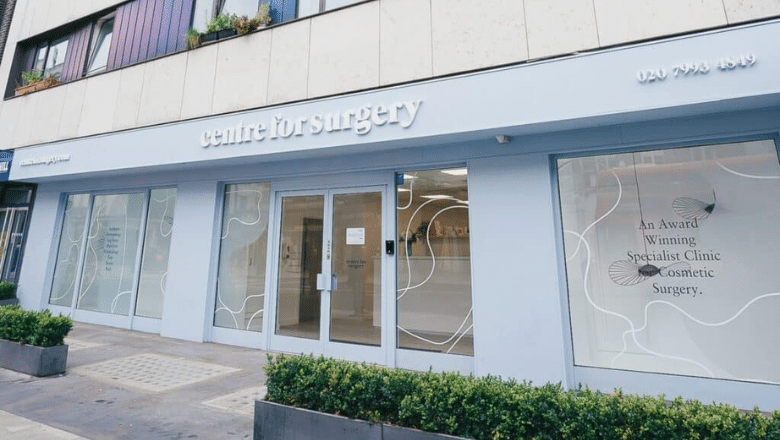
Our Baker Street clinic boasts modern facilities equipped with cutting-edge technology. This allows us to perform precise, minimally invasive procedures in a safe and comfortable environment. Conveniently located in central London, our clinic is easily accessible for consultations, procedures, and follow-up appointments.
Finance Options to Suit Your Needs
We understand that affordability can be a concern for many patients. That’s why we offer flexible finance options to help you achieve your aesthetic goals without financial stress. Our payment plans are designed to fit a variety of budgets, allowing you to spread the cost of your procedure over manageable instalments.
Discover More About Us
Visit our About Us page to learn more about our clinic’s mission and values. Explore our Meet the Team page to get to know the experienced professionals who will guide you on your journey.
Stay Informed
For detailed insights into rhinoplasty and other cosmetic procedures, visit our Plastic Surgery Blog. You’ll find expert advice, patient stories, and the latest updates on the world of cosmetic surgery.
Need Answers?
We’ve compiled everything you need to know in our FAQs section. Whether you have questions about preparation, recovery, or procedure details, we’ve got you covered.
Book Your Consultation Today
Ready to take the first step towards achieving the look you’ve always wanted? Contact us to book your consultation at our Baker Street clinic. Call us at 0207 993 4849 or fill out our online enquiry form on our Contact Us page. Let Centre for Surgery guide you towards a more confident version of yourself.
Make the choice for excellence, care, and outstanding results. Choose Centre for Surgery for your rhinoplasty.