

How Can I Fix a Bumpy Nose?
If you’ve noticed a dorsal hump or a bump on your nose, you’re certainly not the only one. A dorsal bump typically presents itself as a small mound of bone or cartilage situated on the bridge of the nose, commonly a hereditary feature or the result of an injury or trauma. Options for getting rid of this nose bump include rhinoplasty surgery, non-surgical methods such as dermal fillers, or makeup techniques to downplay the prominence of a crooked or high nose bridge. Each of these options has its pros and cons, so it’s crucial to discuss them with a medical professional.
RELATED: Nose Bridge Rhinoplasty
What is a Dorsal Hump?
A dorsal hump refers to an irregularity in the structure of the nose, involving both cartilage and bone. This feature can range in size and isn’t typically visible from a head-on view, but becomes quite noticeable when you look at the profile of the person’s nose.

This hump usually starts at the upper region of the nose, near the eye area, and ends just before the tip. In many cases, individuals are born with dorsal humps, but sometimes these can develop later in life due to an injury or trauma. On some occasions, you might notice a bump on the side of the nose bridge — a form of dorsal hump involving a bone that sticks out to the side, which can be more conspicuous from the front.
RELATED: What Nose Shape Concerns Can Rhinoplasty Correct?
What Causes a Dorsal Hump Nose?
Injury or Trauma
A significant blow to the nose could lead to the development of a dorsal hump, as it can cause the cartilage in the nose to become misshapen. Depending on the severity of the trauma, the appearance of a dorsal hump resulting from an injury can often be corrected surgically.
Genetics
The most common cause of a dorsal hump is genetic predisposition. If one or both parents have a dorsal hump, the likelihood of their offspring having one is higher. It might not be visible during early childhood, but could become more prominent during puberty when the nose grows and develops further.
Medical Conditions
- Deviated Septum: This condition refers to the misalignment of the wall of cartilage that separates the nostrils and can lead to breathing difficulties. A procedure known as septoplasty is often employed to correct a deviated septum.
- Allergies: Chronic allergies can lead to persistent swelling of nasal tissues, potentially causing a hump to form on the nose bridge.
- Nasal Polyps: These benign growths form on the nasal lining and can cause a hard bump on the nose.
What is Dorsal Hump Nose Surgery?

The presence of a dorsal hump on the nose can be effectively corrected through specialised nose reshaping procedures such as rhinoplasty or septoplasty.
RELATED: What Conditions Can Rhinoplasty Target?
Rhinoplasty
Rhinoplasty, commonly known as a nose job, involves the surgical reshaping of the nose’s bone or cartilage. The technique used can be categorised into open or closed methods. Open rhinoplasty involves lifting the skin off the nose to provide comprehensive access to the underlying structure. Closed rhinoplasty is performed through incisions made within the nostrils, leaving no visible scars.
RELATED: Open vs Closed Rhinoplasty – Which is Best?
Septoplasty
Septoplasty targets the septum to correct deviations that can lead to asymmetry and functional issues, such as impaired breathing or sleep apnoea. When a deviated septum accompanies a dorsal hump, septoplasty may be combined with rhinoplasty in a comprehensive approach known as septorhinoplasty.
What Are the Benefits of Dorsal Hump Nose Surgery?
Aesthetic Enhancements through Surgery
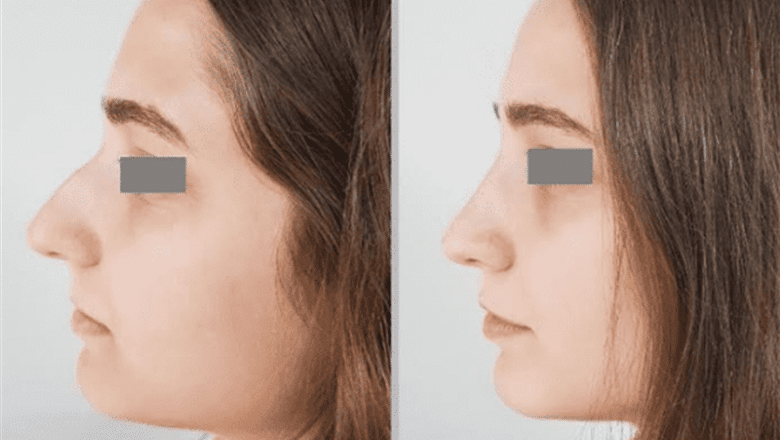
The primary goal of dorsal hump removal is to create a more harmonious and balanced facial appearance by eliminating visible irregularities along the nasal bridge. This surgery meticulously sculpts the nose to achieve a smoother, more streamlined profile, enhancing overall facial symmetry and bolstering an individual’s self-esteem and confidence.
Functional Improvements for a Better Quality of Life
Beyond its aesthetic advantages, dorsal hump nose surgery addresses functional concerns including the resolution of nasal blockages often associated with a pronounced dorsal hump. Furthermore, individuals suffering from sleep apnoea may find significant relief post-surgery, as the removal of obstacles within the nasal passage can lead to a marked improvement in sleep quality and overall respiratory health.
Dorsal Hump Removal Treatment Options
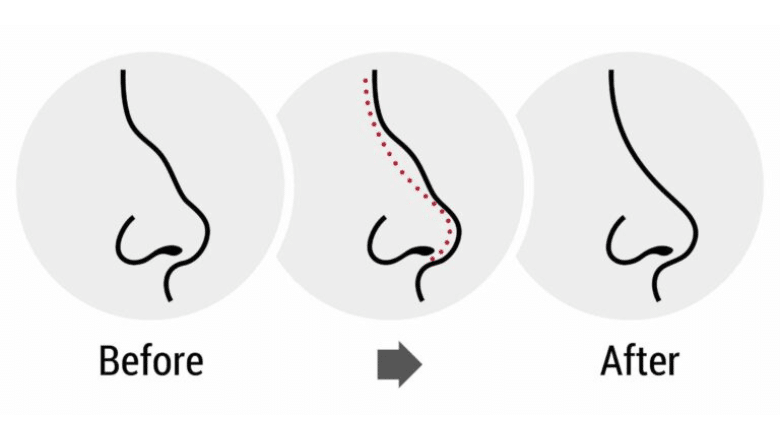
Open Rhinoplasty
This is the most common and generally the most effective technique for dorsal hump removal. During an open rhinoplasty, the surgeon makes an incision across the columella (the narrow strip of tissue that separates the nostrils), giving better access to the underlying structures. The surgeon can then remove or reshape the bone and cartilage to create a smoother profile.
Closed Rhinoplasty
This technique involves making incisions inside the nostrils, eliminating visible scarring. However, it offers less visibility and access to the nasal structures than open rhinoplasty. In some cases where the hump is not overly pronounced, a closed rhinoplasty may be sufficient.
Recovery after Dorsal Hump Surgery
Recovery after a dorsal hump surgery is a process that requires patience and care. Your surgeon will provide pain medication to help manage discomfort. For at least the first week, avoid any activities that could cause a bump or injury to your nose. A diet rich in proteins and vitamins and staying well hydrated will support the healing process. You’ll need to sleep with your head elevated to minimise swelling. Everyone’s recovery time is unique, and it may take up to a year to see the final result of the surgery.
What Are the Non-Invasive Dorsal Hump Nose Treatments?
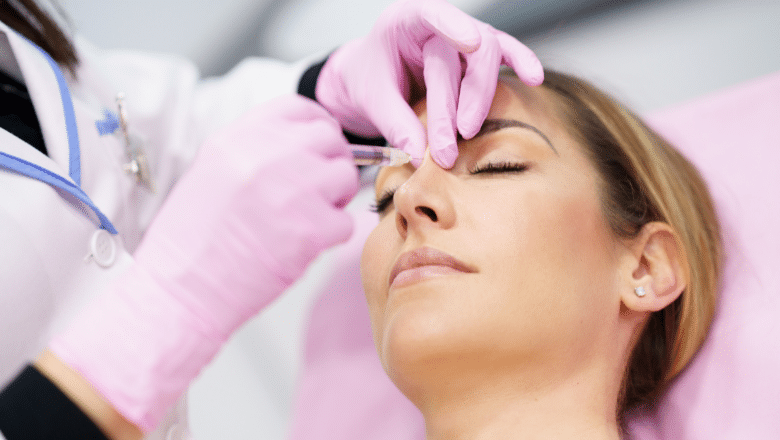
If the dorsal hump on your nose is relatively small, you might have the option of using nose fillers to make it less apparent. Dermal fillers can smooth the surface of your nose, thereby making the dorsal hump less noticeable. However, this isn’t a permanent solution — the fillers will need to be injected again every few months to maintain the results.
Q&A on Dorsal Hump Removal
Can a Dorsal Hump Affect My Breathing?
Yes, a dorsal hump can influence your breathing, potentially leading to airway obstruction or chronic sinus issues. If you’re experiencing breathing difficulties, it’s essential to consult with an ear, nose, and throat (ENT) specialist or plastic surgeon at Centre for Surgery.
Why Is My Nose Bridge Painful?
Pain in the nose bridge can arise from several causes, including trauma, inflammation, sinus inflammation, nasal polyps, or structural issues. If you’re experiencing persistent pain in your nose bridge, it’s advisable to seek medical attention to identify the underlying cause.
How Long Does Recovery from Dorsal Hump Nose Surgery Take?
Recovery from dorsal hump nose surgery typically spans between 6 to 12 weeks. In the initial days, experiencing swelling and bruising around the nose and eyes is quite common. Many patients find they are able to resume their normal daily activities within the first couple of weeks, provided they manage their recovery with care.
What Are the Risks Associated with Dorsal Hump Nose Surgery?
Like all surgical interventions, dorsal hump nose surgery comes with potential risks, though complications are relatively rare when a skilled and experienced surgeon performs the procedure. Common concerns include infection, reactions to anaesthesia, bleeding, scarring, breathing difficulties, or septal perforation. To minimise these risks, it’s essential for patients to undergo a thorough pre-operative assessment.
RELATED: Breathing Better: How Septoplasty and Turbinate Reduction Can Help
Can a Dorsal Hump Grow Back After Surgery?
Once a dorsal hump has been surgically removed, it is highly unlikely to “grow back.” These surgeries permanently alter the shape and structure of the nose. However, if surgery is performed before the nose has fully developed, minor changes as the nose continues to mature could give the appearance of a hump redeveloping. In adults, such occurrences are rare.
Can a Dorsal Hump Disappear Naturally?
Unfortunately, a dorsal hump will not disappear on its own. The shape and structure of the nasal cartilage are relatively stable, and significant changes without medical procedures are rare. If the appearance of a dorsal hump is a concern, consulting with a plastic surgeon can provide options for cosmetic improvement.
How to get rid of a dorsal hump?
For a long-lasting and noticeable change, surgery is the most effective way to get rid of a dorsal hump. If the dorsal hump is small, dermal fillers can minimise its appearance, though this isn’t permanent and the treatment will need to be repeated every few months.
Why Is There a Bump on the Side of My Nose?
A bump on the side of the nose is commonly attributed to an excess of cartilage or bone along the nasal bridge, and can result from genetic factors, developmental issues, or previous nasal trauma. Consulting with an expert plastic surgeon at Centre for Surgery is advisable for a professional evaluation and appropriate course of action.
Explore More About Rhinoplasty at Centre for Surgery
RELATED: Rhinoplasty Before & After Photos
RELATED: How Much Does a Nose Job Cost?
RELATED: Rhinoplasty FAQs — Q&A About Nose Surgery
RELATED: Ethnic Rhinoplasty — Tailored Nose Surgery for Different Ethnicities
RELATED: Revision Rhinoplasty — Correcting Previous Nose Surgery
RELATED: Nasal Tip Surgery — Tip Plasty and Tip Refinement
RELATED: Septorhinoplasty — Combined Rhinoplasty and Septoplasty
Booking a Consultation at Centre for Surgery
Whether you’re considering a surgical or non-surgical treatment, the first step is to book a consultation with us. Our team of highly qualified and experienced plastic surgeons will assess your situation, advise you on the most appropriate course of action, and work with you to develop a personalised treatment plan.
To book a consultation: 📞 0207 993 4849 | complete our online form | 📍 95-97 Baker Street, London W1U 6RN

[contact-form-7 id=”256″ title=”Treatments form”]