
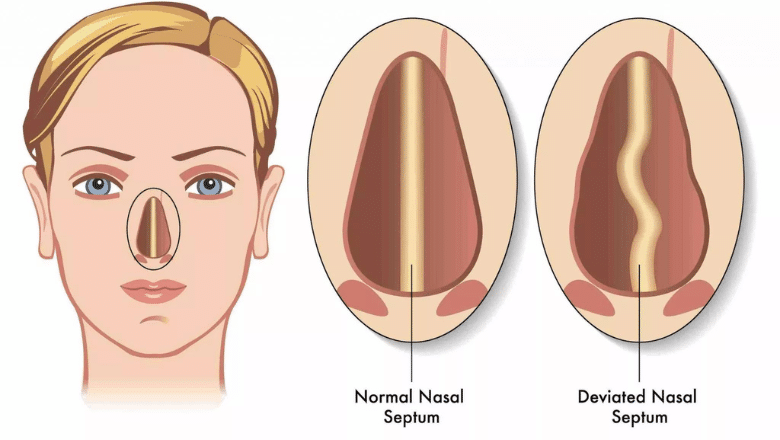
A deviated septum is a condition that affects the structure inside your nose. The septum is the thin wall made of cartilage and bone that separates the two nasal passages. Ideally, this structure should sit in the middle, allowing equal airflow through both nostrils. However, in many people, the septum is not perfectly aligned — it is shifted or bent to one side, making one nasal passage narrower than the other.
RELATED: Should I Get Rhinoplasty or Septoplasty?
There are several reasons why someone might have a deviated septum. In some cases, it is present from birth due to how the nose developed. For others, it occurs due to repeated minor injuries — during childhood it is common to experience minor knocks to the nose which can gradually affect the shape of the nasal cartilage over time. Centre for Surgery in London is considered one of the leading specialist centres in the UK for both aesthetic and functional nose surgery.
Recognising the Signs of a Deviated Septum
One of the most common signs of a deviated septum is difficulty breathing through one nostril. Many people experience normal nasal cycles, in which the body alternates airflow between the nostrils every few hours. However, for someone with a deviated septum, one side is consistently more blocked than the other. Some people may also experience frequent nasal congestion, a feeling of pressure in the nose, or a tendency to breathe more through the mouth.
Benefits of Deviated Septum Surgery
One of the most significant advantages of deviated septum surgery is its ability to improve breathing dramatically. A septoplasty can be a life-changing procedure by straightening the septum and restoring balanced airflow through both nostrils, making it easier to breathe especially during physical activities or while sleeping.
Many people do not realise that the larger side of the nose can sometimes feel even more blocked than the smaller side due to internal nasal structures known as turbinates. When combined with a deviated septum, turbinate swelling can worsen breathing difficulties. For this reason, many surgeons perform septoplasty alongside turbinate reduction surgery — this dual approach not only straightens the septum but also reduces the size of the swollen turbinates, ensuring that airflow is restored correctly on both sides of the nose.
RELATED: Pros and Cons of Turbinate Reduction with Septoplasty
Another key benefit of septoplasty is improved sleep quality. Many people with a deviated septum experience snoring, restless sleep, or even sleep apnoea due to poor nasal airflow. In addition, septoplasty may also help reduce chronic sinus infections by restoring normal airflow and drainage, lowering the risk of recurrent sinusitis and related symptoms such as facial pressure, headaches, and postnasal drip.
Potential Drawbacks of Deviated Septum Surgery
While septoplasty offers significant benefits, there are also some drawbacks to consider. One key challenge is that nasal obstruction is highly subjective. Multiple factors contribute to how we breathe, including allergies, turbinate size, nasal inflammation, and environmental conditions. Because of these variables, the extent of septal deviation does not always directly correlate with the patient’s level of nasal obstruction.
It is important to understand that septoplasty does not always provide 100% relief. In some cases, patients may still experience some degree of nasal congestion or obstruction after surgery, particularly if other underlying conditions such as allergies contribute to their breathing difficulties.
RELATED: Can Nose Surgery Treat Nose Allergies?
Another potential drawback is the recovery process — after surgery, patients typically experience swelling, congestion, and mild discomfort for several weeks. Additionally, septoplasty does not alter the external appearance of the nose. If a patient has a visibly crooked nose due to a deviated septum and wants to improve both function and aesthetics, they may need to consider a septorhinoplasty, which combines septoplasty with cosmetic nasal reshaping.
RELATED: Can Rhinoplasty and Septoplasty Be Done Together?
How Severe Does a Deviated Septum Need to Be for Surgery?
The decision to undergo septoplasty depends largely on the individual’s experience of nasal obstruction rather than on the degree of deviation alone. Everyone perceives breathing difficulties differently, so even a minor deviation can feel significantly obstructive for some people.
One important factor is the internal nasal valve, the narrowest part of the nasal airway, located at the junction between the nasal bone and the cartilage. Its natural angle should be between 10 to 15 degrees. For patients with internal valve collapse, additional surgical techniques such as cartilage grafting may be required to optimise airflow.
Since nasal obstruction is subjective, there is no single threshold for when surgery is necessary. However, a general guideline is that if one side of your nose feels consistently blocked and you can visibly see a deviated septum inside the nostril, then septoplasty is likely to provide some level of improvement.
Is Deviated Septum Surgery Worth It?
In most cases, deviated septum surgery is absolutely worth it, particularly for those who experience persistent nasal obstruction that affects their daily life. Septoplasty can make a significant difference for the vast majority of patients who have a genuinely deviated septum. Many patients do not realise that chronic fatigue, headaches, sinus pressure, and even a reduced sense of smell can be linked to restricted airflow caused by a deviated septum. After surgery, these issues often improve, leading to an overall better quality of life.
Deviated Septum Correction at Centre for Surgery
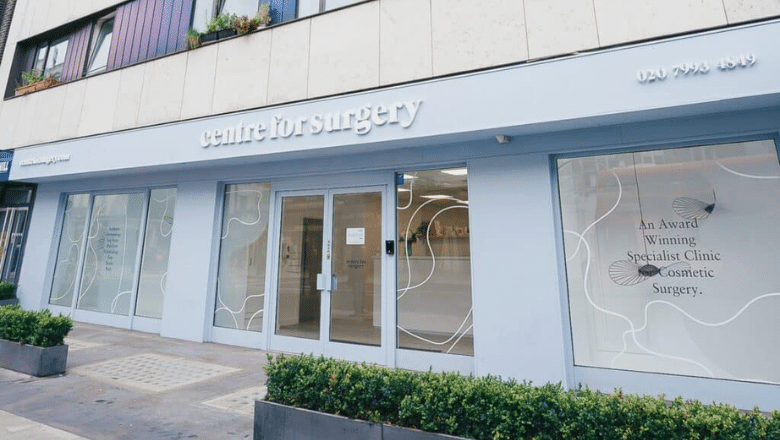
At Centre for Surgery, we specialise in advanced surgical solutions to help patients breathe better and improve their overall quality of life. Our expert surgeons offer septoplasty — a highly effective procedure that straightens the nasal septum and restores proper airflow. Our clinic is a leading provider of specialist nose surgery in London, with a team of highly skilled surgeons who have extensive experience in nasal procedures, including septoplasty and combined septorhinoplasty.
At our state-of-the-art Baker Street clinic, we provide a welcoming and professional environment where you will receive expert guidance from consultation through to recovery. We offer flexible finance options, including 0% APR with Chrysalis Finance. For more information, visit our About Us page, our Meet the Team section, our Plastic Surgery Blog, and our Clinic FAQs.
To book your consultation: 95-97 Baker Street, London W1U 6RN | 0207 993 4849 | contact@centreforsurgery.com
[contact-form-7 id=”256″ title=”Treatments form”]