

Male breast reduction surgery, often referred to as gynecomastia surgery, is a specialised procedure within the field of plastic surgery designed to address the issue of enlarged or overdeveloped breast tissue in men. Various factors, including lifestyle choices, dietary habits, certain medications, and the natural ageing process, can influence this condition. Notably, an increase in body weight and hormonal imbalances, which are frequently associated with obesity, along with the consumption of alcohol and drugs, are known to increase the likelihood of developing gynecomastia.
The surgical approach to treating gynecomastia involves removing excess glandular tissue and fat from the chest. The specific technique employed—whether liposuction, surgical excision, or a combination of both—will depend on the individual’s condition and their aesthetic objectives. Following the procedure, as the chest area recovers, the appearance of the breasts improves significantly, resulting in a flatter, firmer chest. This transformation can greatly enhance the patient’s body image and self-confidence.
What is Gynecomastia?
Gynecomastia is characterised by the enlargement of breast tissue in males and is particularly common among adolescent boys as well as men between the ages of 50 and 70. This condition can also manifest in younger boys, highlighting its potential to affect males at various stages of life. However, the British Association of Aesthetic Plastic Surgeons (BAAPS) advises that any surgical intervention, specifically gynecomastia surgery, should be postponed until the individual’s body and breast tissue have fully matured and ceased growing. This recommendation is intended to ensure that surgical outcomes are both effective and appropriate in the long term, aligning with the patient’s developmental stability.
RELATED: Does Exercise Prevent Gynecomastia?
What Causes Gynecomastia?
Gynecomastia arises from several factors often combined, each contributing to the development of enlarged breast tissue in males. Understanding these triggers can help identify potential treatments and preventive measures.
Underlying Health Conditions
Several health issues can either contribute to or directly cause gynecomastia. Common conditions include obesity, chromosomal disorders, kidney failure, liver diseases such as cirrhosis, malnutrition, hypogonadism (low androgen levels), and hyperthyroidism (overactive thyroid). These conditions can disrupt the normal hormonal balance required to maintain male breast tissue size.
Substance Use and Alcohol Consumption
The use of alcohol and other substances like narcotics can also trigger gynecomastia. Alcohol consumption affects hormonal balances, body mass index (BMI), and the ratio of fat to muscle, all of which can lead to increased breast tissue. Moreover, drugs such as marijuana, amphetamines, methadone, and heroin are known to affect hormone levels and are linked to the occurrence of gynecomastia.
Impact of Medications
Certain medications can induce gynecomastia as an unintended side effect by altering hormone levels. Drugs such as steroids, certain antibiotics, medications for heart conditions, AIDS treatments, anti-androgens (used for prostate cancer), antidepressants, and ulcer medications might all contribute to this condition. Individuals experiencing symptoms of gynecomastia should discuss their medication regimen with their doctor to assess the potential link.
Obesity and Hormonal Imbalances
Obesity leads to increased body fat, often accumulating in the chest area, affecting the body’s hormonal balance. Both male hormones and oestrogen, usually referred to as the “female” hormone, are present in all genders. A proper balance of these hormones is essential for maintaining typical gender-specific traits. However, hormonal imbalances, such as elevated oestrogen levels relative to androgens, can result in conditions like gynecomastia in men.
RELATED: Why Gynecomastia Can Affect Even the Physically Fit
Diagnosing Gynecomastia: A Step-by-Step Approach
Gynecomastia is diagnosed through a systematic diagnostic process that includes reviewing medical history, performing a physical examination, and potentially ordering additional diagnostic tests.
RELATED: What Does Gynecomastia Feel Like?
Medical History Review
The initial step in diagnosing gynecomastia involves a thorough review of the patient’s medical history. During this stage, the surgeon will inquire about any medication use, family health history, and existing medical conditions that might influence the development of gynecomastia. This helps to identify any underlying factors that could be contributing to male breast enlargement.
Physical Examination
The physical examination is crucial for assessing the breast tissue’s physical characteristics. The surgeon will examine the size, firmness, and symmetry of the breast tissue, checking for any signs of pain or tenderness which might suggest an underlying issue. This examination helps differentiate gynecomastia from other types of breast enlargement, such as fatty tissue accumulation, which may feel different from the glandular tissue enlargement seen in true gynecomastia.
RELATED: Gynecomastia vs Chest Fat – How to Tell the Difference
Additional Diagnostic Tests
Depending on the findings from the history and physical exam, further tests may be warranted to confirm the diagnosis and rule out other causes. Blood tests are commonly used to check hormone levels, liver function, and other markers to pinpoint abnormalities that may be influencing breast tissue growth. Imaging studies, such as ultrasound or mammography, are also used to assess the breast tissue in detail. These imaging tests help differentiate between gynecomastia and other potential conditions like breast cancer or fatty tissue deposits.
Who is an Ideal Candidate for Male Breast Reduction Surgery?
Male breast reduction surgery is a significant decision aimed at those suffering from gynecomastia, a condition characterised by enlarged breast tissue in males. If you’re considering this procedure, your plastic surgeon will conduct a comprehensive consultation at our Baker Street clinic to assess your suitability based on several key criteria:
Excessive Breast Tissue
The primary indicator for male breast reduction is the presence of excessive glandular tissue that is not responsive to other treatments or lifestyle changes. Candidates typically have noticeable breast enlargement that is glandular rather than merely fatty tissue.
Physical Discomfort
Men who experience physical discomfort such as pain, tenderness, or sensitivity in the breast area due to their enlarged breasts are potential candidates. This discomfort can often extend beyond physical symptoms, impacting emotional and psychological well-being.
Non-smoker or Willing to Quit
Smoking can significantly impair healing and increase the risk of complications during and after surgery. Candidates who are non-smokers or those who are willing to quit smoking before and after the procedure are generally more suitable for surgery due to reduced risks during the healing process.
Commitment to Maintaining Results
Successful long-term results from male breast reduction surgery require a stable weight. Candidates must be willing to commit to a healthy lifestyle after surgery to maintain their new contour. Significant weight gain or loss after surgery can alter the outcomes, as the body’s fat distribution can change.
Realistic Expectations
Men must have realistic expectations regarding the surgical outcomes. Understanding the potential outcomes and the limitations of surgery helps achieve satisfaction with the final results. A good candidate will understand both what the surgery can and cannot achieve.
Impact on Daily Life
If the size of your breasts significantly affects your ability to perform daily activities or participate in exercise, you may be a suitable candidate for surgery. The physical encumbrance of excess breast tissue can inhibit everything from physical activity to clothing choices, affecting quality of life.
RELATED: Are There Non-Surgical Treatments for Gynecomastia That Work?
Gynecomastia Surgery Procedure
Male breast reduction surgery, also known as gynecomastia surgery, is designed to correct the appearance of enlarged male breasts through the removal of excess fat and glandular tissue. This section outlines the steps involved in this transformative procedure.
RELATED: Gynecomastia Surgery FAQs – Q&A about Male Breast Reduction
General Anaesthesia
The surgery begins with the administration of general anaesthesia to ensure comfort and painlessness throughout the procedure. This step is crucial because it allows the surgeon to perform the necessary corrections without causing the patient any discomfort.
Making Surgical Incisions
Once under anaesthesia, the surgeon makes small, discreet incisions typically located underneath the natural folds of the breast or around the areola. The placement of these incisions is carefully considered to minimise visible scarring post-surgery.
Liposuction Technique
Liposuction is often employed to address the excess fatty tissue in the breasts. During this part of the procedure, a thin tube called a cannula is inserted through the incisions. The surgeon uses this cannula to loosen the fat cells before suctioning them out of the body. This technique is highly effective in reshaping the chest area and is often used in conjunction with direct excision of glandular tissue.
Excision of Glandular Tissue
For patients with a significant amount of glandular tissue, surgical excision may be necessary. This involves the direct removal of this denser, fibrous tissue, which cannot be effectively treated with liposuction alone. In cases with redundant skin, surgical techniques to remove excess skin may be included to ensure a natural, aesthetically pleasing chest contour.
Postoperative Recovery and Aftercare
Following the procedure, patients typically undergo a recovery period during which they must follow specific care instructions to ensure optimal healing. This includes wearing compression garments, managing pain and swelling with prescribed medications, and avoiding strenuous activities until cleared by the surgeon.
Can Gynecomastia Come Back After Surgery?
One of the compelling aspects of male breast reduction surgery is the permanence of the results. This procedure effectively removes excess glandular tissue and fat, resulting in a more contoured, aesthetically pleasing chest. Here’s a closer look at how the permanence of this surgery benefits patients, along with important considerations for maintaining the results.
RELATED: Can Gynecomastia Come Back After Surgery?
Permanent Removal of Excess Tissue
During male breast reduction surgery, the excess glandular tissue and fat that contribute to the appearance of enlarged breasts are surgically removed. This is a key advantage of the procedure, as once these tissues are removed, they do not regenerate or return. This provides a permanent solution to the physical and often emotional discomfort associated with gynecomastia.
Factors Impacting Long-Term Results
While the removal of tissue in male breast reduction surgery is permanent, several factors can influence the long-term appearance of your chest. These include:
- Ageing: As you age, natural changes in skin elasticity and body contours can alter the appearance of your chest, even after surgery.
- Weight Fluctuations: Significant changes in your weight can affect the overall results of the surgery. Gaining weight can lead to fat accumulation in different areas of the body, including the chest, which can mimic the appearance of gynecomastia. Conversely, losing weight can result in loose skin around the chest area.
- Hormonal Changes: Hormonal imbalances can also affect the appearance of your chest after surgery. Conditions that alter hormone levels may cause changes that could somewhat mimic the original appearance of gynecomastia.
Maintaining Your Results
To preserve the outcomes of your male breast reduction surgery, it is crucial to maintain a stable weight, manage your health to prevent hormonal imbalances and lead a healthy lifestyle. Regular exercise and a balanced diet play significant roles in keeping your body in shape and ensuring that the benefits of the surgery last. Additionally, following your surgeon’s postoperative care advice is essential for both immediate recovery and sustained results.
Why Choose Centre for Surgery for Gynecomastia Surgery?
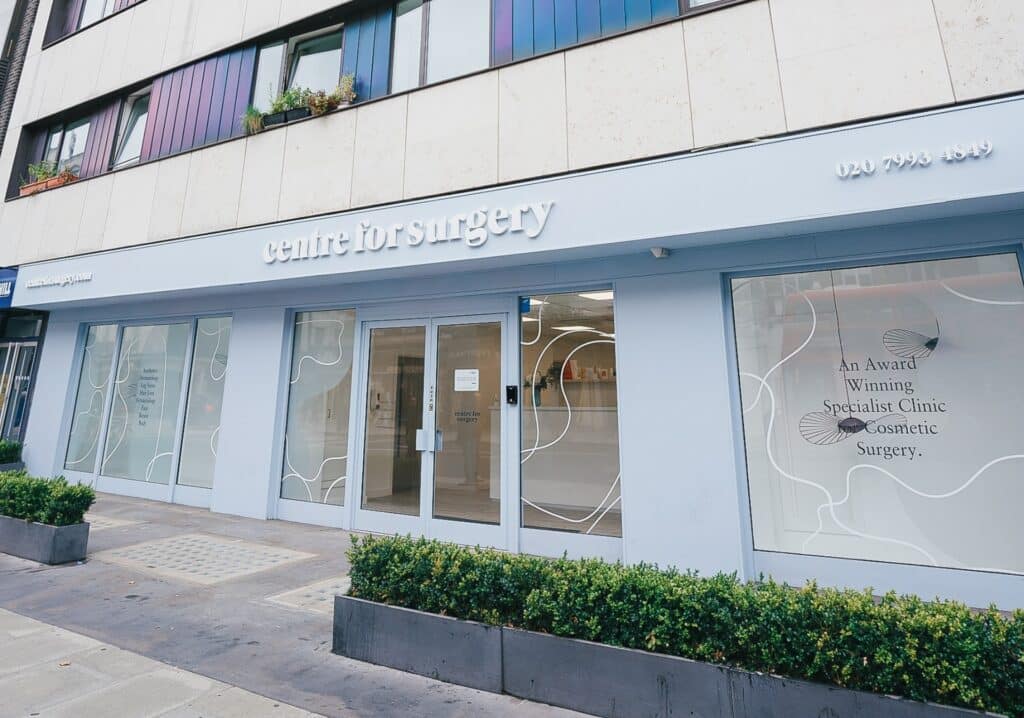
Selecting the right clinic for gynecomastia surgery is a critical decision that can significantly impact the success and satisfaction of your surgical outcome. Centre for Surgery in London stands out as a leading provider of specialised plastic surgery, including male breast reduction. Here are key reasons why choosing us for your gynecomastia treatment is a sound decision:
Expertise and Specialisation: We have a team of highly qualified, experienced plastic surgeons specialising in male breast reduction. Our surgeons are not only adept in the latest surgical techniques but also bring a deep understanding of the aesthetic and functional aspects of gynecomastia surgery. This expertise ensures that each patient receives personalised care tailored to their specific needs and expectations.
State-of-the-Art Facilities: Our clinic is equipped with cutting-edge surgical technology and facilities. We adhere to stringent safety standards and use the most advanced equipment, enabling us to offer the highest level of care from consultation to recovery. Our modern facilities also enhance the overall patient experience, providing comfort and reassurance throughout your surgical journey.
Comprehensive Consultation Process: We understand the importance of a thorough consultation. Our approach involves detailed discussions about your medical history, aesthetic goals, and any concerns you might have. This process ensures that all patients are fully informed about their options and what the surgery entails, helping them make educated decisions about their care.
Tailored Treatment Plans: Recognising that each case of gynecomastia is unique, we offer customised treatment plans designed to achieve the best outcomes. Whether you require liposuction, glandular tissue excision, or a combination of both, our surgeons will tailor the surgical approach to suit your individual situation, ensuring results that are both natural-looking and align with your physical health goals.
Commitment to Patient Care and Follow-Up: Our commitment to patient care extends beyond the operating room. We provide comprehensive postoperative support and detailed follow-up to monitor your recovery and ensure the best possible results. Our dedicated team is always available to answer any questions and assist with your recovery process.
Proven Track Record of Success: Centre for Surgery prides itself on a longstanding history of successful outcomes and high patient satisfaction rates. Our testimonials and case studies reflect the trust and confidence that our patients place in us, showcasing the transformative results we consistently achieve.
[contact-form-7 id=”256″ title=”Treatments form”]