
Lipoedema is a chronic condition that many people in the UK struggle with, particularly affecting women. This disorder, which causes abnormal fat accumulation in the legs, hips, and sometimes arms, is often misdiagnosed as obesity. However, it is a distinct condition that can lead to discomfort, pain, and limited mobility. The good news is that treatments are available, with liposuction among the most effective options for managing and alleviating the symptoms of lipoedema. In this article, we will explore the numerous benefits of liposuction for patients with lipoedema and explain why it is a promising treatment option.
What is Lipoedema?
Lipoedema is not simply about excess weight or fat. It is a condition characterised by an abnormal buildup of fat cells, primarily in the lower body, leading to disproportionate growth of the legs and thighs. It can be a painful and emotionally distressing condition, particularly because it is often misunderstood. Despite diet and exercise, those suffering from lipoedema find that the fat deposits remain resistant to change, leading to frustration and further health complications. This fat is not like ordinary fat. It is fibrotic and painful, often sensitive to touch, and can cause bruising easily. As lipoedema progresses, it can interfere with mobility, making it difficult for those affected to perform everyday activities.
RELATED: How to Get Rid of Lipoedema Fat
Unfortunately, lipoedema often goes undiagnosed or is mistaken for obesity or lymphoedema, delaying appropriate treatment. This delay can have serious consequences for the individual’s physical and mental well-being. While conservative treatments such as compression garments, lymphatic drainage, and physiotherapy can help manage some symptoms, they do not address the root cause—the excessive fat accumulation.
Why Liposuction is an Effective Treatment for Lipoedema
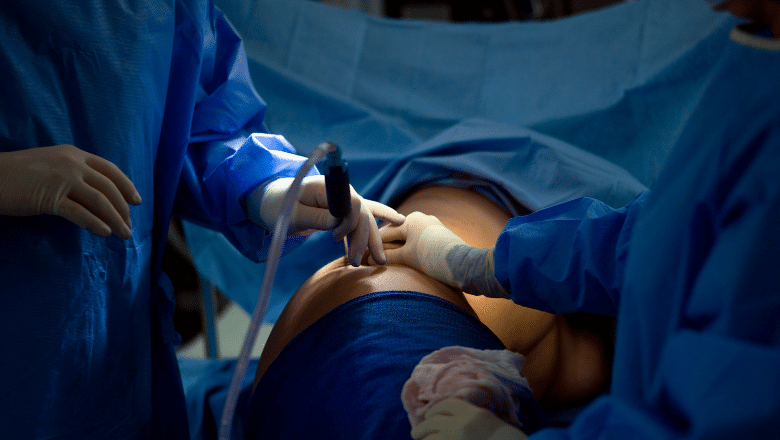
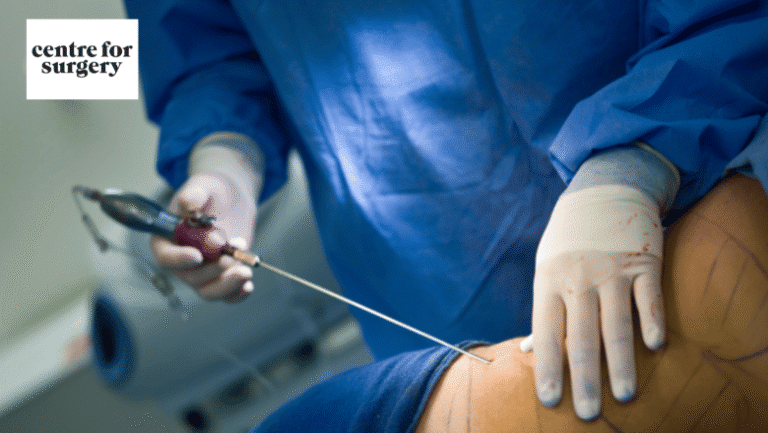
Liposuction has gained recognition as a highly effective treatment for lipoedema. Unlike general weight loss, which does not affect lipoedema fat, liposuction directly targets the problematic areas. By removing the abnormal fat cells, liposuction helps reduce the size and volume of the affected areas, significantly improving symptoms. Although it may not cure lipoedema, it can provide long-lasting relief and enhance the patient’s quality of life.
One of the primary advantages of liposuction is its ability to tackle the specific fat deposits associated with lipoedema. Traditional fat-loss methods, such as dieting and exercise, are often ineffective at reducing the painful, stubborn fat related to this condition. Liposuction allows surgeons to target these fat cells directly, providing physical relief from the discomfort and emotional burden associated with disproportionate fat accumulation. In essence, liposuction addresses the root cause of the condition—something that other treatments cannot achieve.
Improved Mobility and Physical Comfort
A key benefit of liposuction for lipoedema patients is the significant improvement in mobility. Lipoedema, particularly in its later stages, can severely impact a person’s ability to walk or stand for extended periods due to the weight and discomfort caused by excessive fat deposits. As fat cells accumulate, patients often experience swelling, tenderness, and a feeling of heaviness in their limbs. This can make basic activities such as walking upstairs or even standing up painful and exhausting.
By removing the excess fat, liposuction can dramatically reduce the physical burden on the body. As a result, many patients report increased overall mobility, allowing them to engage more freely in daily activities without the constant discomfort or need for rest. This improved mobility can also positively affect a person’s emotional well-being, allowing them to regain their independence and lead a more active lifestyle.
Long-Term Symptom Relief
Although lipoedema is a chronic condition, liposuction can provide long-term relief from many symptoms. In the absence of effective treatment, lipoedema tends to worsen over time. Patients often notice an increase in the size of the affected areas, along with worsening pain, swelling, and immobility. Liposuction can help slow or stop this progression by removing diseased fat cells, which do not regenerate as readily as normal fat.
Patients who undergo liposuction for lipoedema often experience a marked reduction in the size and volume of the affected areas, which can help alleviate many of the uncomfortable symptoms. The procedure also helps prevent the further spread of lipoedema fat, particularly when performed early in the disease. This long-term relief of symptoms is one of the main reasons many patients and clinicians consider liposuction the most effective treatment for lipoedema.
Reduction in Pain and Discomfort
Lipoedema is often accompanied by significant pain, particularly in the later stages. The fatty tissues in lipoedema patients tend to be fibrotic, making them harder and more sensitive than typical fat. Many patients experience tenderness, aching, and a general sense of discomfort, which physical activities can exacerbate, pressure on the limbs, or even simple movements. Additionally, lipoedema fat is prone to bruising, meaning that even slight bumps or knocks can result in painful, visible bruising.
By removing the problematic fat through liposuction, patients often experience a substantial reduction in pain levels. The relief from discomfort can be life-changing for those who have struggled with pain for years. While the procedure itself may cause some temporary bruising or tenderness during recovery, this is short-lived compared to the chronic pain experienced before the surgery. Many patients describe the post-surgical pain as manageable and a worthwhile trade-off for the long-term relief from the pain of lipoedema.
Emotional and Psychological Benefits
Living with lipoedema can be emotionally draining. The physical changes caused by the condition can affect a person’s body image, leading to feelings of self-consciousness and low self-esteem. Because lipoedema often affects the legs, thighs, and hips —areas that are difficult to conceal —it can be challenging for patients to feel comfortable in their own skin. Additionally, the misdiagnosis of lipoedema as obesity can lead to further emotional distress, as patients may face judgment from others or feel frustrated by their inability to lose weight through traditional methods.
Liposuction can help improve a patient’s appearance, giving them a more proportionate body shape and reducing the visible effects of lipoedema. This, in turn, can boost self-confidence and improve a patient’s overall emotional well-being. For many people, the emotional impact of living with lipoedema is as significant as the physical symptoms, and by addressing the cosmetic concerns, liposuction can provide much-needed psychological relief.
Patients often report feeling more confident and less self-conscious after undergoing liposuction for lipoedema. This boost in confidence can translate into a better quality of life, as individuals may feel more comfortable engaging in social activities, wearing different types of clothing, and participating in physical activities they previously avoided due to embarrassment or discomfort.
Prevention of Further Health Complications
If left untreated, lipoedema can lead to a range of other health issues. As the condition progresses, increased fat deposits can strain the joints, leading to arthritis or other musculoskeletal problems. The swelling and poor circulation associated with lipoedema can also lead to lymphoedema, a condition in which the lymphatic system becomes overwhelmed and can no longer drain fluid from the affected areas.
Liposuction not only helps alleviate the immediate symptoms of lipoedema but also helps prevent secondary health complications. By reducing fat and improving circulation in the affected areas, liposuction can help prevent lymphoedema and relieve pressure on the joints. This proactive approach to treatment can help prevent patients from developing further debilitating conditions.
Improved Quality of Life
The overall improvement in both physical and emotional well-being following liposuction for lipoedema cannot be overstated. Patients often report that the procedure has dramatically improved their lives. Whether it is the increased mobility, the relief from pain, or the enhanced self-esteem, liposuction offers a transformative experience for those who have suffered from the burden of lipoedema.
After liposuction, many patients find that they are able to return to activities they once enjoyed but had to give up due to the limitations of lipoedema. This return to an active lifestyle not only promotes better physical health but also helps individuals regain a sense of control and freedom in their daily lives. For many, liposuction represents a turning point, allowing them to break free from the physical and emotional constraints of lipoedema.
About Centre for Surgery
Centre for Surgery is a specialist clinic renowned in the UK for our expertise in the treatment of lipoedema. With a dedicated team of surgeons who specialise in advanced liposuction techniques, we offer personalised treatment plans to address the unique needs of each patient. Our approach combines medical precision with compassionate care, ensuring that our patients receive the best possible outcomes for their condition.
As leaders in the field, we understand the complexities of lipoedema and are committed to providing long-term relief from its debilitating symptoms. Whether you are seeking an initial consultation or are ready to explore treatment options, Centre for Surgery is here to support you every step of the way.

[contact-form-7 id=”256″ title=”Treatments form”]