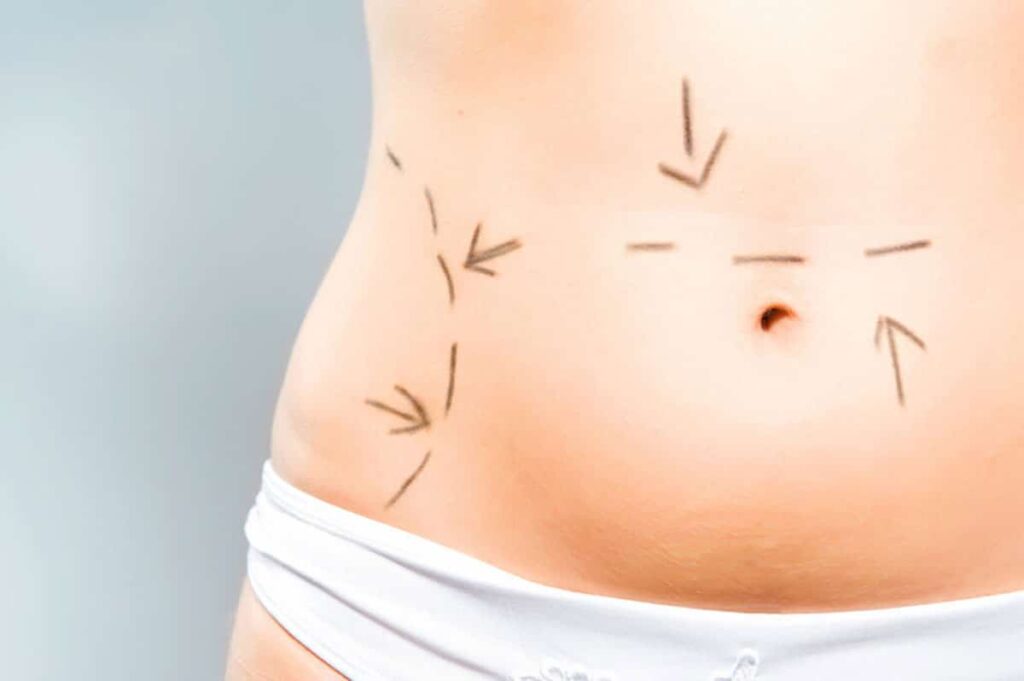
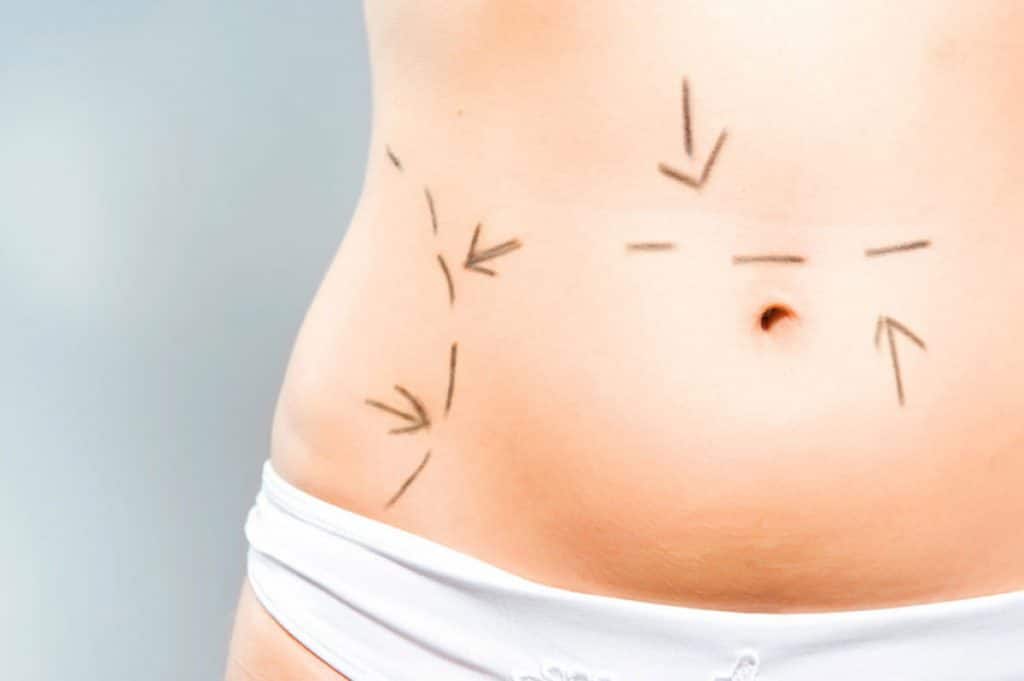
Liposuction is a highly effective body-contouring procedure for the targeted removal of excess body fat from most areas of the body. It is ideal for patients who have been unable to lose this excess fat through diet and exercise alone. Liposuction is also known as ‘lipo’ and is one of the most popular procedures at Centre for Surgery in London. Our surgeons are fortunate to have access to the full range of liposuction technologies, including SmartLipo, BodyTite and power-assisted liposuction. Liposuction is commonly used in combination with fat transfer procedures, including Brazilian Butt Lift, as well as with excess skin removal procedures, including tummy tuck, arm lift, and thigh lift. Many patients are understandably concerned about the possibility of their skin becoming loose and flabby after liposuction. Liposuction usually does not result in excessive skin laxity, provided the right patient is selected for the procedure.
Will the skin sag after liposuction?
It is doubtful that the skin will sag after liposuction surgery. The exception is when surgeons remove large volumes of fat in patients with some pre-existing skin laxity, particularly in the abdominal area. In these cases, the correct treatment would be liposuction combined with a skin excision procedure, such as abdominoplasty, to enable more effective treatment of the loose skin. Patients are more likely to develop loose skin after undergoing dramatic weight loss or after pregnancy.
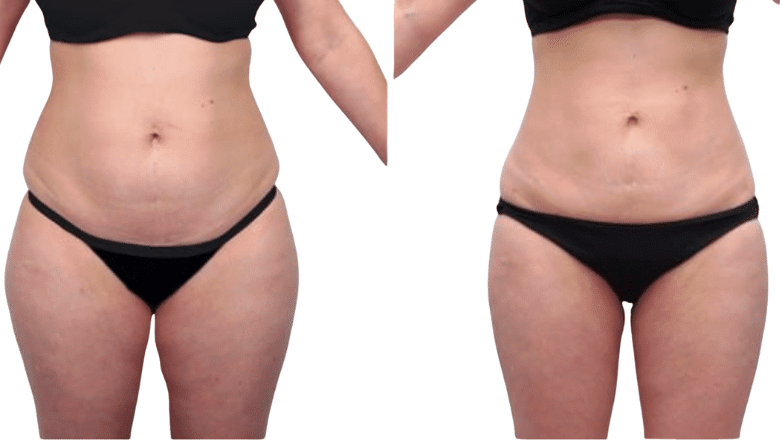
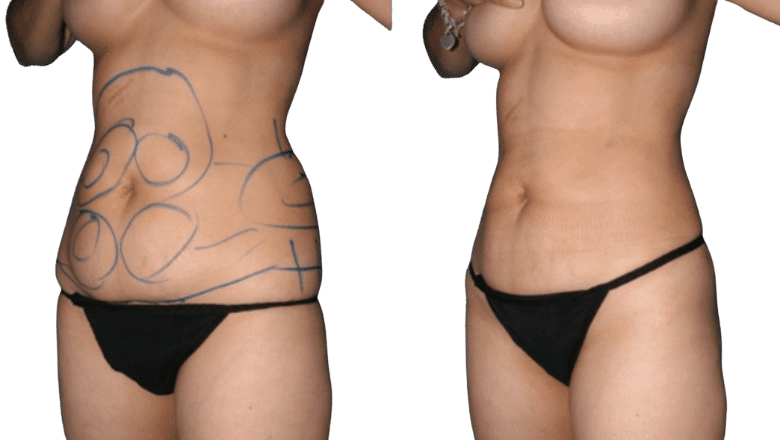

Does liposuction result in skin tightening?
Traditional liposuction is not a recognised method for treating sagging skin. However, any liposuction procedure may result in mild skin tightening as a secondary benefit. Patients may note that the tightening effect is more noticeable in areas of more delicate skin, such as the neck or upper arm. In areas with thicker skin, liposuction alone can effectively remove unwanted fat without risking excessive skin laxity. Patients with significant sagging or laxity of the lower abdomen may find that liposuction alone will not address the laxity and, in some cases, could even worsen it. Liposuction can deliver fantastic results with significant skin tightening in other areas of the body, such as the lower back, where the skin is thicker. Our surgeons use power-assisted liposuction as their preferred technique and, in many cases, may combine it with Argo Plasma, BodyTite or FaceTite for additional skin tightening without the traditional scars associated with excisional surgery.
How much skin retraction can be achieved after liposuction?
Every patient is different in terms of skin quality and the potential for skin retraction after a liposuction procedure. As noted above, any liposuction procedure can result in mild skin tightening, which is commonly observed during recovery. In many cases, the skin may take months to heal before improved quality is noticed. For patients with pre-existing skin laxity, as is common after dramatic weight loss, the skin may not retract sufficiently, leading to the impression of worsening skin laxity after the liposuction procedure. All patients will develop some degree of skin laxity with age. Many patients have stretch marks from significant weight gain or loss, which can also directly affect the degree of skin retraction after liposuction.
After any liposuction procedure, it is vitally important to follow all the post-operative instructions your surgeon and the nursing team gave to you to ensure you get the best possible results. It is essential to wear the post-operative liposuction compression garment for at least six weeks following the procedure. The purpose of the compression garment is to ensure the skin is firmly applied to the underlying soft tissue layer, which will further optimise skin retraction. The healing process is much faster when patients wear the compression garment as directed by their surgeon. The risk of seroma and haematoma formation is much less in those who wear compression garments correctly fitted after liposuction. When compression garments are not worn as recommended, the risk of sagging skin and skin laxity is much higher.
Generally, our surgeons recommend taking about 7 days off after the liposuction procedure; however, this advice depends on the type of work undertaken, with more physical jobs requiring a more extended period off. Patients should refrain from driving for 1 week after the procedure. Most bruising and swelling should settle down over the first 3 to 4 weeks.
The recovery process can be optimised by avoiding several activities. Patients should avoid strenuous exercise in the gym for six weeks after liposuction and should avoid any sexual activity for the first two weeks after the procedure. Your surgeon can advise you on accurate timings based on the type of liposuction procedure you are having. It is also recommended to avoid strong sunlight and sunbeds to minimise the risk of hyperpigmentation of the scars. The best sleeping position after liposuction is to lie on one’s back for the first two weeks and to avoid lying on one’s front as much as possible.
At Centre for Surgery in London, the Care Quality Commission described our after-care program as ‘outstanding’. All patients will receive a post-operative phone call the day after the procedure, followed by a post-operative wound check appointment one week after the procedure. You will also have full access to our post-operative nursing team for any questions or queries. Our post-operative nurses are trained in all aspects of liposuction recovery care and can offer tailored post-operative advice to help you achieve the best results after liposuction.
How to treat sagging skin after liposuction?
Combining liposuction with skin excision is the best treatment option for patients who have significant fat removed and significant pre-existing skin laxity. The ideal treatment would be an abdominoplasty, a tummy tuck to remove excess skin. For appropriately selected patients, a Brazilian tummy tuck, which combines liposuction with tummy tuck surgery, could be ideal. A lower body lift, or belt lipectomy, may be suitable for patients with skin laxity affecting the buttocks or outer thighs.
Liposuction is specifically designed to address excess fat deposits in unwanted areas of the body, and patients with loose, saggy skin may find their skin unchanged or even worse after a liposuction procedure. The ideal treatment approach would be to combine liposuction with an Argo plasma, tummy tuck or arm lift, depending on the area affected by skin laxity. There are several non-invasive treatments for skin laxity, including laser skin tightening and Morpheus8. These treatments can improve skin laxity in those with mild to moderate sagging skin.
If you are keen to find the best treatment for you, contact one of our friendly and knowledgeable patient coordinators to book a face-to-face consultation with an expert body contouring surgeon. During the consultation, your surgeon will listen carefully to your expectations for treatment and then perform a physical examination to determine the most appropriate treatment. The risks and complications of each treatment option will be discussed in detail.
At Centre for Surgery in London, we are fortunate to offer a full range of body contouring procedures, including liposuction, tummy tuck, and non-invasive options such as laser skin tightening and BodyTite. We are renowned for our expertise in the Brazilian tummy tuck, which is often combined with breast uplift as part of a mummy makeover.
[contact-form-7 id=”256″ title=”Treatments form”]