

Labiaplasty has the potential to be a transformative procedure, offering meaningful relief from physical discomfort and a significant boost to self-confidence and emotional well-being. Yet one of the most understandable concerns women have when researching the procedure is whether it will affect sexual sensation. The fear of permanent nerve damage, reduced sensitivity, or loss of pleasure is a natural concern when contemplating surgery in such a sensitive and intimate area.
The good news is that labiaplasty, when performed correctly by an experienced specialist cosmetic gynaecology surgeon, does not affect sexual sensation. In fact, the opposite is frequently reported — many women describe improved sensation and enhanced sexual experience following surgery, particularly when labiaplasty is combined with clitoral hood reduction.
This guide explains the anatomy of the labia and its nerve supply, why labiaplasty does not compromise sensation, what the evidence and patient experience tell us, and what you can expect from surgery at Centre for Surgery in London.
RELATED: What Is Labial Hypertrophy?
The Anatomy of the Labia and Nerve Supply
To understand why labiaplasty does not impair sensation, it helps to understand the anatomy of the labia and the distribution of the nerve supply to the vulvovaginal region.
The labia minora are folds of thin, delicate skin and mucous membrane that surround the vaginal opening on either side. They contain a high density of blood vessels and nerve endings, making them highly sensitive structures. The primary nerve supply to the labia minora comes from branches of the pudendal nerve — specifically the labial branches of the perineal nerve — which run along the deep surface of the labia rather than through the superficial labial edge.
The critical point for understanding labiaplasty’s safety in relation to sensation is the location of these nerve fibres. The main sensory nerve branches that supply the labia run deep within the labial tissue, not along the free margin. Labiaplasty — whether performed using the trim technique or the wedge technique — focuses specifically on the superficial margin and the redundant labial tissue. It does not reach the deeper nerve trunks that are responsible for labial sensation and erogenous response.
The clitoris, which contains approximately 8,000 to 10,000 nerve endings and is the primary site of female sexual sensation, is entirely separate from the labia minora and is not affected by labiaplasty surgery in any way. The clitoris is protected and preserved throughout the labiaplasty procedure, and its nerve supply and vascular supply are not disturbed.
Does Labiaplasty Reduce Sexual Sensation?
Properly performed labiaplasty does not reduce sexual sensation. This is supported both by the anatomical principles described above and by a substantial body of patient-reported outcomes in the published medical literature.
Studies examining patient-reported outcomes following labiaplasty consistently demonstrate that the overwhelming majority of women who undergo the procedure report either unchanged or improved sexual sensation and experience. A large-scale review of outcomes following labiaplasty reported high rates of patient satisfaction, with improvements noted in sexual confidence, sexual pleasure, and physical comfort during intercourse. The incidence of reduced sensation as a complication of labiaplasty is extremely low when the procedure is performed by an experienced surgeon using appropriate technique.
This outcome reflects the surgical design of labiaplasty. The procedure is specifically planned to remove the excess labial tissue while carefully preserving the underlying neurovascular anatomy. The surgeon works with a detailed knowledge of where the nerve branches lie and deliberately avoids the tissue planes that contain them. The result is a procedure that effectively reduces labial size and improves symmetry without compromising the sensory function of the area.
RELATED: Is A Hoodectomy The Same As Clitoral Hood Reduction?
Why Many Women Report Improved Sensation After Labiaplasty
For many women, labiaplasty actually results in an improvement in sexual sensation rather than any reduction. There are several reasons for this.
Firstly, the physical discomfort caused by excess labial tissue during sexual intercourse is a major barrier to sexual enjoyment for many women. When labia minora are significantly enlarged, they can become caught, twisted, or compressed during penetrative sex, causing pain and distraction that makes it difficult to relax and experience full pleasure. Once this source of discomfort is eliminated through labiaplasty, women find that they are able to enjoy sexual intimacy far more freely and with greater physical and psychological comfort.
Secondly, many women who have been self-conscious about the appearance of their labia find that their anxiety and embarrassment in intimate situations has been holding them back from full sexual engagement. The psychological shift that follows surgery — the feeling of confidence and freedom in their own body — translates directly into greater sexual enjoyment and often into a more fulfilling intimate relationship.
Thirdly, when labiaplasty is combined with clitoral hood reduction (hoodectomy), many women experience a direct increase in clitoral sensitivity. The clitoral hood is a fold of skin that covers and protects the clitoral glans. When this tissue is excessive, it may partially obscure the clitoris and reduce the directness of clitoral stimulation. Clitoral hood reduction removes the excess tissue, allowing greater exposure of the clitoral glans and, for many women, enhancing the intensity and ease of clitoral stimulation.
The Different Types of Labiaplasty and Their Safety
Centre for Surgery offers two principal techniques for labia minora reduction, and both are designed with the preservation of sensation as a core surgical priority.
Trim Labiaplasty (Edge Excision)
The trim technique, also known as the direct excision or edge technique, involves making a precise incision along the free margin of the labia minora to remove excess tissue and, where relevant, hyperpigmented edges. The incision is placed at the superficial labial margin, well away from the deeper nerve trunks. This technique is particularly suited to patients with significant labial hypertrophy and for those who wish to remove darkened labial edges.
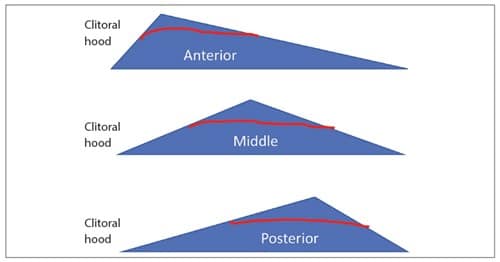
Wedge Labiaplasty (Wedge Resection)
The wedge technique involves removing a V-shaped section of tissue from the main body of the labia minora rather than from its free edge. The wound edges are carefully sutured together to preserve the natural labial border and produce a very discreet scar. This approach is particularly suited to patients who are concerned about visible scarring along the labial edge, or who wish to preserve the natural appearance of the labial margin.
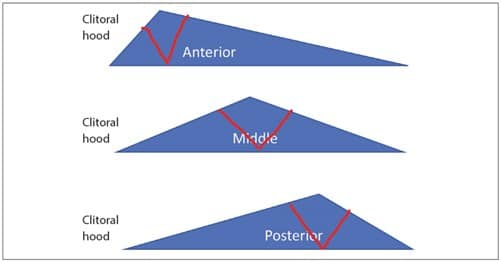
In both techniques, the dissection is carefully confined to the redundant labial tissue and avoids the deeper neurovascular structures. The de-epithelialisation technique — a less commonly performed alternative — is also available for women with minor degrees of labial enlargement in whom preservation of the labial contour is the primary concern.
RELATED: Trim Labiaplasty vs Wedge Labiaplasty
What Are the Risks to Sensation from Labiaplasty?
While the risk of permanent reduced sensation from labiaplasty is very low when the procedure is performed by an experienced specialist, it is important to acknowledge that, like all surgery, it is not entirely without risk.
Temporary altered sensation — a feeling of numbness, heightened sensitivity, or tingling in the labia following surgery — is relatively common in the early weeks of recovery. This reflects the normal process of tissue healing and typically resolves completely within three to six months as the healing nerves and tissues settle. It does not indicate permanent nerve damage.
Permanent reduction in labial sensation as a result of labiaplasty is uncommon. When it does occur, it is most often attributable to poor surgical technique — specifically, dissection that extends too deeply into the labial tissue and damages the nerve branches that run within it. This risk is greatly minimised by choosing an experienced, specialist cosmetic gynaecology surgeon who has an in-depth knowledge of the relevant anatomy and a high volume of experience in labiaplasty. At Centre for Surgery, our surgeons perform labiaplasty regularly and are trained to the highest standard in the anatomical principles that underpin safe and effective surgery.
RELATED: Can Labiaplasty Provide Relief from Discomfort?
What About Sensation After Combined Labiaplasty and Clitoral Hood Reduction?
Many patients choose to combine labiaplasty with clitoral hood reduction in a single surgical session. Clitoral hood reduction — also known as hoodectomy — involves carefully removing excess skin from the clitoral hood to reduce its size and, in many cases, to allow greater exposure of the clitoral glans. The procedure is performed with great care to preserve the clitoral nerve supply and vascular anatomy, ensuring that the clitoris itself is not disturbed in any way.
When performed correctly, clitoral hood reduction does not damage the clitoris or its nerve supply. The procedure focuses exclusively on the overlying skin hood, leaving the clitoris and its sensory innervation completely intact. Many women who have clitoral hood reduction report an enhanced degree of clitoral sensitivity following surgery, as the reduced hood allows more direct contact between the clitoris and sexual stimulation. This is a frequently reported positive outcome that contributes to the high satisfaction rates seen in patients who combine both procedures.
What to Expect During Recovery in Relation to Sensation
In the days and weeks immediately following labiaplasty, the operated area will be swollen, tender, and bruised. During this period, the labia will feel different from normal — heightened sensitivity in some areas and a degree of numbness in others are both normal features of the healing process and do not represent permanent changes. These sensory changes reflect the normal inflammatory phase of wound healing, during which nerve endings in the area may be temporarily hypersensitive or, conversely, temporarily blunted by swelling.
As swelling resolves — typically over four to six weeks — normal sensation returns progressively. By the time healing is considered complete at six weeks, the vast majority of patients have experienced a full return to normal sensation. In some cases, the final return of complete normal sensation may take up to three to six months, which reflects the longer timeline for nerve fibre recovery in the small number of cases where minor nerve branches were affected during surgery.
Sexual activity is typically permitted from six weeks post-operatively. At this point, the tissues have healed sufficiently to engage in intercourse safely and comfortably. Many women notice that their sexual experience is improved from the very first encounter post-surgery, as the physical and psychological barriers that were previously present have been removed.
Frequently Asked Questions
Will labiaplasty permanently affect how my labia feel?
No. When performed by an experienced specialist, labiaplasty does not produce permanent changes to labial sensation. Temporary altered sensation during the healing period is normal, but this fully resolves in the vast majority of patients within three to six months.
Will labiaplasty reduce clitoral sensitivity?
No. The clitoris is not involved in labiaplasty surgery and is fully preserved throughout the procedure. Clitoral sensitivity is not affected by labia minora reduction.
Can labiaplasty actually improve sensation?
Yes, for many women it can. The elimination of physical discomfort during intercourse, the improvement in sexual confidence, and — where clitoral hood reduction is combined — the enhanced clitoral exposure all contribute to a significantly improved sexual experience for many patients following labiaplasty.
When can I resume sexual activity after labiaplasty?
Sexual intercourse is typically permitted from six weeks post-operatively, once the tissues have healed sufficiently. Your surgeon will confirm this clearance at your post-operative review.
How long will my labia feel numb or different after surgery?
Temporary altered sensation following surgery typically resolves within three to six months. Most patients find that normal sensation returns fully within this period as the healing process completes.
Explore More About Labiaplasty at Centre for Surgery
RELATED: Labiaplasty at Centre for Surgery
RELATED: Labiaplasty Before & After Photos
RELATED: How Much Does a Labiaplasty Cost?
RELATED: Labiaplasty FAQs — Q&A About Labia Reduction
RELATED: Recovery After Labiaplasty — Top Tips
RELATED: Vaginoplasty — Vaginal Tightening Surgery
RELATED: Clitoral Hood Reduction — Hoodectomy
RELATED: Can I Get a Labiaplasty on the NHS?
Why Choose Centre for Surgery for Labiaplasty Surgery?
Labiaplasty is a potentially transformative procedure that can lead to a significant improvement in self-confidence, emotional well-being, and sexual function. Our specialist surgeons have many years of experience treating women with labial hypertrophy and a comprehensive knowledge of female sexual and reproductive anatomy. We perform labiaplasty as a day-case procedure at our Baker Street clinic in central London, with a dedicated all-female nursing team and an unwavering commitment to patient safety and discretion.
Finance options including 0% APR with Chrysalis Finance are available. If you would like to book a consultation at Centre for Surgery for labiaplasty, please get in touch today and speak to one of our friendly and knowledgeable patient coordinators on 020 7993 4849.
RELATED: How Much Does a Labiaplasty Cost?
[contact-form-7 id=”256″ title=”Treatments form”]