

As new techniques in cosmetic surgery become available, the parts of our bodies we thought could not be enhanced suddenly become possible. Many people often complain about hip dips and what hip dip surgery can achieve for them. Both women and men can have hip dip surgery, although most patients are women. Hip dip surgery most commonly involves fat transfer to the hips to fill the visible indentations, which are most apparent when viewed from the front. Fat transfer surgery is a body contouring procedure commonly performed at Centre for Surgery.
RELATED: How to Get Rid of Hip Dips
Women most commonly request hip dip surgery to improve their overall body silhouette. The desirable appearance would be a curved shape that forms a convex line around the hips and goes in at the outer thighs. When this convex appearance appears sunken or concave, many women come to us seeking treatment to fill out their hip dips.
Why are hip dips seen as an undesirable feature?
Every person has a unique body shape, and what is expected of one person may be thoroughly disliked by another. Hip dips are not linked with any serious underlying condition. People choose to get rid of hip dips because they are aesthetically unappealing. Although the aesthetic ideal of having rounded hips is what most women would like to have, many of us have a body type that does not conform to this ideal.
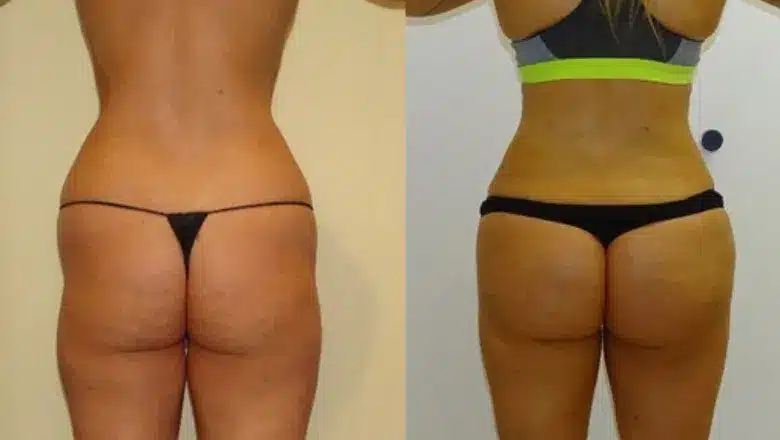
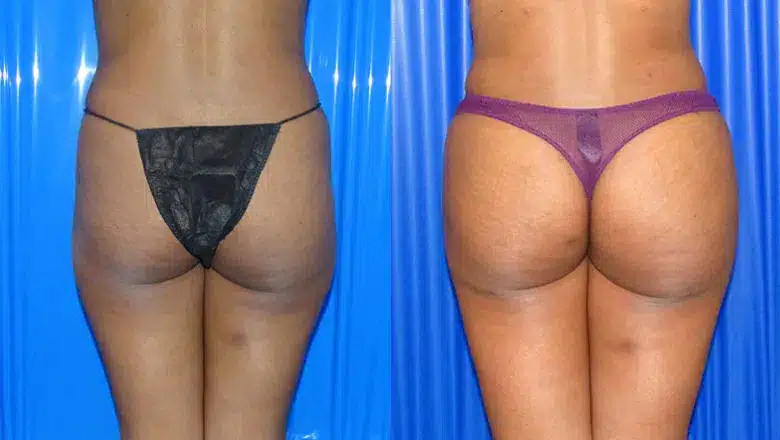
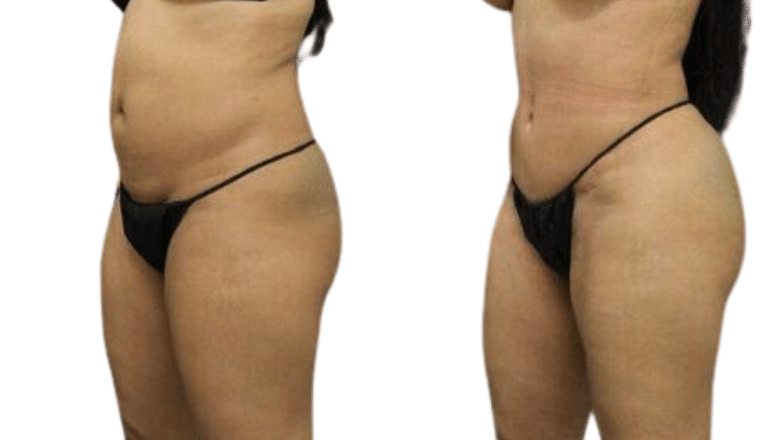
Women seek treatment for hip dips despite there being nothing inherently wrong with having them. They dislike their appearance as it impacts their self-confidence. Most women want to feel happy with their appearance, and any situation that accentuates hip dips may make them feel more distressed. Typical conditions include being on the beach or swimming. Effective treatment options are available to improve overall hip contour, leading many women to consult with us to determine whether the fat transfer to the hips procedure is suitable for them.
Can hip dips be fixed with surgery?
Hip dips can now be treated with a range of different surgical procedures. The presence of hip dips is most often due to structural differences in bone shape, with no link to muscle bulk or fat distribution. Nothing can be done to improve the bone structure. Many people may benefit from regular physical exercise and specific exercises to tone and strengthen the area around the hips. However, these will not permanently eliminate hip dips. The best option for hip dips is cosmetic surgery. A personal consultation with a specialist plastic surgeon will allow you to decide on the most appropriate surgical treatment.
Previous surgical procedures for hip dips involved hip augmentation surgery with custom-designed silicone implants inserted into the hips to fill out the concavity that characterises hip dips. These custom-made hip implants often have complications, including malposition and gradual migration over time under the influence of underlying muscular forces. Other, less invasive treatments include collagen-stimulating injections, the most popular of which is Sculptra. This is only a temporary treatment with results lasting for no more than 18 to 24 months. Patients will require regular top-up injections to maintain the results over time. The most effective option for getting rid of hip dips is by having a fat transfer to the hips procedure.
RELATED: Why BBL is great for hip dips
What are the benefits of fat transfer to the hips?
Fat transfer to the hips is the best minimally invasive procedure to correct hip dips. The treatment involves first performing liposuction on another body part to remove excess fat. The harvested fat is then processed to remove impurities before being injected into the concave areas of the hips. Fat transfer results in a fuller appearance with hips that appear more projected. It is an entirely natural procedure as fat is taken from your body. The most common areas where fat is removed include the stomach, thighs, inner knees and back. Only small incisions are required to permit the insertion of liposuction cannulas to suck the fat out. Once the procedure is complete, the incisions are closed with dissolvable stitches, followed by a sterile dressing. Compared with silicone implants, fat transfer to the hips is a minimally invasive procedure without requiring lengthy incisions and excessive scarring. Recovery is much quicker after fat transfer to the hips than implant-based surgery. Results after fat transfer to the hips are as good, if not better, than hip dip surgery with implants. Fat transfer to the hips is a much more affordable procedure, as custom-designed silicone hip implants can be costly. The procedure also involves removing excess fat from unwanted areas of the body to achieve a more sculpted, contoured appearance.
RELATED: What does fat transfer recovery involve?
Where is the best place for hip dip surgery in the UK?
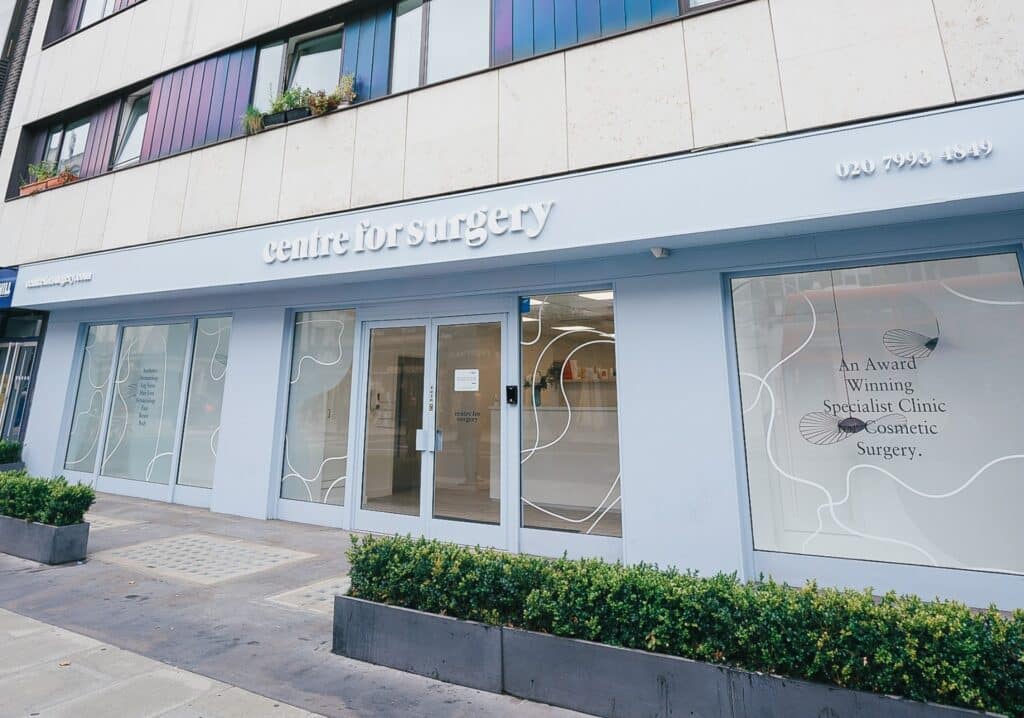
Hip dip surgery is a type of cosmetic surgery and is therefore not funded by the NHS. The NHS does not perform cosmetic surgery purely to improve appearance. A select few cosmetic surgery procedures may be eligible for NHS funding, but patients must meet strict eligibility criteria to qualify for treatment. Most patients would be advised to seek treatment at a reputable UK cosmetic surgery clinic such as Centre for Surgery in London.
You should ensure the independent healthcare provider you choose for your hip dip surgery is fully registered with the Care Quality Commission (CQC), which regulates all private clinics in England. All private clinics in England must, by law, be registered with the CQC and will be subject to a schedule of regular inspections to ensure that high standards of patient safety are maintained. You should also research your fat transfer surgeon’s skills and qualifications. Our surgeons specialise in fat transfer to hip surgery and other advanced body contouring procedures. We are well known for the high standard of post-operative aftercare provided by our nursing team, which has been described as ‘outstanding’ in previous CQC inspection reports.
RELATED: Surgery for a Bigger Butt: Should I get BBL or Implants?
How much does fat transfer to the hips cost?
The cost of fat transfer to the hips is determined by several factors, including where you choose to have treatment; prices in London are higher than in the rest of the UK. The surgeon’s skills and experience selected to perform the procedure is also significant in determining the treatment outcome. Hip dip surgery is actually two procedures combined into one, with liposuction performed 1st to remove unwanted fat from an area of the body, then injected into the hips with fat transfer.
RELATED: How much does fat transfer cost?
The price for hip dip surgery is approximately £5995, compared with much higher prices elsewhere in London. The procedure is a one-off treatment with no need for further top-up treatments every couple of years. Injections of Sculptra will require repeated treatment every 2 years to maintain results, and only modest improvements in the appearance of hip dips can be achieved. It should be noted that any fat transfer procedure results in an approximately 30% fat reabsorption rate. Your surgeon takes this into account when injecting fat, ensuring as much of it as possible survives the fat transfer. It would help if you were a non-smoker before considering fat transfer surgery, as smoking leads to a significantly lower fat cell survival rate.
If you are interested in a hip dip surgery consultation, don’t hesitate to get in touch with us on 0207 993 4849 to book a face-to-face consultation with one of our experienced fat transfer surgeons at our state-of-the-art Baker Street clinic in Marylebone.
[contact-form-7 id=”256″ title=”Treatments form”]