Breast Augmentation Scar Treatment: Healing and Minimisation Tips
Choosing to have breast augmentation surgery is one of the most significant decisions women can make to transform their self-confidence. Despite this, many women understandably have concerns about the appearance of boob job scars. Boob jobs continue to be the most commonly performed cosmetic surgery in the UK.
RELATED: Can you get a breast enlargement on the NHS?
The procedure is so popular because the results can be truly remarkable, with a significant boost in emotional well-being for women who have lived for many years with small breasts, which have affected their lives in many ways.
Breast augmentation is designed to improve the size and shape of the breasts, although women who have the procedure do not want to be concerned about the potential appearance of breast augmentation scars. In some cases, the development of prominent scarring may reduce overall patient satisfaction, so it is perfectly understandable for many women to be concerned about what kind of scars they can expect after breast augmentation. Here we discuss all aspects of boob job scars, including how to improve their appearance to help you make an informed decision before proceeding with breast enlargement surgery.
Healing Process of Breast Augmentation Scars
Scarring is an inevitable aspect of any surgical procedure, including breast surgery. It’s a testament to the body’s remarkable ability to heal itself. When the skin undergoes a surgical incision, the body’s healing mechanisms kick into gear, forming a scar. This process involves several stages:
Inflammatory Phase
This is the body’s immediate response to a wound. During this phase, white blood cells and other immune system components rush to the incision site to prevent infection. This response is characterised by redness and swelling around the wound area, marking the beginning of the healing process.
Proliferation Stage
At this stage, the body actively works to rebuild the wounded area. New tissue forms as the body produces collagen to fill and close the wound. During this phase, the scar forms as the body lays down new tissue to repair the cut.
Remodelling Phase
The final phase is where the scar matures. Over time, the collagen fibres in the scar tissue reorganise, making the scar gradually flatter and lighter in colour. This maturation process can take up to a year or longer, during which the scar’s appearance will continuously evolve.
Managing and Minimising Scars After Breast Augmentation Surgery
Post-operative scar management is an integral part of your breast augmentation journey. At Centre for Surgery, we understand the importance of discreet scarring and take meticulous care when strategically placing incisions. These are typically located along natural skin creases or around the areola, helping to camouflage them. However, the final appearance of scars can also depend on individual factors like skin type and adherence to post-operative care guidelines.
Key Factors in Scar Healing:
- Surgical Technique: Your surgeon’s precision and skill play a vital role in how scars form and heal. Our surgeons use advanced techniques to ensure incisions are as inconspicuous as possible.
- Skin Type: Different skin types can heal in varying ways. Factors like skin tone, thickness, and elasticity can influence the healing process and the ultimate appearance of scars.
- Postoperative Care: For optimal scar healing, it is essential to follow the postoperative guidelines carefully, including wound care and activity restrictions.
Will breast augmentation scars look obvious?
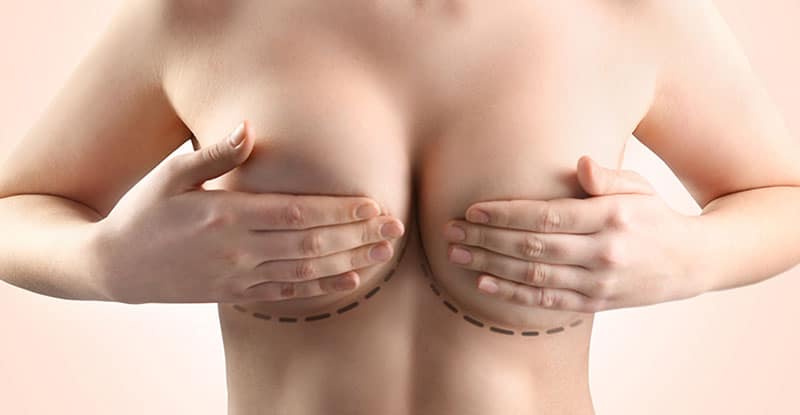
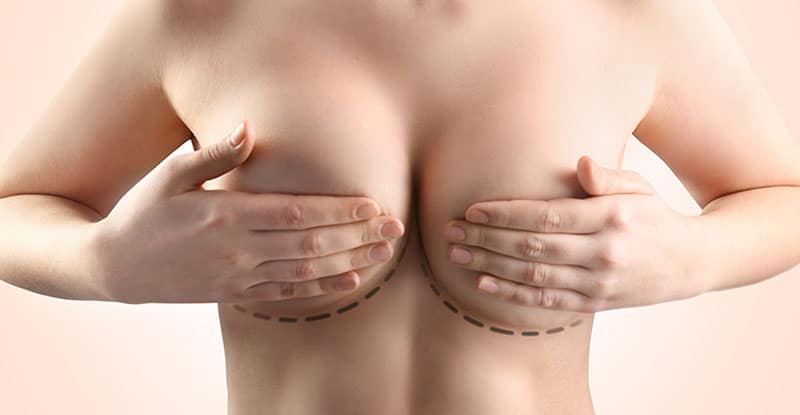
All types of cosmetic breast surgery involve making incisions through the skin as part of surgically altering the appearance of the breast. The surgeon always takes great care to keep breast augmentation incisions as short as possible. The most common incision for breast enlargement is made in the lower breast crease, also known as the inframammary fold. Less commonly, incisions may be made around the areola, known as the periareolar approach. In the early postoperative phase, incisions appear red and are often raised above the surrounding skin. With time, the colour changes from a deep red to a lighter shade, which may appear pink. Eventually, breast augmentation scars become pale white, flat, and at the same level as the surrounding skin.
The most common incision for a boob job is made in the lower breast crease, and these types of boob job scars are not prominent. Incisions made around the areola are easily disguised, as they are often made on the border between the darker areola skin and the lighter surrounding skin. This type of scarring can be hidden by wearing an appropriately fitting bra, and most clothing will conceal scars in the lower breast crease.
Effective Strategies for Scar Reduction Following Breast Surgery
Post-surgical scar management is a crucial aspect of the healing process after breast surgery. While scars are a natural and inevitable part of the healing process, there are several methods to reduce their visibility and improve their appearance. Here are some popular and effective techniques:
Topical Treatments
- Description: These include creams, gels, and ointments specifically formulated to minimise scar appearance.
- Ingredients: Common ingredients are silicone, onion extract, or vitamin E, known for their skin-healing and regenerative properties.
- Benefits: They can help soften and flatten scars, reduce redness, and improve discolouration. However, their effectiveness can vary depending on individual factors and the age of the scar.
Silicone Sheets
- Function: Silicone sheets hydrate scar tissue, leading to reduced size and texture.
- Usage: They are self-adhesive sheets that you cut to size and place over the scar for several hours daily.
- Results: With consistent use, silicone sheets can significantly diminish the visibility of scars.
RELATED: Do Silicone Strips Help Cosmetic Surgery Scars Heal Better?
Massage
- Technique: Gentle massage of the scar area can break down scar tissue and improve circulation, aiding in faster healing.
- Effects: Regular massaging can help scars blend more seamlessly with the surrounding skin, enhance softness, and reduce tightness.
RELATED: How to Massage Yourself After Cosmetic Surgery
While these methods can be performed at home, professional treatments often yield superior results. At Centre for Surgery, we can guide you through these options and recommend the most effective scar reduction strategies tailored to your needs and the specifics of your surgery. Our goal is to ensure that your healing process promotes physical recovery and leads to aesthetically pleasing results.
Is it possible to have a boob job without any scars?
Breast augmentation surgery requires making incisions to permit access for the insertion of breast implants. The procedure cannot take place without making surgical skin incisions. The surgeon takes great care to minimise the appearance of any scars by keeping incisions as short as possible. With proper after-care, the scars will gradually fade over the first six months and may become almost invisible after one year. Your surgeon will also use a breast funnel to insert the implants, and this helps to minimise the length of the skin incision required for breast augmentation. Our post-operative nurses recommend several effective scar management treatments, including silicone gel sheets, to help boob job scars fade even faster after surgery.
We often get asked about non-surgical boob jobs, which do not involve the incisions and scars of more invasive surgery. There is no practical way to increase the size of the breasts using non-surgical methods permanently. The only effective way to enhance the size of your breasts is with breast augmentation surgery performed by an expert surgeon.
What can I do to reduce the appearance of boob job scars?
All types of breast implant surgery involve making incisions, although these are shorter than other kinds of cosmetic surgery, such as a tummy tuck. Boob job scars are, therefore, less prominent than what might be expected. All kinds of surgery, including a boob job, involve making incisions through the skin, and all breast augmentation incisions will result in a certain degree of scarring. The surgeon’s skill and expertise can play a significant role in how breast augmentation scars appear. Our surgeons at Centre for Surgery are skilled in optimising the appearance of breast surgery scars using meticulous surgical techniques. There are also several tips we recommend that you follow after your procedure to improve the appearance of scars, which include:
Avoid sunlight and tanning beds
In the six weeks after surgery, we advise against tanning, as this may increase the risk of excessive pigmentation, which could make it more noticeable. Once you have fully healed from the surgery, you may safely expose your scars to the sun or to tanning beds.
RELATED: Effects of Tanning on Cosmetic Surgery Scars
Avoid lifting heavy objects
We recommend avoiding heavy lifting objects during the first six weeks after surgery. If this advice is not followed, there is a higher risk of wound breakdown, which could lead to excessive scarring.
Avoid scrubbing the skin
Skin exfoliation is a sensible part of a daily skincare routine for maintaining healthy skin. However, they should be avoided when there are actively healing boob job scars, as excessive trauma may increase the prominence of scars.
How long do breast augmentation scars take to heal?
The healing of scars after breast augmentation varies between women depending on several factors. Lifestyle factors such as smoking, excess alcohol and a poor diet may be linked with slower healing times. Women with darker skin types may be more prone to developing excessive scarring, such as hypertrophic and keloid scars. Once your incisions have been closed with dissolvable stitches during the surgery, your boob job scars will start to mature over time as part of the healing process. It is usual for scars to appear red and raised above the surrounding skin initially, but this will significantly improve after six weeks. Breast augmentation scars can take months to remodel and mature; the average time for scars to fully heal is 6 months. Once six months have passed, breast augmentation scars often appear white and flattened and no longer feel firm or lumpy to the touch.
How long do breast augmentation scars take to fade?
The time it takes for scars to fade depends on several factors. Scars are usually red and swollen for at least 3 months after surgery and may take up to 12 months to fully mature. The initial red colour will become pink, followed by a pale, whitish scar. Breast augmentation scars may take up to 12 months to mature fully. The Centre for Surgery is an expert in scar management and has a variety of techniques available to speed up the fading of surgical scars.
Advanced In-Clinic Scar Treatments Following Breast Augmentation Surgery
For those seeking more definitive results in scar management after breast surgery, professional in-clinic treatments offer advanced solutions. These treatments typically provide more dramatic improvements compared to at-home methods. Here are some of the most effective professional scar treatments available:
Laser Scar Revision
- Process: This treatment uses focused laser light to break down scar tissue and stimulate new skin cell growth.
- Benefits: Particularly effective for raised or discoloured scars, laser therapy helps them blend more seamlessly with surrounding skin.
- Sessions: Multiple sessions are usually required for optimal results.
Corticosteroid Injections
- Function: Corticosteroids are used to reduce inflammation and are effective in treating various conditions.
- Application: When injected into scar tissue, they can soften and flatten scars over time, making them less noticeable.
- Ideal For: Particularly beneficial for hypertrophic or keloid scars, which are raised and can sometimes be itchy or painful.
Morpheus8
- Technique: Morpheus8 combines micro-needling with radiofrequency (RF) energy to create tiny punctures in the skin.
- Effectiveness: This stimulates collagen production and encourages new skin cell growth, aiding in scar reduction.
- Versatility: Effective for various scar types, including sunken or discoloured scars, and is minimally invasive.
The Importance of Surgeon Expertise
While these treatments are highly effective, the initial step in minimising scars begins with the surgeon’s expertise. At Centre for Surgery, our surgeons excel in creating minimal, barely-there scars. This advanced skill ensures that the path to almost invisible surgical marks starts even before you enter the operating theatre. Our approach focuses on the technical excellence of the surgery and the aesthetic finesse of scar management, delivering the best possible outcomes for your breast surgery.
Top 10 Tips For Proactive Scar Management Following Breast Augmentation Surgery
Being proactive in your approach to scar prevention after breast augmentation surgery is key to achieving the best possible aesthetic outcomes. Here are some effective strategies to enhance your scar care routine and ensure optimal healing:
Adhere to Proper Wound Care
- Importance: Proper care of your surgical incisions is critical to prevent infection and promote healing.
- Actions: Keep the incision area clean and dry, and follow any specific care instructions provided by your surgeon.
Stay Hydrated
- Benefit: Hydration is essential for skin health and can aid in the healing process.
- Recommendation: Drink plenty of water to maintain skin elasticity and support overall recovery.
Eat a Balanced Diet
- Role: A nutritious diet rich in vitamins and minerals supports wound healing and skin regeneration.
- Tip: Incorporate foods high in protein, vitamin C, and zinc, which are known to aid in tissue repair.
Wear Supportive Garments
- Purpose: Supportive post-surgical garments can reduce swelling and secure the surgical area, aiding proper healing.
- Guidance: Wear the recommended post-surgical bra as directed by your surgeon.
Avoid Irritating Ingredients
- Caution: Certain topical products can irritate the skin and affect scar healing.
- Advice: Avoid using products with harsh chemicals or fragrances on or near the incision sites.
Mind Your Sleep Position
- Impact: Sleeping positions can affect the stress on your incisions.
- Suggestion: Follow your surgeon’s advice on the best sleeping positions to avoid undue pressure on the surgical area.
Apply Sunscreen Daily
- Prevention: UV exposure can darken scars, making them more noticeable.
- Action: Protect your scars from sun exposure by applying a high-SPF sunscreen.
Avoid Strainful Activities
- Reason: Excessive movement or strain can stress the incisions and affect scar healing.
- Limitation: Avoid activities that could pull or stretch the incision area, especially during the initial healing phase.
Stay Consistent with Scar Care Treatments
- Continuity: Regular use of prescribed scar treatments, like silicone sheets or gels, can significantly improve scar appearance.
- Commitment: Consistency is key to making these treatments effective.
Attend Regular Check-Ups
- Importance: Regular follow-up appointments allow your surgeon to monitor your healing and provide tailored scar-care advice.
Breast Augmentation in London: Why Choose Centre for Surgery
Exceptional Expertise and Personalised Care
Centre for Surgery offers a blend of exceptional surgical expertise and personalised care. Our dedicated team ensures each patient’s journey is tailored to their individual needs, from the initial consultation through to post-operative care.
Advanced Techniques and Comprehensive Support
We employ state-of-the-art surgical techniques to ensure optimal outcomes with minimal scarring and swift recovery. Our comprehensive approach covers every aspect of your journey, ensuring you feel informed, comfortable, and supported throughout.
Patient Testimonials
- Sophie’s Story: “My experience at Centre for Surgery was transformative. The team was incredibly supportive, and the results were beyond my expectations. They truly understand what patient care means.”
- Jasmine’s Journey: “From my first consultation to my last check-up, the level of professionalism and care at Centre for Surgery was unparalleled. My results are stunning, and I couldn’t be happier.”
- Laura’s Experience: “Choosing Centre for Surgery for my breast augmentation was the best decision I’ve ever made. The staff were wonderful, and the outcome is exactly what I dreamed of.”
Connect With Us
For more information or to book your consultation, please contact us:
- Phone: 0207 993 4849
- Email: contact@centreforsurgery.com
- Address: 95-97 Baker Street, London W1U 6RN
Additional Resources
- About Us: Learn more about our clinic and team on our About Us page.
- Finance Options: Explore our finance options, including 0% APR with Chrysalis Finance, here.
- Plastic Surgery Blog: Discover a wealth of information on our Plastic Surgery Blog.
- FAQs: Find answers to common questions in our Clinic FAQs.
- Baker Street Clinic: Get more details about our Baker Street Clinic.
Choosing Centre for Surgery for your breast augmentation in London means opting for a journey marked by excellence, care, and transformative results. Let us help you achieve the look you’ve always desired.
RELATED: How much is a boob job?
[contact-form-7 id=”256″ title=”Treatments form”]