

African rhinoplasty is a type of ethnic nose surgery that is designed to enhance the shape, size, and/or function of the nose for individuals of African descent. The procedure is tailored to address the unique features of the African nose, which may include a wide base, thick skin, a low nasal bridge, a less-defined tip, and a wide nostril sill. The goal of African rhinoplasty is to create a more harmonious and aesthetically pleasing nose that is in balance with the rest of the face.
RELATED: Nose Surgery FAQs – Q&As about Rhinoplasty
The African rhinoplasty procedure involves a careful evaluation of the patient’s nasal anatomy, including the skin, bone, and cartilage structures. This evaluation helps the surgeon determine the best approach to achieve the desired results while preserving the patient’s natural ethnic features.
RELATED: Different Types of Nose Shapes – What are the Surgical Options?
What are the different techniques used in African rhinoplasty?
There are various techniques used in African rhinoplasty, depending on the patient’s specific needs. Some of the methods commonly used include:
Augmentation
Nasal augmentation is a procedure that uses implants or grafts to add volume and definition to the nose. In African rhinoplasty, cartilage grafts may be harvested from the nasal septum, ears or ribs and used to build up the nasal bridge or tip. Implants may also be used, typically made from silicone, to enhance the nose’s shape and size, although silicone implants are not used at Centre for Surgery.
Reduction
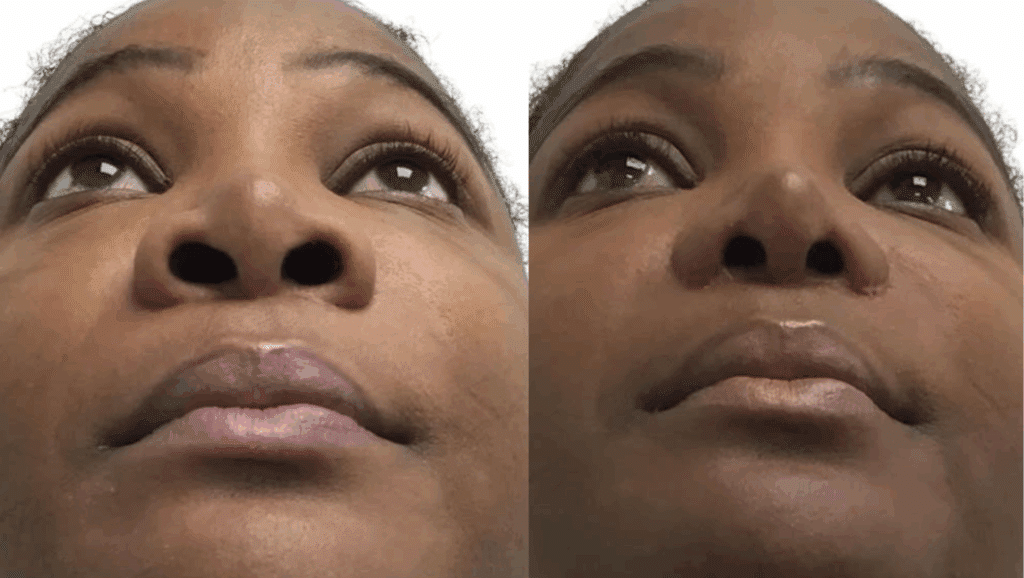
Nasal reduction involves removing excess bone or cartilage to reshape the nose. In African rhinoplasty, the surgeon may reduce the width of the nostrils, refine the nasal tip, or lower the nasal bridge to achieve a more proportional and balanced appearance.
RELATED: Alar Base Reduction (Nostril Reduction)
Refinement
Nasal refinement involves shaping and sculpting the existing nasal structures to create a more defined and aesthetically pleasing nose. This may include narrowing the nasal tip or defining the nostril contours.
RELATED: What is alarplasty?
Reconstruction
In cases where the patient has sustained nasal injury or trauma, reconstructive techniques may be used to restore nasal structure and function. This may involve repairing the nasal septum, restoring airflow, or improving the nose’s overall appearance.
Recovery from African rhinoplasty typically involves swelling and bruising that can last several days to a few weeks. The surgeon will provide post-operative instructions, including recommendations for pain management, activity restrictions, and follow-up appointments to monitor the healing process.
RELATED: Everything you need to know about ethnic rhinoplasty
What are the features of an African nose?

The African nose is a term for the nasal characteristics found in people of African descent. It is essential to understand that there is significant variation in nasal features within the African population, and the following features may not be present in every individual of African descent. However, some general features are more commonly found in the African nose than in other racial groups.
Wide Base and Nostrils
The African nose typically has a broad base, with wide, flared nostrils. This feature is thought to be an adaptation to the hot, humid climate found in many regions of Africa, allowing for increased airflow and improved breathing in such environments.
Low Nasal Bridge
The nasal bridge is the bony ridge that forms the upper part of the nose. In many individuals of African descent, the nasal bridge is low or even flat, resulting in a less prominent nose profile. This feature is genetic and a common trait among many African ethnic groups.
Thick Skin
African noses tend to have thicker skin than other racial groups. This feature can make surgical procedures more challenging, as the skin’s thickness can obscure underlying nasal structures and make it harder to achieve the desired results. Additionally, the thicker skin can make the nasal tip appear more rounded, a feature some individuals may find desirable.
RELATED: Can I Get Rhinoplasty if I Have Thick Skin?
Less Defined Tip
The nasal tip is the lowermost part of the nose that protrudes outward from the face. In many African noses, the tip may be less defined or even bulbous. This feature is often related to the thickness of the skin and the underlying cartilage structures.
Wide Nostril Sill
The nostril sill is the area where the nostril meets the upper lip. In many African noses, the nostril sill is wide and can extend further down the face than in other racial groups. This feature can affect the overall shape and appearance of the nose, and may also impact breathing and nasal function.
How does an African nose job differ from a Caucasian nose job?
The primary distinction between an African nose job and a Caucasian nose job lies in the unique structural characteristics and the patient’s personal aesthetic aspirations. Let’s delve into these differences:
Firstly, the structure of the nose varies notably between individuals of African and Caucasian descent. African noses are generally characterised by broader nostrils, thicker skin, and a more pronounced lower nasal bridge compared to their Caucasian counterparts. As a result, rhinoplasty for African patients might focus on narrowing the nostrils and enhancing the nasal tip through techniques such as alar base reduction and tip refinement. On the other hand, Caucasian rhinoplasty often concentrates on increasing the height of the nasal bridge and refining its shape.
Cultural influences play a crucial role in shaping the desired outcomes of rhinoplasty. While some Africans may prefer preserving certain ethnic features of their nose, others may seek a more Westernised look. This diversity in preferences necessitates a surgical approach that is sensitive to the patient’s cultural and aesthetic goals.
The expertise of the surgeon is paramount, especially when it comes to performing rhinoplasty on African noses, which may require different techniques compared to those used for Caucasian patients. Selecting a surgeon from Centre for Surgery who is experienced in navigating the intricacies of diverse nasal structures ensures a bespoke surgical plan that aligns with the patient’s unique features and expectations.
Recovery after African rhinoplasty
The journey to recovery following an African rhinoplasty is unique to each individual and hinges on several factors, including the surgery’s complexity, the patient’s health, and adherence to post-operative care instructions. Here’s an insightful guide to the healing process:
Immediately After Surgery, patients will remain under observation for a few hours to ensure stability and absence of immediate complications. It’s normal to experience discomfort and pain, which can be alleviated with prescribed medications. To manage bleeding and reduce swelling, the nose might be packed with gauze.
The First Week: This period is crucial for recovery, requiring patients to take a break from work or school to focus on rest. It’s important to avoid actions that could strain the nose, such as blowing it or wearing spectacles, as these can affect the surgical outcome. Elevating the head during sleep is advised to minimise swelling.
Two to Three Weeks Post-Surgery: By now, noticeable reductions in swelling and bruising around the nose area should occur, marking the beginning stages of visible recovery. Any surgical packing or splints are likely to be removed by the surgeon. Although light activities can be resumed, it’s vital to steer clear of any rigorous exercises or actions that could lead to heavy lifting.
One to Two Months Onward: Most patients are able to resume their regular routines, including physical exercise. Nonetheless, high-impact activities or sports that pose a risk of nasal injury should be avoided. While significant healing is typically observed during this phase, some mild swelling or sensitivity may persist.
Long-Term Healing: The final results of an African rhinoplasty can take up to a year to fully materialise. Patients need to maintain follow-up appointments with their surgeon to monitor the healing progress and address any concerns. Patience and adherence to the surgeon’s advice are key during this period to achieve the best possible outcome.
What factors determine the cost of an African rhinoplasty in London?
Determining the cost of an African rhinoplasty in London involves several critical factors. This procedure, tailored specifically to address the unique characteristics of African nasal anatomy, requires a nuanced approach. Here’s what influences the price:
Surgeon’s Expertise: The skill and renown of the plastic surgeon are paramount. Surgeons with extensive experience and a high success rate in performing African rhinoplasty often command higher fees due to their expertise and demand.
Location: London, being a major city with a high cost of living and a vibrant demand for cosmetic surgery, has higher prices for rhinoplasty compared to other regions due to the cost of living in the capital.
Complexity of the Surgery: The specifics of the surgery itself significantly affect the cost. Procedures that require intricate work on various parts of the nose, such as the nostrils, tip, and bridge, necessitate more time and expertise, thus increasing the price. Simpler modifications typically cost less.
Anaesthesia Choice: The type of anaesthesia used during surgery – whether general anaesthesia, requiring an anaesthetist and a fully equipped operating theatre, or local anaesthesia with IV sedation – can influence the cost. General anaesthesia tends to be more costly due to the additional personnel and facilities needed.
Facility Fees: The expenses associated with the surgical venue also contribute to the overall cost. High-end facilities equipped with the latest technology and amenities may increase the cost of the procedure.
Pre- and Post-operative Care: Comprehensive care, encompassing pre-surgical consultations, follow-up appointments, and any necessary medications, factors into the total cost. Effective pre- and post-operative care is essential for a successful recovery and outcome.
Geographic Location of the Patient: For patients residing outside London or the UK, additional expenses such as travel and accommodation should be considered. These costs can add a significant amount to the overall expenditure for those seeking top-tier services in London.
Is African rhinoplasty more complex to perform than traditional rhinoplasty?
African rhinoplasty, also called ethnic rhinoplasty or black rhinoplasty, can be more complex to perform than traditional rhinoplasty due to several factors related to African nasal anatomy.
The nasal features of individuals of African descent often include a wider, flatter nasal bridge, wider nostrils, and thicker skin, which can make achieving the desired cosmetic results more challenging. In addition, the nasal bones may be thinner and weaker in individuals of African descent, which can make them more prone to fractures during surgery.
To address these challenges and achieve the best possible outcomes, African rhinoplasty requires a skilled surgeon with a deep understanding of African nasal anatomy and experience in performing rhinoplasty on individuals of African descent. A skilled surgeon at Centre for Surgery will take into account the unique features of the patient’s nose and tailor the surgical approach accordingly. This may involve techniques such as cartilage grafting to add structure and support to the nose, along with careful consideration of the patient’s skin thickness and elasticity.
African Rhinoplasty at Centre for Surgery
Centre for Surgery is a centre of excellence for all types of ethnic rhinoplasty, including African nose jobs, by surgeons with years of experience in both aesthetic and reconstructive nose surgery. Ethnic rhinoplasty is a highly specialised surgery that requires a surgeon with a keen aesthetic eye to respect the patient’s cultural heritage. Call us today to learn more about African rhinoplasty at 020 7993 4849, or you can complete the contact form below. One of our experienced patient coordinators will be in touch to arrange an in-person consultation at our state-of-the-art Baker Street clinic in Marylebone.
[contact-form-7 id=”256″ title=”Treatments form”]