Choosing to have a facelift is a major decision that demands careful thought and consideration. It’s particularly relevant for individuals who have observed noticeable signs of ageing, such as diminished volume in the cheeks and noticeable sagging of the skin in the lower part of the face, which includes a less defined jawline. These physical signs often prompt the consideration of a facelift.
On an emotional level, there’s a profound impact when your appearance doesn’t reflect the youthful vigour you feel internally. A facelift can bridge this gap, aligning your external appearance more closely with how you feel inside, enhancing your comfort with your looks.
RELATED: 6 Questions To Ask Before Getting A Facelift
The allure of regaining a more youthful appearance is strong, but it’s imperative to approach this option with diligence and thorough understanding. Embarking on a journey towards a facelift involves more than just a desire for change; it requires a deep dive into all facets of the procedure to make an informed and confident decision. To aid in this process, you must arm yourself with knowledge by asking pertinent questions. We will delve into 13 essential questions that are fundamental to ask before committing to a facelift. These inquiries are designed to provide a comprehensive understanding of the procedure, ensuring that your decision is grounded in thoroughly evaluating all relevant factors.
RELATED: Common Facelift Myths
The Top 13 Questions to Ask Before Getting a Facelift
Should I Consider Undergoing a Facelift Procedure?
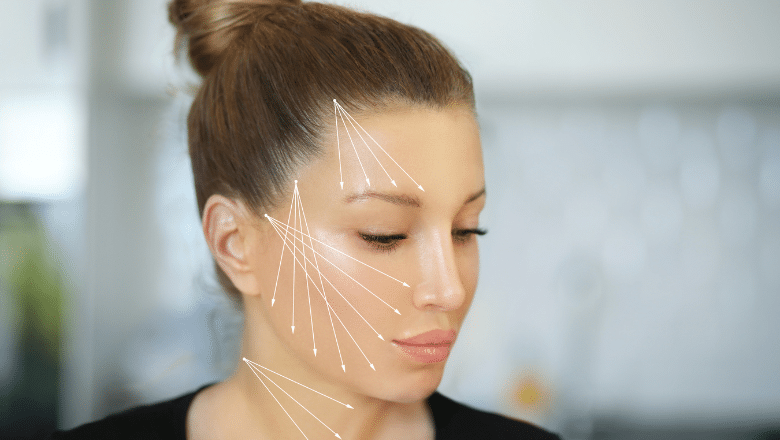
Deciding whether a facelift is the right choice for you involves a number of considerations and a detailed consultation with a qualified plastic surgeon. The Centre for Surgery in London, known for its expertise in facelift procedures, emphasises the importance of a thorough evaluation. This includes assessing your overall health, medical history, and the condition of your skin to establish if you’re an ideal candidate for the surgery. Factors such as age, skin elasticity, and what you hope to achieve with the surgery are all critical in this assessment.
RELATED: Is a Facelift Worth It?
Before proceeding with a facelift, it’s also recommended to consider non-surgical options. Treatments like wrinkle-smoothing injections, dermal fillers, and laser skin rejuvenation offer less invasive alternatives that can mitigate signs of ageing with minimal downtime. While effective temporarily, these treatments might not provide the long-lasting or dramatic results some patients are seeking.
However, find that these non-surgical interventions are no longer producing the results you desire. This might indicate that a facelift could be a more suitable solution. A facelift can offer more significant and enduring improvements by addressing deeper structural issues of ageing, such as sagging skin and loss of facial volume. Thus, it more closely aligns your appearance with the youthful vitality you feel internally. While more invasive, this procedure often results in a rejuvenated appearance that non-surgical treatments cannot match.
RELATED: Facelift Surgery FAQs – Q&A about Rhytidectomy
Is There an Ideal Age Range for Undergoing a Facelift?

The simple answer is no; there is no universally ideal age for a facelift. The decision is highly individual and depends on a variety of factors, including the specific signs of ageing you’re experiencing, the quality of your skin, and your overall health and lifestyle.
Under 30s
It’s typically recommended that men and women in their 30s or younger explore non-surgical treatments first. At this stage, signs of ageing can often be effectively addressed with less invasive options like injectables, laser treatments, and skincare regimens. These approaches can delay the need for surgical intervention and are usually sufficient for managing early signs of ageing.
40s and Above
Individuals in their 40s and older may start to see more pronounced ageing signs well-suited to a facelift’s benefits. This age group often experiences noticeable changes that non-surgical treatments cannot fully correct, such as significant skin laxity, deep wrinkles, and sagging facial structures. Patients in this age range typically achieve more transformative and long-lasting results from a facelift, as they have the right combination of noticeable ageing concerns and still possess a degree of skin elasticity conducive to effective healing and natural-looking outcomes.
Skin Quality and Elasticity
Beyond age, the quality of your skin and its elasticity are crucial factors in determining your suitability for a facelift and the potential success of the procedure. Elastic skin tends to recover better and adapt more smoothly to the changes made during surgery, leading to more satisfying results. Your surgeon will assess your skin’s condition during your consultation to advise you on whether a facelift is the best option for addressing your concerns.
RELATED: What is the Ideal Age for a Facelift?
What Different Types of Facelift Procedures Are Available?
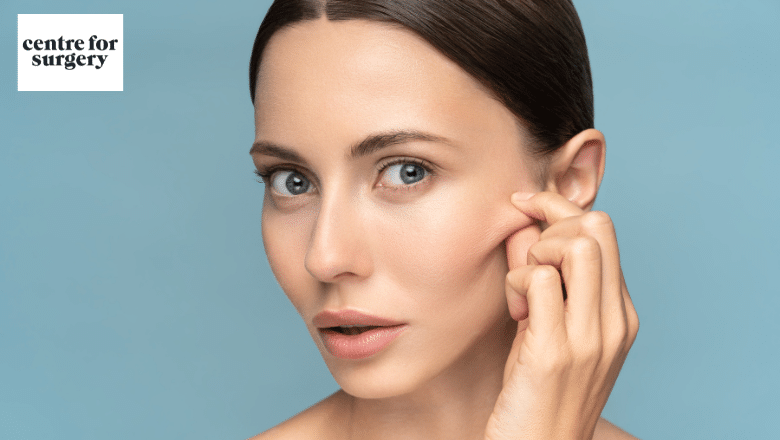
The journey towards rejuvenation through facelift surgery is highly personalised, with various techniques tailored to meet individual needs and desired outcomes. At the Centre for Surgery in London, our surgeons are adept in a range of facelift approaches, carefully selecting the most suitable method based on your unique facial characteristics and the specific areas you wish to enhance.
Facelift procedures can broadly be categorised based on the facial regions they target:
- Lower Facelift or Face-Neck Lift: Often referred to as the ‘classic’ facelift, this procedure focuses on rejuvenating the lower third of the face. It addresses sagging in the jawline and neck, and the appearance of jowls, restoring a more defined and youthful contour.
- Mid-Facelift: Targeting the midsection of the face, this approach is used to lift and enhance the cheek area. It’s beneficial for individuals experiencing sagging or flattening of the cheeks but is less commonly performed as a standalone procedure. Often, signs of ageing appear in both the mid and lower face, necessitating a more comprehensive approach.
- Brow or Forehead Lift: This technique is aimed at elevating the upper face, particularly if there are concerns with drooping brows or deep forehead wrinkles. It can refresh the appearance by lifting the tissue and skin of the forehead, creating a smoother, more alert look.
For those requiring a more extensive rejuvenation, a full facelift encompasses the entire face, offering a complete lifting effect. In contrast, a partial facelift may focus on specific areas, such as the neck, depending on the patient’s needs and the degree of ageing.
You might encounter terms like the SMAS facelift or deep plane facelift when discussing techniques. These procedures go beyond merely tightening the skin. They reposition the underlying facial structures, especially the superficial musculoaponeurotic system (SMAS), which is a layer of tissue connecting facial and neck muscles to the skin. Over time, the SMAS loses elasticity, leading to sagging. By lifting these tissues to their original, youthful position, the SMAS facelift achieves a more profound, lasting, and natural-looking rejuvenation compared to skin-only lifts.
RELATED: Different Types of Facelift And Neck Lift
What Factors Determine Whether Someone Is a Suitable Candidate for a Facelift?
Determining suitability for a facelift is a comprehensive process that involves evaluating various health and physical criteria to ensure that you are a good candidate for this transformative procedure. At the Centre for Surgery in London, the initial step in this journey is a detailed consultation focusing on your general medical history and overall health.
Several key factors are considered to assess whether a facelift is appropriate for you:
General Health
A fundamental requirement is good health with no major medical conditions that could complicate surgery or recovery. Conditions such as uncontrolled high blood pressure, significant blood clotting disorders, or a history of adverse reactions to anaesthesia may pose risks that need to be carefully evaluated.
Skin Elasticity
Ideal facelift candidates have skin that retains some degree of elasticity. Elasticity is crucial because the procedure involves tightening the skin to smooth out wrinkles and eliminate sagging. Skin that still can bounce back after being stretched typically yields the most aesthetically pleasing and lasting results.
Physical Condition and Weight Stability
Being at or near your ideal weight is important when considering a facelift. Significant weight fluctuations after the procedure can impact the longevity and appearance of the facelift results. Stable weight contributes to more predictable and enduring outcomes.
History of Scarring
A history of keloid scarring, where scars grow excessively and beyond the boundaries of the original wound, can also influence your suitability for a facelift. Keloid-prone individuals may experience more pronounced scarring post-surgery, which could affect the aesthetic results.
Facial Ageing Signs
Candidates often seek a facelift upon noticing visible signs of ageing on their face that cannot be adequately addressed with non-surgical treatments. These signs may include deep wrinkles, sagging facial skin, jowls, or a loss of facial contours. However, it’s not just about the presence of ageing signs; the best candidates still possess good skin elasticity, which is essential for successful surgical outcomes.
How Much Time Will I Need to Take Off From Work and Social Engagements Afterwards?
The recovery period following a facelift is an essential aspect of the procedure, requiring careful planning and consideration to ensure the best possible healing and aesthetic outcomes. The duration of time needed away from work and social engagements can vary significantly from person to person, depending on several factors including the extent of the surgery, individual healing processes, and the type of work or social activities you plan to return to.
Initially, expect to be able to get up and move around within a day or two following the procedure. However, allowing your body to rest and recover during the first week is crucial. During this early phase of recovery, it’s common to experience swelling, bruising, and a feeling of stiffness, particularly around the areas that were addressed during the facelift.
For most patients, the noticeable signs of surgery, such as swelling and bruising, begin to subside significantly after the first couple of weeks. This is also when you may start to feel more comfortable and less self-conscious about your appearance. Accordingly, many find that they are ready to resume their usual work and social activities around two to three weeks after the surgery.
It’s important to note, though, that while you may feel physically able to return to your normal routine, your face will still be healing. As such, it might be advisable to schedule any major social events or engagements later, giving your face ample time to heal and the results of the facelift to emerge fully.
What Can I Expect During the Recovery Period After a Facelift Surgery?

The recovery experience varies from one individual to another, influenced by factors such as the extent of the surgery, individual healing rates, and the body’s response to the procedure. However, there are general guidelines and stages of recovery that most patients can anticipate:
Immediate Postoperative Period
In the first few days after surgery, rest is paramount. You may experience swelling, bruising, and discomfort around the treated areas. Your surgeon will provide detailed instructions on how to care for your surgical sites, medications to take to aid healing and reduce the risk of infection, and when to return for a follow-up appointment. Using cold compresses and keeping your head elevated can help reduce swelling.
First Two to Three Weeks
This period is critical for your recovery. While you’ll likely be up and moving a day or two after the surgery, it’s essential to take it easy and avoid any strenuous activities that could strain your incisions or affect your healing. Swelling and bruising are normal and expected during this time, and you may also experience sensations of stiffness or numbness. It’s essential to follow all post-operative care instructions provided by your surgeon, including attending follow-up visits to monitor your healing progress.
Returning to Normal Activities
Generally, patients feel ready to return to work and resume social engagements two to three weeks after surgery, as the most noticeable signs of surgery begin to subside. However, it’s important to listen to your body and not rush this process. Your surgeon will advise you on when it’s safe to resume various activity levels.
Long-Term Healing
The refinement of your facelift results will continue to develop over the following six to nine months as swelling further decreases and the tissues settle into their new contours. During this time, it’s crucial to protect your skin from the sun and follow any skincare recommendations from your surgeon to support optimal healing.
Scar Maturation
Scars from the facelift incisions will take 12 to 18 months to mature fully, gradually fading and flattening out. While they never disappear entirely, they are typically placed in inconspicuous locations and can be well-concealed by your hairline or natural facial contours.
RELATED: Facelift Recovery – top tips
Will There Be Noticeable Scarring Following a Facelift Procedure?
Our surgeons at Centre for Surgery are highly skilled in advanced suturing techniques that aim to make post-operative scarring as inconspicuous as possible. Recognising the importance of discreet scarring, they meticulously plan incision sites to follow the natural contours and hidden areas of your face and hairline. This careful placement, combined with our ‘invisible’ stitching techniques, significantly reduces the visibility of scars, allowing them to blend more seamlessly with your skin.
RELATED: Facelift Scars: What to Expect after Surgery
Scarring is a particular area of expertise for our surgeons, who understand that the quality of scarring can significantly impact a patient’s satisfaction with their facelift results. They are committed to achieving what is often referred to as ‘invisible’ scarring, where the marks are so well concealed and finely healed that they are hardly noticeable.
During your consultation, your surgeon will discuss the specific locations where incisions will be made and explain the measures taken to minimise scarring. This includes not only the surgical techniques but also advice on post-operative care that supports optimal healing of the incisions. Proper care can significantly influence the appearance of scars, making them less noticeable over time.
It’s also worth noting that while our surgeons strive to minimise scarring, each individual’s healing process is unique. Factors such as genetics, skin type, and adherence to post-operative care instructions play a role in how scars mature and fade. Our team will provide you with detailed guidance on how to care for your incisions and support the healing process to achieve the best possible outcome in terms of scarring.
How Long Do the Results Achieved from a Facelift Last?
The longevity of facelift results is a topic of great interest to those considering the procedure, yet it’s important to acknowledge that the answer varies significantly among individuals. Factors such as the initial condition of your skin, your age at the time of the surgery, and how your body ages naturally all play pivotal roles in determining the duration of your facelift results.
RELATED: Are Facelift Results Permanent?
Patients who begin with good skin elasticity tend to see their facelift results last longer. This is because elastic skin responds better to the repositioning and tightening performed during a facelift, and it maintains its shape and firmness for a longer period post-surgery. In contrast, those whose skin has lost a significant amount of elasticity may notice the signs of ageing reappear more quickly.
It’s crucial to understand that while a facelift can significantly reduce the signs of ageing, it doesn’t halt the ageing process. The improvements made during a facelift are essentially permanent; you will always look younger than if you hadn’t had the procedure. However, as the years pass, your face will continue to age.
To maximise the duration of your facelift results, there are several proactive measures you can take:
Quit Smoking
Smoking has numerous detrimental effects on your skin, leading to premature ageing and affecting the skin’s healing ability. Ceasing all nicotine products is strongly advised to preserve your facelift results.
Sun Protection
UV exposure is a major contributor to extrinsic ageing, causing damage that can accelerate the appearance of wrinkles and sagging skin. Daily application of a high-factor, broad-spectrum SPF can protect your skin from sun damage, significantly extending the life of your facelift results.
Skin Care
Maintaining a diligent skincare routine is essential for keeping your skin healthy and vibrant. The Centre for Surgery offers a range of non-surgical treatments designed to complement your facelift by enhancing and prolonging its results. These treatments can address various skin concerns, from fine lines to texture issues, ensuring your skin remains in its best possible condition.
RELATED: How to Maintain Your Facelift Results
What Is Your Level of Experience in Performing Facelift Procedures?
Our surgeons’ extensive experience is a testament to their deep understanding of facial anatomy, aesthetics, and the nuanced techniques required to achieve optimal facelift outcomes. This wealth of experience ensures that every procedure is tailored to the individual’s unique facial structure, skin quality, and desired results, following a meticulous assessment and planning phase.
RELATED: The Secret To Getting A Natural-Looking Facelift Result
Our commitment to natural-looking results is a key philosophy that sets Centre for Surgery apart. Our surgeons are experts in avoiding the overcorrected or ‘designer’ look that can often be a telltale sign of cosmetic surgery. Instead, they focus on achieving outcomes that enhance each patient’s natural beauty, aiming for a rejuvenated, refreshed appearance that does not appear contrived or artificial.
This emphasis on natural, well-balanced results is fundamental to our approach. It involves sophisticated techniques that address not only the superficial layers of the skin but also the underlying structures of the face to ensure visible and lasting improvements, without compromising the patient’s inherent facial characteristics.
Can I Review Before and After Photographs of Previous Facelift Patients You Have Treated?
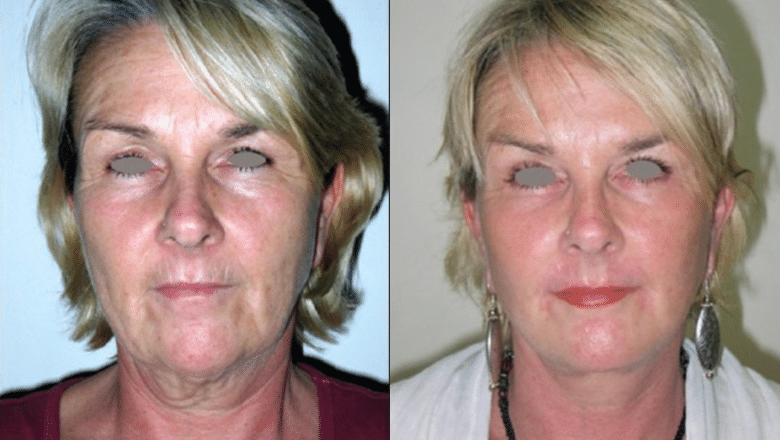
Yes, you certainly can. Our website features a dedicated facelift gallery that showcases before-and-after photographs from patients who have entrusted us with their facelift procedures. These images testify to our surgeons’ skill, precision, and ability to achieve natural, balanced results that align with our patients’ aesthetic goals.
RELATED: Mini Facelift Before & After Photos
Moreover, during your personalised consultation at the Centre for Surgery, you can view an even more extensive collection of before-and-after photos. This portfolio includes a diverse array of patient cases, providing a comprehensive overview of the transformations achieved through our facelift procedures. Reviewing these images allows you to gauge the quality of our work, understand the potential outcomes, and visualize the improvements that can be made to your own facial features.
These before-and-after galleries showcase our surgeons’ expertise and are a tool to help you communicate your desires and expectations more effectively. By discussing specific cases and outcomes that align with your vision, you and your surgeon can develop a mutual understanding of the goals for your facelift, ensuring that the final results meet or exceed your expectations.
What Are the Potential Risks Associated with a Facelift Procedure?
While facelift surgery is generally safe, especially when performed by experienced and qualified plastic surgeons, patients need to be aware of the potential risks and complications:
Infection
As with any surgery, there is a risk of infection at the incision sites. However, this risk is minimised through sterile surgical techniques and post-operative care instructions aimed at keeping the area clean and monitored for any signs of infection.
Scarring
Scarring is an inevitable outcome of any surgical procedure that involves incisions. The skill of your surgeon plays a significant role in minimizing and concealing scars, typically placing them in less visible areas and following natural skin folds. Despite this, individual healing variability means scar appearance can differ among patients.
Haematoma
A haematoma is a collection of blood underneath the skin that can occur after surgery. It may require additional procedures to drain and resolve, although steps are taken during surgery to minimise the risk of hematoma formation.
Nerve Damage
There is a risk of nerve damage during facelift surgery, which can result in temporary or, in rare cases, permanent changes in sensation or muscle movement. Surgeons take great care to avoid nerves during the procedure, but the complexity of facial anatomy means there is always a slight risk.
Unsatisfactory Results
Some patients may have expectations that are not fully met by the outcome of their facelift. This can include dissatisfaction with the degree of rejuvenation, asymmetry, or other aesthetic concerns. Open communication with your surgeon before surgery to establish realistic expectations can help mitigate this risk.
Anaesthesia Risks
General anaesthesia, used in most facelift surgeries, carries its own set of risks, including reactions to the anaesthesia, breathing difficulties, and changes in blood pressure. Thorough pre-operative health assessments and monitoring during the procedure minimise these risks.
Why Choose Centre for Surgery for Your Facelift Journey
Choosing to undergo a facelift has the potential to enhance your appearance, boost your confidence, and improve your overall quality of life. At Centre for Surgery, we are committed to providing each patient with a tailored and supportive journey and ensuring the highest standards of care, safety, and satisfaction. Our dedication to excellence, combined with a deep understanding of aesthetic medicine, makes us a premier choice for those considering facelift surgery.
Expertise and Experience
Our team comprises some of the most experienced and skilled plastic surgeons in London, specialising in facelift procedures. With a focus on achieving natural, balanced results, our surgeons utilise the latest techniques and a personalised approach to meet your individual needs and expectations.
Patient-Centred Care
At Centre for Surgery, your safety, comfort, and satisfaction are our utmost priorities. We believe in a holistic approach to patient care, ensuring you feel informed, supported, and confident throughout your facelift journey. Our comprehensive pre-operative consultations and attentive aftercare are designed to provide you with a seamless and rewarding experience.
State-of-the-Art Facilities
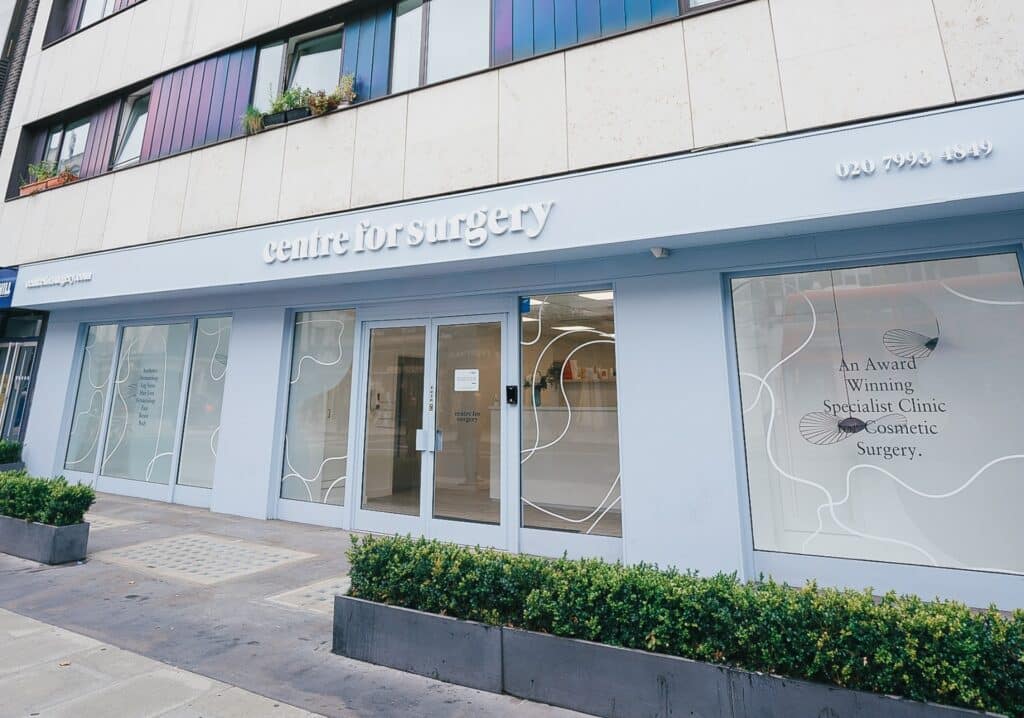
Our Baker Street clinic offers a welcoming and modern environment equipped with the latest in surgical technology. This ensures that your procedure is performed under optimal conditions for safety, comfort, and the best possible outcomes.
Begin Your Transformation Today
We invite you to learn more about us and the transformative procedures we offer by visiting our About Us page. For those considering financing options, we provide 0% APR financing through Chrysalis Finance, making your aesthetic goals more accessible.
For additional insights and updates on the latest in cosmetic surgery, explore our Plastic Surgery Blog. You can also find answers to common questions on our Clinic FAQs page.
To discover more about our Baker Street clinic and to book your consultation, please visit our clinic page.
For personalised advice and to discuss your facelift options, contact us today:
- Phone: 0207 993 4849
- Email: contact@centreforsurgery.com
- Address: 95-97 Baker Street, London W1U 6RN
[contact-form-7 id=”256″ title=”Treatments form”]