How to Get Rid of a Hanging Belly After C-Section
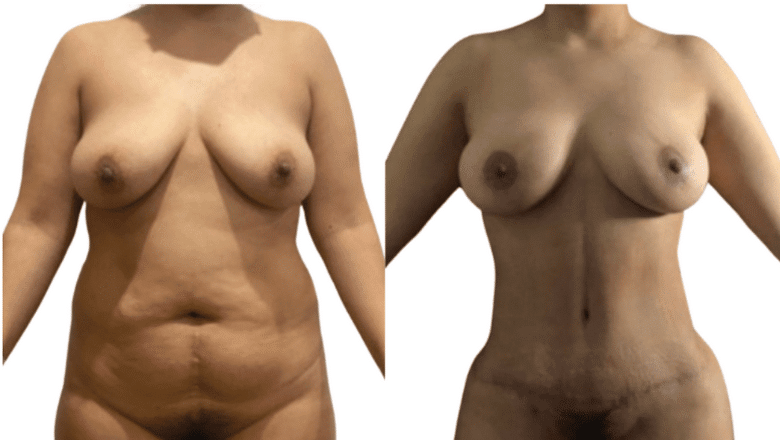
A C-section, also known as a caesarean section, is a surgical procedure in which a baby is delivered through an incision in the mother’s abdomen and uterus. While c-sections can be life-saving in emergencies, they also come with their own set of challenges, one of which is belly overhang.
RELATED: How To Get Rid Of Stomach Overhang & Belly Fat
Belly overhang after a C-section, also known as a hanging belly, can be an embarrassing and distressing experience for many women. It is characterised by sagging skin, abdominal pain, and a general feeling of dissatisfaction with one’s body. In this blog, we will delve into the causes of belly overhang after c-section, its symptoms, and methods for prevention and management.
RELATED: C Section Pouch – Causes, Treatment, and Prevention
Causes of Belly Overhang after C-section
One of the leading causes of belly overhang after a C-section is abdominal muscle separation, also known as diastasis recti. This occurs when the rectus abdominis muscles, which run vertically on either side of the midline, become stretched apart during pregnancy. As a result, the abdominal muscles lose their ability to support the abdominal wall, leading to sagging skin and a protruding belly.
RELATED: Abdominal separation – diastasis recti after pregnancy
Weight gain during pregnancy can also contribute to belly overhang after a C-section. As the uterus expands, it puts extra pressure on the abdominal wall, which can stretch and weaken the skin. This, combined with hormonal changes and abdominal muscle separation, can result in significant belly overhang.
Finally, age and genetics can also play a role in belly overhang after a C-section. As we age, our skin becomes less elastic and less able to bounce back from stretching. Additionally, some women may have a genetic predisposition to belly overhang, meaning that their skin and muscles may not be able to handle the additional stress placed on them during pregnancy.
RELATED: How to Prevent and Minimise C-Section Scars
How Long Does It Take to Lose a Belly Overhang Naturally?
The time it takes to lose a postpartum belly naturally can vary depending on several factors, including a woman’s starting weight, diet, exercise routine, and overall health. However, on average, it can take anywhere from several months to a year or more to entirely lose a postpartum belly.
Here are some key factors that can impact the length of time it takes to lose a postpartum belly naturally:
Starting Weight
Women who were overweight before pregnancy may take longer to lose their postpartum belly than those who were at a healthy weight.
Diet
A healthy diet that is low in processed foods and high in fruits, vegetables, lean proteins, and whole grains can help to support weight loss and improve overall health.
Exercise
Regular exercise can help to boost metabolism and burn fat, which can help to reduce the appearance of a postpartum belly. Women who are new to exercise should start with low-impact activities, such as walking or yoga, and gradually increase their activity level as they become stronger.
Hormonal Changes
Hormonal changes after pregnancy can impact a woman’s ability to lose weight and reduce belly fat. For example, elevated cortisol levels, a stress hormone, can cause the body to store fat, particularly in the abdominal area.
Genetics
Some women may have a genetic predisposition to carrying extra weight in the abdominal area, which can make it more difficult to lose a postpartum belly.
RELATED: Caesarean Section Scar Revision
Symptoms of Hanging Belly after C-section
The most apparent symptom of belly overhang after a C-section is sagging skin on the abdominal area. This skin may appear stretched and lose its elasticity, making it difficult to tone and tighten.
Another common symptom of belly overhang is abdominal pain. This can be caused by weakened abdominal muscles and stretched skin, leading to discomfort and a general feeling of tightness in the abdominal area.
Belly overhang can also hurt a woman’s self-esteem and body confidence. Women who struggle with a hanging belly after a C-section may feel embarrassed or ashamed of their bodies, leading to reduced self-confidence and general dissatisfaction with their appearance.
RELATED: How to Get Rid of Apron Belly
Prevention and Management of Hanging Belly After C-Section
The good news is that there are steps women can take to prevent or manage belly overhang after a C-section.
One of the most important things women can do to prevent belly overhang is to start exercising as soon as possible after giving birth. This can help strengthen the abdominal muscles and avoid sagging skin. Gentle postpartum exercises, such as pelvic tilts, Kegels, and modified planks, can help rebuild abdominal strength and improve posture.
In addition to exercise, diet also plays a crucial role in preventing belly overhang. Eating a healthy, balanced diet rich in protein and fibre can help support abdominal muscles and promote healthy weight loss.
Another way to manage belly overhang is by maintaining proper posture and body mechanics. Poor posture can strain the abdominal muscles, leading to sagging skin and abdominal pain. By paying attention to posture and avoiding activities that put undue strain on the abdominal muscles, women can help to prevent or minimise belly overhang.
For women who are struggling with severe belly overhangs, cosmetic procedures, such as a tummy tuck, may be an option. A tummy tuck, also known as an abdominoplasty, is a surgical procedure in which excess skin and fat are removed from the abdominal area, and the underlying muscles are tightened. This can result in a flatter, more toned appearance and can improve abdominal pain and discomfort.
RELATED: How to Tighten Loose Skin After Pregnancy
How Can You Treat a C-Section Overhang Surgically?
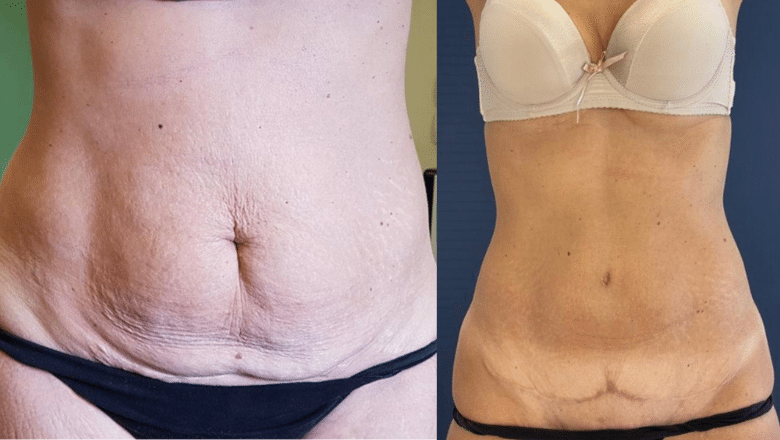
When it comes to addressing the physical aftermath of childbirth, particularly the C Section overhang, surgical interventions offer effective solutions for those looking to restore their pre-pregnancy silhouette. Understanding the various procedures available can help in making an informed decision tailored to individual needs and goals.
One of the most sought-after surgical options for addressing the C-section overhang is the Tummy Tuck, also known as abdominoplasty. This intricate procedure not only removes excess skin and fat from the abdominal region but also tightens the underlying muscles. It’s particularly beneficial for individuals with sagging skin and separated muscles, a common post-pregnancy issue.
RELATED: What is the difference between a tummy tuck and a C-section?
Liposuction is another viable option, specifically targeting stubborn fat deposits around the stomach. While it’s incredibly effective in sculpting and defining the abdominal profile by removing fat, it’s often used in conjunction with a tummy tuck for those also looking to address excess skin or muscle damage. This combination ensures a more comprehensive transformation, enhancing both the contour and overall appearance of the abdomen.
Muscle repair, also known as Diastasis Recti Repair, focuses on correcting the separation of abdominal muscles —a condition called diastasis recti —that is prevalent following pregnancy. By bringing these muscles back together, the procedure not only improves the appearance of the abdomen but also enhances core strength and stability, offering long-term benefits that extend beyond aesthetics.
The term “Mummy Makeover” encompasses a bespoke combination of the procedures above, often including cosmetic enhancements to the breasts and gynaecological rejuvenation. This tailored approach allows for a holistic transformation, addressing multiple areas of concern in a single surgical journey. The makeover is designed to restore not just the physical appearance but also the confidence and well-being of mothers looking to reclaim their bodies after childbirth.
RELATED: Surgical vs Non-Surgical Options For C-Section Scar Removal
Can a tummy tuck help to get rid of belly overhang after a C-section?
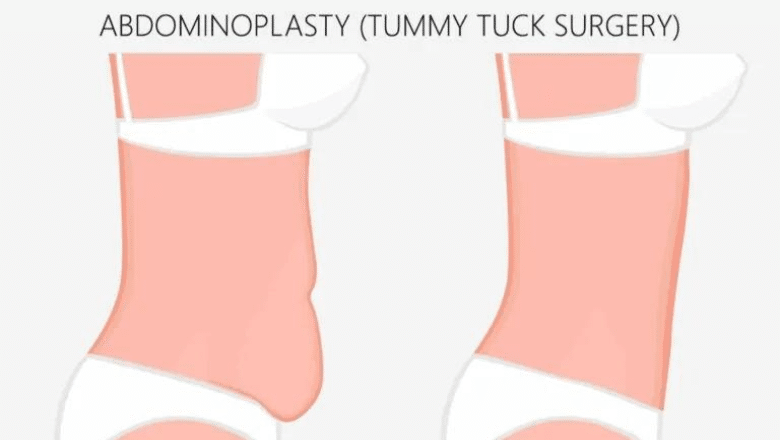
Yes, a tummy tuck, also known as an abdominoplasty, can help eliminate belly overhang after a C-section. A tummy tuck removes excess skin and fat from the abdominal area and tightens the underlying muscles. This can result in a flatter, more toned appearance and can effectively eliminate belly overhang.
RELATED: Tummy Tuck after C-Section for a Flat and Toned Stomach
C-sections can cause abdominal muscle separation, also known as diastasis recti, which can lead to a protruding belly. A tummy tuck addresses this issue by tightening the abdominal muscles, which can help to support the abdominal wall and reduce the appearance of belly overhang.
In addition to tightening the muscles, a tummy tuck also removes excess skin and fat from the abdominal area. This can help further reduce the appearance of belly overhang and result in a more toned, streamlined look.
RELATED: What happens to the belly button in a tummy tuck?
A tummy tuck is a major surgical procedure and should not be taken lightly. Women considering a tummy tuck should consult a qualified plastic surgeon or cosmetic specialist to determine whether it is the right choice for them.
Women should also know that a tummy tuck is not a weight loss solution. While it can help to eliminate belly overhang, it will not address larger weight issues. Women who are significantly overweight should consider losing weight before undergoing a tummy tuck, as this can help improve the overall results of the procedure.
A tummy tuck is not a substitute for a healthy diet and exercise routine. Women who undergo a tummy tuck should still maintain a healthy lifestyle to maintain the procedure’s results and avoid future belly overhangs.
RELATED: Mini tummy tuck in London
Hanging Belly After C-Section – Is a Tummy Tuck the Best Treatment?
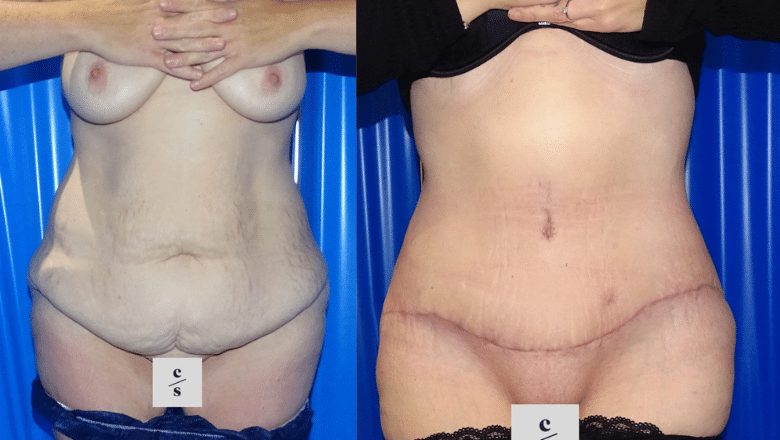
Belly overhang after C-section can be a difficult and embarrassing experience for many women. However, by understanding its causes and taking steps to prevent and manage it, women can regain their body confidence and feel more comfortable and satisfied with their appearance.
RELATED: How To Get Rid of Mummy Tummy Overhang
Exercise, diet, proper posture, and body mechanics effectively prevent and manage belly overhang. Women struggling with severe belly overhang may also consider cosmetic procedures, such as a tummy tuck, to improve their appearance and feel more confident in their bodies.
Frequently Asked Questions on C Section Pouch and Recovery
What is a C Section Pouch?
The C Section Pouch is a natural consequence of pregnancy and childbirth, representing the significant transformations the body undergoes during these life stages. It is a common experience for many individuals postpartum. Addressing concerns about the appearance or feel of the abdominal area is crucial, and a plastic surgeon can offer valuable guidance on lifestyle modifications and surgical options to manage this condition.
Are C Section Pouch, Mummy Tummy Overhang, and C Section Shelf the Same?
Yes, the terms C Section Shelf and Mummy Tummy Overhang are alternative expressions for the C Section Pouch. These terms are more widely used in North America and other parts of the English-speaking world but refer to the same postpartum condition, highlighting the universal nature of the body’s changes after childbirth.
RELATED: How To Get Rid of Mummy Tummy Overhang
How Can I Eliminate a Mummy Tummy Overhang?
The most effective approach to eliminating a Mummy Tummy Overhang involves engaging in cardiovascular and core-strengthening exercises, combined with patience to monitor progress. If these methods do not achieve the desired results, cosmetic surgery may be considered as a permanent solution, emphasising the need for a balanced approach to postpartum recovery.
When is it Safe to Start Exercising After a C Section?
Light exercises, such as walking, can typically be started around 6 to 8 weeks after a C-section, with pelvic floor engagement and core exercises recommended during the same period. More intensive aerobic and strength exercises should be postponed until about 12 weeks post-surgery. It’s essential to follow a plastic surgeon’s guidance, as recovery timelines can vary, and caution is crucial in the early stages, particularly when engaging in high-impact exercises.
How Long Should I Wait After a C Section to Consider a Tummy Tuck?
It is generally advisable to wait at least six months after a C Section before considering a tummy tuck or any other form of cosmetic surgery, with twelve months being the recommended waiting period. This timeframe allows for the healing of the incision site, reduction of swelling, and overall strengthening of the body to tolerate another surgery. Consulting with an expert plastic surgeon is critical to ensure that any cosmetic procedure is conducted safely and successfully, taking into account the individual’s recovery phase and overall health.
Tummy Tuck After C Section: Why Choose Centre for Surgery
Premier Choice for Postpartum Recovery
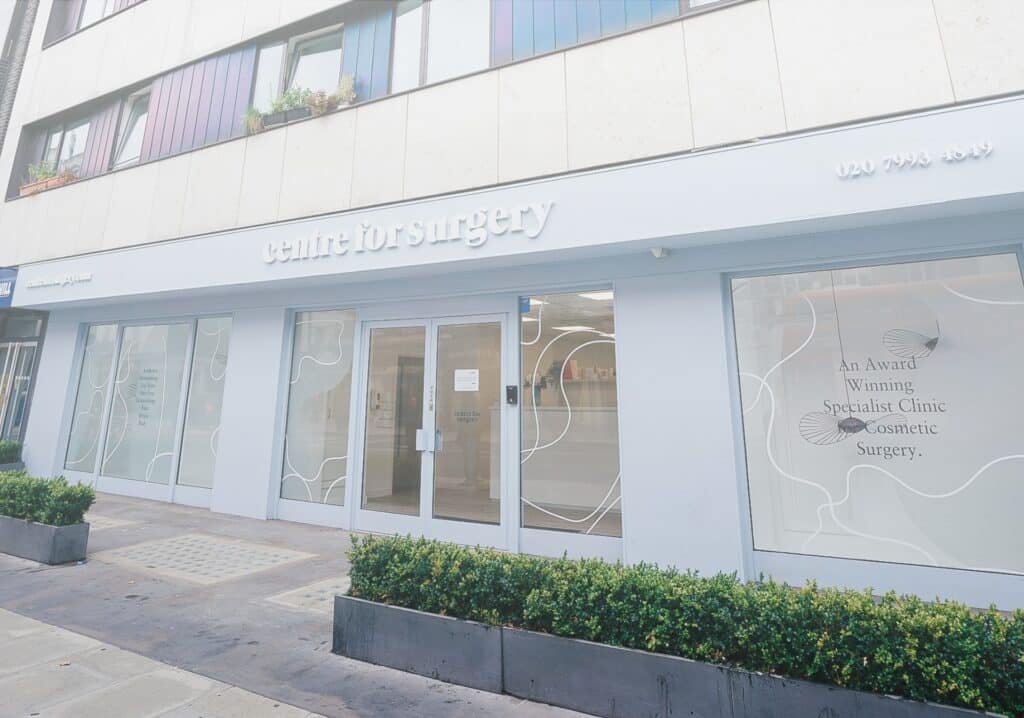
Choosing the Centre for Surgery for a tummy tuck following a C Section encapsulates a decision towards excellence in cosmetic surgery and patient care. Our London-based clinic specialises in providing bespoke surgical solutions tailored to each patient’s unique needs. With a focus on safety, innovation, and achieving natural-looking results, our expert team of plastic surgeons ensures the highest standards of care throughout your journey to regaining your pre-pregnancy body.
Tailored Surgical Solutions
At Centre for Surgery, we recognise the physical changes that occur during pregnancy and childbirth. Our tummy tuck procedures are designed not only to remove excess skin and fat but also to repair and tighten abdominal muscles, offering a comprehensive solution for the C-section pouch. Each procedure is meticulously planned to address individual concerns, ensuring results that are both aesthetically pleasing and functional.
Unparalleled Patient Care
Our commitment to patient care is unmatched, with a supportive environment that guides you from initial consultation through to post-operative recovery. We provide detailed pre-operative and post-operative care instructions and are always available to answer any questions or concerns you may have.
Patient Testimonials
Testimonial 1: “After my second child, I was left with a significant C Section pouch that no amount of exercise could fix. The Centre for Surgery transformed not just my appearance but my confidence. The care I received was exceptional, and the results are beyond what I imagined.”
Testimonial 2: “Choosing Centre for Surgery for my tummy tuck was the best decision I’ve made. The team was supportive, and the surgeon was incredibly skilled. My recovery was smooth, and I couldn’t be happier with the outcome.”
Testimonial 3: “The professionalism and empathy shown by everyone at the Centre for Surgery were outstanding. My tummy tuck has given me back my body confidence. A heartfelt thank you to the entire team.”
Booking Your Consultation
To begin your tummy tuck journey after a C-section, contact us to book your consultation. Our friendly team is here to answer any questions and guide you through the process.
📞 Phone: 0207 993 4849 📧 Email: contact@centreforsurgery.com 📍 Address: 95-97 Baker Street, London W1U 6RN
Additional Resources
For more information about our services and to better understand why Centre for Surgery is the premier choice for your cosmetic surgery needs, please visit our About Us page at Centre for Surgery – About Us.
Discover our finance options, including 0% APR with Chrysalis Finance, which offers flexible payment plans tailored to your budget. For more details, please visit: Finance Options.
For insights, tips, and detailed information on cosmetic surgery procedures, our Plastic Surgery Blog is a valuable resource: Centre for Surgery Blog.
Have questions? Our Clinic FAQs provide answers to common queries: Clinic FAQs.
Discover more about our Baker Street Clinic and why it’s the ideal place for your cosmetic surgery journey: Baker Street Clinic.
Choosing Centre for Surgery for your tummy tuck after a C Section means opting for excellence in cosmetic surgery, where patient satisfaction and safety are at the heart of everything we do.
[contact-form-7 id=”256″ title=”Treatments form”]