The most-performed cosmetic surgery procedures in the UK have shifted noticeably over the past five years, driven by changes in patient demographics, the rise of GLP-1 weight loss medications, social media influence on aesthetic preferences, and ongoing technical refinement of surgical techniques. The BAAPS 2024 audit recorded 27,462 procedures performed by member surgeons across the UK, with breast augmentation, breast reduction, blepharoplasty, abdominoplasty, and rhinoplasty consistently in the top performed procedures. Centre for Surgery’s own procedure mix broadly tracks the national pattern, with some local variation reflecting our Marylebone clinic’s patient base.
This guide covers the procedures most commonly performed at our Baker Street clinic, what each procedure actually involves, and what is driving their popularity.
1. Breast augmentation
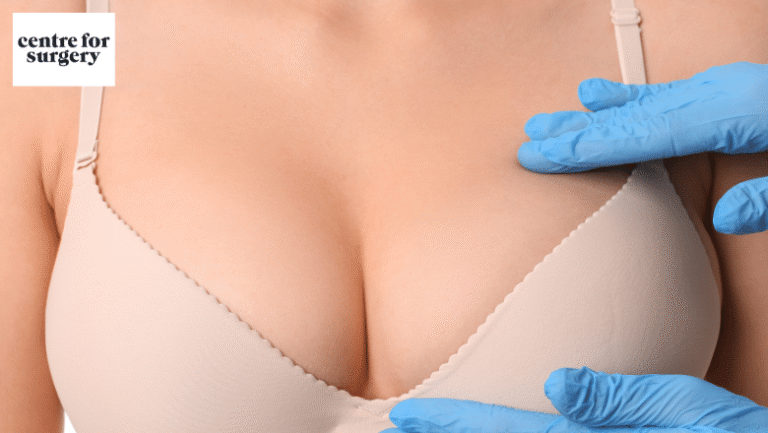
Breast augmentation remains the single highest-volume cosmetic procedure in UK consultant practice. BAAPS 2024 data confirms it as the most commonly performed procedure for women across UK aesthetic plastic surgery.
The technical scope at consultation involves several distinct decisions:
- Implant size — selected based on the patient’s chest wall dimensions, existing breast tissue, lifestyle, and aesthetic preferences. Sizing requires careful assessment rather than choosing a cup-size target.
- Implant shape — round versus anatomical (teardrop). See round vs teardrop implants. Round implants suit most patients; anatomical shapes are useful in specific situations.
- Implant placement — subglandular (above the muscle), subpectoral (under the muscle), or dual-plane. Each has trade-offs in look, feel, and longevity.
- Incision location — four options: inframammary (in the natural crease beneath the breast, our most common choice), periareolar (around the nipple edge), transaxillary (in the armpit), or transumbilical (through the navel). Inframammary is the standard for most patients.
- Implant surface — smooth versus textured. Smooth implants are now the dominant choice following concerns about textured implants and breast implant–associated anaplastic large cell lymphoma (BIA-ALCL).
The procedure is performed under TIVA general anaesthesia as a day case, takes 60-90 minutes, and has a recovery period of 1-2 weeks back to office work with full activity returning by 6-8 weeks.
What drives breast augmentation demand: patients who have always been dissatisfied with breast volume, patients who have lost breast volume after pregnancy or weight loss, and patients seeking symmetry correction for naturally asymmetric breasts.
2. Breast reduction
Breast reduction has grown substantially in UK private practice over the past five years, partly because NHS thresholds for reduction surgery have tightened and partly because awareness of the procedure as a quality-of-life intervention has improved. BAAPS 2024 data shows breast reduction as one of the highest-growth procedures.
Breast reduction is performed for both aesthetic and functional reasons. The functional component is significant — patients with disproportionately large breasts often experience:
- Chronic neck, shoulder, and back pain.
- Shoulder grooving from bra straps.
- Skin irritation, rashes, and infections in the infra-mammary fold.
- Difficulty exercising and participating in sport.
- Postural problems.
- Restricted clothing choices and bra fitting difficulties.
The surgery removes breast tissue, skin, and fat while preserving the nipple-areola complex on a vascular pedicle. Different techniques (superior, inferior, medial, or lateral pedicle approaches) suit different breast shapes. Scar patterns include inverted-T (anchor), vertical-only (lollipop), or in selected cases short-scar approaches.
Recovery is 2-3 weeks back to office work with 6-8 weeks to full activity. Most patients report the discomfort of recovery is substantially less than the chronic symptoms surgery resolved.
3. Blepharoplasty
Blepharoplasty — eyelid surgery — is consistently the most commonly performed facial cosmetic procedure across UK consultant practice. The eye area is central to perceived age and energy level, and the natural progression of upper eyelid skin redundancy and lower lid fat herniation can produce a tired or aged appearance that surgery addresses effectively.
Two main components:
- Upper blepharoplasty — removes excess upper eyelid skin (with or without a small amount of fat) through an incision hidden in the natural lid crease. Day case, 60-90 minutes, recovery 7-14 days.
- Lower blepharoplasty — addresses lower lid fat pockets and skin laxity. Technique varies (transconjunctival, transcutaneous, or combination) depending on the specific issue. Day case, 90-120 minutes, recovery 10-14 days.
Often performed as combined upper and lower blepharoplasty for patients with concerns in both areas. Sometimes combined with brow lift or facelift for comprehensive facial rejuvenation.
Patient demographic spans wide — 30s through 70s — driven by hereditary upper eyelid heaviness in younger patients and age-related changes in older patients. Increasingly common in male patients as awareness of the procedure has grown.
4. Abdominoplasty (tummy tuck)
Abdominoplasty volume has grown substantially in the past 5 years. Two main patient groups drive this:
- Post-pregnancy patients with abdominal skin laxity and diastasis recti (separation of the abdominal muscles). Diet and exercise cannot close diastasis recti or eliminate stretched skin.
- Post-weight-loss patients with significant abdominal skin redundancy. The GLP-1 medication era has substantially increased this patient group.
The procedure typically involves:
- Liposuction of the abdominal region and often the flanks (lipoabdominoplasty).
- An incision low on the abdomen, hidden under most underwear.
- Removal of redundant skin and underlying fat below the navel.
- Plication (suturing together) of the rectus abdominis muscles where diastasis is present.
- Repositioning of the navel.
- Closure of the abdominal skin under appropriate tension.
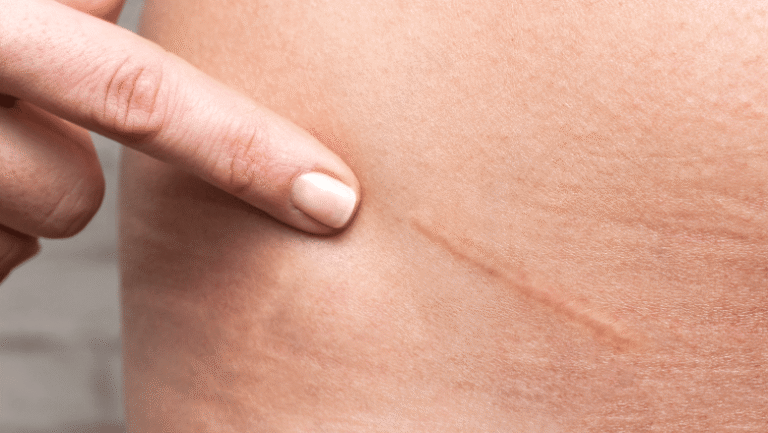
Contemporary technique often uses the no-drain progressive tension technique, which uses barbed sutures to secure the abdominal flap and eliminates the need for the post-operative drains that older techniques required. This substantially improves the recovery experience.
Surgery is performed under TIVA general anaesthesia, takes 3-4 hours, and recovery is 2-3 weeks back to office work, 8-12 weeks to full activity. The result continues to refine across 3-6 months as swelling resolves.
5. Rhinoplasty
Rhinoplasty is consistently in the top procedures across UK consultant practice. The nose is central to facial harmony, and persistent dissatisfaction with nasal shape is one of the longest-standing aesthetic concerns patients bring to consultation.
Technical scope includes:
- Dorsal reduction or augmentation.
- Tip refinement.
- Width reduction.
- Septoplasty for breathing problems.
- Preservation rhinoplasty techniques that maintain natural anatomy where possible.
- Ethnic rhinoplasty respecting the patient’s facial heritage rather than imposing a standardised aesthetic.
- Revision rhinoplasty — among the most technically demanding cosmetic surgery.
The procedure takes 2-3 hours under TIVA general anaesthesia, with a 7-day cast period, 2-week recovery for the visible bruising and swelling, and 12 months before the final refined result emerges.
6. Liposuction
Liposuction remains a high-volume procedure, increasingly used as part of combined procedures (lipoabdominoplasty, mummy makeover, mommy makeover, post-weight-loss body contouring) rather than as a standalone operation. Contemporary techniques include VASER (ultrasound-assisted) liposuction and 360 liposuction for circumferential body contouring.
The right candidate has localised stubborn fat in a normal-weight body with good skin quality — liposuction shapes; it does not address weight or skin laxity.
7. Mummy makeover
Mummy makeover is a combined procedure addressing the typical post-pregnancy changes in one operation: breast surgery (lift, augmentation, or reduction) combined with abdominoplasty and often liposuction. The advantage is a single anaesthetic, a single recovery period, and a coordinated aesthetic result.
Selection depends on overall health, weight stability, and the specific procedures needed. Not all post-pregnancy patients are appropriate candidates for combined surgery — individual smaller procedures are sometimes safer. Auto-augmentation using the patient’s own breast tissue is a useful option for some mummy makeover patients who prefer to avoid implants.
8. Gynaecomastia surgery
Gynaecomastia surgery is consistently the highest-volume male cosmetic procedure in our practice and across the UK. The combination of liposuction and selective glandular excision addresses both the fatty and glandular components of male breast development. Day case under TIVA general anaesthesia, recovery 1-2 weeks.
9. Facelift and neck lift
Facelift volume has grown as deep plane and extended SMAS techniques have produced more durable, natural-looking results. Often combined with neck lift, blepharoplasty, and other facial rejuvenation as part of comprehensive facial work. Patient age range broadens — younger patients (mid 40s) increasingly opting for earlier deep plane work rather than later more extensive surgery.
10. Labiaplasty and intimate procedures
Labiaplasty has grown substantially as awareness of the procedure has increased. Performed for both functional concerns (discomfort with exercise, intimate activity, or clothing) and aesthetic preference. Most procedures are completed in 60-90 minutes under local anaesthesia or TIVA, with 2-3 weeks of recovery.
Procedures growing fastest in recent years
Some procedures are seeing particularly notable growth:
- Body contouring after weight loss — staged surgical work for patients who have lost significant weight through GLP-1 medications, bariatric surgery, or lifestyle change. Includes arm lift, thigh lift, lower body lift, and combination procedures.
- Deep plane facelift — gaining ground over older facelift techniques for its more natural and durable results.
- Male cosmetic surgery generally — gynaecomastia, blepharoplasty, rhinoplasty, and male body contouring all growing.
- FTM top surgery — chest masculinisation as part of gender-affirming surgery has grown as awareness and access have improved.
- Buccal fat removal — facial slimming procedure that has gained social media attention.
- Combined procedures generally — patients increasingly preferring to address multiple concerns in single surgical episodes where safe.
What drives procedure popularity
Several factors influence which cosmetic procedures are commonly performed at any given time:
- Social media influence — Instagram, TikTok, and other platforms expose patients to aesthetic possibilities they were not previously aware of. This drives both legitimate procedures and some over-marketed treatments.
- Celebrity disclosure — public figures speaking openly about their cosmetic surgery reduces stigma and normalises the procedures discussed.
- Technical refinement — procedures that produce more natural, durable, and lower-risk results see growing demand. The deep plane facelift is a clear example.
- Patient demographics shifting — male patients, younger patients seeking preventive intervention, and post-weight-loss patients are all growing groups.
- GLP-1 medication era — the substantial weight loss many patients now achieve creates new body contouring requirements.
- Cost accessibility — financing options including 0% APR through partners like Chrysalis Finance have made surgery accessible to more patients.
- Awareness of cosmetic surgery tourism risks — patients increasingly preferring UK-based consultant care after high-profile complications and deaths from surgery abroad.
What does not drive good outcomes
Important to separate procedure popularity from procedure appropriateness for any individual patient:
- Trending procedures are not necessarily right for any specific patient.
- Celebrity-driven aesthetics rarely translate well to ordinary patients with different facial structures.
- The most-marketed procedure is not always the best fit for what the patient actually needs.
- Combined procedures are not always better than single procedures, despite their convenience.
The right procedure for any patient depends on what they actually want to address, what their tissue allows, what their general health permits, and what they can realistically accommodate in their lives during recovery.
Choosing what is right for you
What an honest consultation should provide:
- Clear assessment of what your specific concerns actually involve.
- Realistic discussion of what each potential procedure can and cannot achieve.
- Honest framing of recovery requirements, risks, and limitations.
- Discussion of alternatives, including doing nothing.
- Specific recommendations tailored to your situation rather than to general trends.
- No pressure to commit on the day.
The patients who do best with cosmetic surgery typically came to the decision over time, addressed long-standing rather than recent concerns, had realistic expectations, and chose procedures that fit their lives rather than chasing trends.
FAQs
What is the most popular cosmetic surgery procedure in the UK? Breast augmentation has been the highest-volume procedure for several years. Breast reduction, blepharoplasty, rhinoplasty, and abdominoplasty are also consistently in the top procedures.
How long do these procedures take to recover from? Highly variable. Blepharoplasty: 1-2 weeks. Breast augmentation: 1-2 weeks back to office work, 6-8 weeks to full activity. Abdominoplasty: 2-3 weeks back to office work, 8-12 weeks to full activity. Rhinoplasty: 2 weeks for the obvious swelling, 12 months for final refinement.
What are the most popular procedures for men? Gynaecomastia surgery, blepharoplasty, rhinoplasty, and male liposuction in that order in our practice. See cosmetic surgery for men.
How much do these procedures cost? Highly variable by procedure. Finance from 0% APR is available through Chrysalis Finance for most procedures.
Are these procedures available on the NHS? Generally not for cosmetic indications. Some procedures (functional rhinoplasty for breathing problems, breast reduction for documented physical symptoms, gynaecomastia for severe cases) may have NHS pathways. Most cosmetic surgery is privately funded.
Booking a consultation
If you are considering cosmetic surgery and want to discuss which procedure (if any) is right for your specific concerns, the consultation is the starting point. Call 0207 993 4849 or use the contact form to arrange a consultation at our Baker Street clinic.
Related reading
- Cosmetic surgery costs and prices
- Choosing your plastic surgeon
- Benefits of cosmetic surgery for men
Centre for Surgery · CQC-regulated · GMC specialist-registered surgeons · 95–97 Baker Street, Marylebone, London W1U 6RN · 0207 993 4849 · Book a consultation · Finance from 0% APR