

Do you recall the days when adverts for all sorts of odd home exercise gadgets to work your abs were everywhere on TV? There was the Ab Lounge, a garden chair designed for sit-ups, and the now-discredited Ab Circle Pro. These adverts promised quick and easy ways to get a flat, toned tummy.
Thankfully, because these gadgets didn’t really work, you don’t see those ads much anymore. But let’s face it, they were popular for a reason: a lot of us worry about our midsection.
Have you noticed that as the years go by, it seems to get tougher to keep your waistline in check? In reality, our waist sizes often expand as we get older. Some people don’t mind these changes and are entirely content and self-assured, which is great. But there are plenty of us who do get bothered, feeling like we’re stuck in a battle to make our bodies look the way we want.
So, why does this happen? Why does it feel like a never-ending struggle to keep our waist size down as we grow older? There are several factors at play here. Read on to learn what you should be aware of, and what steps you can take if you’re aiming to work on this.
RELATED: How to Get a Smaller Waist
Role of Genetics in Body Shape and Fat Distribution
Genetics can often feel like the ‘wild card’ in the deck when it comes to our efforts to manage weight and waist size. That’s because our genetic makeup does have a say in how our bodies store fat, as well as the overall shape of our bodies. For some individuals, there is a genetic predisposition to store fat primarily in the abdominal area. If you’ve ever heard phrases like “apple-shaped” or “pear-shaped” to describe body types, that’s what this is all about.
People with an ‘apple-shaped’ body type are more likely to store fat in their midsection, which obviously makes maintaining or reducing waist size a more significant challenge right from the get-go. On the other hand, ‘pear-shaped’ individuals tend to store fat in the hips, thighs, and lower body, which, while still a concern for overall health, doesn’t directly contribute to an expanding waistline in the same way.
RELATED: How to Get A Toned Tummy
It’s important to note that while genetics can set the stage, they’re not the entire performance. In other words, a genetic predisposition doesn’t mean you’re fated to a certain waist size or body shape; it’s just one factor among many. Lifestyle choices around diet and exercise can still have a considerable impact, even if genetics have dealt you a less favourable hand.
Understanding your genetic predispositions can offer insights into what you’re up against, but it shouldn’t leave you feeling discouraged or defeated. With this knowledge, you can tailor your approach to managing your waistline, taking into account the unique challenges and opportunities your genetic makeup presents. While you may have to work a bit harder than others to achieve your goals, being aware of your genetic factors can help you focus your efforts more effectively.
Gradual Decline of Metabolism and the Impact of Life’s Stresses
One of the key factors that comes into play as we age is the slowing down of our metabolism. Metabolism is the rate at which your body burns calories for energy, and a slower metabolism means that fewer calories are burned throughout the day. This natural decline in metabolic rate makes losing weight and keeping our waist sizes in check increasingly challenging.
But metabolism is just part of the story. Our lifestyles often become more hectic and stress-filled as we get older, and these factors can make things even more complicated. Unhealthy habits start to take a toll, such as poor sleep routines, irregular meal times, and elevated stress levels. Lack of restful sleep can interfere with your body’s hunger hormones, leading to increased appetite and, ultimately, weight gain. Irregular eating habits can further disrupt your metabolism, and stress can lead to emotional eating, often focused on high-calorie, unhealthy foods.
Additionally, as we transition through different stages of adulthood, our responsibilities often change. We might be juggling demanding jobs, raising a family, or perhaps caring for ageing parents. These life changes usually come with a whole host of time pressures and health issues, making it all the more challenging to find time for regular exercise or to prepare nutritious meals.
So what happens when you do manage to carve out some ‘me-time’? After a long, tiring day, the appeal of settling down and unwinding with a good film or TV series on your favourite streaming service is often far greater than summoning the energy for a workout at the gym.
All of these elements combine to form a complicated web of factors that make it harder to focus on weight loss and a healthier lifestyle as we age. While it’s a complex issue, being aware of these aspects can help you make informed choices in your efforts to maintain or reduce your waist size.
Hormonal Changes Over Time
Hormones have a knack for stirring the pot throughout our lives, don’t they? From the tumultuous teenage years of puberty to the monthly ups and downs of menstrual cycles, to the transformative experience of pregnancy and the climactic shift of menopause, hormones have a significant impact on our bodies. And one area they particularly like to mess with is our waistline.
As we age, certain hormonal changes naturally occur, and these can have a profound effect on the way our bodies look and feel. Women, especially those going through menopause, often experience dramatic shifts in their body composition and the way fat is stored. One of the most notable hormonal changes during menopause is a decrease in oestrogen levels. Oestrogen has a role in determining where fat is stored in the body, and a reduction in its levels can result in a redistribution of fat.
Before menopause, many women may find that their body stores fat more commonly in the hips and thighs. However, with the hormonal shifts that come with menopause, fat storage tends to shift towards the abdomen, contributing to an expanding waistline. This phenomenon is sometimes referred to as ‘middle-age spread,’ but it’s often a direct result of hormonal changes in the body.
It’s not just an issue for women, though; men also experience hormonal changes as they age. The gradual decline in male hormone levels can also lead to increased body fat, including around the midsection. The overall effect is that, regardless of gender, hormonal changes can make maintaining or reducing waist size a significant challenge as we get older.
Understanding the role of hormones in body composition and fat distribution can equip you to navigate these challenges more effectively. It’s a complicated issue, but awareness of how hormonal changes impact your body can help you make more informed decisions about your lifestyle, diet, and exercise regimen to manage your waist size better.
Muscle Mass and Collagen Loss
As we grow older, our bodies naturally undergo several changes that make it increasingly challenging to maintain or reduce our waist sizes. One such change is the decline in muscle mass, known scientifically as sarcopenia. Muscle tissue is like a furnace for calories; it burns more of them even when you’re not doing anything, simply because it’s more metabolically active than fat tissue. So, as you lose muscle mass with age, your body becomes less efficient at burning calories, which, in turn, makes it harder to manage your weight and waist size.
But muscle mass isn’t the only thing we lose. Our skin’s elasticity also takes a hit as we age, primarily due to reduced collagen and elastin fibres. These two proteins are the backbone of our skin’s structure, making it appear youthful, taut, and smooth. As we age and these fibres diminish, our skin becomes more prone to the effects of gravity, causing it to sag. While we often focus on how this affects facial appearance, the truth is that skin sagging occurs throughout the body, including the abdomen.
The loss of elasticity in the skin around the abdomen can exacerbate an expanding waistline. When your skin isn’t as firm and resilient as it once was, gravity can make the area appear even more expanded than it would with fat accumulation alone.
These are multiple factors at play, all intertwined and contributing to the natural ageing process. Understanding them can be empowering, as it enables you to take targeted steps in your lifestyle choices. Whether it’s incorporating strength-training exercises to counteract muscle loss or considering skin-firming treatments to address loss of elasticity, being aware of these factors can help you make informed decisions in your quest to manage your waist size as you age.
Strategies to Address the Ageing Effects on Waist Size
Combatting the various changes that contribute to an expanding waistline as we age is a multifaceted challenge. But it’s not impossible. While lifestyle changes are crucial, there might also be surgical or non-surgical treatment options that could help you achieve more effective and lasting results. Here are some practical approaches you can take:
Commit to Lifestyle Changes and Make Them Stick
Changing your daily habits can be a monumental task, especially when you’re already juggling a lot of responsibilities—something we hear often from our female patients who are caring for families, working, and managing households. However, if you’re going to make any changes that last, it’s essential to put yourself first, at least for a little while. You’ve earned it, and you deserve it.
You don’t have to start by overhauling your entire life; even small changes can make a big difference. Exercise is a key component in managing your waist size. Cardiovascular activities like brisk walking, jogging, or cycling can help you burn calories and improve your heart health. On the other hand, strength training exercises like weightlifting or simple bodyweight routines can assist you in maintaining or even rebuilding lost muscle mass, which in turn can speed up your metabolism.
Time can often be an obstacle, but fortunately, there are plenty of resources available that make it easier to fit exercise into your busy schedule. There are various free apps and YouTube channels like MadFit that offer effective, equipment-free workouts you can do right at home.
Opt for a Balanced Diet
Another vital element is your diet. Opt for a balanced meal plan that’s rich in fruits, vegetables, lean proteins, whole grains, and healthy fats like omega-3 fatty acids. Cut down on processed foods, sugary beverages, and high-calorie snacks, as they can quickly contribute to weight gain and an expanding waistline.
Prioritise Wellness
Lastly, don’t overlook the importance of overall wellness. Stay hydrated by drinking enough water throughout the day, aim for a solid 7-9 hours of sleep per night, and manage stress through relaxation techniques such as meditation or engaging in activities that bring you joy.
By taking a holistic approach that combines lifestyle changes with other treatment options, you can better equip yourself to manage the challenges of reducing your waist size as you age. Remember, the journey may be long, but it’s certainly not impossible, and you’re not alone in it.
Options for Non-Surgical Waistline Reduction
If lifestyle changes aren’t yielding the results you’re hoping for, or if you’re dealing with particularly stubborn fat deposits that don’t seem to budge, there are non-surgical methods that can offer a helping hand.
Laser Fat Reduction
One such method is laser fat reduction, which offers a non-invasive way to tackle those resistant pockets of fat. This technique uses controlled thermal energy to target fat cells, effectively melting them away directly. Your body then naturally processes and eliminates these destroyed fat cells over the ensuing weeks and months. Most individuals notice a visible difference after just one session, but optimal results often require a series of treatments. In certain cases, you can reduce fat in the treated areas by up to 20%, making this a potent option for those looking to trim their waistline without going under the knife.
BodyTite for Skin Tightening and Contouring
Another non-surgical option worth considering is BodyTite, which is especially helpful if sagging or loose skin is a major concern for you. BodyTite uses radiofrequency technology to tighten lax skin, remove small areas of stubborn fat, and firm up tissues, resulting in a more contoured appearance. While it’s classified as a non-surgical procedure, it is semi-invasive and may require a bit of downtime for recovery. This treatment can offer a dual approach to waist management by not only reducing fat but also addressing skin laxity issues.
Both of these non-surgical options can be highly effective when combined with a balanced diet and regular exercise. They offer the chance to fine-tune your appearance and help you achieve the results you’re looking for, especially when lifestyle changes alone aren’t enough. If you’re interested in these procedures, it’s important to consult with a specialist practitioner at Cetnre for Surgery for a comprehensive assessment tailored to your specific needs.
Surgical Options for Waistline Reduction
When it comes to significantly reducing waist size, surgical interventions such as body contouring surgery often produce the most dramatic and lasting results. However, the ideal surgical procedure for you will depend on various factors, such as the amount of excess fat, skin elasticity, and your overall health. Below are some of the most effective surgical options for waistline reduction:
Liposuction
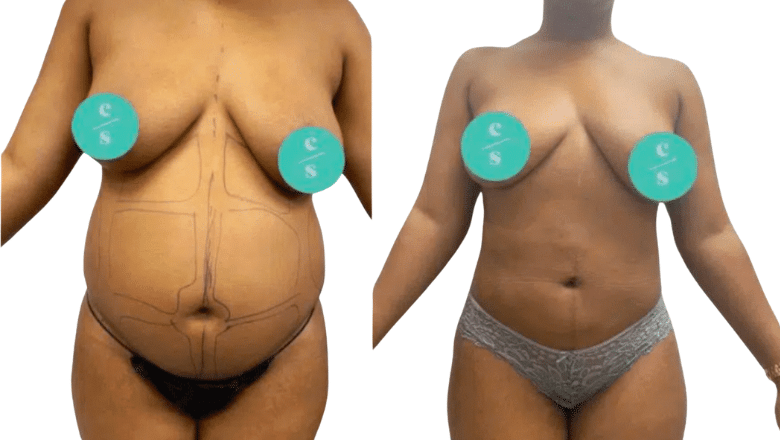
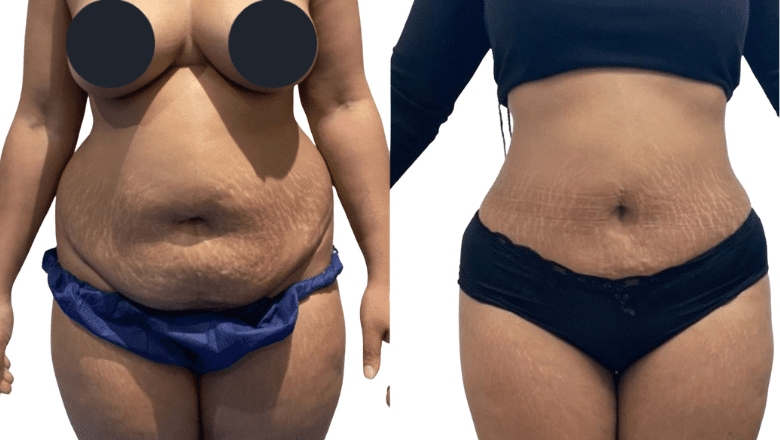
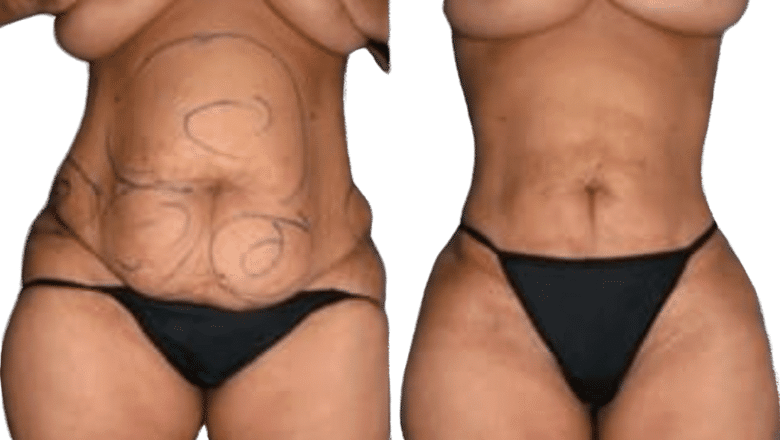

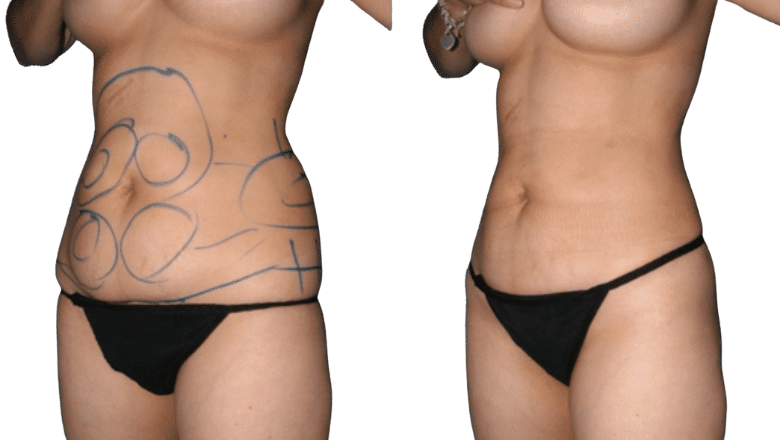
Liposuction remains one of the most popular and time-tested surgical procedures for targeted fat removal. The surgeon makes small incisions in the specified area, usually hidden in natural creases or under clothing lines, to minimise visible scarring. A cannula (a thin, hollow tube) is then inserted through the incisions to break up and suction out fat deposits.
RELATED: Does Liposuction Hurt?
Individuals who have stubborn pockets of fat that are resistant to diet and exercise.
Skin elasticity plays a critical role in the final outcome. Older patients may find that their skin doesn’t tighten as well after surgery, potentially leading to sagging or dimpling. Therefore, it’s essential to have realistic expectations and discuss your specific concerns with your surgeon.
RELATED: Liposuction FAQs – Q&A about Fat Removal Surgery
Tummy Tuck (Abdominoplasty)

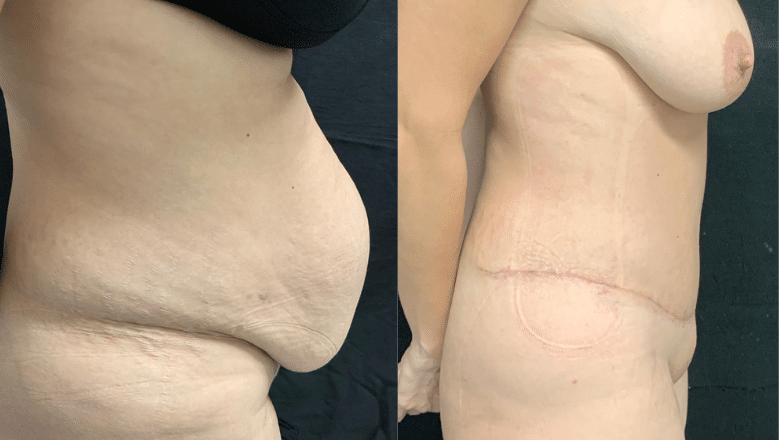
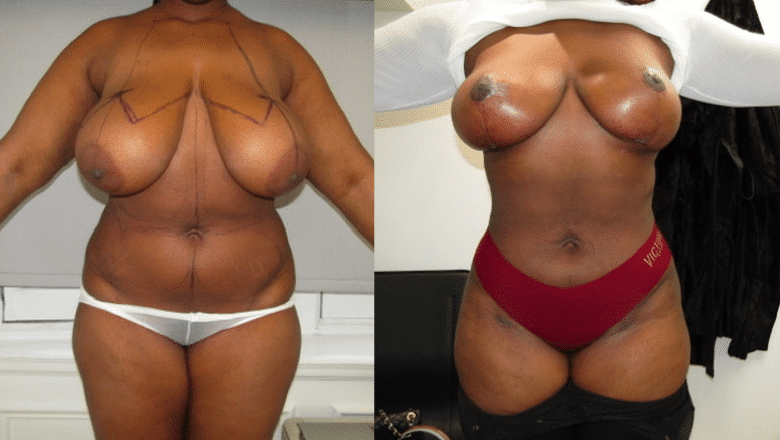


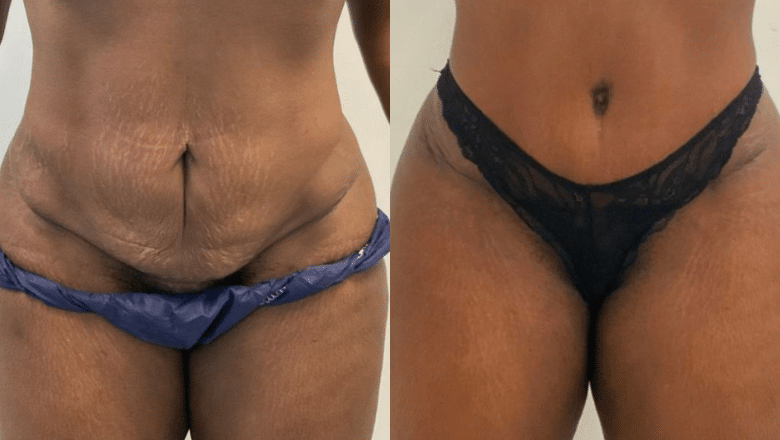
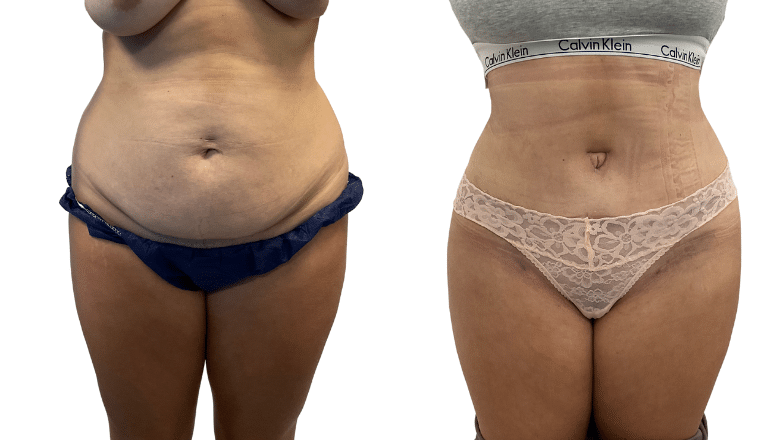
A tummy tuck, or abdominoplasty, is more comprehensive than liposuction and addresses multiple issues: excess fat, loose skin, and even lax abdominal muscles. During this procedure, the surgeon makes an incision across the lower abdomen, usually from hip to hip. Excess skin and fat are removed, and the abdominal muscles are tightened. The remaining skin is then pulled down and stitched in place, resulting in a flatter and more toned abdomen.
Individuals who have excess skin following significant weight loss or pregnancy, or those who have weakened or separated abdominal muscles (often the case after pregnancy).
This is a more invasive procedure than liposuction and will require a longer recovery period. It may also leave a more noticeable scar, although it’s usually positioned to be easily hidden by underwear or a swimsuit.
RELATED: Tummy Tuck FAQs – Q&A about Abdominoplasty Surgery
Abdominoplasty Plus Liposuction
For the most transformative result, some individuals opt for a combination of abdominoplasty and liposuction also known as a Brazilian tummy tuck. This approach allows for maximum fat removal, skin tightening, and muscle reinforcement, offering an overall contoured look.
Those looking for a complete makeover of their abdominal region, who have both excess fat and skin, as well as muscle laxity.
Given the comprehensive nature of this approach, the recovery period can be more extended, and there may be increased risks of complications. Therefore, it’s crucial to have a thorough consultation with your healthcare provider to determine whether you are a suitable candidate for this combined procedure.
RELATED: Liposuction vs Tummy Tuck For a Flatter Stomach
Why Choose Centre for Surgery: Your Destination for Exceptional Cosmetic Care
Unmatched Expertise
At Centre for Surgery, our team of highly qualified and experienced surgeons are leaders in the field of cosmetic and plastic surgery. With decades of combined experience, our experts utilise cutting-edge techniques and technologies to deliver exceptional, natural-looking results tailored to your unique needs.
Comprehensive Consultations
We offer thorough and comprehensive consultations, designed to give you the time and information you need to make the right choice for your body. Our consultations are a no-pressure environment, where you can explore your options, ask questions, and work collaboratively with our specialists to formulate a treatment plan tailored just for you.
Patient-Centric Approach
Your comfort, safety, and well-being are our utmost priorities. Our state-of-the-art facilities are designed to create a welcoming, secure atmosphere. With a focus on providing a personalised experience, our staff are dedicated to ensuring that each aspect of your journey is smooth, informed, and precisely to your requirements.
Testimonials from Our Satisfied Patients
- “I can’t thank the team at Centre for Surgery enough. From my first consultation to post-op care, they’ve been phenomenal.” — Sarah, Tummy Tuck Patient
- “The expertise here is second to none. I felt completely informed and in safe hands at all times.” — David, Liposuction Patient
- “My experience was nothing short of amazing. The staff were welcoming, and the results are more than I could have ever hoped for.” — Emily, Breast Augmentation Patient
Multi-disciplinary Care
Whether you’re looking for surgical intervention, non-surgical treatments, or a combination of both, our multidisciplinary team has the skills to offer a wide range of treatments, all under one roof. Our aim is to offer a one-stop destination for all your cosmetic needs.
Robust Aftercare
Post-procedure care is a critical part of your recovery, and we provide robust aftercare services to ensure your safety and comfort after your treatment. From follow-up appointments to emergency care, we are with you every step of the way.
Transparency in Pricing
We believe in complete transparency when it comes to pricing. You’ll receive a detailed outline of all costs associated with your proposed treatment plan, so you can make an informed decision without any hidden surprises.
Ready to take the first step in your cosmetic journey with Centre for Surgery?
📞 Book a Consultation Now: Contact us at 0207 993 4849
📧 Email for More Information: contact@centreforsurgery.com
📍 Visit Us: 95-97 Baker Street, London W1U 6RN
We look forward to guiding you through your transformative journey to a more confident you.

[contact-form-7 id=”256″ title=”Treatments form”]