An upper facelift is designed to reduce the signs of facial ageing by rejuvenating the upper third of the face. This area extends from the top of the forehead to the lateral aspect of the eyes. A refreshed and youthful-looking face is characterised by a smooth forehead with a lifted brow and eyes that appear more open. Deeper wrinkles and prominent skin folds develop on the forehead as part of the natural ageing process. The eyebrows may begin to droop, partially obscuring the eyes. People may feel they look excessively fatigued even when they feel full of energy, which can lead to a loss of self-confidence.
RELATED: How to Fix Drooping Eyebrow
Forehead lift surgery can effectively address signs of facial ageing in the upper face by lifting the eyebrows, creating smoother forehead skin, and removing frown lines and forehead wrinkles. Centre for Surgery is the leading plastic surgery clinic in London, and our surgeons have performed hundreds of facial rejuvenation procedures, including eyelid surgery (blepharoplasty) and forehead lifts.
RELATED: Eyelid Surgery vs Forehead Lift
What is an upper facelift?
An upper facelift, also known as a brow lift or forehead lift, is designed to target the upper third of the face. This procedure can remove signs of ageing, including forehead lines and wrinkles, a sagging brow, and lateral eyelid wrinkles. It is commonly combined with other facial rejuvenation procedures, such as upper blepharoplasty and facial fat transfer.
RELATED: Face Lift For Men
As we get older, the skin’s elasticity decreases, leading to loose skin. Loose skin is more likely to sag or droop and can lead to signs of facial ageing that make us look much older than we are. Many people may look tired despite feeling happy and energised. The most common features of facial ageing affecting the forehead and brow include:
- Droopy eyebrows
- Frown lines
- Deep forehead lines and wrinkles
- Crow’s feet lines in the outer part of the eye
- A heavy or sagging brow
- Deep frown lines
- Loss of volume in the temples
Benefits of an upper facelift
A forehead lift is effective for removing a sagging brow, deep forehead lines or hollowed temples. This can help people to appear refreshed and youthful with a heightened sense of emotional well-being. An upper facelift is commonly requested due to its ability to achieve the following:
- Get rid of horizontal forehead lines and wrinkles
- Tightening forehead skin
- Lift droopy eyebrows
- Create more open-looking eyes
- Eliminate frown lines
- Improve sunken temples
An upper facelift can be a transformative procedure with powerful anti-ageing effects. People can regain a youthful, vibrant appearance with a quick, straightforward procedure that provides a significant boost to self-confidence and emotional well-being.
Upper Facelift vs Full Facelift
There are several different facelift procedures available to rejuvenate the ageing face. Different types of facelifts target specific areas of the face. A forehead lift specifically addresses signs of ageing that are more visible in the upper part of the face. A traditional full facelift targets the whole face and neck when combined with a neck lift. Compared with an upper facelift, a full facelift targets the areas below:
- Removal of loose skin affecting any area of the face or neck
- Get rid of droopy jowls
- Restore a youthful cheek contour
- A significant reduction in lines and wrinkles can be achieved with a full lift.
An upper facelift can target the following areas:
- Achieve an upper eyebrow lift
- Tighten loose skin on the forehead
- Create a smoother-looking forehead
- Create more open-looking eyes
A traditional facelift may be ideal for people with significant signs of facial ageing affecting several areas of the face, such as the jawline, cheeks, mid-face and neck. An upper facelift is better suited for people who have forehead lines or wrinkles or a sagging brow but otherwise have youthful-looking facial features in the middle and lower part of the face.
Am I a good candidate for an upper facelift?
Upper facelift surgery is the ideal procedure for people concerned about deep forehead lines and wrinkles or a sagging brow.
Brow lift surgery is ideal for the following patient concerns:
- Getting rid of deeper forehead wrinkles and a saggy brow.
- Would like to prove the youthfulness of the upper third of the face, including the brow, forehead and upper eyelids.
- It does not have significant features of ageing in other parts of the face.
A forehead lift is ideal for those who are concerned about the upper face, including loose forehead skin and wrinkles, but are generally pleased with the middle and lower part of the face.
Upper facelift procedure
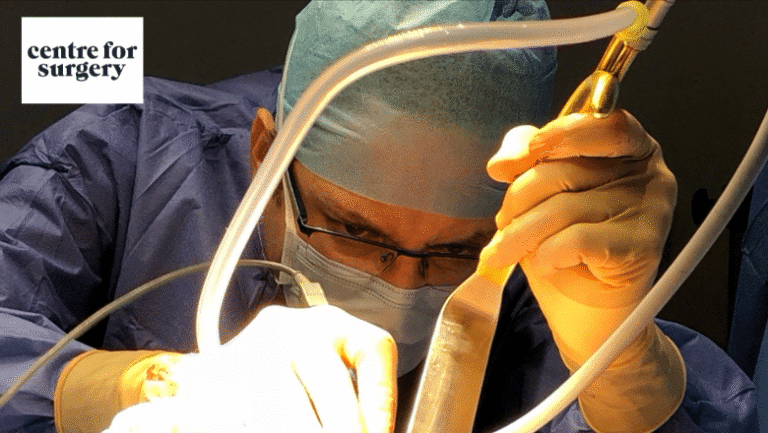
Upper facelift surgery is performed at our Baker Street clinic as a day-case procedure under a general anaesthetic. When you are asleep, the surgeon will first inject a local anaesthetic into the brow and forehead. The surgeon will then begin the procedure by making an incision which extends across the top of the head from ear to ear within the hairline. This ensures the incision is well disguised after surgery. The surgeon will then delicately separate the forehead skin from the underlying soft tissues. The forehead will be gently raised and secured with stitches. Any excess forehead skin is carefully removed before closing the incision with dissolvable stitches. The incision should heal well, as the scalp is well-vascularised. Our surgeons are experienced in performing forehead lift surgery and use delicate techniques in this area of the face, which requires the utmost precision to achieve natural-looking results that can last a long time.
RELATED: Benefits of Brow Lift Surgery
Recovery after upper facelift surgery
The recovery period after surgery is generally smooth and free of complications as long as you follow your surgeon’s postoperative instructions. The time taken for recovery will be determined by a patient’s age and general state of health, and the amount of surgical correction required.
RELATED: Facelift Recovery – top tips
Patients should be familiar with the recovery instructions below:
Your surgeon will apply a compression bandage around your head to minimise swelling and bruising after having a forehead lift. Our nursing team will regularly follow you up, and the head bandage will be removed approximately one week after surgery. Your surgeon may insert drainage tubes during the procedure to remove excess fluids and blood and prevent them from collecting beneath the skin. These wound drains are most commonly removed the next day after surgery. We recommend approximately 1 week off work, as the wounds can take 10-14 days to heal. Non-dissolvable stitches are most commonly removed 1 week after an upper facelift.
It is essential to keep the head elevated when lying down to minimise post-operative swelling. Vigorous physical activity should be avoided during the first four weeks after surgery. Most patients can go out in public approximately 2 weeks after surgery. Concealer makeup can be applied to cover any localised bruising on the forehead. The healing process takes several weeks, and you begin to see the results of browlift surgery once the swelling disappears. Full recovery with final results can take between 3 and 4 months to develop. You will be given detailed post-operative instructions, which include information on how to take your antibiotics and painkillers after an upper facelift. You will be shown how to look after your incision lines. You will also be educated about the red flags to watch for, which may indicate potential complications after surgery.
Risks of upper facelift surgery
- Bruising is typical in the area around the surgery site for the first two weeks after an upper facelift. Bruising will improve significantly after week two and should disappear completely after three weeks.
- Swelling – most patients find post-operative swelling improves after approximately two weeks, although it can take 6 to 8 weeks to subside completely.
- Pain and discomfort – upper facelift surgery is not associated with significant post-operative pain. It is common to experience mild discomfort and tightness in the forehead, which can last 5 to 7 days after surgery. After week one, patients often have no requirement to take painkillers.
Potential complications of upper facelift surgery
As with any surgery, there are potential complications associated with forehead lift surgery, which can be minimised by choosing a highly experienced plastic surgeon who performs all types of facelift surgery.
Complications associated with surgery include:
- Seroma – a localised collection of fluid beneath the skin
- Haematoma – Collection of blood beneath the skin
- Surgical site infection
- Numbness affecting the forehead
- Itchiness around the incisions after week one
How much does an upper facelift cost in London?
Once you have had an in-person consultation with a facelift surgeon in London, you will receive a detailed quotation from your dedicated patient coordinator for the cost of an upper facelift in London. The price of another facelift can be determined by several factors, including the extent of surgical correction required, where the procedure is performed, and whether it is combined with other facial rejuvenation treatments, such as eyelid surgery. An upper facelift costs less than a full facelift because it targets a specific area of the face.
The NHS and private medical insurance do not cover the cost of cosmetic surgery, such as a facelift, and patients must fund the treatment themselves. Centre for Surgery partners with Chrysalis Finance, the leading provider of medical loans in the UK, to offer a wide range of flexible finance options, including 0% finance.
RELATED: Finance Options
Is an upper facelift worth it?
The vast majority of patients who have a forehead lift are glad they had the procedure, given its impressive anti-ageing benefits, with many telling us they look more than 10 years younger. This helps to restore self-confidence as the procedure changes not only how you look but also how you feel. As patients get older, the signs of facial ageing may affect their confidence, leading them to avoid certain social situations. Having an upper facelift can help you feel more confident, which can be transformative in many areas of your life, including your personal relationships and workplace performance.
RELATED: Blepharoplasty vs Brow Lift – Which One Is Right For Me?
Upper facelift surgery FAQs
Which type of facelift is best for me?
There are several types of facelift procedures, and facelift surgery is customised to each patient’s needs. Certain types of facelift procedures target localised areas of the face, including the upper, mid, and lower facelifts. The most appropriate type of facelift surgery will be determined after an in-person consultation with an expert plastic surgeon. Your needs and desires for surgery will be discussed in detail.
What is the best age to have a facelift?
Deciding to get a facelift is often preceded by months or even years of research. Facial ageing varies among people, and the most common features include fine lines, deeper wrinkles, and sagging skin, which may make people feel unhappy with how they look. If you have begun noticing obvious signs of facial ageing, a facelift could be the most appropriate procedure. Better results are achievable when patients have a facelift in their 40s and 50s rather than in their 60s and above.
How long does an upper facelift last?
The results of an upper facelift are generally considered permanent, provided you maintain a healthy lifestyle. This includes using high-quality skincare products daily, avoiding smoking, staying out of the sun, and staying well hydrated by drinking plenty of water. No facelift surgery will stop the ageing process, and some patients may choose to have a further facelift procedure approximately ten years later.
Booking a consultation for an upper facelift couldn’t be easier. Call us at 020 7993 4849 or fill out the contact form below. One of our friendly and knowledgeable patient coordinators will arrange a face-to-face consultation with a specialist facelift surgeon at our Baker Street clinic in Marylebone.

[contact-form-7 id=”256″ title=”Treatments form”]