
Nasolabial folds, commonly called smile lines, are prominent features that manifest on the face, extending from the nose to the mouth. These folds become more noticeable as the fat located in the mid-face or cheek regions begins to diminish. This reduction in fat volume leads to the sagging of the skin, which subsequently folds over itself, creating the characteristic lines known as nasolabial folds.
The primary factors contributing to the loss of facial volume include the natural ageing process and significant weight loss. As we age, our faces lose some of their youthful fullness, which can result in the skin appearing less plump and more prone to folding. Similarly, rapid weight loss can have a comparable effect — when the body loses a considerable amount of weight in a short period, the face often loses fat, leading to sagging skin and the formation of nasolabial folds.
RELATED: Facial Skin Ageing Over Time: What to Expect at 30, 40, 50
RELATED: How to Tighten Sagging Skin on Your Face
What is a nasolabial fold?
Nasolabial folds, also known as smile lines, are distinctive creases that trace a path vertically from the sides of the nose down to the corners of the mouth. These folds are a natural aspect of human anatomy and become more or less pronounced based on a variety of factors, including the unique structure of an individual’s face, their age, and the natural ageing process.
Our skin loses elasticity and volume as we age, particularly in the facial area. This reduction in skin elasticity, combined with the gradual depletion of subcutaneous fat, allows the skin to sag slightly, accentuating the nasolabial folds. Furthermore, repeated facial expressions, like smiling or laughing, can also deepen these lines over time.
Can nasolabial folds be reversed?
Various cosmetic procedures designed to restore facial contours to a more youthful state can significantly reduce or reverse the appearance of nasolabial folds. Facial rejuvenation techniques such as facelifts, mini facelifts, and mid-facelifts are among the most effective methods for addressing nasolabial folds. These procedures aim to reposition and lift the cheek tissue, counteracting the sagging and volume loss that contribute to the development of nasolabial folds.
It’s crucial for individuals considering such procedures to maintain realistic expectations. Here at Centre for Surgery, we often advise patients that while significant improvements can be achieved, the objective is to refresh the face to reflect a younger version of oneself rather than eliminating the characteristics that contribute to one’s unique facial expressions.
How do you fix nasolabial folds naturally?
One alternative to traditional surgery is the use of thread lifts. Though their effectiveness in lifting the cheek area for a prolonged period is a topic of debate among professionals, they represent a minimally invasive option for those looking to address mild to moderate nasolabial folds.
At Centre for Surgery, there is a strong emphasis on utilising advanced non-surgical technologies to naturally correct nasolabial folds. Notably, the Fotona4D and Morpheus8 devices offer minimally invasive skin tightening treatments. These innovative technologies work by stimulating the skin’s natural collagen production, resulting in tightened and rejuvenated skin that can help reduce the visibility of nasolabial folds.
Another popular non-surgical option involves the use of injectable dermal fillers. These fillers can effectively soften and fill out the nasolabial folds, making them less pronounced by adding volume to the treated area.
RELATED: Exploring the Effectiveness of Dermal Fillers for Smile Lines
What is the best treatment for nasolabial folds?
The optimal approach for mitigating the appearance of nasolabial folds hinges on several personal considerations, including one’s aesthetic goals, the extent of desired improvement, and the amount of recovery time one is prepared to allocate.
RELATED: Facial Skin Tightening Treatments: A Comprehensive Guide
For those aiming to reclaim the youthful appearance of their nasolabial area, surgical interventions such as facelifts, mini facelifts, or mid-facelifts stand out as premier options. These procedures are adept at lifting the cheek region, thereby offering a profound rejuvenation.
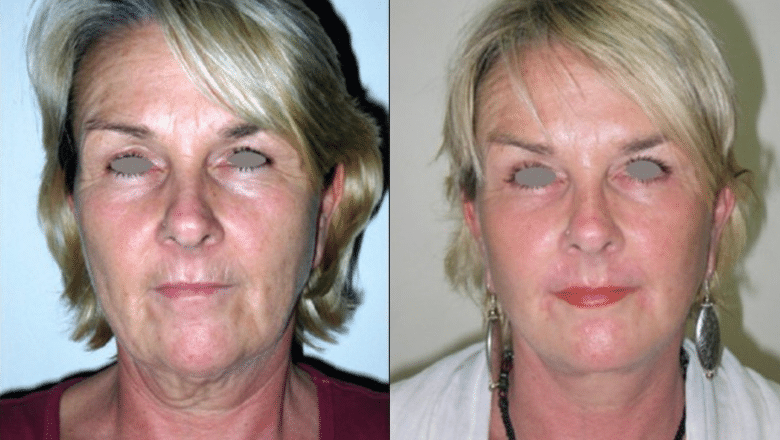
For individuals inclined towards less invasive measures, non-surgical skin tightening methods and injectable fillers emerge as highly appealing alternatives. These approaches are characterised by their minimal downtime. Skin tightening treatments, including Fotona4D and Morpheus8, work by enhancing the skin’s firmness and elasticity, indirectly softening the nasolabial folds. Similarly, dermal fillers offer an immediate softening effect.
RELATED: Exploring the Effectiveness of Dermal Fillers for Smile Lines
Nasolabial Fold Treatments at Centre for Surgery
At Centre for Surgery, nestled in the heart of London, we are dedicated to offering a comprehensive suite of treatments tailored to address nasolabial folds. Our state-of-the-art clinic on Baker Street is home to leading specialists in cosmetic surgery, leveraging advanced techniques and innovative technologies to rejuvenate your appearance with natural-looking results.
Understanding that each patient’s needs are unique, our approach is bespoke — beginning with an in-depth consultation to explore your aesthetic goals and concerns. Whether you’re considering a surgical option like a facelift or prefer non-surgical treatments such as skin tightening procedures and dermal fillers, our experts are on hand to guide you through your choices.
To arrange your appointment: 📞 0207 993 4849 | 📧 contact@centreforsurgery.com | 📍 95-97 Baker Street, London W1U 6RN
Visit our About Us page, explore our finance options including 0% APR with Chrysalis Finance, read our blog, check our Clinic FAQs, or learn about our Baker Street clinic.
[contact-form-7 id=”256″ title=”Treatments form”]