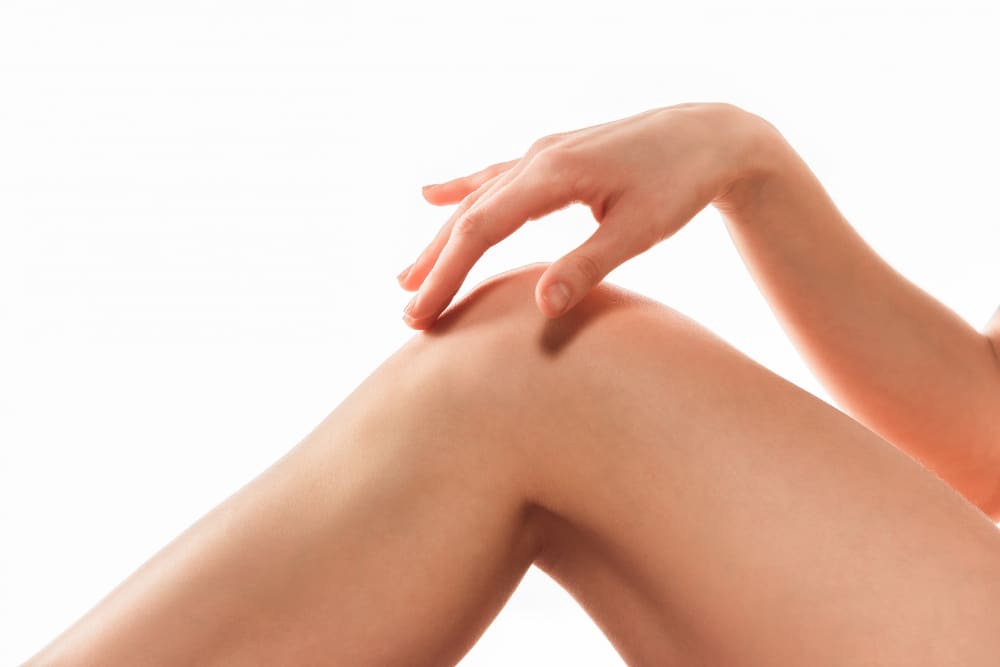
Knee liposuction in London is one of the most effective fat-reduction procedures for permanently removing excess knee fat. Many people come to us having tried diet and exercise, yet still have resistant areas of fat, usually on the inner aspect of the knee. Fat may also accumulate at the front of the knee and is often difficult to shift with diet and exercise alone. Knee liposuction is most commonly performed using a specialised vibrating cannula to effectively separate the fat from its surrounding attachments before removing it from the body with vacuum suction. Patients are often highly pleased with the outcome after knee liposuction. The procedure aims to produce slimmer and more contoured knees that appear proportionate to the rest of the legs. Knee liposuction is often combined with thigh liposuction to create a slimmer, sculpted leg.
What does knee liposuction involve?
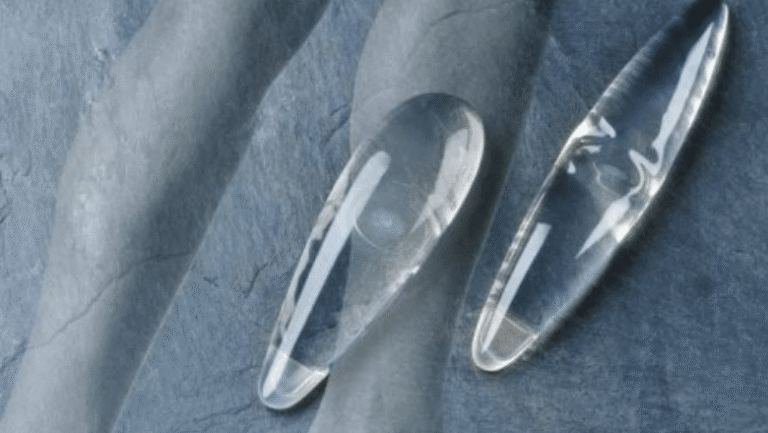
We perform all knee liposuction procedures at our specialist Marylebone clinic in central London. When you arrive for your procedure, you will be admitted by one of our nursing staff, who will then assess you by your anaesthetist. Then, your surgeon will review you and perform preoperative markings around your knees. Once you are anaesthetised for the knee liposuction surgery, the surgeon will access the areas of excess fat around the knees by making 3 mm incisions to permit the insertion of the liposuction cannula. The liposuction cannula is designed to vibrate, effectively breaking up fat cells before they are removed via vacuum suction. Once the procedure is complete, the surgeon will express any residual anaesthetic fluid out of the small incisions, which will help improve liposuction recovery. Sterile dressings will be applied, and then you will be transferred to our designated recovery area, where you will be prepared for discharge a few hours later. All patients with a general anaesthetic must have a responsible adult escort to pick them up from the centre and look after them for the first 24 hours after their knee liposuction.
Fat removed with knee liposuction does not grow back. The new shape of the knees will be maintained as long as you continue to eat a healthy diet and exercise regularly.
The inner part of the knee often accumulates fat in many people with a genetic predisposition, and knee liposuction can effectively remove these stubborn pockets of fat. The procedure can be performed independently under local anaesthetic when knee liposuction is carried out. If knee liposuction is combined with other lipo areas, such as thigh liposuction, we recommend a general anaesthetic for your comfort. Knee liposuction alone will create slimmer knees without the need to remove excess skin. The procedure can also address stubborn pockets of fat located at the front of the knee, above the kneecap.
Not all types of knee fat are amenable to liposuction, especially those located at the front of the knee. The most common cause of inaccessible fat areas for conventional liposuction is the deeper suprapatellar fat pad. In these cases, your surgeon may use microcannula tumescent liposuction to remove fat from difficult-to-access regions effectively.
Getting the best results from knee liposuction depends on following your surgeon’s postoperative instructions in full. You should wear the specialised compression garment for at least 6 weeks and avoid strenuous exercise for at least 4 weeks. You will, therefore, be in the best position to get the best liposuction results once you have reached the six-week mark. Complete liposuction recovery can be expected within 6 to 8 weeks.
Why have the procedure?
Although knee liposuction is a straightforward procedure, many patients experience a significant increase in self-confidence. This type of liposuction surgery is designed to produce slimmer knees. Thigh liposuction is commonly combined with knee liposuction to achieve slimmer, more contoured legs. Knee liposuction results can be enhanced when combined with thigh liposuction. Knee liposuction can effectively remove localised pockets of fat in both the inner and upper aspects.
Many people may have knee asymmetry, which often appears more pronounced when viewed face-on. Knee liposuction is an excellent technique for correcting asymmetrical knees, with a quick, straightforward procedure. Patient satisfaction rates after knee lipo are typically very high, driven by the significant improvement in emotional well-being many patients experience after the operation. Many patients who come to us complain about having fat knees and are often unable to wear specific clothing items such as swimwear, skirts or shorts. They are keen to explore the potential benefits of knee lipo to improve how they feel about themselves and regain their self-confidence.
Cellulite often affects the outer thighs and can sometimes extend to the knees. It is essential to remember that liposuction cannot eliminate cellulite and, in some cases, may even make it worse. To effectively remove cellulite, we recommend CelluTite, a radiofrequency treatment. In older patients in their 50s and beyond, the ageing process often leads to loose skin. Any loose or wrinkly skin can be easily removed with surgical excision if required.
Who is an ideal candidate?
Knee liposuction is a quick, straightforward procedure. You will be assessed at your consultation to determine your suitability, and the following factors will be taken into account:
- You are in physical good health and have no chronic medical conditions
- You have a body mass index below 30
- You have tried diet and exercise, but they have failed to improve the appearance of your fat knees.
- You are aware of the risks and complications of the procedure and have realistic expectations of what knee liposuction can achieve
- You have developed a loss of confidence as a result of having knee problems
Can knee liposuction be combined with other treatments?
Our surgeons regularly combine knee liposuction with liposuction to other areas of the body, including the thighs, calves and ankles, abdomen, back, and chest. Most people develop excess knee fat in the knee’s inner part, which commonly coexists with inner thigh fat. Therefore, most patients will choose knee liposuction in combination with thigh liposuction.
Our surgeons use a gentle fat-extraction method during liposuction. This helps preserve the delicate structure of fat cells, which can then be used in a fat transfer procedure. Fat transfer involves removing fat from unwanted areas of the body and injecting it into areas that require volume augmentation. Fat transfer to the face commonly involves knee liposuction to extract fat cells, which are then injected into different parts of the face, such as the cheeks, temples, or lips. Power-assisted liposuction is the best liposuction technique to produce optimally prepared fat for fat transfer.
Pregnancy is often a time when women gain weight, and excess weight may accumulate in particular areas, including the knees. Excessive fat can cause fat knees. Many women after childbirth will choose to have a mummy makeover procedure, which is a highly effective combination treatment encompassing breast surgery, liposuction and tummy tuck surgery, as well as liposuction to other areas such as the knees. Women can effectively restore their pre-pregnancy body shape with a significant increase in self-confidence.
Although liposuction cannot remove cellulite, it can be combined with CelluTite, a specialised radiofrequency treatment that permanently removes it. CelluTite requires only one treatment, using minimally invasive techniques, to achieve permanent cellulite reduction.
If you would like to learn about the different treatment options that can be combined with knee liposuction, contact us today, speak to one of our knowledgeable patient coordinators and book a face-to-face consultation with one of our expert surgeons.
Why choose Centre for Surgery?
- Our plastic surgeons at Centre for Surgery are renowned for their expertise in performing many knee liposuction cases each year.
- Our surgeons are fully GMC-registered and have completed many years of training in plastic surgery.
- We perform hundreds of liposuction procedures yearly, including revision liposuction for treatment elsewhere.
- Our preoperative and postoperative nursing team is dedicated to providing the highest standards of medical care both before and during your procedure.
- Our state-of-the-art cosmetic surgery clinic is located on Baker Street in Marylebone, London.
- We have expertise in fat transfer and skin excision surgery to ensure you have the full range of options available to get rid of fat knees.
How much does knee liposuction cost?
Knee liposuction starts from £3500 under a general anaesthetic. The procedure will cost less if you have any liposuction under local anaesthetic. Patients who want to combine knee liposuction with other body areas should factor in the increased cost when planning the procedure. 360 liposuction of the legs starts from £6000 and can produce slimmer and more toned legs, including knee liposuction as standard.
Knee liposuction costs include all preoperative and postoperative nursing care, facility fees, and anaesthetic fees. You will have your own patient coordinator as your dedicated point of contact throughout your patient journey with Centre for Surgery. If you have any questions or concerns, please feel free to reach out anytime. All guide prices given online should be viewed as a rough estimate, and you will receive an accurate quotation once you have had your face-to-face surgeon consultation. The NHS does not carry out procedures for improving cosmetic appearance; this treatment must be done in a private clinic.
What are the causes of fat knees?
One of the most common causes of fat knees is excessive weight gain. People who gain weight often do so by eating an unhealthy diet and carrying out little or no exercise. Many women may also get fat knees during pregnancy when there is usually an increase in oestrogen levels, and fat knees after pregnancy are a common problem we get asked about. Puberty results in a significant rise in oestrogen, and this can be a cause of fat knees. Women approaching menopause often notice a gradual increase in body fat, which may be more noticeable around the knees. Our metabolic rate naturally decreases as we age, increasing the propensity to gain excessive fat, particularly manifest in fat knees.
Fat knees rarely exist in isolation. Inner thigh fat often develops simultaneously and will usually need to be treated to achieve proportionate, slimmer and contoured legs. Genetics can also cause fat knees, which can be effectively treated with knee liposuction for people who are otherwise generally slim.
How can I get rid of fat knees without surgery?
People often wonder how to get rid of knee fat. One of the most effective ways to improve the appearance of fat knees is to adopt healthy lifestyle habits. Losing weight can be achieved by following a healthy diet and exercising regularly. The prevalence of obesity continues to increase and is most commonly due to the development of sedentary lifestyles with little or no exercise coupled with a highly calorific diet. A healthy diet should contain plenty of fresh vegetables and fruit. Eating whole-grain foods has been proven to reduce the risk of certain medical conditions, including heart disease and type 2 diabetes. Consuming more lean protein will help you feel fuller for longer, and this should help minimise the consumption of junk foods such as burgers or French fries. Reducing sugar intake will help you lose weight and eliminate fat knees. Many sweetened fizzy drinks contain large amounts of sugar and should be eliminated from the diet.
NHS guidelines recommend at least 150 minutes of exercise per week. This can be easily broken down into five 30-minute, moderate-to-high-intensity training sessions. Achieving consistency with exercise depends on incorporating achievable routines into your everyday schedule so you can maintain workouts in the long term. Regular activities which we would recommend include running and cycling. These are both excellent ways to burn fat and tone the knees. Before any cardiovascular exercise, you should warm up to minimise the risk of injury. Some patients may have difficulty with high-impact workouts such as running, and cycling may be a better option to reduce knee strain.
Long walks can still benefit older people significantly. Walking for at least 30 minutes a day will help improve the appearance of the knees and strengthen the legs.
Skipping is also an excellent way to reduce knee fat. You should follow the correct technique when skipping to avoid knee injury. Regular physical exercise will help strengthen leg muscles and improve the appearance of the knees. Many weight-loss supplements are available online, though many products make unproven claims of effectiveness and can be expensive. We would advise against using weight-loss supplements as the only method of losing weight. We would also recommend a medical assessment by your GP before considering weight-loss supplements, in conjunction with a healthy diet and exercise.
Despite following a sensible diet and exercising regularly, many patients are genetically predisposed to having knee fat, which will not improve with an improved lifestyle alone. The best way to get rid of stubborn fat deposits in the knee is to undergo knee liposuction. This procedure can permanently eliminate knee fat. Our expert surgeons have years of experience performing knee liposuction and can advise you on the best options.
[contact-form-7 id=”256″ title=”Treatments form”]