Endoscopic Facelift

Endoscopic facelift lifts and repositions deeper facial tissues through small incisions using a miniature camera — addressing mid-face descent in patients typically in their 40s–50s with less downtime than a traditional facelift, though with less comprehensive correction.

Start with a consultation
Medically reviewed by
Dr Gino Vissers GMC: 7522950
Last reviewed
30 July 2026

What is Endoscopic Facelift?

Endoscopic facelift lifts and repositions deeper facial tissues through small incisions using a miniature camera — for patients in their 40s–50s with mild-to-moderate changes. Less comprehensive than a full facelift but faster recovery.
Procedure time
2 hours
Anaesthetic type
General
Recovery time
1-2 weeks
Price from
£3,000

Results

View all
Before After
Before After
This is an before after example

Benefits

Mid-face elevation and cheek definition
The technique specifically targets the mid-face region — cheeks, under-eye area, and nasolabial folds. By lifting the deeper tissues of the cheek pad and repositioning them upward, cheekbone definition is restored, and early flattening is corrected.
Subtle brow and outer eye lift
Because the incisions sit within the temporal hairline, the technique can simultaneously produce a subtle lift of the lateral brow and outer corners of the eyes. This is similar to the “ponytail lift” effect — a fresher, more alert expression without looking surgical.
Minimal scarring
Incisions are small (typically 1–2cm) and placed entirely within the hairline. Once healed, scars are hidden completely and undetectable — there are no visible scars around the ears as with a traditional facelift.
Faster recovery than a full facelift
Most patients return to desk-based work within 7–10 days, compared to 10–14 days for a SMAS facelift. Bruising and swelling are also typically less pronounced because the dissection area is smaller.
Preserves natural expression
Because the technique lifts the deeper tissue layers rather than stretching the skin, facial expression and movement are completely preserved. The result is refreshment, not transformation.
Durable results
A properly performed endoscopic facelift typically lasts 8–12 years — shorter than a full SMAS facelift but significantly longer than non-surgical alternatives like thread lifts or energy-based devices.
Pairs well with other procedures
Endoscopic facelift is often combined with other facial procedures such as eyelid surgery, facial fat transfer, or endoscopic brow lift to address the upper face comprehensively in a single operation.

Most endoscopic facelift patients are in their late 30s to 50s with mid-face descent as their main concern — flattened cheekbones, early nasolabial folds, the subtle “tired” look from cheek descent. The technique works best in patients with standard-to-thin skin and good intrinsic elasticity. Candidates often have previously tried injectable fillers, thread lifts, or radiofrequency skin tightening and are now looking for longer-lasting, more noticeable results. If your main concern is jowling, loose neck skin, or heavy lower-face changes, endoscopic facelift won’t address those areas adequately — a SMAS or deep plane facelift is usually more appropriate. Good general health, non-smoker status (or willingness to stop for 6 weeks before and after surgery), stable weight, and realistic expectations for a subtle refreshment rather than dramatic transformation are all important. Your surgeon will give you an honest assessment at consultation.

If you’re not sure whether an endoscopic facelift is right for you, a consultation at Baker Street will give you an honest assessment — including whether a different facelift technique, or non-surgical options, would serve you better. We’re a specialist surgical centre, but we don’t recommend surgery when it isn’t indicated.

H2 Rich text section

Lorem ipsum dolor sit amet, consectetur adipiscing elit. Suspendisse varius enim in eros elementum tristique.

H2 Rich text section

Mild-to-moderate swelling and bruising around the forehead and temples, sometimes extending to the cheeks. Tightness is common but usually manageable with paracetamol — most patients don’t need stronger painkillers. Sleep elevated on two pillows. Use cold compresses intermittently for the first 48 hours to reduce swelling.

Swelling settles. Bruising begins to fade. Most patients feel well at home but may not yet be socially presentable. Sutures (if non-dissolvable) are removed at around day 7.

Most patients return to desk-based work by day 7–10. Bruising has usually faded enough to cover with concealer. Residual swelling is minor and typically only noticeable to you and close family.

What to expect

Before Surgery
After your initial consultation, a two-week cooling-off period is standard before your surgery date is confirmed. This gives you time to reflect and is not optional. Pre-operative assessment includes a full medical review, blood tests if indicated, and clinical photography for surgical planning.
Anesthesia
Endoscopic facelift at Centre for Surgery is performed under TIVA (Total Intravenous Anaesthesia) as standard — the safest form of anaesthesia for day-case facial surgery, with faster emergence, less postoperative nausea, and no inhaled gases.
Incisions
Several small incisions — typically 1–2cm each — are placed within the temporal hairline. Because they’re hidden in the hair itself, they’ll be completely undetectable once healed.

All-inclusive pricing

Procedure from £3,000

Up to two 60 minute consultations with a leading specialist plastic surgeon at our award-winning premises in Baker Street
A pre-operative medical assessment to ensure you are fit for surgery
Your procedure cost is fully inclusive, covering surgery, anaesthesia, hospital fees.
Comprehensive post-operative aftercare
24/7 on call nurse assistance
Need help financing your procedure?
Finance options offered by Chrysalis Finance
Learn more

What our happy patients say

Alex Turner 2
Tags this testimonial to a procedure. Powers the "Procedure name" label and the "Discover this procedure" link, and lets the same testimonial be reused on that procedure's page and in homepage widgets.
Alex Turner 2
Alex Turner
Lorem ipsum dolor sit amet, consectetur adipiscing suspendisse varius enim...
Alex Turner

Recover comfortably with expert aftercare

Your journey begins with a face-to-face consultation with a specialist surgeon. We’ll discuss your goals, assess your nasal structure, and explain what results are realistically achievable. Clinical photography, measurements, and imaging may be used to support planning, and you’ll receive honest advice, including risks, recovery expectations, and suitability for surgery.

Your journey begins with a face-to-face consultation with a specialist surgeon. We’ll discuss your goals, assess your nasal structure, and explain what results are realistically achievable. Clinical photography, measurements, and imaging may be used to support planning, and you’ll receive honest advice, including risks, recovery expectations, and suitability for surgery.

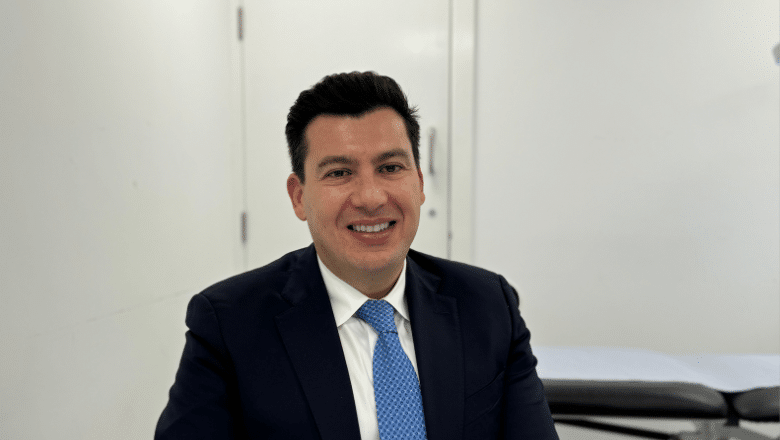
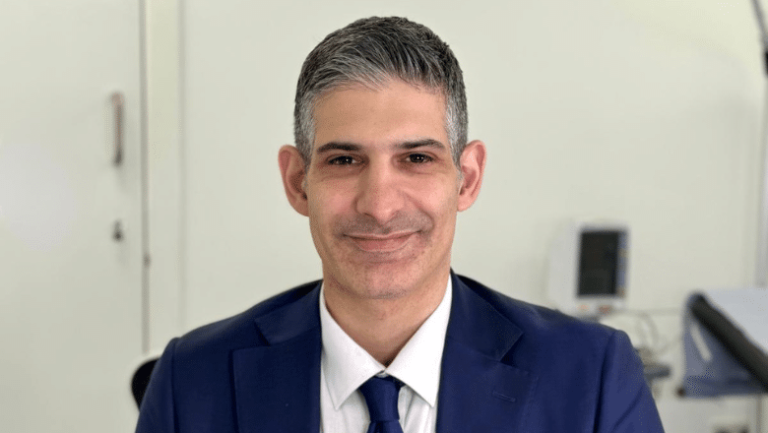
Our expert surgeons and specialists

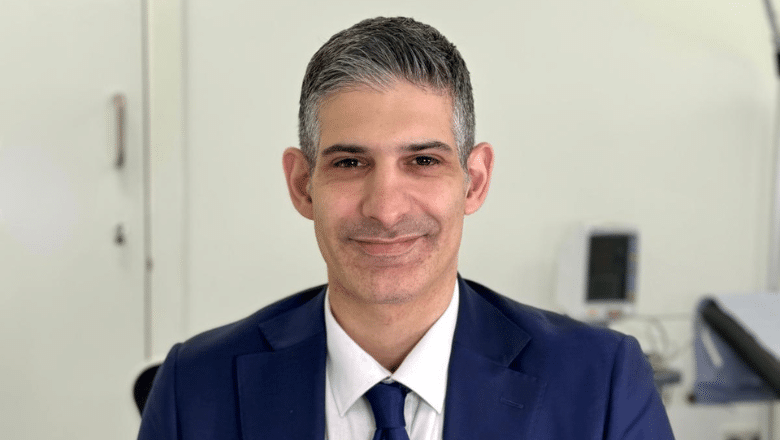
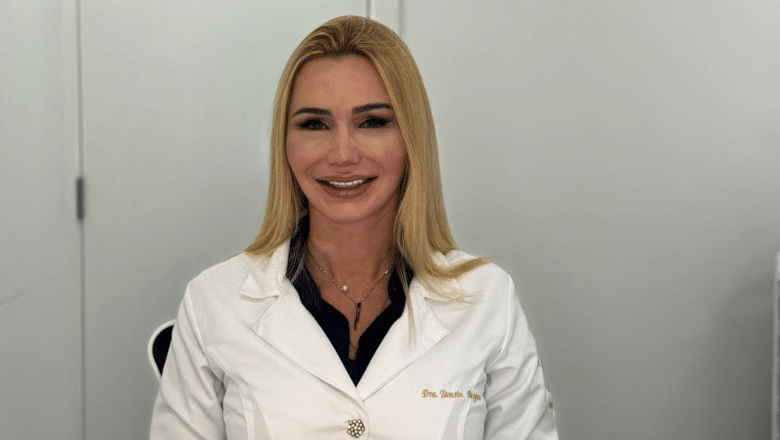
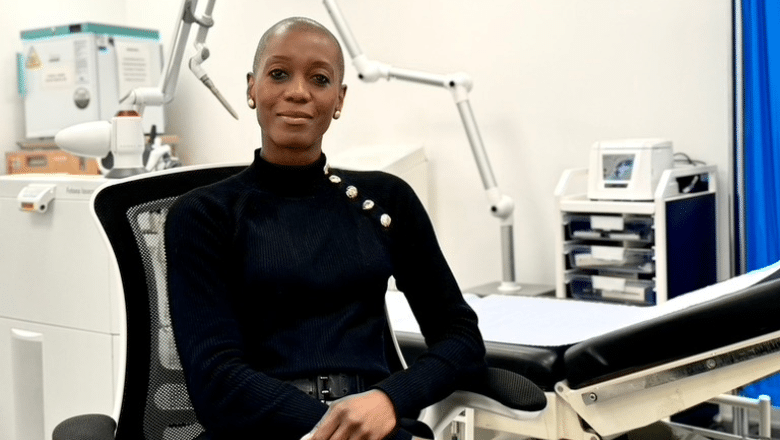
Meet the expert specialists for your procedure.
View all

Is this the right procedure for me?

Lorem ipsum dolor sit amet, consectetur adipiscing elit. Suspendisse varius enim in eros elementum tristique. Duis cursus, mi quis viverra ornare, eros dolor interdum nulla, ut commodo diam libero vitae erat. Aenean faucibus nibh et justo cursus id rutrum lorem imperdiet. Nunc ut sem vitae risus tristique posuere.

another answer

Find the right solution for you.
Speak with a specialist today

Search content