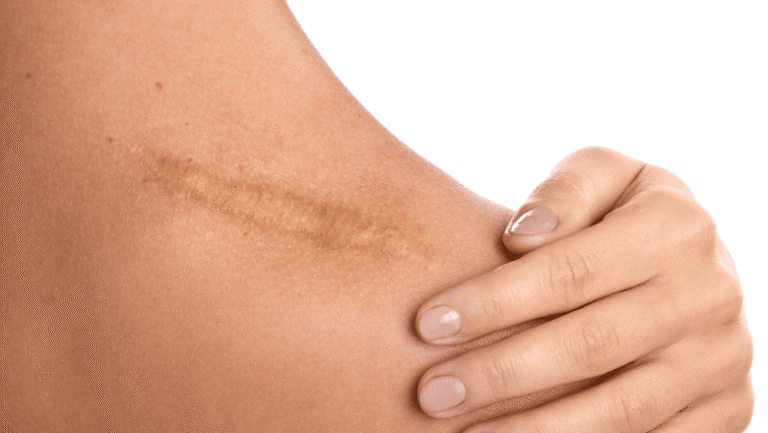

Surgical and Non-Surgical Options to Correct a Lopsided or Asymmetric Face
Facial symmetry is the degree to which the left and right sides of a person’s face mirror each other. When a face is symmetrical, it means that if you were to draw a line down the middle, the two halves would be very similar to each other. An asymmetrical face is one where the two sides do not mirror each other exactly, with variations in eye size, cheek shape, or nose position.
RELATED: Facial Beauty Standards – What is the Golden Ratio?
Asymmetry in the face can occur for a variety of reasons, including genetics, injury, and the natural ageing process. Many studies have suggested that people are generally more attracted to symmetrical faces. However, no face is perfectly symmetrical — each person’s face is unique, and minor asymmetry is perfectly normal and often not something others would even notice.
What is an Asymmetrical Face?
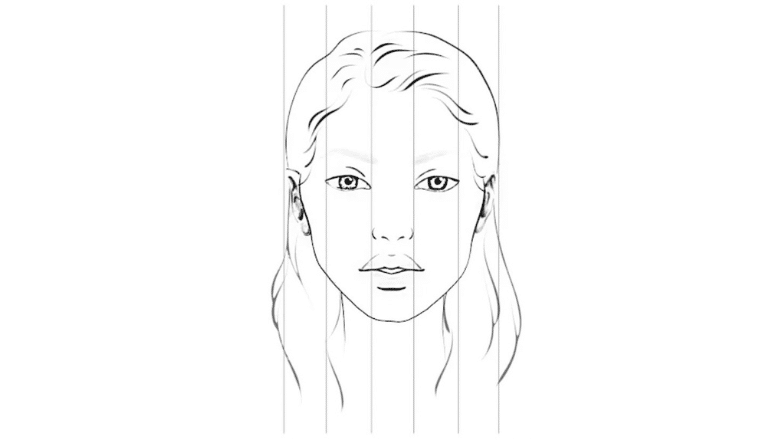
An asymmetrical face is a face with features that aren’t perfect mirror images of each other on either side. Facial asymmetry can be attributed to one side of the face having more signs of ageing, one eye looking more closed than the other, one eyebrow being higher, the nose being crooked, one cheek being fuller, or the jaw or chin being uneven. Our facial plastic surgeons at Centre for Surgery can offer you a range of options to make your facial features look more proportional and restore a beautiful balance to your face.
What Causes Facial Asymmetry?
Genetics
One prevalent cause of facial asymmetry is genetics. It’s not uncommon for some individuals to have naturally asymmetrical faces due to differences in the development of their facial bones and muscles. Certain genetic conditions can also result in facial asymmetry, including craniosynostosis (skull bones fusing too early), hemifacial microsomia (underdevelopment of one side of the face), and Goldenhar syndrome (a rare genetic disorder affecting the face’s development).
Ageing
Ageing can contribute to facial asymmetry through changes in bone structure (bones lose density and volume), muscle tone changes (weaker muscles can’t support skin and soft tissue as effectively), and skin elasticity changes (skin loses its resilience to stretching and sagging). To prevent or reduce age-related facial asymmetry, you can stay hydrated, protect your skin from the sun, exercise regularly, and maintain good skincare.
Dental Problems
Dental issues can cause facial asymmetry, particularly an asymmetrical jaw. Teeth alignment problems or jaw position can result in noticeable differences between the two sides of the face. One prevalent dental issue impacting facial symmetry is tooth misalignment, which can cause one side of the mouth’s teeth to protrude more than the other.
Injury or Trauma
Injury is another common cause of an asymmetrical face. Trauma to the face, such as a broken nose or cheekbone, can alter the shape and position of the facial bones. It’s crucial to seek medical help for facial trauma, even if the injury seems minor.
Lifestyle Factors
Lifestyle factors over time can also lead to an asymmetrical face. Factors like poor diet, sleep position, posture, lack of exercise, sun exposure, and smoking can all affect the face.
Different Kinds of Asymmetrical Faces
We can categorise facial asymmetry into two main types: developmental and acquired. Developmental facial asymmetry is often present from birth or early childhood, arising due to genetic influences or sometimes environmental factors during pregnancy. Acquired facial asymmetry develops later in life, usually due to an injury or a specific medical condition such as Bell’s palsy or temporomandibular joint disorder.
Knowing whether facial asymmetry is developmental or acquired is crucial because it helps surgeons make a correct diagnosis and plan the most effective course of treatment.
How to Test if You Have a Symmetrical Face
One basic method is to use a mirror, positioning yourself directly in front of it and imagining a vertical line down the centre of your face as a reference point to compare the two halves. For a more detailed examination, you can conduct a photo test — take a straight-on photo, print it, pinpoint key facial landmarks on both sides, and use a ruler to draw horizontal lines connecting each set of corresponding points. This visual representation will help you compare the alignment and distance between similar features on each side.
Non-Invasive Options to Address Facial Asymmetry
Non-invasive treatments have gained popularity for their ability to improve facial balance and harmony with minimal downtime and risk. Ideal for addressing mild to moderate asymmetries, non-invasive methods can effectively treat discrepancies primarily caused by soft-tissue differences.
Common Non-Invasive Treatments for Facial Asymmetry
Anti-Ageing Injectables
Anti-wrinkle injections are a popular choice for addressing facial asymmetry related to muscular imbalances. Temporarily paralysing targeted muscles can smooth out uneven facial expressions and reduce the appearance of asymmetry. The procedure is quick, typically taking about 30 minutes, and requires no downtime.
Dermal Fillers
Dermal fillers are another effective non-invasive treatment for correcting asymmetrical features. Made from hyaluronic acid, a naturally occurring substance in the body, dermal fillers offer a safe, temporary solution for enhancing facial balance. The treatment session usually lasts no longer than 30 minutes, with results visible almost immediately.
Orthodontics
For asymmetries influenced by dental misalignments, orthodontic treatments like braces or clear aligners can provide significant improvements. By correcting the alignment of teeth, these treatments can also impact the overall balance of the face.
Can Facial Exercises, Hairstyling, and Makeup Help?
Facial Exercises
These exercises can strengthen the muscles on the weaker side of your face, helping balance out your facial features. Activities such as puckering your lips, raising your eyebrows, or practising different smiles can contribute to a more symmetrical face.
Massage Therapy
Massaging your face can boost blood circulation, helping reduce puffiness and swelling. It can also help relax tense facial muscles, contributing to improved facial symmetry.
Strategic Hairstyling
Choosing certain hairstyles can work wonders in balancing out an asymmetrical face. A side-swept fringe can downplay a broader forehead, while layers can add volume and movement to balance out an uneven jawline.
Makeup Techniques
Makeup is an incredibly effective tool for creating an illusion of symmetry. Using techniques such as contouring to define your face or highlighting to draw attention to specific features can help balance an asymmetrical face.
Surgical Treatments for an Asymmetrical Face
When looking into options for correcting a very asymmetrical face, there’s a wide array of surgical treatments available, including facial implants, fat transfers, facelifts, necklifts, and rhinoplasty. Each treatment has its unique method of addressing facial imbalance. One of the key benefits of opting for surgical treatments is the durability of the results — these interventions offer a more permanent solution and the ability to make physical changes to the face’s structure.
Nose Surgery (Rhinoplasty)
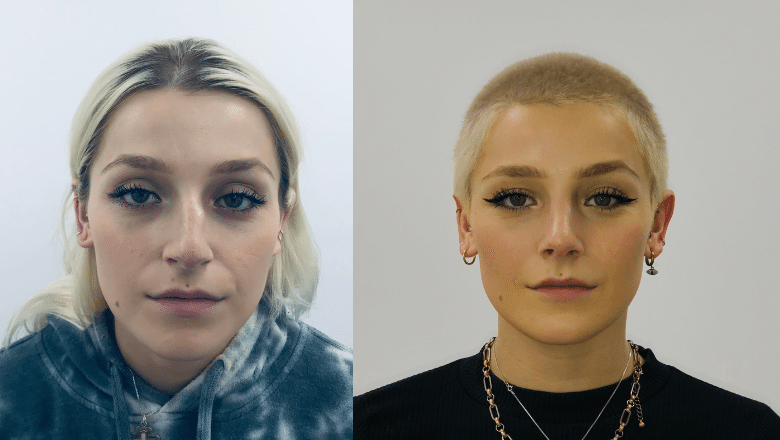
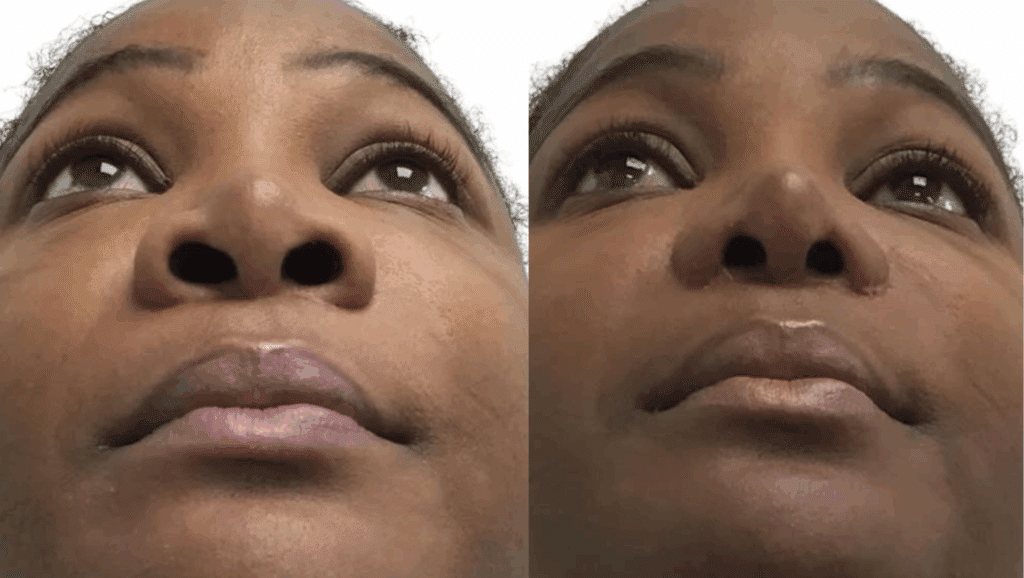
An asymmetrical or crooked nose is a frequent contributor to facial imbalance. This can be corrected through rhinoplasty, which aims to straighten a crooked nose, thereby improving symmetry and proportion of the face.
RELATED: What Makes a Beautiful Nose?
For some patients, the aesthetic concern may be specific to a certain part of the nose. Less invasive versions of nose surgery include Tip Rhinoplasty (Tip-plasty) for reshaping the tip of the nose, Alarplasty – Nostril Surgery for reshaping wide or flaring nostrils, and Septal Deviation Surgery (Septoplasty) for rectifying a deviated septum.
RELATED: Nose Surgery FAQs – Q&A about Rhinoplasty
Blepharoplasty
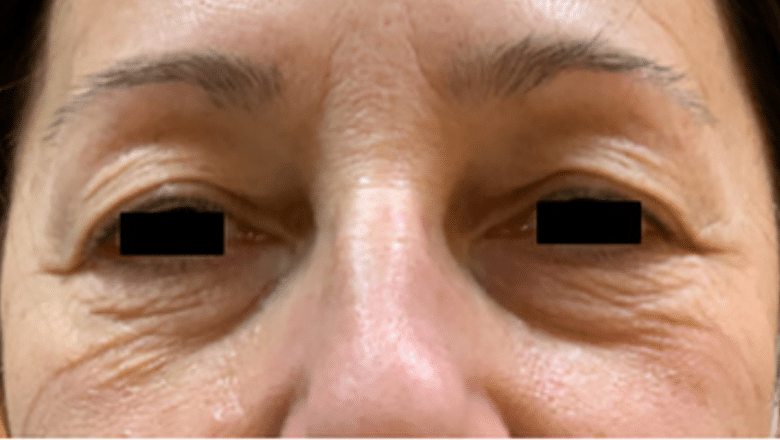
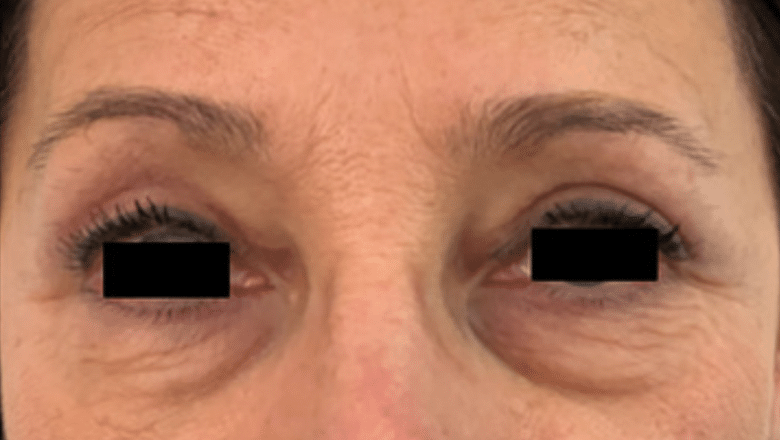
Blepharoplasty, or eyelid surgery, targets asymmetries in the upper or lower eyelids. This procedure involves removing excess skin and fat from the eyelids, followed by careful reshaping to eliminate sagging and restore a youthful, alert appearance to the eyes. Patients can anticipate taking a week off from work, with a full recovery expected within two weeks.
RELATED: Can Eyelid Surgery Help With Asymmetrical Eyes?
Brow lift
A brow lift is a surgical procedure that lifts the eyebrows to a more aesthetically pleasing position, correcting eyebrow asymmetry and contributing to a balanced and youthful appearance in the upper face. The surgery typically requires 1–2 hours under general anaesthesia, with patients expecting a full recovery within two weeks.
Facelift Surgery for Facial Asymmetry
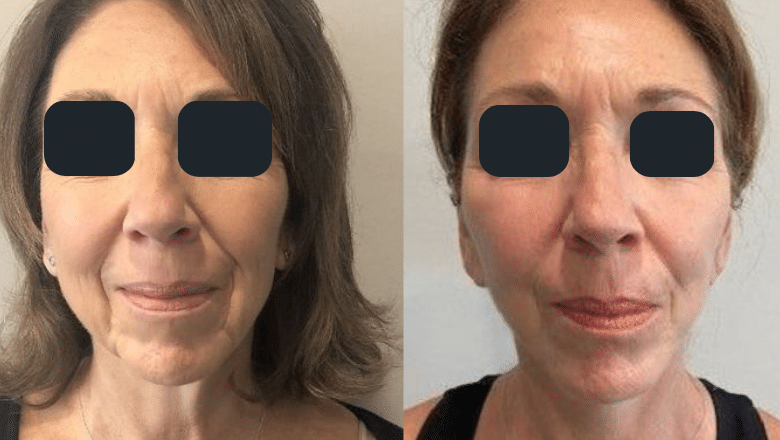
A facelift is a surgical procedure designed to create a more youthful and symmetrical appearance by tightening and smoothing the skin on your face. Different types of facelifts target various parts of the face:
Upper Facelift (Brow Lift) — corrects eyebrow asymmetry by adjusting the height of one eyebrow relative to the other. Mid-Facelift (Cheek Lift) — tightens the skin in the middle portion of your face, reducing nasolabial folds and elevating sagging cheeks. Lower Facelift — addresses sagging jowls and wrinkles around the chin that can contribute to facial asymmetry. Full Facelift — if asymmetry is present in various areas including the forehead, cheeks, jaws, and neck, a full facelift comprehensively rejuvenates the entire face.
RELATED: Facelift Surgery FAQs – Q&A about Rhytidectomy
Neck Lift
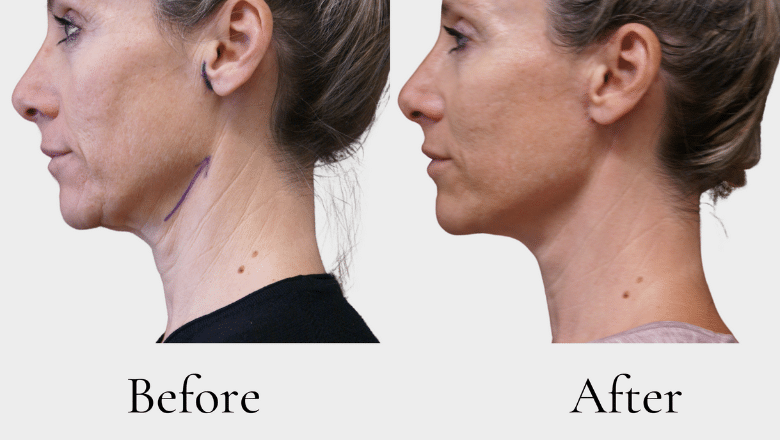
The neck lift procedure is a transformative cosmetic surgery designed to refine the contours of the neck and jawline, involving the meticulous removal of excess fat from the neck area followed by careful redressing and tightening of the skin. The procedure typically spans 2–4 hours and recovery generally takes 6–8 weeks.
RELATED: Neck Lift Options – Types Of Neck Lift Surgery
Liposuction
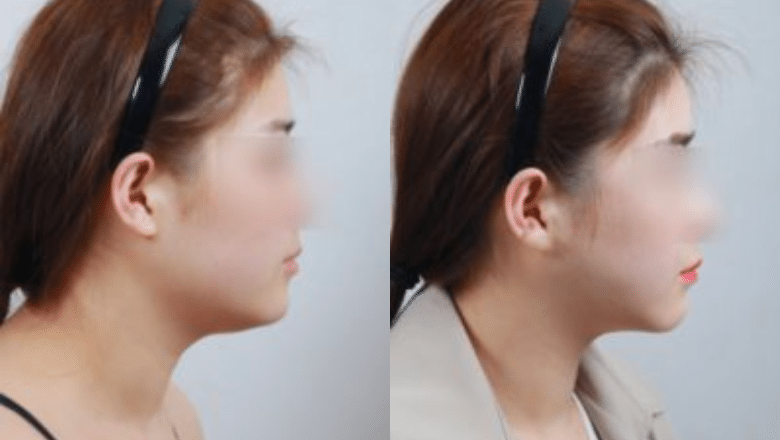
Liposuction is a versatile surgical technique used to remove unwanted fat deposits from specific areas of the body, such as the cheeks or jawline, and is particularly effective in enhancing facial symmetry by addressing asymmetrical fat distribution. The procedure lasts between 1 and 1.5 hours, with a recovery timeline of just one week.
RELATED: Contouring Your Jawline With Chin Liposuction
Fat Transfer to the Face
Fat transfer to the face, also known as fat grafting, involves extracting fat from another area of your body and carefully injecting it into specific areas of your face to address facial imbalances by enhancing specific features such as the chin, cheeks, or jaw. It’s worth noting that the transferred fat may shrink over time, so multiple injection sets may be necessary.
RELATED: Micro & Nano Fat Grafting
Chin Reshaping Surgery
Chin reshaping surgery can address the chin’s contribution to facial balance. Chin Augmentation Surgery enhances a receding chin by inserting a chin implant or shifting the chin bone forward. Chin Reduction Surgery reduces an overly prominent chin by removing excess bone and reshaping the chin to achieve a more harmonious balance with the rest of your facial features.
Buccal Fat Removal
Buccal fat removal is a surgical procedure designed to reduce the size of your cheeks by eliminating fat from the inside. When one cheek is fuller than the other, this can give the appearance of a face that’s overweight on one side. The outcome tends to be long-lasting, as the removed cheek fat doesn’t grow back.
RELATED: Non-Surgical Alternatives to Buccal Fat Removal
Choosing the Best Treatment for Facial Asymmetry
Choosing the right treatment for facial asymmetry depends on your personal objectives, the specific cosmetic issues you’re dealing with, your age, the extent of your facial asymmetry, and any other aesthetic concerns you might have. Our specialist facial plastic surgeons will take the time to explain the various options during a consultation at our clinic on Baker Street.
Frequently Asked Questions About Facial Asymmetry Surgery
Can a facelift fix an asymmetrical face?
Yes, a facelift or a neck lift can considerably enhance facial symmetry. These procedures involve lifting various parts of your face to better align them.
How long should I wait to see the results of surgical treatment for facial asymmetry?
The recovery period varies depending on the type and extent of the procedure. General timelines include: Rhinoplasty — 2 to 4 weeks; Blepharoplasty — 7 to 14 days; Facelift — 2 to 4 weeks; Neck Lift — 2 to 6 weeks; Facial fat transfer — 2 to 6 weeks; Otoplasty — 4 to 6 weeks.
RELATED: Recovery after Cosmetic Surgery
Enhancing Facial Harmony: Your Questions Answered
Why does my face appear uneven?
Facial asymmetry is a common concern and can be attributed to a variety of factors, including genetics, environmental influences, and lifestyle habits. Consulting with a medical professional at Centre for Surgery can shed light on the specific causes of facial unevenness in your case.
Is it possible to have a perfectly symmetrical face?
The aspiration to achieve perfect facial symmetry is common, yet absolute symmetry is exceedingly rare. The objective of cosmetic treatments is not to achieve flawless symmetry but rather to enhance facial harmony and balance. At Centre for Surgery, we emphasise realistic goals, focusing on improvements that accentuate your natural beauty while respecting the unique characteristics that make your face distinctive.
Are symmetrical faces considered more attractive?
Numerous studies suggest that people tend to find symmetrical faces more appealing. However, complete symmetry is rare and minor asymmetries are a natural part of human faces — these slight variances contribute to our individuality. Research also indicates that minor asymmetries are often overlooked by others, suggesting that the quest for perfect symmetry may not significantly affect how we are perceived. True attractiveness lies in the balance and harmony of features rather than in absolute symmetry.
Why Should You Choose Centre for Surgery for Your Facial Asymmetry Surgery?
Choosing to undergo facial asymmetry surgery is a significant decision, and you must be in the best hands possible. At Centre for Surgery in London, we have a team of highly qualified facial plastic surgeons who can perform a thorough evaluation of your unique situation and devise the most appropriate treatment plan for you. Our surgeons will take the time to understand your specific goals and expectations and have open and honest discussions about all aspects of the procedure.
To book a consultation: 📞 0207 993 4849 | 📧 contact@centreforsurgery.com | 📍 95-97 Baker Street, London W1U 6RN
[contact-form-7 id=”256″ title=”Treatments form”]