
Eyelid Surgery Scars
Eyelid surgery, also known as blepharoplasty, is frequently chosen by those wishing to change their facial aesthetics or enhance their field of vision. Despite its widespread acceptance and positive results, as with all surgical procedures, there’s always the possibility of scarring afterwards. It’s essential for anyone considering eyelid surgery to be well-informed about the potential for scarring and its implications.
When you undergo surgery, your body instinctively starts its healing process. A primary component of this process is collagen production, which helps heal the surgical wound. This healing action results in the creation of a scar. How noticeable and pronounced this scar becomes depends on several factors. These include your genetics, the surgical approach adopted, the surgeon’s expertise, and how diligently you follow post-surgical care guidelines.
In this article, we’ll delve deeper into the subject of scars resulting from eyelid surgery. We’ll shed light on their characteristics, underlying causes, effects, and most vitally, the remedies available to address them.
Centre for Surgery is a leading Specialist Plastic Surgery clinic in the heart of London. We pride ourselves on our proficiency in an extensive array of plastic and cosmetic procedures, from treatments for skin cancer to surgeries focused on the breast, body, nose, and face. Among the facial procedures we provide, blepharoplasty or eyelid surgery is a sought-after choice.
RELATED: Eyelid Surgery FAQs – Q&A about Blepharoplasty
Blepharoplasty Scars
When we talk about scars resulting from eyelid surgery, they’re often termed as blepharoplasty scars. It’s a standard outcome following the procedure. The beauty of eyelid surgery is that the wounds typically align with the natural fold or crease of your eyelid, which means they’re primarily hidden when your eyes are open. Nonetheless, not all scars are the same. Depending on how one’s body heals, these scars can sometimes evolve into hypertrophic or keloid scars. These types of scars are more prominent and may require additional treatments to manage or reduce their appearance.
It’s essential to understand what you’re dealing with when it comes to these scars. While scars are a given after any surgical intervention, the unique aspect of eyelid surgery is its strategic placement. This often leads to scars that are not just minimal but also cleverly concealed. The expertise of your plastic surgeon, paired with the post-surgery care you adhere to, plays a monumental role in determining how noticeable these scars will end up being.
Causes and Types of Blepharoplasty Scars
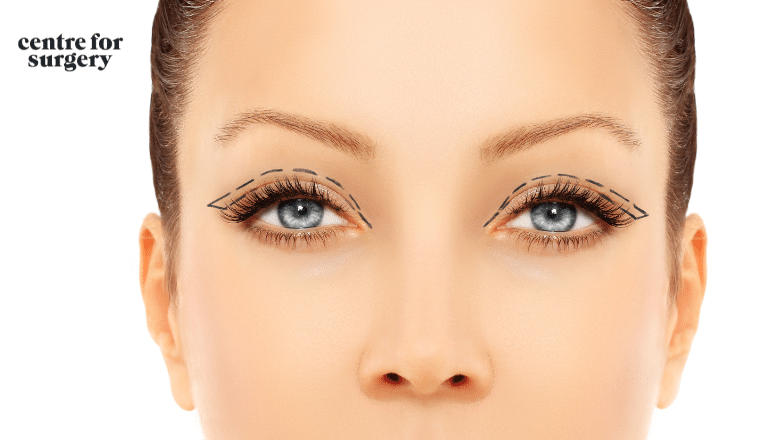
Every surgical procedure results in some form of scarring, and blepharoplasty is no exception. The root of blepharoplasty scars lies in the body’s intrinsic healing mechanism, which kicks in post-surgery. However, how pronounced these scars become and multiple factors can sway their overall appearance. Aspects like your genetic blueprint, your age, the nature of your skin, and lifestyle choices, notably smoking, can all play a part in determining the final appearance of these scars.
For the most part, eyelid surgery results in discreet, fine white line scars that neatly tuck into the eyelid’s natural fold, rendering them less noticeable. Yet, there are instances where the healing process might not follow the expected trajectory. In such scenarios, these scars can elevate to become hypertrophic or even transform into keloids. While hypertrophic scars are characterised by their raised and reddened appearance, they remain limited to the original incision zone, and keloids are more aggressive. They not only breach the boundaries of the initial wound but also tend to adopt a darker hue.
Additionally, there’s another scar type to be aware of — the contracture scar. These scars don’t merely sit on the surface; they pull and tug at the surrounding skin. This can lead to a feeling of tightness and, in more severe cases, even hamper the eyelid’s function. Recognising the specific nature of your scar is the key to pinpointing the most suitable treatment approach.
Ways to Reduce Scarring from Eyelid Surgery
The after-effects of eyelid surgery, particularly scarring, can be managed and reduced using a variety of methods. Whether you lean towards home-based natural remedies or are considering a more aggressive medical approach, the choice ultimately hinges on the scar’s prominence, your personal inclinations, and guidance from your plastic surgeon.
Home Remedies
Home remedies can be quite effective for those who favour a gentler approach, especially when the scars are relatively mild.
Aloe Vera
This plant is celebrated for its soothing and healing attributes. Applying pure aloe vera gel directly to the scar can moisturise the area and promote skin regeneration.
Vitamin E
A potent antioxidant, vitamin E can be applied topically as an oil or cream. Its hydrating properties can help improve skin elasticity and diminish the appearance of scars.
Medical Treatments
Various medical interventions are available for more pronounced scars or when faster results are desired.
Laser Therapy
This procedure employs targeted laser beams to break down scar tissue and promote the formation of new, healthy skin. It’s especially effective for raised scars and can improve the scar’s texture and colour.
Steroid Injections
These are suitable for hypertrophic scars and keloids. Steroids are directly injected into the scar, helping to flatten and soften it. Multiple sessions may be required to achieve desired results.
Surgical Scar Revision
A surgical approach might be considered when the scar is particularly prominent or causing functional issues. This procedure involves excising the old scar and closing the wound with more precise techniques to ensure minimal scarring the second time around.
Natural Ways to Reduce the Appearance of Blepharoplasty Scars
Scarring after eyelid surgery, or blepharoplasty, is a natural part of the healing process, but several home-based techniques can help reduce its prominence and improve the overall texture of the skin.
Scar Massage
Gently massaging the scarred area can stimulate blood flow, facilitating the healing process. This not only softens the scar tissue but can also make it less noticeable over time.
Silicone-Based Products
Silicone sheets or gels have been widely recognised for their ability to hydrate the scar’s surface, reducing its size and relieving itchiness or discomfort. They create a protective layer, ensuring the scar remains moist, which is conducive to healing.
Natural Ingredients
Aloe Vera
This green plant is a treasure trove of healing properties. When applied to scars, it can provide moisture, reduce inflammation, and promote skin regeneration.
Onion Extract
Available in gel form, onion extract has anti-inflammatory properties that can improve collagen production, helping scars appear softer and less elevated.
Vitamin E
Known for its antioxidant properties, vitamin E oil or cream can be applied directly to the scar. It moisturises and nourishes the skin, potentially diminishing scar appearance.
While these home remedies offer a gentler approach to scar management, they might not eliminate blepharoplasty scars. However, they can help make them less noticeable and improve skin texture and elasticity. Discussing these remedies with your plastic surgeon at Centre for Surgery is paramount before incorporating them into your routine.
Medical Approaches for Addressing Eyelid Surgery Scars
When natural remedies don’t achieve the anticipated scar-reducing results, medical treatments become a viable option. For eyelid surgery scars, a variety of methods have been developed, spanning from mildly invasive techniques to more intensive procedures. Each treatment option has its distinct advantages, and the choice often depends on the scar’s nature and the desired outcome.
Laser Therapy
This is a cutting-edge, noninvasive approach to treating scars. The process revolves around using high-intensity light beams to gently exfoliate the skin’s top layer, encourage collagen synthesis, and foster the development of fresh skin cells. As sessions progress, scars fade, and the skin’s overall texture improves.
Morpheus8
A pioneering treatment in skin rejuvenation, Morpheus8 merges microneedling with radiofrequency technology. Tiny needles penetrate the skin, delivering radiofrequency energy to the deeper layers. This not only boosts collagen production but also tightens the skin. It’s particularly beneficial for scars as it evens out the skin texture, making scars blend more seamlessly with the surrounding skin.
Surgical Scar Revision
This is a more intensive approach reserved for scars that are especially conspicuous or that might be causing functional issues. The method entails surgical excision of the scar tissue, followed by meticulous stitching of the skin edges. The aim is to leave behind a finer and less discernible scar than the original.
Steroid Injections
Steroid injections are a solution for elevated scars like hypertrophic scars or keloids. They reduce the scar’s height and soften its texture. By injecting steroids directly into the scar tissue, inflammation is curtailed, and the scar’s progression is halted, making it smoother and less noticeable.
Maximising Scar Healing and Minimising Appearance after Eyelid Surgery

Scarring is a natural consequence of any surgery, but its appearance can be minimised with the proper precautions. If you’re looking to achieve the smoothest recovery and least noticeable scars post-eyelid surgery, here’s a comprehensive guide tailored for you:
Strictly Adhere to Postoperative Care
Centre for Surgery will provide detailed post-operative care guidelines. Ensure you meticulously follow these, whether it’s about cleaning, applying prescribed ointments, or any other instructions.
Limit Sun Exposure
Fresh scars can become permanently darkened when exposed to the sun. Wear sunglasses to shield your eyes and consistently apply sunscreen to the area, regardless of the weather.
Steer Clear of Smoking
Cigarette smoking can severely hamper the skin’s natural healing capability due to reduced blood flow. If you smoke, consider cutting down or quitting, especially around the time of your surgery.
Scar Massaging
With the wound completely healed, gentle scar massages can be beneficial. They enhance blood circulation and can break down scar tissue. However, do discuss with your surgeon before you initiate this.
Keep Hydrated
Water is the skin’s best friend. Staying well-hydrated keeps the skin supple and may foster quicker healing.
Prioritise a Nutrient-Rich Diet
A diet rich in vitamins like C and E and minerals like zinc can accelerate the healing process and potentially reduce scar prominence.
Avoid Intense Physical Activities
Refrain from engaging in activities that put undue stress on the facial region, such as vigorous workouts or heavy lifting, especially in the initial recovery phase.
Employ Silicone Gel Sheets
Particularly useful for raised scars like keloids or hypertrophic ones, these sheets help in keeping the scar area moisturised and can lead to smoother, less raised scars.
Stay Vigilant for Complications
Be on the lookout for signs of infection or other complications, such as increased redness, swelling, or discharge. Addressing these early on can deter the development of more aggressive scars.
Consistent Medical Check-ups
Ensure you attend all scheduled post-operative check-ups at our Baker Street clinic. This allows the medical team to monitor your healing trajectory and intervene if abnormal scarring is observed.
RELATED: Is Eyelid Surgery Worth It In The UK?
Scars after Eyelid Surgery: Your Common Queries Answered

What exactly do you mean by ‘eyelid surgery scar treatment’?
When we talk about ‘eyelid surgery scar treatment’, we’re referring to a range of techniques and procedures to lessen the visual impact of scars left behind after eyelid surgery, commonly known as blepharoplasty. This might involve treatments you can apply directly to the skin, advanced methods like laser treatments, and other medical approaches.
How much time will it take for the scars from my eyelid surgery to fully heal?
Although the initial healing of the eyelid post-surgery often resolves in a couple of weeks, the scars may take longer to fade. They can keep maturing and becoming less prominent for several months and sometimes up to a year. Factors like your skin’s natural healing properties, the surgical method adopted, and how you care for it post-surgery play a role in determining this timeline.
Will the scars from my eyelid surgery be there forever?
Every surgical procedure does leave a mark or scar. However, the silver lining with eyelid surgery is that the resulting scars are often sneakily tucked away in the eyelids’ natural folds. So, over time and with the right care, these scars can become so faint that they’re nearly invisible.
My eyelid surgery scar seems quite red and elevated. Is this normal?
It’s a regular part of the healing journey. In the beginning, it’s not uncommon for the scar to have a reddish tint, feel raised or even a tad bumpy. With time and proper care, these characteristics will gradually diminish.
What should I do to prevent my eyelid surgery scar from becoming dark?
The sun’s UV rays are not friends with fresh scars — they can cause the scar to darken, making it stand out. The best approach is to shield the scar from direct sun. This means slathering on sunscreen, donning protective gear, and avoiding prolonged sun exposure, especially during the early stages of healing.
Are there specific treatments to help my eyelid surgery scars look less noticeable?
Absolutely! There’s a suite of treatments tailored for this:
- Silicone-based treatments: Topical gels or sheets made of silicone can aid in making scars smoother and less prominent.
- Steroid injections: These are particularly useful for scars that are raised or resemble keloids, helping to shrink them.
- Laser treatments: This technique is fantastic for enhancing the scar’s texture and hue.
- Morpheus8: This is a method that encourages the skin to produce more collagen, which can uplift the scar’s appearance.
- Chemical peels: These can be a solution for refining the skin’s surface around the scar.
At what point should I start worrying about how my eyelid surgery scar looks?
A bit of redness and swelling early on is par for the course. However, you should definitely give our team at Centre for Surgery a ring if you experience:
- Intense pain or discomfort in the scar area.
- Possible infection indicators like excessive redness, a warm feeling, discharge, or a foul smell.
- The scar becomes unusually elevated, itchy, or expanding beyond the initial surgical area, hinting at keloid development.
- Any abrupt alterations in how the scar feels or appears.
Explore More About Blepharoplasty at Centre for Surgery
RELATED: Blepharoplasty Before & After Photos
RELATED: How Much Does Blepharoplasty Cost?
RELATED: Recovery After Eyelid Surgery
RELATED: Upper Blepharoplasty — Upper Eyelid Lift
RELATED: Lower Blepharoplasty — Eye Bag Removal
RELATED: Asian Blepharoplasty — Double Eyelid Surgery
RELATED: Non-Surgical Alternatives to Eyelid Surgery
Eyelid Surgery in London: Why Choose Centre for Surgery?
When considering eyelid surgery in London, Centre for Surgery is a premier destination for this transformative procedure. Our commitment to patient care, medical excellence, and an unparalleled surgical experience makes us the preferred choice for many.
Our skilled plastic surgeons are trained in the latest techniques ensuring optimal results and safety. We offer bespoke treatment plans, considering every individual’s unique needs. Our Baker Street clinic is equipped with the latest technology, ensuring a seamless surgical journey.
Ready to Begin Your Transformation? Book a consultation with our experts today.
- Phone: 0207 993 4849
- Email: contact@centreforsurgery.com
- Location: 95-97 Baker Street, London W1U 6RN
Finance options including 0% APR with Chrysalis Finance are available. Curious about our ethos and approach? Visit our About Us page. For insightful articles and updates, explore our Plastic Surgery Blog.
[contact-form-7 id=”256″ title=”Treatments form”]