High Cheekbones Compared to Low Cheekbones: Understanding the Differences and Treatment Options
Cheekbones are an interesting part of our faces that people around the globe pay attention to. In some cultures, people think that high cheekbones are attractive, while in others, low cheekbones are preferred. You can figure out if you have high or low cheekbones by feeling the bone under your cheek (the zygomatic bone). If this bone is at the same level as the bridge of your nose, then you have high cheekbones. You have low cheekbones if it’s at the same level as your nostrils.
A lot of what decides the position of your cheekbones is your genes and your ethnic background. If you ever think about changing how your cheekbones look through a beauty treatment, you must talk to an expert plastic surgeon. If you’re in London, you could visit Centre for Surgery to get all the information you need.
What Are Cheekbones and Where Are They Located?
Cheekbones are found just beneath the eye sockets and are a key part of the human skull. Scientifically known as the zygomatic bones, these bones stick out from the face and, along with the skin and cheek muscles, form the shape of the cheek. As we grow older, our cheekbones become more noticeable because the fat in our face reduces and gravity pulls our skin downwards.
To determine if you have high or low cheekbones, you can look at them in the mirror. If the ends of your fingers are at the same level as your nostrils when you touch your cheekbones, then they are low. You have high cheekbones if they are at the same level as the top of your nose or nearer to your eye.
High Cheekbones vs Low Cheekbones: What’s the Difference?
The position of your cheekbones is primarily determined by your individual genes and your ethnic background. Your gender can also influence the level of your cheekbones, as men often have higher cheekbones compared to women.
High Cheekbones
People with high cheekbones usually have the broadest part of their face right below their eyes. These cheekbones can be easily spotted and are often associated with attractiveness. In men, high cheekbones, along with a strong jawline, are believed to add to a masculine and confident appearance. In women, high cheekbones are also attractive, especially with symmetrical facial features. High cheekbones can make a face look more distinct as a person ages, since the skin may cling to the elevated bones better when gravity pulls it down.
Low Cheekbones
On the other hand, people with low cheekbones might find their cheeks lack definition. The widest part of their face tends to be at the same level as the nostrils. It’s worth noting that there’s no right or wrong regarding cheekbones — everyone’s face is different, and what looks attractive is often a matter of personal opinion.
How Does Cheekbone Position Change As We Age?
As individuals age, the appearance and perceived prominence of cheekbones undergo a notable transformation, though the bones themselves remain stationary. The skin begins to lose its vital proteins — elastin and collagen — crucial for maintaining firmness and elasticity. A natural reduction and downward shift in the fat beneath the facial skin directly impacts the volume surrounding the cheekbones, making them appear less defined. Muscle tone in the face also diminishes with age, and changes in bone density can affect the facial skeleton, contributing to the overall perception of cheekbones appearing lower and less prominent than in earlier years.
RELATED: Facial Skin Ageing Over Time: What to Expect at 30, 40, 50
Surgical Solutions for Enhancing Cheekbones
1. Facelift
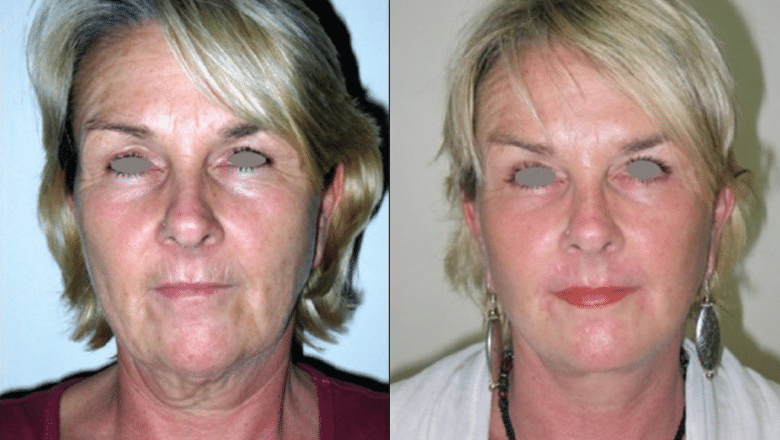
A facelift, also known as rhytidectomy, is a surgical procedure designed to counteract the effects of ageing on the face. Options include a Traditional Facelift, Neck Lift, Mini Facelift, and Brow Lift.
RELATED: Can You Combine Facial Fat Transfer With a Facelift?
2. Facial Fat Transfer
Facial fat transfer is another method to enhance the cheeks, providing a natural look.
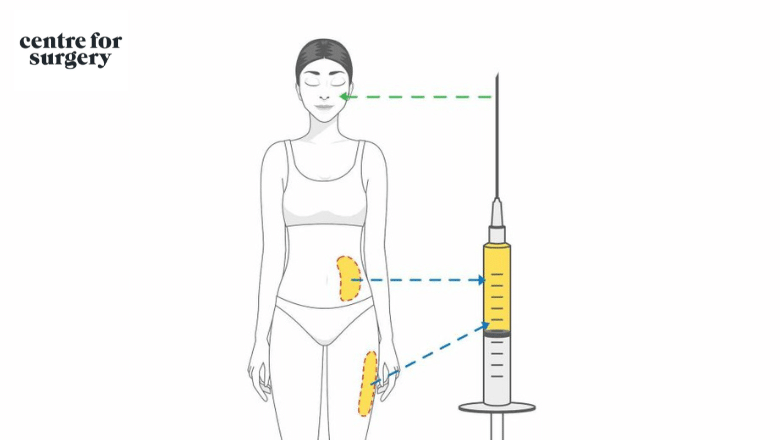
Fat is harvested from your body (such as the abdomen or thighs) and then transferred to desired facial areas like the cheeks, under the eyes, or nasolabial folds. Consider pairing facial fat grafting with other rejuvenating treatments like Lower Face Lift and Neck Lift, or Chin Liposuction for a complete facial makeover.
3. Buccal Fat Removal
Buccal fat removal is a cosmetic procedure designed to refine and sculpt the facial silhouette by eliminating excess fat from the lower cheeks. While this technique does not directly increase the height or prominence of the cheekbones, it plays a crucial role in accentuating them through the enhancement of facial contours. By reducing the volume of buccal fat, the procedure creates a more defined contrast between the lower cheeks and the cheekbones, thereby indirectly highlighting the cheekbones’ structure.
RELATED: How to Reduce Chubby Cheeks
RELATED: Chubby Cheeks – How to Get a Slimmer Face
RELATED: Non-Surgical Alternatives to Buccal Fat Removal
Non-Surgical Options for Defined Cheekbones: Cheek Fillers
Cheek fillers are a popular cosmetic treatment used to add volume and definition to the cheeks without surgery. They are typically made from hyaluronic acid, a sugar molecule naturally occurring in the body. Key benefits include being non-surgical, providing natural-looking results, and being customisable. The results generally last between 6 months and 2 years. Always seek treatment from a trained and licensed professional to ensure safety and optimal results.
Cheekbone Contouring with Make-Up Techniques
Enhancing the appearance of your cheekbones doesn’t always require a visit to a cosmetic specialist. With some clever make-up techniques, you can contour your cheekbones by: applying a contour shade slightly darker than your natural skin tone beneath the cheekbones and blending upwards towards your ears; applying a highlighter to the top of your cheekbones where light naturally hits; optionally adding blush on the apples of your cheeks for a natural flush; and setting your make-up with a setting spray or powder.
What Face Shape is Considered to be the Most Attractive?
Face shape is often a subject of interest and debate when defining beauty. Different cultures and individuals have varied preferences. The heart or V-shaped face is often cited as an attractive face shape — characterised by a broad forehead, slightly pointed chin, narrow jawline, and wide prominent cheekbones. For women, the diamond face shape is sometimes considered particularly attractive — characterised by a narrow forehead and jaw, with high cheekbones as the widest part of the face.
RELATED: Facial Beauty Standards – What is the Golden Ratio?
Ethnicities Known for High Cheekbones
High cheekbones are a prominent feature in several ethnic groups, often considered a sign of beauty or symbolic of certain values. These include some East Asian cultures (where high cheekbones are seen as a symbol of vitality and energy), various African ethnic groups, and many indigenous peoples across North, Central, and South America (Amerindian populations). In the UK, high cheekbones are often viewed as attractive.
The Superiority of Surgical Procedures for Achieving Prominent Cheekbones
Surgical interventions are widely regarded as the most effective approach to enhancing the facial structure to achieve high-set cheekbones. This preference stems from the permanence and customisability of surgical methods, setting them apart from non-surgical alternatives that might only provide temporary and less noticeable improvements. Cheek implants are specifically designed to augment the cheekbone area, creating a more defined and elevated appearance — with the ability to be tailored to the unique contours of an individual’s face.
FAQs about High vs Low Cheekbones

What does it mean to have high cheekbones?
High cheekbones are closer to the eyes, usually at the same level as the nasal bridge. To check: place your thumbs over your ear canal and your index fingers at your nostrils, then slowly draw both fingers together until they meet. You have high cheekbones if they meet at the level of the upper part of your nose or closer to your eye; you have low cheekbones if they meet at the level of your nostrils.
Which ethnicities are known for having high cheekbones?
High cheekbones are a distinct facial feature particularly prominent in several ethnic groups, including Native Americans, East Asians, and Africans. These communities often regard high cheekbones as a hallmark of beauty and a desirable trait.
Do cheekbones become more prominent as we age?
Contrary to some beliefs, cheekbones do not become more pronounced with age; instead, they tend to appear less defined over time. Loss of skin elasticity, decrease in facial volume, and reduction in bone density collectively contribute to the softening of the cheekbones’ appearance, making them seem less sharp and pronounced than in younger years.
Are low cheekbones attractive?
Beauty is subjective, and what’s considered attractive varies among different cultures and individuals. While some societies may perceive high cheekbones as more beautiful, low cheekbones are not universally regarded as less appealing. Preferences differ and are influenced by specific cultural norms, media, and individual taste.
What is the most attractive face shape?
The concept of attractiveness regarding face shape is highly subjective. However, it is commonly believed that an oval face shape holds a universal appeal, due to its balanced proportions which contribute to a sense of facial symmetry and harmony.
About Centre for Surgery
Located in the heart of London, Centre for Surgery is a leader in cosmetic and aesthetic treatments, providing the highest standard of care and innovative procedures. Our approach is patient-centric, focusing on understanding your individual needs and desires through an honest and transparent consultation process. We are home to some of the UK’s most skilled and experienced plastic surgeons, highly qualified and dedicated to continuous professional development.
We offer a wide range of treatments including Facial Surgery, Breast Procedures, Body Contouring, Men’s Aesthetic Treatments, and non-surgical options including anti-wrinkle injections, dermal fillers, Fotona4D, and Morpheus8.
To book a consultation: 📞 0207 993 4849 | 📧 contact@centreforsurgery.com | 📍 95-97 Baker Street, London W1U 6RN
[contact-form-7 id=”256″ title=”Treatments form”]