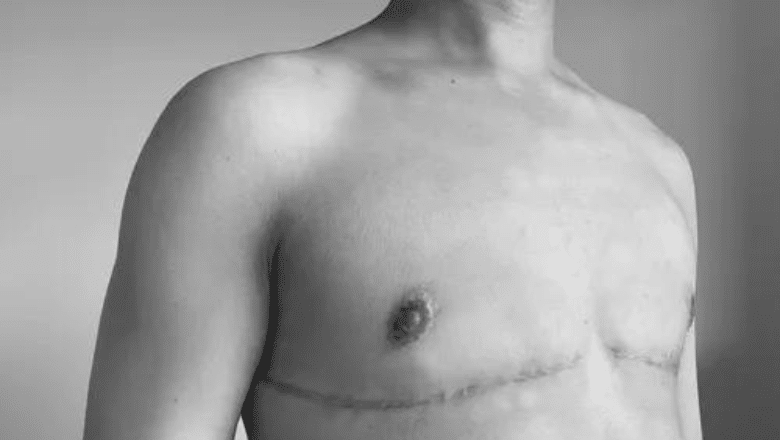
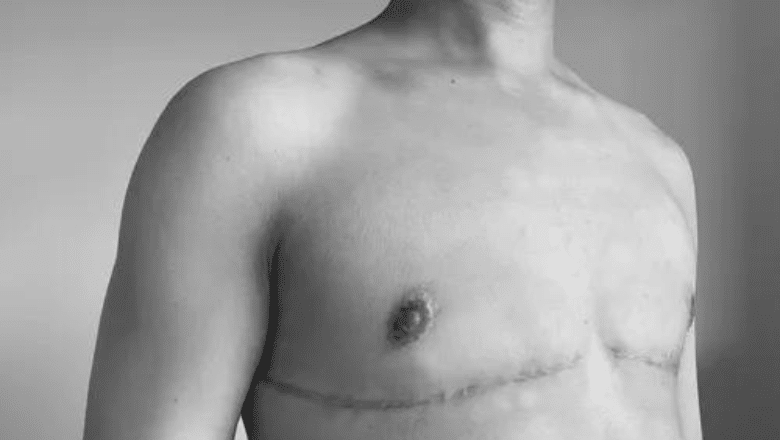
Scars after FTM/N Top Surgery Procedure
The surgery for transforming a female or non-binary chest into a more masculine look is known as FTM/N top surgery. This surgery is all about making you feel more like yourself by creating a male-like chest.
RELATED: WPATH Letter for Top Surgery in London
The operation mainly focuses on getting rid of unwanted breast tissue and any extra skin. It also changes the size, shape, or location of your nipples and the darker area around them, known as the areola. Usually, you’ll be under general anaesthetic for this, meaning you’ll be completely asleep, and the surgery itself can last from two to four hours.
There are typically two main ways that surgeons carry out this procedure. The first is called the “keyhole” method, or medically known as peri-areolar. This is often the best fit for people who have smaller chests and skin that’s good at snapping back into place.
The second common technique is called the double incision method. This is often used for people with larger chests or skin that doesn’t bounce back so easily. In this method, two horizontal cuts are made across your chest. Your nipple and areola might also be made smaller and then moved to a new, more masculine position.
Here at Centre for Surgery, we’re experts in plastic surgery and offer a wide range of services, including FTM/N top surgery to help you achieve the physical appearance that matches your true self.
RELATED: Can Breasts Grow Back After FTM Top Surgery?
The Road to Recovery: What You Should Know After FTM/N Top Surgery

Recovering from FTM/N top surgery is more of a marathon than a sprint, requiring patience, careful attention, and strict adherence to your surgeon’s advice.
Immediately after the operation, you’ll be fitted with a surgical compression vest and will have surgical drains in place. The compression vest helps to minimise swelling, while the drains help remove any fluid that accumulates, aiding in the healing process. These are typically removed about one to two weeks post-surgery.
When you get back home, your top priority will be rest and minimal activity. You’ll need to drastically limit any activities, particularly those that involve using your upper body. That means lifting objects, doing strenuous exercises, or even stretching are off the table for at least four to six weeks.
As for symptoms, it’s not uncommon to experience a range of them including swelling, bruising, and a certain level of discomfort or even pain in the chest area. Your surgeon will likely prescribe a regimen of pain medication and anti-inflammatory drugs to make this phase as comfortable as possible for you.
Roughly two weeks after the surgery, you’ll probably start to notice scars beginning to form. At first, they might look a bit red, raised, and firm, but don’t be alarmed. Scarring is a normal part of the body’s healing process. Over time, these scars will undergo a maturing process — they’ll gradually become softer, flatter, and lighter in colour.
Understanding Scar Formation Following Female to Male/Non-binary Top Surgery
When you undergo a surgical procedure like female-to-male or non-binary top surgery, your body’s natural response is to start the healing process, which includes the formation of scars.
Our skin has two primary layers: the outer layer, or the epidermis, and the inner layer known as the dermis. When a surgical cut goes deep enough to reach the dermis, the body’s healing mechanisms kick into gear.
This fascinating process has multiple stages, beginning with inflammation, followed by tissue formation, and ultimately, tissue remodelling. At first, your body acts quickly to stop any bleeding by forming a clot. It then releases specific chemicals that attract repair cells, known as fibroblasts. These fibroblasts produce collagen, a fibrous protein that serves as a framework for new tissue to grow upon.
In the early weeks following surgery, you’ll likely notice that the scar appears reddish and might even be a bit raised. As time progresses — over weeks and months — the appearance and texture of the scar will begin to change. The collagen fibres start to realign themselves in a more organized fashion, which makes the scar less raised and softer to the touch.
The Complex Journey of Scar Healing: Understanding its Various Stages
The very first stage that kicks off the healing process is known as the inflammatory phase. Starting right after the injury occurs, this stage can be easily identified — the bleeding from the wound ceases and the surrounding area becomes red, somewhat swollen, and feels warm to the touch. Lasting usually for just a few days, this is the body’s way of cleaning out the wound.
Following the inflammatory phase comes the proliferative phase. Here, your body gets down to the business of reconstruction. Collagen is produced at the wound site, and new blood vessels begin to form. During this stage, which can last for a number of weeks, you’ll observe the scar becoming reddish and more raised than the surrounding skin.
The final stage is known as the maturation or remodelling phase. This can take from several months up to a few years. The scar starts becoming softer, flatter, and its colour fades from red to a paler hue.
Each individual’s experience will differ based on numerous factors such as skin type, age, and overall health. Any concerns or unusual observations should be immediately shared with your surgeon to ensure optimal healing and results.
Taking Proper Care of Scars Right After FTM/N Top Surgery
Once you’ve undergone FTM/N top surgery, giving proper attention to your incisions is essential for both effective healing and minimising scar visibility. Here are some general guidelines:
- Maintain Cleanliness: Always wash your hands thoroughly before touching the incision site. To clean the wound, use a mild soap and warm water, applying them gently. Steer clear of harsh scrubbing actions and avoid using potentially irritating substances like alcohol or hydrogen peroxide.
- Keep It Dry: Other than when you’re cleaning it, the incision area needs to remain dry. After you’ve washed the area, dry it off gently by patting it with a clean towel.
- Shield from Sun Exposure: Sunlight can make scars darker and slow down their maturation. Wear clothing that effectively covers the incision area, or apply a high SPF sunscreen on the area after getting the green light from your surgeon.
- Monitor for Signs of Infection: Pay close attention to symptoms like increasing pain, swelling, excessive redness, or any form of discharge coming from the wound. If you notice any of them, get in touch with your medical team at Centre for Surgery without delay.
- Eat a Balanced Diet: Incorporating foods rich in protein, vitamin C, and zinc into your diet can supply your body with the essential building blocks it needs for skin repair and collagen formation.
Caring for Your FTM Top Scars in the Long Run: Strategies for Better Healing and Less Visible Scars
- Keep It Moisturised: Using a fragrance-free moisturiser can have beneficial effects on your scar. Keeping the skin hydrated not only aids in maintaining its flexibility but can also improve the overall appearance of the scar.
- Massaging Techniques: Massaging your scar can help to improve its appearance in the long run. The action can boost blood circulation to the area and can help in breaking down scar tissue.
- Ongoing Sun Protection: Even after the scar is well-healed, it’s still crucial to protect it from the sun. Keep using sun protection measures like covering the scar with clothing or applying a high-SPF sunscreen.
- Maintaining a Healthy Lifestyle: Once your surgeon gives you the all-clear, resuming regular exercise can contribute to better healing. Eating a balanced diet, staying well-hydrated, and getting enough sleep are also vital components.
Treatment Approaches for Minimising Scar Visibility After FTM/N Top Surgery
If you’ve undergone FTM/N top surgery, scars are a natural part of the healing process. While completely eliminating these scars might not be possible, several treatments can make a noticeable difference in their appearance.
Exploring Topical Treatments for Scar Improvement After FTM/N Top Surgery
Topical treatments involve applying products directly onto the scar to improve its appearance. It’s always best to consult with your plastic surgeon before beginning any new treatment.
Silicone-Based Products
Silicone has gained wide acceptance for its proven effectiveness in scar management. It functions by creating a protective barrier on the scar, helping to keep it moist. Silicone is available in multiple forms:
- Silicone Sheets: These are self-sticking sheets that you adhere directly to the scar. They are reusable and typically need to be worn for several hours each day.
- Silicone Gels or Creams: These formulations can be spread like any regular cream or gel, offering more flexibility for applying on scars in more visible or moving parts of the body.
- Silicone Sprays: These are convenient for covering larger scars or those in hard-to-reach areas.
Vitamin E
Vitamin E is well-known for its antioxidant properties and is commonly used to promote skin health. While some studies suggest it could improve the appearance of scars, the evidence is not universally conclusive.
Onion Extract
Onion extract possesses anti-inflammatory and antibacterial qualities. It is an active ingredient in some over-the-counter scar treatment products. However, research findings about its effectiveness in scar treatment are mixed.
Prescription Creams
If over-the-counter treatments don’t yield the results you’re hoping for, your plastic surgeon might recommend prescription-based topical treatments. For example, creams containing retinoids can be effective in remodelling the collagen structure within the scar.
Exploring Non-Surgical Options for Scar Improvement Post FTM/N Top Surgery
Non-surgical treatments offer another avenue for improving the appearance of scars that are more pronounced or causing discomfort.
Laser Therapy
Laser therapy uses focused light beams to treat scars and improve their appearance in various ways — colour, thickness, and texture. There are several types of laser treatments: ablative lasers remove thin layers of skin around the scar; non-ablative lasers stimulate collagen production beneath the skin; and vascular lasers target blood vessels in the scar tissue to reduce redness.
Steroid Injections
Steroid injections can be particularly effective for treating hypertrophic or raised scars. The steroids work by reducing inflammation and inhibiting excessive collagen production.
Morpheus8 and Microneedling
Morpheus8 is a type of microneedling that uses fine needles to create tiny punctures in the skin, stimulating collagen production. This can improve the appearance of the scar over time.
FAQs about FTM/N Top Surgery Scars

What do FTM Top scars look like?
Scars are fibrous tissues that replace healthy skin following an injury or trauma such as wounds, acne, burns, and surgery. Your body’s response to skin injuries depends on factors such as age, genetics, the location on the body, and skin colour.
With FTM/N chest surgery, the techniques used will influence the resulting scars. Keyhole and peri-areolar incision patterns are less invasive and result in less scarring than double incision chest surgery.
- Keyhole incisions – Suitable for very small breasts. Incisions run around the lower circumference of the areola.
- Peri-areolar incisions – This technique benefits patients with small-to-medium-sized breasts. Incisions extend completely around the border of the areola.
- Double incisions – Large breasts require a larger incision to address excess skin and tissue. This technique involves horizontal or U-shaped incisions placed just beneath the chest muscle.
Scars will be most prominent in the six weeks following the procedure, appearing raised and dark against the rest of your skin. They gradually fade and flatten over time, with the final appearance not being apparent for 12-18 months.
How Long Will It Take for My Top Surgery Scars to Fully Heal?
The time it takes for top surgery scars to heal can differ quite a bit from one person to another. The initial healing where your wound closes up usually takes a few weeks. However, for your scar to become softer and less visible, you’re looking at a much longer time — often up to a year or even more.
Can I Get Rid of My Top Surgery Scars Completely?
The straightforward answer is no, you can’t entirely get rid of scars from top surgery. Scars are just the way your body heals itself after it’s been cut or injured. That said, there are lots of treatments available that can make your scars look a lot less noticeable.
Can I Make My Scars Less Visible Without Seeing a Doctor?
Absolutely. Simple things like keeping the wound clean, massaging the scar, using silicone sheets or gels, and protecting the area from the sun can all help. Maintaining a balanced diet and staying hydrated can also make a difference. If you try all these and still aren’t happy with how your scars are healing, then it’s a good idea to chat with your plastic surgeon about more professional treatment options.
How can FTM Top scars be minimised?
There are several things you can do to help reduce the appearance of scars:
- Scar massage: Once the incisions have fully healed, usually around 2-3 weeks post-surgery, you can start massaging your scars.
- Silicone sheets or gels: These can be applied to the scars once they have fully healed. Silicone helps to keep the area hydrated, which can improve the appearance of scars.
- Avoid sun exposure: The sun can darken scars and make them more noticeable. Try to keep your scars covered and use a high-factor sun cream (SPF 30 or above) when they are exposed to the sun.
- Healthy lifestyle: A healthy diet and regular exercise can help your body heal and may improve the appearance of scars. Avoid smoking as it can impair the healing process and lead to worse scarring.
If these measures don’t produce the desired results, more invasive treatments can improve the appearance of scars. These include steroid injections, surgical revision, laser scar removal, microdermabrasion, and medical needling.
Will the FTM scars ever completely disappear?
Scars will fade over time, but they will never completely disappear. The goal is to minimise their visibility as much as possible. Remember, everyone heals differently, and it can take a year or more for scars to mature and fade. Be patient with your body as it heals.
Can I get a revision surgery to improve the appearance of my FTM Top surgery scars?
In some cases, scar revision surgery may be possible to improve the appearance of your scars. This is usually considered only after at least one year post-surgery when the initial scars have had a chance to mature.
What if my FTM scars are hypertrophic or become keloids?
Hypertrophic scars and keloids are types of raised scars that can occur after surgery. If you notice that your scars are becoming thick, raised, or are extending beyond the boundaries of the original incision, it’s important to consult with your surgeon. There are treatments available, such as steroid injections or laser therapy, that can help manage these types of scars.
FTM Top Surgery at Centre for Surgery
Choosing the right facility and team for your top surgery is a crucial decision, and Centre for Surgery offers several key advantages:
Specialist Expertise: At Centre for Surgery, our surgical team consists of highly trained and experienced surgeons who are specialists in FTM top surgery.
Personalised Care: Every patient is unique, and our team is committed to providing personalised care tailored to your individual needs. From the initial consultation to post-operative care, we will walk with you through each step.
Advanced Facilities: Our centre is equipped with state-of-the-art facilities and technology. We ensure a safe, clean, and comfortable environment for all our patients.
Comprehensive Support: We offer comprehensive support throughout your journey, from pre-operative preparation to post-operative recovery.
Accreditations: Centre for Surgery is fully accredited by all the relevant regulatory bodies, meaning you can trust in our high standards of care, proficiency, and ethical conduct.
[contact-form-7 id=”256″ title=”Treatments form”]