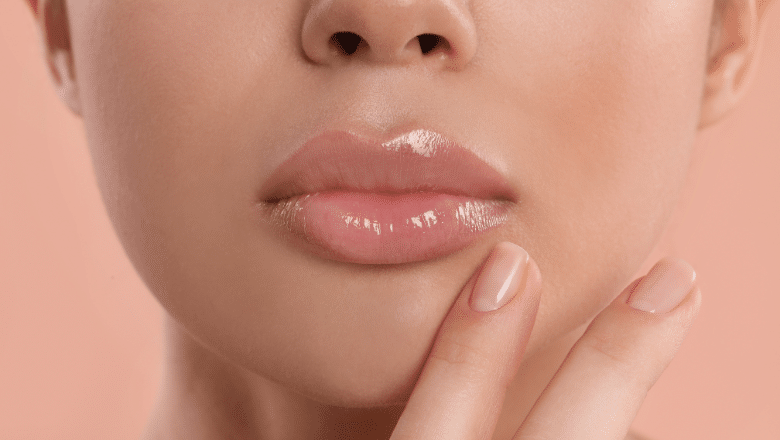
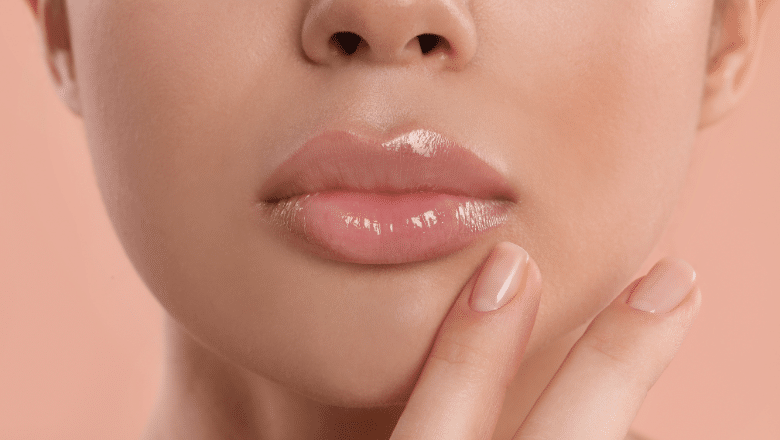
Lip flip and lip filler are both popular non-surgical lip enhancement treatments, but they work in completely different ways and produce different results. The lip flip uses botulinum toxin to subtly reposition the upper lip; lip filler uses hyaluronic acid to add volume. They’re not substitutes — they’re complementary tools that suit different goals.
Patients who choose the wrong treatment for their goals end up disappointed: those wanting volume don’t get it from a lip flip, and those wanting subtle definition often look overfilled from too much filler. This guide explains exactly what each treatment does, the honest comparison between them, when one is right and the other isn’t, and when combining both produces the best result.
Understanding what each treatment does
The lip flip
The lip flip uses small doses of botulinum toxin (typically 2 to 4 units) injected into the orbicularis oris muscle just above the upper lip border. The muscle’s natural downward pull is partially relaxed, allowing the upper lip to “flip” outward and expose slightly more of the pink vermillion tissue.
What it actually changes:
- The upper lip everts slightly, showing more of the visible pink lip surface
- The apparent height of the upper lip increases modestly
- No actual volume is added — the lip just shows more
- A “gummy smile” (excessive gum show when smiling) can be reduced
What it doesn’t change:
- The actual volume or fullness of the lips
- The position of the lips or philtrum length
- The lower lip (lip flip is typically upper lip only)
- The vermillion border definition
Duration: 8 to 12 weeks. Lip flip is the shortest-lasting of the major lip treatments, requiring 4 to 5 sessions per year for ongoing maintenance.
Cost: The lip flip is one of the more economical lip treatments per session. For broader context on botulinum toxin use, see our anti-wrinkle injections FAQ.
Lip filler
Lip filler uses hyaluronic acid filler injected directly into the lip tissue to add volume and definition. The hyaluronic acid binds water and integrates with the existing lip tissue, adding substance rather than just changing position.
What it actually changes:
- Genuine increase in lip volume
- Improved vermillion border definition
- Restoration of age-related volume loss
- Enhancement of the Cupid’s bow definition
- Smoothing of fine perioral lines (perimeter of the mouth)
- Correction of mild lip asymmetry
What it doesn’t change:
- Muscle function or facial expression — these remain entirely natural
- The position of the lip relative to the nose (philtrum length)
- Downturned corners of the mouth (a different treatment area)
Duration: 6 to 12 months. Significantly longer-lasting than a lip flip, requiring less frequent maintenance.
Cost: Higher per session than a lip flip, but the longer duration produces lower cost per month when calculated annually.
For comprehensive detail on lip filler trends and techniques, see our guide on current popular trends in lip filler treatments.
The honest comparison
For genuine lip volume: Lip filler wins definitively. The lip flip doesn’t add volume — it just makes more of your existing lip visible. Patients wanting fuller lips need filler.
For subtle upper lip enhancement without adding material: Lip flip wins. Some patients prefer the idea of not putting product into their lip tissue and appreciate the subtle effect of a lip flip.
For Cupid’s bow definition: Filler is more effective. Lip flip can subtly help by allowing the upper lip to evert and show more, but defining the bow itself needs filler.
For gummy smile correction: Lip flip is the appropriate treatment. Botulinum toxin to the upper lip muscle reduces the amount of gum show when smiling.
For overall lip rejuvenation in ageing patients: Filler typically produces more substantial improvement, addressing both volume loss and border definition.
For long-term economic value: Filler. The 6-12 month duration of filler versus 8-12 weeks of lip flip means filler costs less per month over time despite the higher per-session cost.
For reversibility: Both treatments are reversible. Lip flip wears off naturally over 2-3 months. Lip filler can be dissolved with hyalase within 24-48 hours if you don’t like the result.
For first-time treatment in younger patients with no specific concerns: A lip flip is often a good starter — minimal commitment, short duration, no filler material involved. If you decide you want more, you can progress to filler later.
When the two treatments combine well
The combination of lip flip and lip filler is often more effective than either alone for patients wanting comprehensive lip enhancement:
The lip flip component allows the upper lip to evert slightly, showing more vermillion and creating space for the filler to work in.
The lip filler component adds the actual volume and definition that the lip flip alone cannot provide.
Together, the result is enhanced volume with the upper lip in a better position to display that volume. The two treatments synergise — the visible result of conservative filler is more impressive when combined with a lip flip than the same volume of filler alone.
The combined approach is particularly effective for:
- Patients with relatively thin upper lips who want enhancement without going to large filler volumes
- Patients with a “tight” upper lip that doesn’t show much vermillion at rest
- Patients with a mild gummy smile alongside other lip concerns
- Patients wanting subtle but visible enhancement
The treatments can be performed in the same session — the lip flip first (botulinum toxin takes 10 to 14 days to fully develop) followed by filler placement. The filler effect is immediate; the lip flip effect develops over the following 2 weeks.
How to choose between them — a practical framework
A useful decision framework:
Question 1: Do my lips need actual additional volume, or do they just need to show more?
- If they need volume → filler
- If they just need to show more (the lip is there but covered or hidden) → lip flip
Question 2: Am I bothered specifically by a gummy smile?
- If yes → lip flip is the primary treatment
- If no → focus on lip volume/definition needs
Question 3: Am I tied to a tight maintenance schedule, or comfortable with longer-spaced visits?
- If you don’t mind frequent visits → lip flip every 2-3 months works fine
- If you prefer fewer visits → filler every 6-12 months is more practical
Question 4: Is this my first time having any lip treatment?
- If yes and you’re cautious → start with lip flip for a low-commitment trial
- If yes and you know you want substantial change → filler may be more direct
Question 5: Have I had filler before and not been happy?
- If yes, consider whether the previous treatment was technically problematic (dissolving and starting fresh) or whether you fundamentally don’t want lip filler (a lip flip alone may suit better)
For broader context on what filler can and can’t do, see our guide on lip filler migration causes and solutions.
The lip flip procedure in detail
The lip flip takes approximately 10 minutes:
Pre-treatment:
- Avoid alcohol and blood-thinning medications for 24-48 hours before
- No topical anaesthetic is typically needed for the very small injections involved
Procedure:
- Detailed assessment of your lip shape and gummy smile if applicable
- Marking of the precise injection points just above the upper lip border
- Small injections of botulinum toxin at 4-6 points along the upper lip
- Discussion of aftercare
Aftercare:
- Avoid strenuous exercise for 24 hours
- Don’t lie down for 4 hours after treatment
- Avoid facial massage to the upper lip area for 24-48 hours
- Effect develops over 7 to 14 days
Common side effects:
- Mild bruising at injection sites (uncommon — the injections are very small)
- Brief sensation of tightness around the upper lip while the effect develops
- In rare cases, temporary difficulty pronouncing certain sounds (p, b, m) — usually mild and resolves within days as adjustment occurs
- In rare cases, temporary asymmetry if the muscle effect is uneven — addressed at 2-week review if needed
The lip filler procedure in detail
Lip filler takes approximately 30 minutes:
Pre-treatment:
- Avoid blood-thinning supplements (vitamin E, fish oil, St John’s Wort) for a week before — consult your doctor about prescribed medications
- Avoid alcohol for 24-48 hours before
- Consider arnica tablets in the days before to reduce bruising
Procedure:
- Detailed lip assessment, discussion of goals, photographs
- Application of topical anaesthetic for 15-20 minutes
- Precise injection of HA filler at planned points using fine needle or microcannula
- Most filler products contain lidocaine for additional comfort during injection
- Total filler volume typically 0.5 to 1ml for an initial treatment
- Gentle moulding and assessment after each injection
Aftercare:
- Cold compresses for the first 24 hours
- Avoid heat exposure (saunas, steam rooms, hot showers) for 48-72 hours
- Avoid strenuous exercise for 24-48 hours
- Sleep with head elevated
- No straws for 48 hours
- 2-week follow-up review for assessment and small top-up if needed
For comprehensive aftercare detail, see our lip filler aftercare guide and lip filler bruising guide.
Common side effects:
- Swelling and tenderness for 2-3 days
- Bruising at injection points lasting 3-7 days
- Mild asymmetry that resolves as swelling settles
- Small lumps that smooth out within the first week
When neither treatment is right
Some lip concerns aren’t addressed effectively by either filler or lip flip:
Elongated philtrum. If the space between your nose and lip is too long and your upper lip looks recessive, neither filler nor lip flip addresses the underlying anatomy. A lip lift is the appropriate procedure.
Significantly downturned mouth corners. For substantial corner descent, neither treatment is particularly effective. See our guide on lifting the corners of the mouth with filler for the broader options including corner lip lift surgery.
Established perioral lines. Deep smoker’s lines aren’t fully addressed by either lip flip or filler. Laser resurfacing or other treatments may be more appropriate. See our guide on smoker’s lines treatment.
Significant volume desired with limited natural lip anatomy. Patients wanting dramatic lip volume beyond what their natural anatomy can support tend to develop migration and overfilled appearance regardless of which approach is used. A consultation discussing realistic expectations is more important than choosing between treatments.
Perioral skin laxity from significant ageing. Comprehensive lower face rejuvenation may need more than just lip work. See our non-surgical facelift hub.
Costs and frequency
A useful long-term cost comparison:
Lip flip: Lower cost per session, but 4-5 sessions per year required. Annual cost typically £500-£800.
Lip filler: Higher cost per session, but 1-2 sessions per year required. Annual cost typically £400-£900.
Combined approach: Both treatments together (lip flip 3-4× per year, filler 1× per year) — annual cost typically £700-£1200.
Finance options through Chrysalis Finance, including 0% APR, are available across all treatment options.
For patients calculating long-term value, lip filler maintenance generally produces more visible result per pound spent than lip flip alone. The combination produces the most substantial result but at higher overall cost.
Who should consider what — patient profiles
The “subtle starter” patient: 20s-30s, lips already look fine, wants to try something low-commitment, particularly bothered by a mild gummy smile. → Lip flip.
The “ageing lips” patient: 40s-50s, noticeable volume loss in upper lip, softening of the vermillion border, fine perioral lines starting to appear. → Lip filler, possibly combined with anti-wrinkle injection for perioral lines.
The “subtle enhancer” patient: Any age, wants visible improvement but absolutely not overfilled, comfortable with maintenance. → Conservative lip filler (0.5ml or less) combined with lip flip for layered subtle effect.
The “dramatic enhancement” patient: Specifically wants substantial lip volume increase. → Lip filler in conservative initial volume, with discussion of long-term maintenance and realistic expectations.
The “structural concerns” patient: Elongated philtrum, long upper lip, reduced tooth show. → Probably better served by lip lift surgery than by either filler or lip flip.
A consultation with our specialist team — including Dr Spyridon Vlachos — establishes which category fits your specific anatomy and goals.
Common questions
Is the lip flip safer than filler?
Both treatments are very safe in experienced hands. The risks are different — lip flip risks are typically muscle-related and self-resolving (the toxin wears off); filler risks include the rare but serious vascular complications that need immediate management. Neither treatment is meaningfully “safer” than the other when performed appropriately.
Will a lip flip make my lips look bigger?
Subtly — the upper lip everts slightly, showing more of the pink vermillion. The effect is real but mild. Patients wanting substantial visible volume increase need filler.
Can I start with lip flip and add filler later if I want more?
Yes — this is a common progression. Start with lip flip to see if subtle enhancement satisfies, add filler if more substantial change is desired. The lip flip won’t interfere with later filler treatment.
What if I don’t like the lip flip effect?
The effect wears off naturally over 8 to 12 weeks. There’s no way to “reverse” botulinum toxin once injected — you just wait for it to dissipate. The good news is that the duration is short.
How long after a lip flip can I have filler?
Same session is fine, or any time afterwards. The two treatments don’t interfere with each other.
Are there side effects to combining the two?
The combined side effect profile is essentially the sum of the individual treatments — typically mild swelling and bruising. Combining the treatments doesn’t create new categories of risk.
Can men have a lip flip or lip filler?
Yes — both treatments are increasingly common for men. Technique is adapted to maintain masculine lip proportions rather than producing feminised results.
What if my lip flip makes it hard to drink from a straw or speak clearly?
Mild temporary difficulty with these is uncommon but possible in the first few days. It typically resolves as adjustment occurs. If significant difficulty persists beyond a week, contact the clinic — but in practice this is rare.
Should I worry about getting lip flip if I have a presentation at work next week?
The effect develops over 7 to 14 days, so a presentation immediately after treatment will see no change at all. The full effect is visible at 2 weeks — if you want the result for a specific event, schedule treatment 2-3 weeks beforehand.
Centre for Surgery · CQC-regulated · GMC specialist-registered surgeons · 95–97 Baker Street, Marylebone, London W1U 6RN · 0207 993 4849 · Book a consultation · Finance from 0% APR